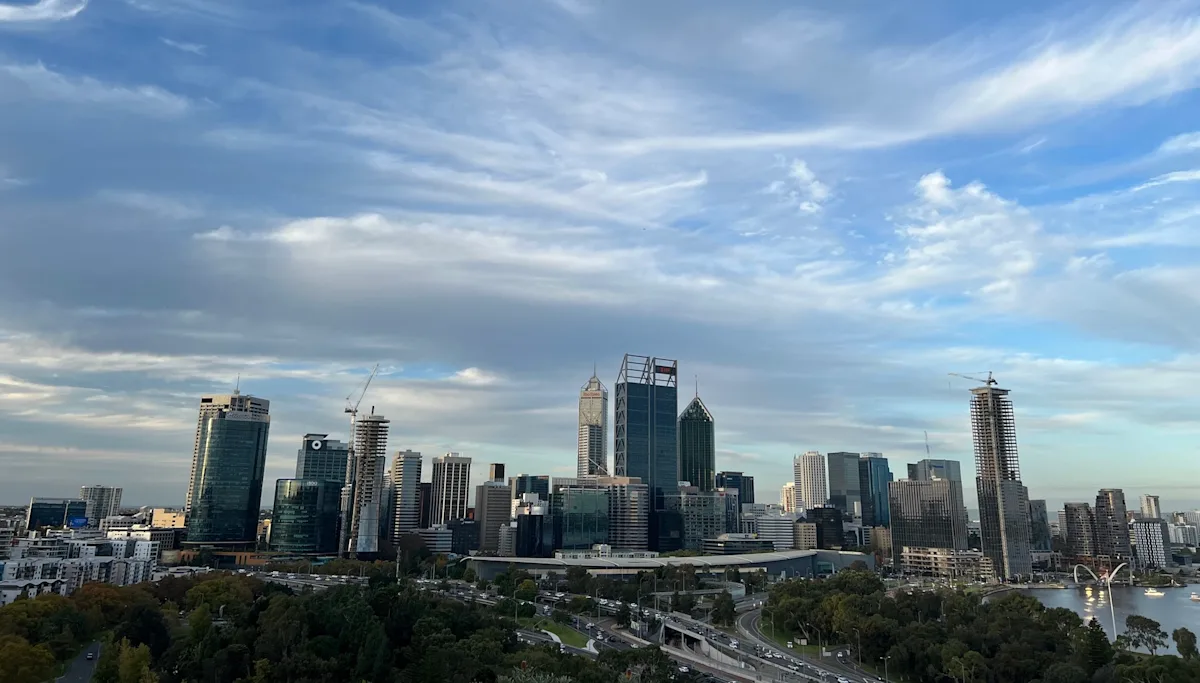
Perth has been placed under a city-wide quarantine due to the spread of the polyphagous shot-hole borer beetle, which threatens the local tree canopy and ecosystem. The shift from eradication to containment aims to prevent further spread, with efforts focused on pruning, removals, and community involvement, amid concerns from experts about the risk to broader regions and biodiversity.
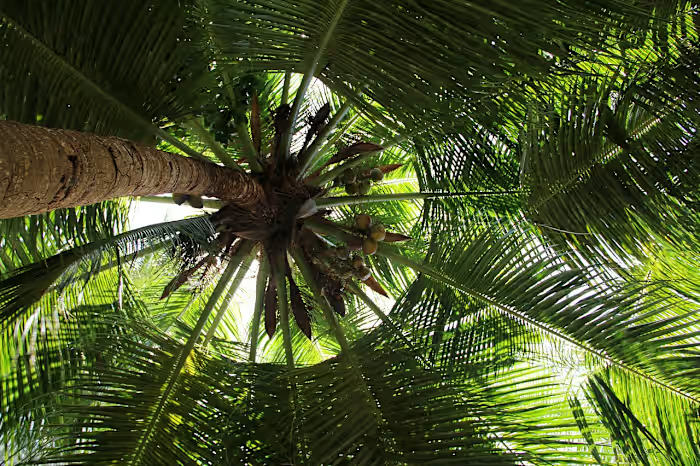
Florida's palm trees are increasingly threatened by Lethal Bronzing Disease, caused by a bacterium spread by treehoppers, leading to rapid tree death with no cure, though removal and preventive treatments like antibiotics and pesticides can help manage the spread.
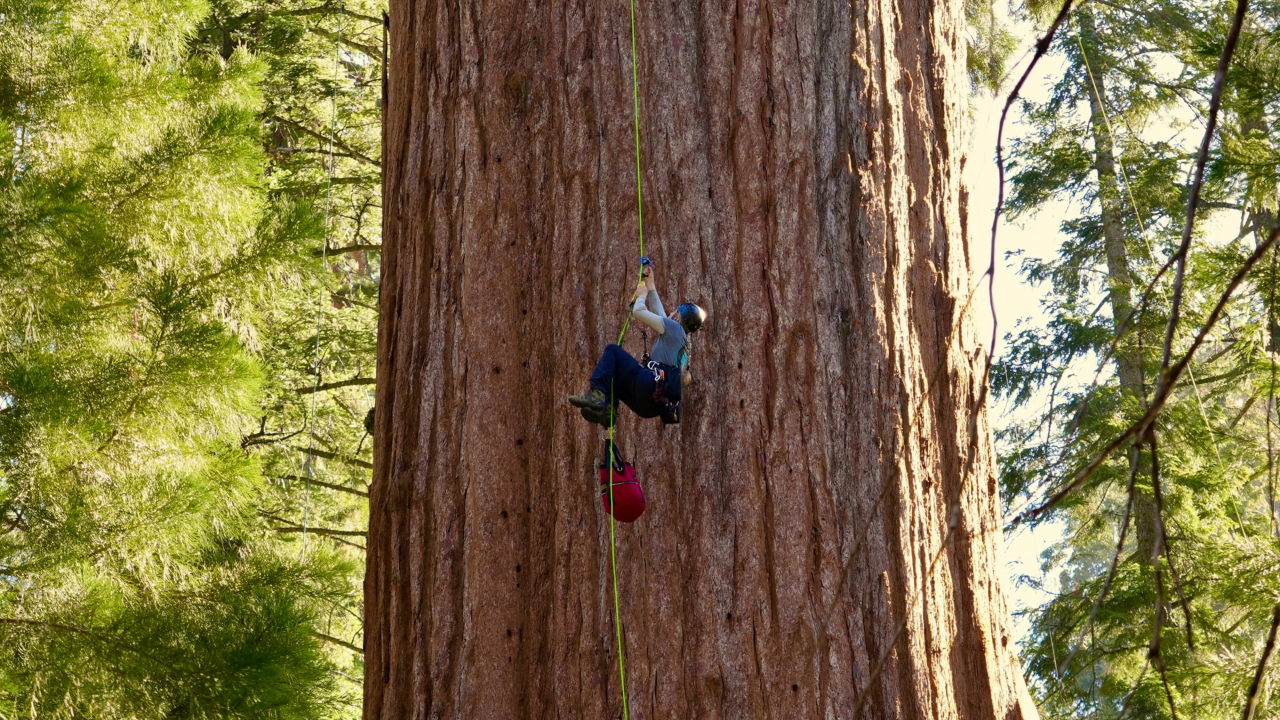
Researchers scaled General Sherman, the world's largest tree, in California's Sequoia National Park to inspect for bark beetles, an emerging threat to giant sequoias. The 2,200-year-old tree was found to be healthy and free of beetle infestation. However, scientists are increasingly concerned about the impact of climate change, which has made sequoias more vulnerable to beetles, drought, and wildfires. The inspection was part of a broader effort to monitor and protect these ancient trees.
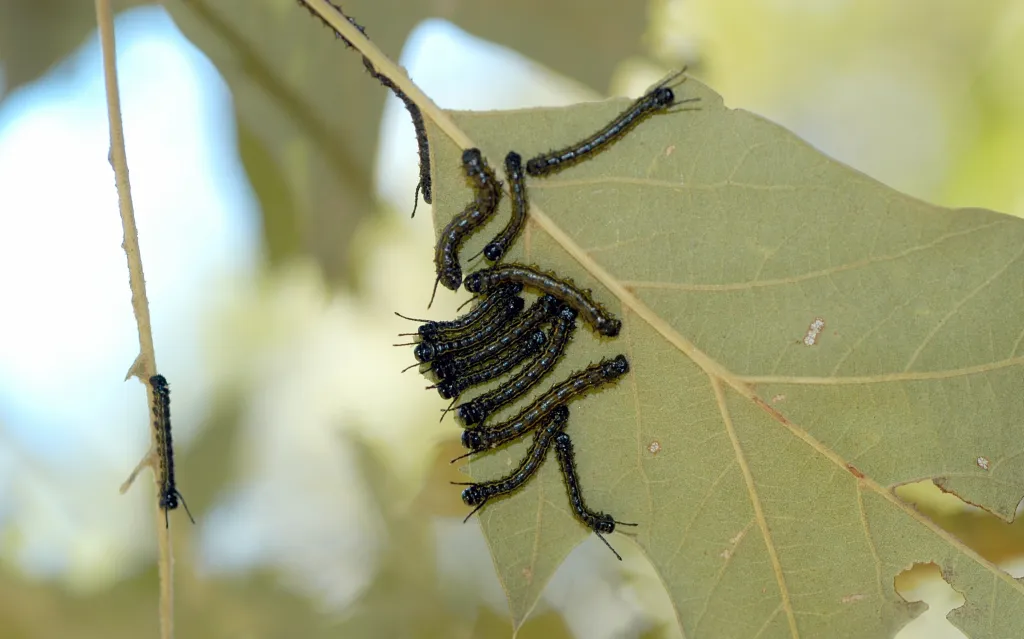
Late-season defoliators, such as the orangestriped oakworm, may cause localized, heavy defoliation in trees during late summer and early fall. However, their impact on tree health is generally minor, and natural enemies help regulate their populations. Mechanical control, such as picking off larvae or removing eggs, is often sufficient. In severe cases, insecticides can be used, but timing and targeting are crucial to minimize impacts on non-target species. Overall, the damage caused by late-season defoliators is usually not a significant threat to tree health.