
Summer's End Sparks Controversy Over Defoliation
TL;DR Summary
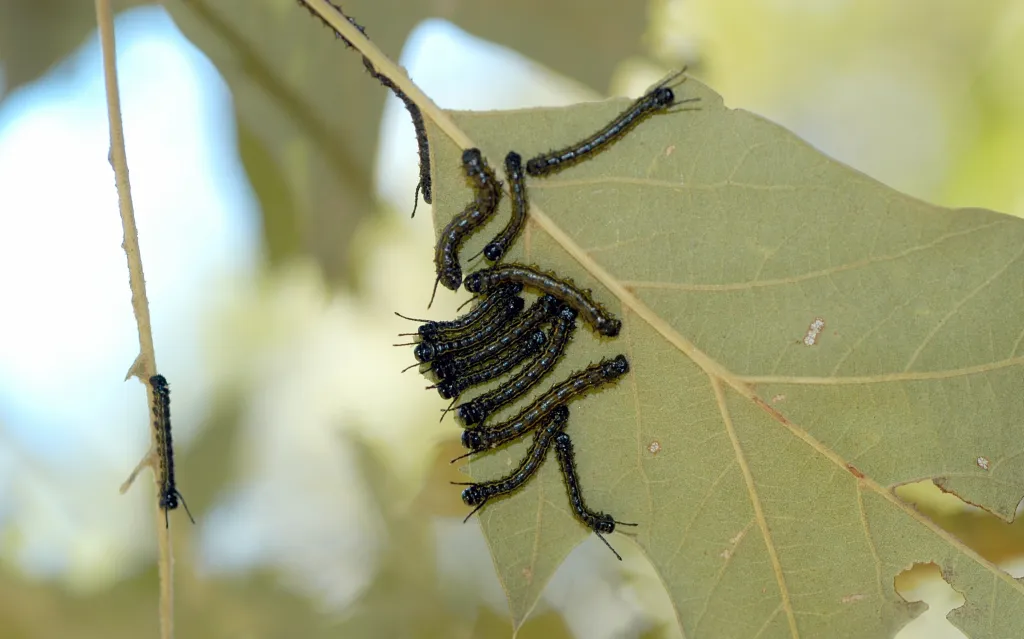
Late-season defoliators, such as the orangestriped oakworm, may cause localized, heavy defoliation in trees during late summer and early fall. However, their impact on tree health is generally minor, and natural enemies help regulate their populations. Mechanical control, such as picking off larvae or removing eggs, is often sufficient. In severe cases, insecticides can be used, but timing and targeting are crucial to minimize impacts on non-target species. Overall, the damage caused by late-season defoliators is usually not a significant threat to tree health.
Topics:science#aesthetics#defoliation#environment#late-season-defoliators#pest-management#tree-health
Much Ado About Nothing? End-of-Summer Defoliation Heats Up Entomology Today
Reading Insights
Total Reads
0
Unique Readers
0
Time Saved
3 min
vs 4 min read
Condensed
88%
688 → 84 words
Want the full story? Read the original article
Read on Entomology Today