Asian stocks rose, led by Chinese equities, amid positive news from China, while the US dollar remained steady ahead of a tight election. Japan's Nikkei 225 increased post-holiday, but Australian and South Korean shares declined. The Bloomberg Dollar Spot Index was unchanged, and the 10-year Treasury yield rose slightly.
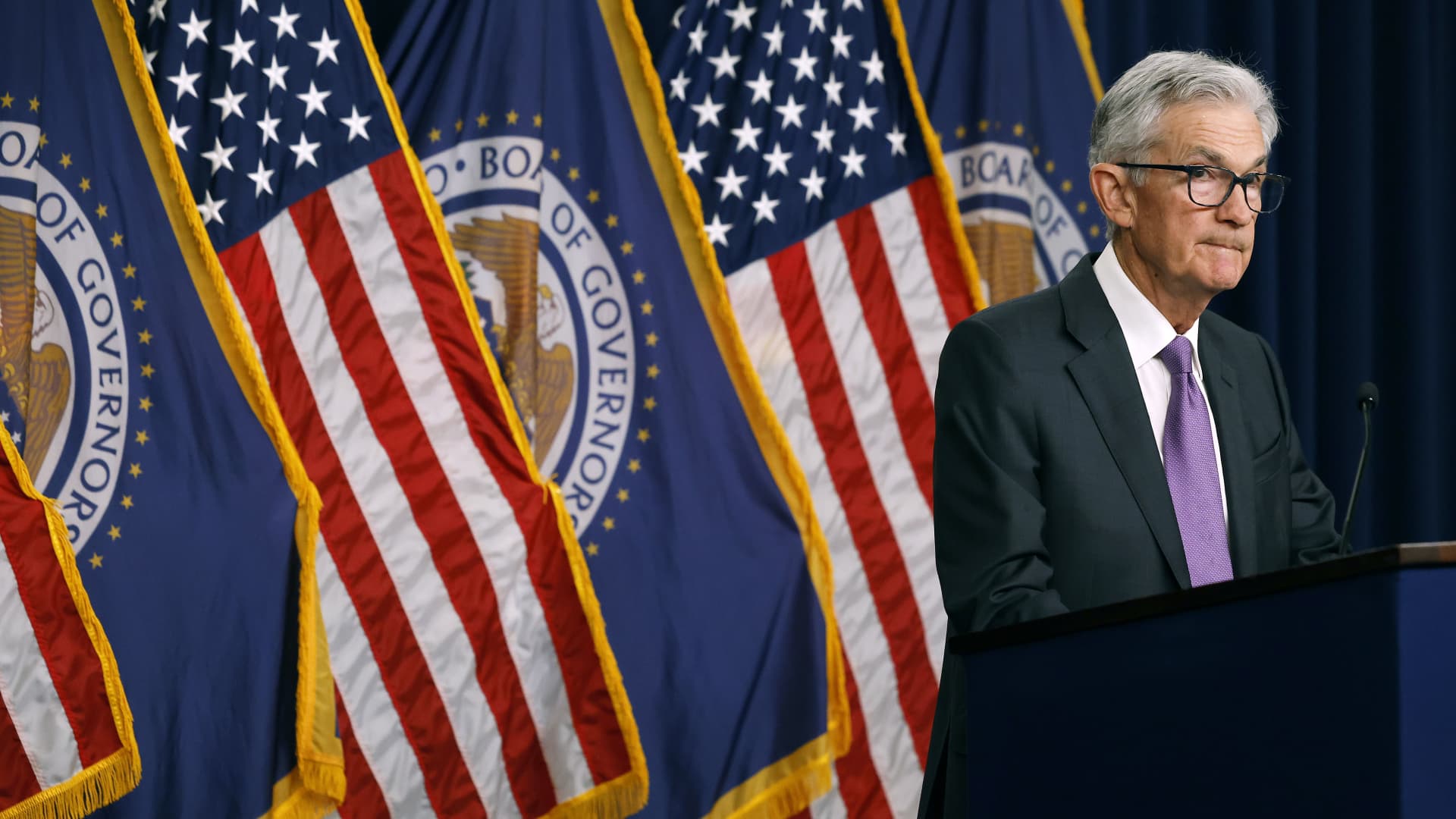
The 10-year U.S. Treasury yield rose by nearly 3 basis points to 4.213% as investors assessed the impact of an assassination attempt on former President Donald Trump and anticipated comments from Federal Reserve officials, including Chair Jerome Powell. Despite geopolitical concerns, bond prices fell, and yields increased, with investors focusing more on inflation, unemployment, and potential interest rate cuts. Key economic data, including retail sales and building permits, are also expected this week.
The Dow Jones Industrial Average gained 0.2% but remained below its 50-day moving average, while the Nasdaq and S&P 500 struggled to maintain gains. Cruise line stocks surged, led by Carnival's nearly 5% jump after announcing it would absorb P&O Cruises Australia by 2025. Nvidia hit new highs following announcements about its AI chip plans. The 10-year Treasury yield fell to 4.34%, and crude oil prices dipped amid economic concerns. Gold and silver prices dropped, impacting mining stocks like Agnico-Eagle Mines and Pan American Silver.
The Dow Jones Industrial Average saw modest gains after the release of the Federal Reserve's preferred inflation measure, the Personal Consumption Expenditures price index, which met expectations. Dell Technologies' stock plunged 19% following a disappointing forecast, while other notable stock movements included Gap's 20% rise and MongoDB's 23% drop. The 10-year Treasury yield slipped to 4.51%, and oil prices climbed.
The U.S. 2-year Treasury yield approached 5% after stronger-than-expected manufacturing data, with the 10-year Treasury yield also rising. The Philadelphia Federal Reserve's manufacturing survey showed a significant increase, particularly in the prices paid index. Uncertainty around potential interest rate cuts persists, with comments from Fed Chairman Jerome Powell indicating a lack of confidence in inflation returning to the target range this year. Expectations for the timing of the first rate cut have shifted since higher-than-expected consumer price index data earlier this month.
The stock market saw the Dow Jones rise over 100 points as the 10-year Treasury yield surged, following Iran's attack on Israel with drones and cruise missiles over the weekend.
The 10-year Treasury yield surged above 4.5% following higher-than-expected March inflation data, indicating a potential for prolonged higher interest rates from the Federal Reserve. The consumer price index rose 0.4% from February and 3.5% annually, surpassing economists' estimates. Stubborn inflation and a robust economy may delay potential rate cuts, with the Fed expressing concerns about inflation not reaching its 2% target in its March meeting minutes.
Stock futures were little changed as investors awaited March inflation data, with S&P 500 and Nasdaq 100 futures hovering near the flatline. The 10-year Treasury yield topped 4.4% as investors awaited the consumer price index report for insight into the Federal Reserve's rate policy impact on inflation. Real estate sector outperformed on a tepid day, while gold futures extended their rally to touch an intraday record of $2372.50/ounce. Additionally, various commodity futures, including silver, copper, aluminum, and tin, experienced notable movements in 2024.
The 10-year Treasury yield decreased as investors awaited the release of March nonfarm payrolls and monitored speeches from Federal Reserve officials. Data showed an increase in initial jobless claims and the trade deficit, while Fed Chair Jerome Powell emphasized the uncertainty surrounding potential interest rate cuts due to inflation. The Fed held interest rates steady in March and signaled expectations for three quarter-percentage point cuts by the end of 2024.
The 10-year Treasury yield surged after January's inflation data exceeded expectations, with consumer prices rising 0.3% and the annual rate reaching 3.1%. This has raised doubts about the Federal Reserve's ability to cut interest rates, impacting market bullishness. Some investors anticipate 10-year yields moving back above 5.00%, and upcoming economic data releases later in the week will provide further insight into the situation.
Commonwealth Financial Network CIO Brad McMillan highlights the 10-year Treasury yield as a key metric to watch in light of the November jobs report. Despite assumptions of imminent interest rate cuts and expected economic slowdowns, the stronger-than-expected hiring data suggests economic acceleration. McMillan believes this will put upward pressure on Treasury yields after pricing in future economic data prints.
The stock market rallied as the Dow Jones surged over 450 points and the Nasdaq jumped roughly 2% following a cooler-than-expected inflation report for October. The S&P 500 also rose around 1.8%, while the small cap Russell 2000 index enjoyed its best day in about a year. Bond yields plummeted, with the 10-year Treasury yield dropping 17 basis points. Home Depot's quarterly results showed a smaller-than-expected decline in same-store sales, while Nvidia stock continued its winning streak. Investors are confident that bond yields will continue to fall, according to a survey by Bank of America.
The 10-year Treasury yield in the US has surged over four percentage points in the past three years, reaching over 5% for the first time since 2007. This rapid increase in bond yields is reminiscent of the period preceding two past recessions. While the economy has defied pessimistic forecasts and continued to show strength, the surge in yields has injected uncertainty into the markets. Factors contributing to the increase in yields include the Federal Reserve's aggressive interest rate hikes and the sharp increase in the federal deficit, which is flooding the market with new Treasuries. While some investors are concerned about a potential economic slowdown, others remain uncertain about the indicators pointing towards a recession.
Global stocks experienced a significant decline as the 10-year Treasury yield surpassed 5%, raising concerns about the impact of rising borrowing costs on economic growth. The yield on the 10-year bond reached its highest level since 2007, leading to a retreat in stock markets. Weaker-than-expected earnings from companies like Volkswagen and Royal Philips also contributed to the negative sentiment. Investors are becoming more bearish on risk assets as the bond selloff intensifies, prompting a shift towards safer investments like Treasuries.
The benchmark 10-year Treasury yield rose above 5%, reaching its highest level since 2007, as a strong U.S. economy led investors to expect high interest rates for an extended period. This, combined with concerns over a wider conflict in the Middle East, pushed global shares to seven-month lows. The surge in bond yields has tightened monetary conditions without central banks taking action, allowing the Federal Reserve to signal it will likely stay on hold at its policy meeting next week. Mega-cap companies such as Microsoft, Alphabet, Amazon, and Meta Platforms are set to report earnings this week, supported by strong consumer demand. The U.S. dollar remains strong, and the European Central Bank is expected to leave interest rates unchanged.