A comprehensive study shows that even small daily intakes of processed meats, sugary drinks, and trans fats are linked to increased risks of diseases like type 2 diabetes, colorectal cancer, and heart disease, emphasizing the importance of limiting these foods for better long-term health.
The article discusses the need to refine the definition of ultra-processed foods, highlighting concerns about their health impacts, especially related to trans fats and additives, while emphasizing the importance of balanced policies that address both overconsumption and nutritional deficiencies worldwide.
Research shows that even moderate consumption of ultra-processed foods like processed meats, sugary drinks, and trans fats increases the risk of chronic diseases such as diabetes, heart disease, and colorectal cancer, supporting public health efforts to reduce intake of these foods.
A new study indicates that there is no safe level of processed meat consumption, with even small amounts linked to increased risks of diseases like diabetes, cancer, and heart disease, emphasizing the importance of a balanced diet and moderation in intake of processed foods, sugary drinks, and trans fats.
The article highlights six cooking oils—palm, cottonseed, refined canola, corn, coconut, and refined sunflower oils—that should be avoided to reduce the risk of heart attacks due to their high saturated fat content, trans fats, or omega-6 fatty acids, which can promote inflammation, increase bad cholesterol, and damage blood vessels.
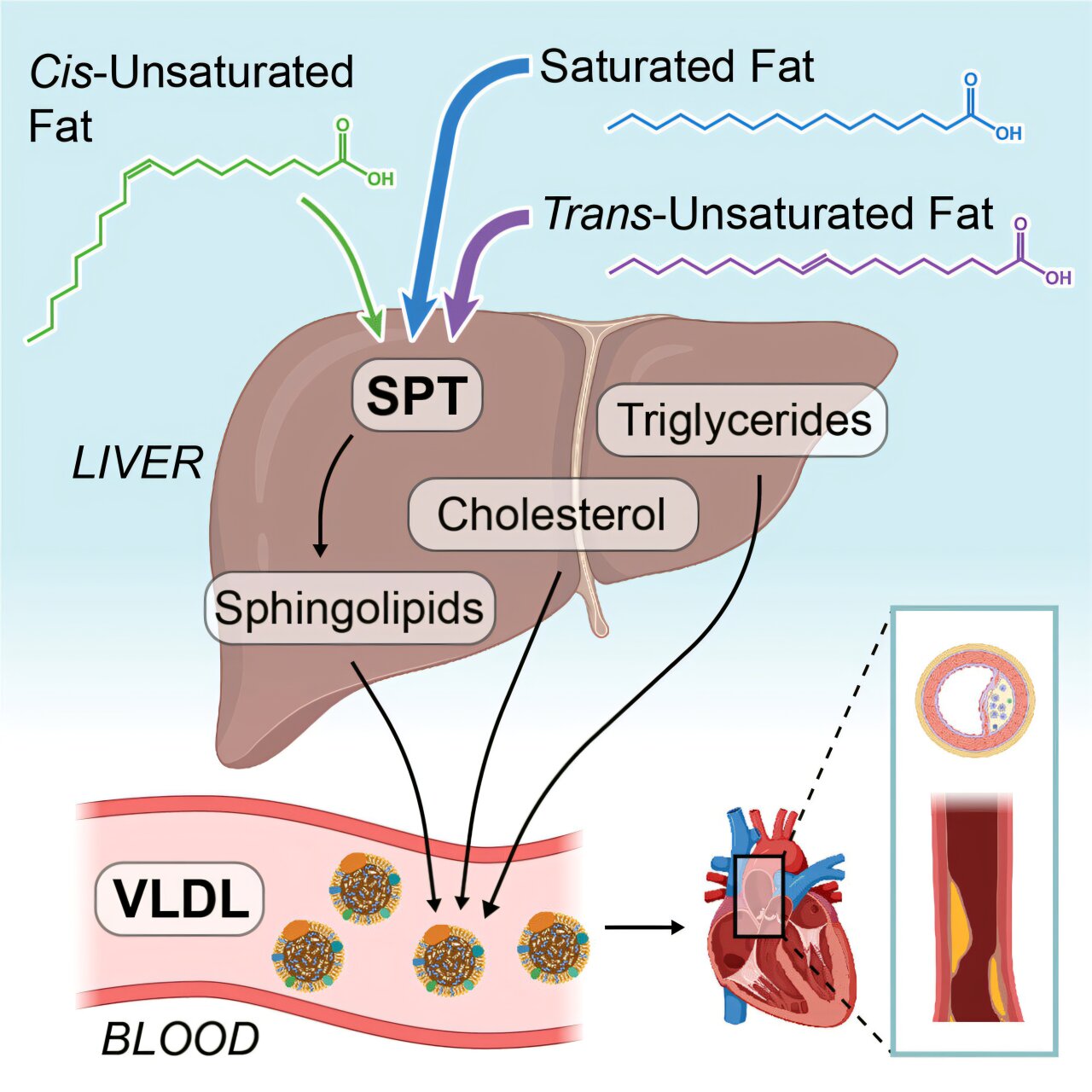
New research from the Salk Institute suggests that sphingolipids, not just cholesterol, play a significant role in trans fat-driven cardiovascular disease. The study found that trans fats are incorporated into sphingolipids, promoting the secretion of lipoproteins that contribute to atherosclerotic plaque formation. This discovery opens new avenues for potential drug targets beyond cholesterol-lowering statins, focusing on the enzyme SPT involved in sphingolipid synthesis. The findings highlight the need for further exploration of dietary fats' impact on cardiovascular health.
Nutrition experts warn against consuming hot dogs and bacon cheeseburgers due to their high content of unhealthy saturated and trans fats. Hot dogs are highly processed, contain additives and preservatives, and have high sodium levels, which can contribute to increased blood pressure and cardiovascular risks. The cooking methods used on hot dogs can also produce carcinogenic compounds. Bacon cheeseburgers, on the other hand, have a significant saturated fat load from the bacon and cheese, which can elevate LDL cholesterol and increase the risk of heart disease. Both meals exemplify the typical drawbacks of fast food, including excessive unhealthy fats, sodium, and calories. It is recommended to choose healthier alternatives and avoid these options to maintain heart health.
Dietitians recommend avoiding three artificial ingredients - trans fats, coconut oil, and added sugars - if you suffer from high cholesterol. Trans fats, found in baked goods and fried foods, raise LDL cholesterol levels and increase the risk of cardiovascular disease. Coconut oil, despite its popularity, lacks scientific evidence for health benefits and may have negative effects on cardiovascular health. Instead, opt for healthier oils like olive oil and avocado oil. Excess sugar, found in sugary beverages, desserts, and even condiments, can contribute to the formation of plaque in arteries. Check food labels for hidden sugars in supposedly "healthy" foods. Educating ourselves about artificial ingredients can help make healthier choices.
Nutritionist Lisa Richards warns that margarine, especially those containing trans fats, is one of the worst types of butter for belly fat and weight gain. Trans fats increase inflammation in the body and raise levels of bad cholesterol, which can lead to belly fat and other health problems. Richards suggests natural, unsalted butter as a good source of healthy fats and vitamins A, D, E, and K. However, it's still important to consume butter in moderation and pair it with a balanced diet and regular exercise to maintain a healthy weight and reduce belly fat.