Reports of US children under six ingesting flavored nicotine pouches have surged by 763% over three years, leading to serious health issues and two deaths, with concerns raised about their attractiveness to children due to flavors and marketing, and calls for better storage and prevention measures.
The PACT Act of 2024 expands health care eligibility for Veterans exposed to toxins or hazards while serving, allowing them to enroll directly in VA health care without first applying for VA benefits. This includes Veterans who served in Vietnam, the Gulf War, Iraq, Afghanistan, or any other combat zone after 9/11, as well as those who were exposed to toxins or hazards while training or on active duty in the United States. VA has provided a toolkit for stakeholders to share information about the expansion, emphasizing the importance of applying for care, as VA health care is proven to be the best and most affordable for Veterans.
Millions of U.S. veterans will become eligible for VA health care starting March 5 under an accelerated effort to provide benefits and services to those exposed to toxic substances while serving. This expansion, mandated by the PACT Act, includes veterans who served in combat zones since the Vietnam War and those exposed to hazardous materials during training or operations. The VA aims to enroll these veterans in health care earlier than the 2032 deadline set by the law, providing access to toxic exposure screenings and specialty care if needed. The department is also increasing its workforce to meet the anticipated demand for services.
The Department of Veterans Affairs plans to expand disability benefits for veterans exposed to Agent Orange in the United States, following the passage of the PACT Act. This move will provide fast-track disability benefits to veterans suffering from illnesses dating back to the Vietnam War era, including those who served in locations where herbicides were tested, used, or stored outside of Vietnam. The new rules will take several months to go into effect and will benefit veterans who may have been exposed to Agent Orange in various states and foreign locations. This expansion aims to provide easier access to benefits for veterans exposed to toxic chemicals during their military service.
Newly uncovered military records reveal hazardous conditions at the Karshi-Khanabad air base in Uzbekistan, known as "K2," including enriched radioactive material and severe soil fuel contamination, potentially explaining rare illnesses among U.S. servicemembers deployed there after 9/11. Veterans advocate Mark T. Jackson claims the records are a "smoking gun" proving toxic exposure, while the U.S. Department of Defense and Veterans Affairs continue to assess the health effects of those deployed to K2. The government denies claims of yellowcake uranium presence at the base, but veterans seek evidence to support their medical diagnoses and treatment plans.
The families affected by the contaminated water at Camp Lejeune, a U.S. Marine Corps base in North Carolina, have struggled to find justice for the adverse birth outcomes and health issues suffered by their children. Military leaders were aware of the water contamination as early as 1980 but failed to take immediate action. Many families were unaware of the contamination for years, and it wasn't until 1997 that the issue gained public attention. The recent signing of the PACT Act by President Joe Biden allows those exposed to file new lawsuits, but the Navy has yet to settle any of the 93,000 claims received.
As the first anniversary of the PACT Act approaches, which expanded veterans assistance, the Department of Veterans Affairs is working to enroll as many veterans as possible for benefits related to toxic exposure. The law allows certain cancers and ailments to be presumed connected to burn pits and Agent Orange. The VA has received nearly 786,000 disability claims, processed almost 435,000, and approved over 348,000. However, the backlog is expected to grow to 450,000 in October and 730,000 in April. Despite challenges, the VA has been conducting outreach efforts and using new technology to process claims faster.
As the first anniversary of the PACT Act approaches, which expanded veterans assistance for toxic exposure, the Department of Veterans Affairs is working to enroll as many veterans as possible. The law allows certain cancers and ailments to be presumed connected to burn pits in Afghanistan and Agent Orange in Vietnam. The VA has received nearly 786,000 disability claims, processed almost 435,000, and approved over 348,000. However, the backlog is expected to grow to 450,000 in October and 730,000 in April. Despite challenges, the VA has spent $7.5 million on advertising and hosted events to raise awareness. The law's anniversary will be marked by President Biden at a Veterans Affairs hospital in Salt Lake City.
The Department of Veterans Affairs (VA) is conducting scientific studies to determine whether acute leukemias, chronic leukemias, and multiple myeloma outside of the head and neck should be added to the list of conditions presumed to be caused by exposure to toxic smoke from military burn pits and poor air quality in combat zones. This review could potentially allow thousands more veterans to receive expedited disability benefits. The move is part of the administration's focus on toxic exposure issues and follows the passage of the Promise to Address Comprehensive Toxics Act (PACT Act). Since the PACT Act was signed into law, the VA has paid out over $1.6 billion in related benefits to veterans and their survivors. Veterans suffering from the three new conditions are encouraged to apply for benefits even before the review is completed.
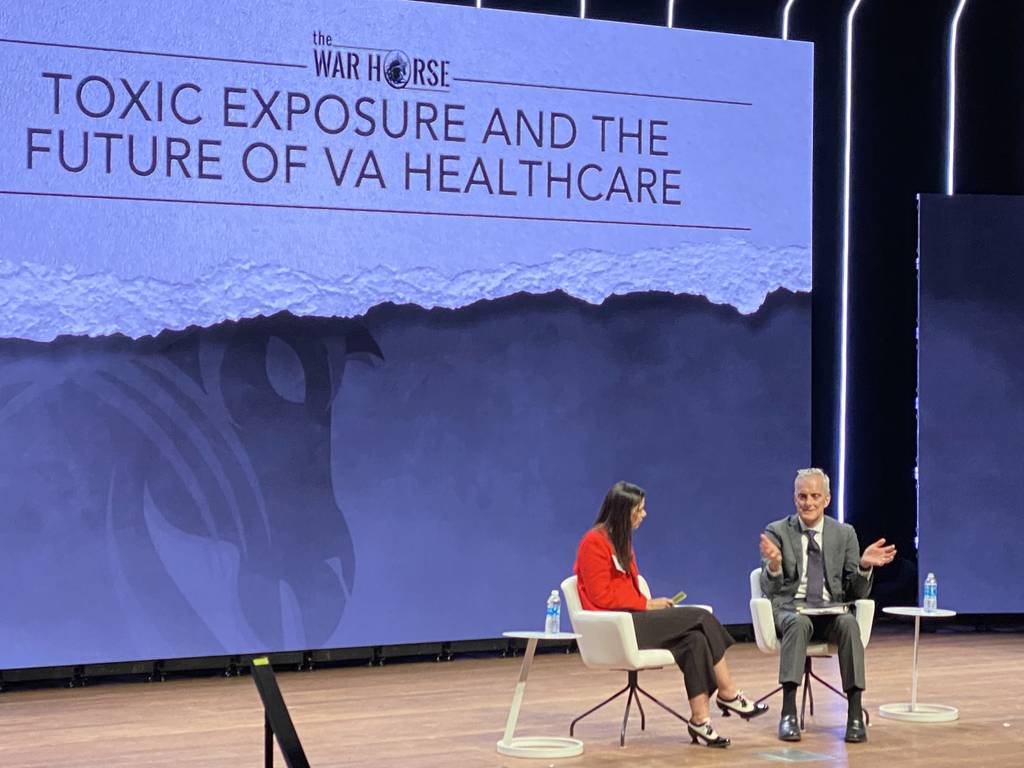
Veterans Affairs Secretary Denis McDonough has warned that mistrust or misunderstanding of federal assistance programs may be preventing veterans from receiving tens of millions of dollars in benefits. Only 10% of individuals potentially eligible for new benefits under toxic exposure legislation approved last year have filed claims. McDonough hopes to see that number increase significantly in coming months, but acknowledges that there is a general lack of trust in the VA. The Promise to Address Comprehensive Toxics Act provides for presumptive benefit status for 12 types of cancer and 12 other respiratory illnesses linked to burn pit exposure in the Gulf War, the War in Afghanistan and the War in Iraq.