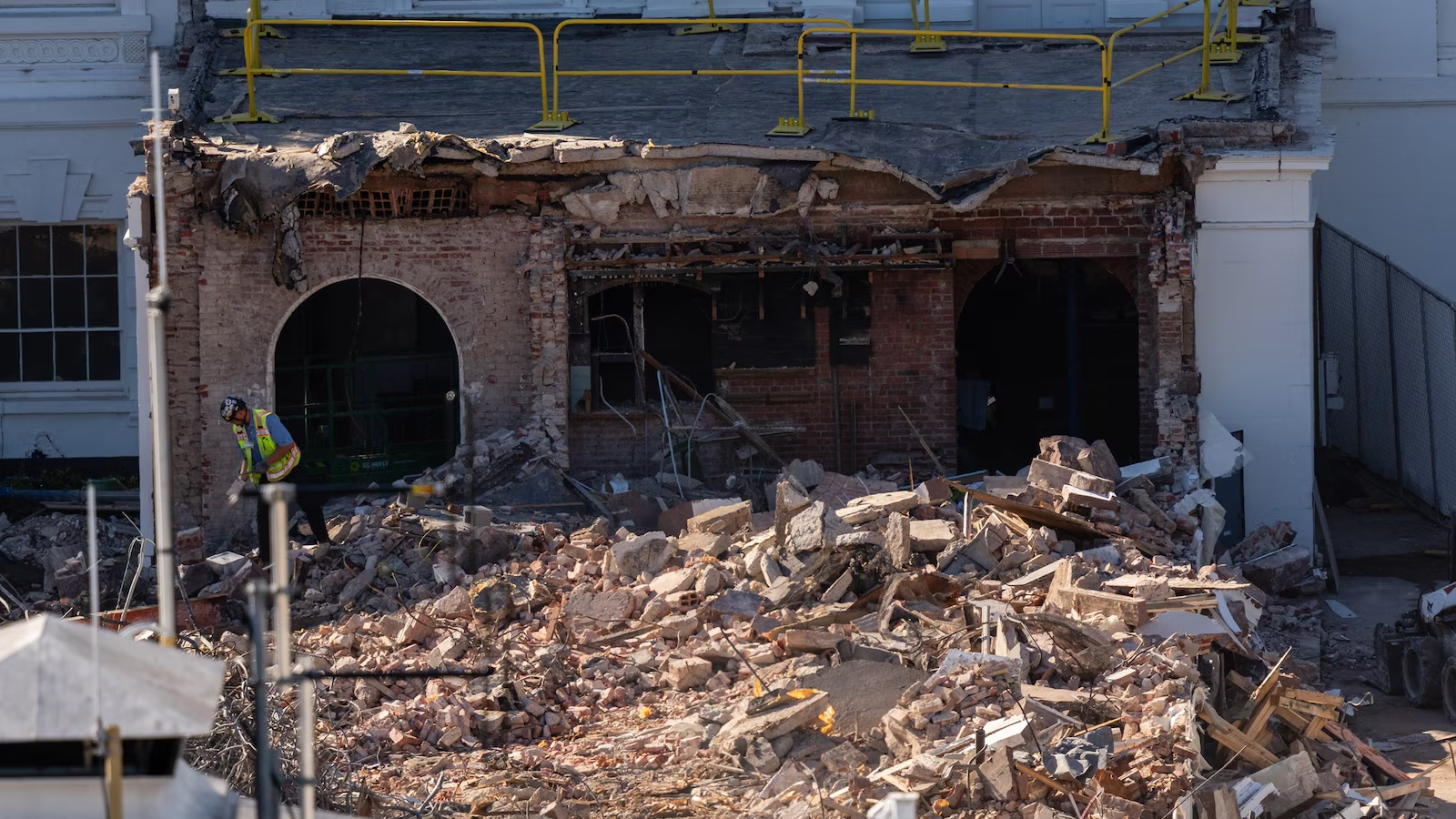
Critics are raising concerns about whether proper safety and environmental regulations, especially regarding asbestos removal, were followed during the White House East Wing demolition, with questions about potential health risks and regulatory oversight.
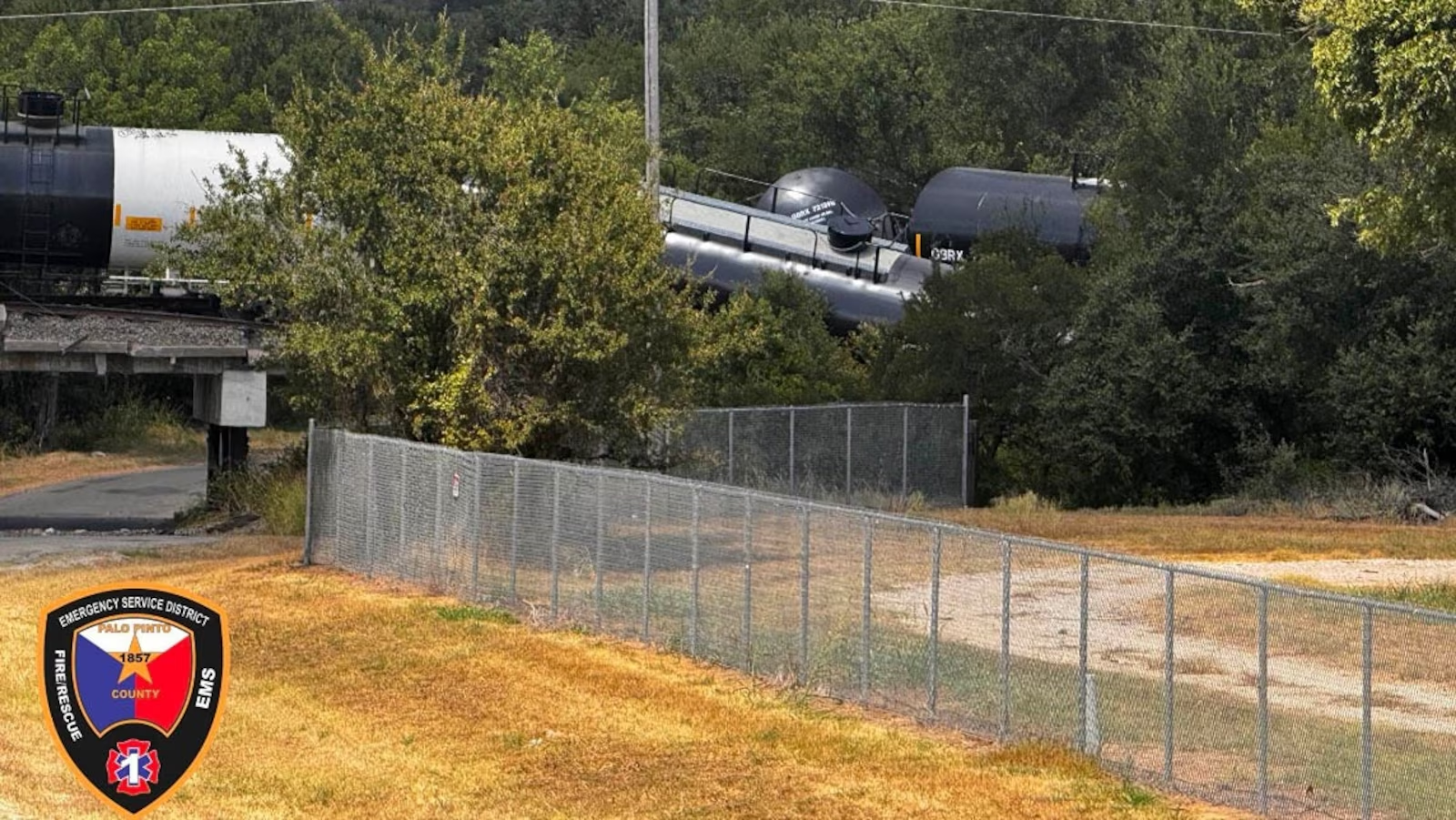
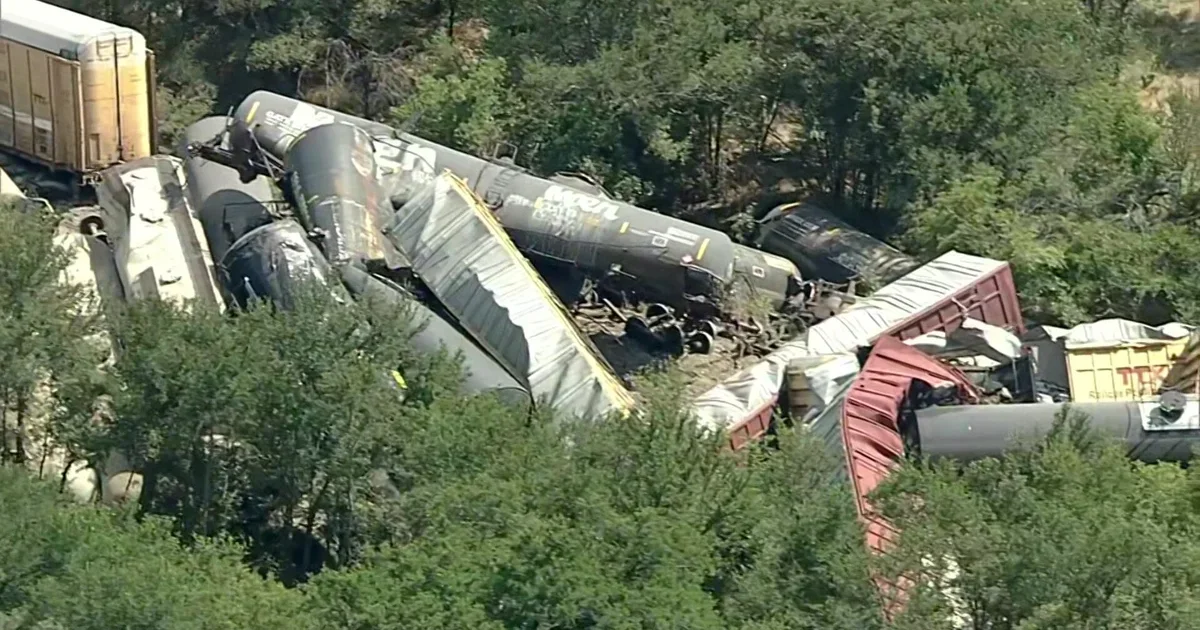
A train carrying at least 35 hazardous material cars derailed in Palo Pinto County, Texas, causing a HazMat situation with no injuries or leaks reported, while emergency crews manage the scene and investigate the incident.
A train carrying potential hazardous materials derailed in Palo Pinto County, Texas, with about 35 cars affected. No injuries or leaks reported, and crews are managing the situation cautiously as investigations continue.
Emergency crews responded to a train derailment in Palo Pinto County involving 35 cars carrying hazardous materials; no leaks or injuries reported, and evacuations are in place as the situation develops.
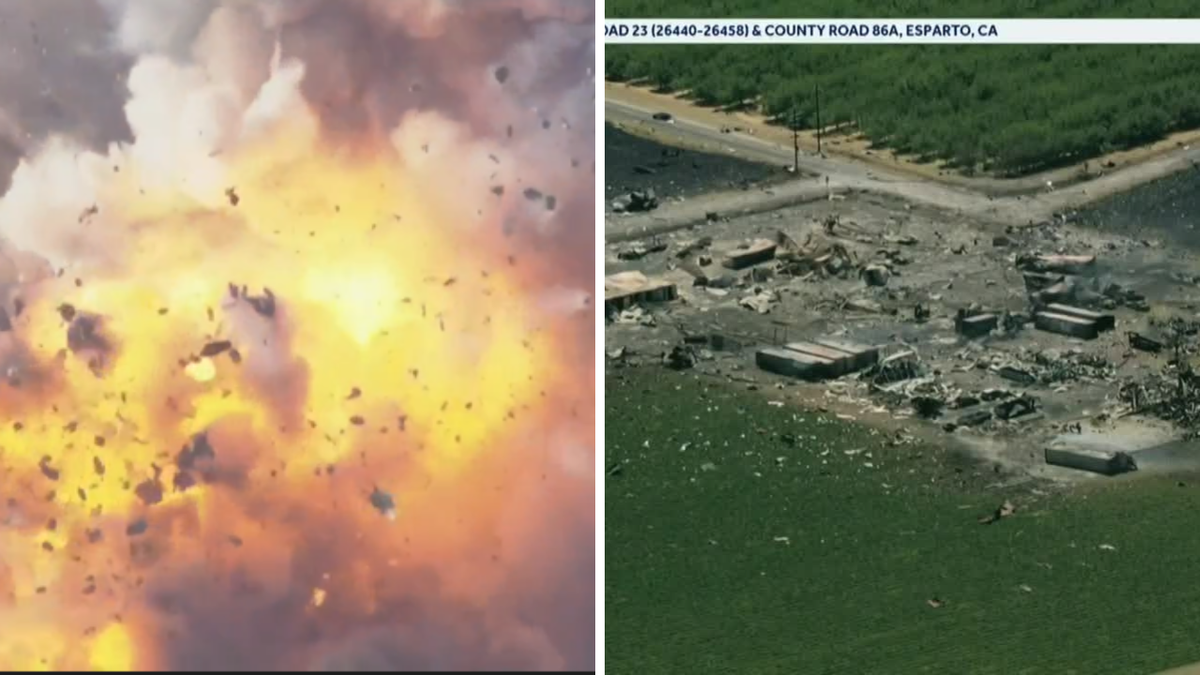
A fireworks facility in Esparto, Yolo County, exploded causing multiple explosions, with seven people unaccounted for and two injured. The site remains hazardous, and authorities are working to locate the missing, investigate the cause, and manage the aftermath, including evacuations and power outages.
An explosion at Givaudan Sense Colours in Louisville, Kentucky, injured 11 people and prompted a shelter-in-place order due to a hazardous materials incident. Emergency services responded to the scene, blocking roads and conducting air monitoring. Firefighters rescued trapped individuals and evacuated others due to structural damage. No fatalities were reported, and air quality monitoring continues as a precaution.
A large explosion occurred at the Givaudan Sense Colour company in Louisville's Clifton neighborhood, prompting a shelter-in-place order for a one-mile radius. The explosion, which happened around 3 p.m., caused windows to blow out in the area and was classified as a hazardous materials incident. Louisville Metro police and fire services are on the scene, and public transport routes are being adjusted. The situation is ongoing, with updates expected.
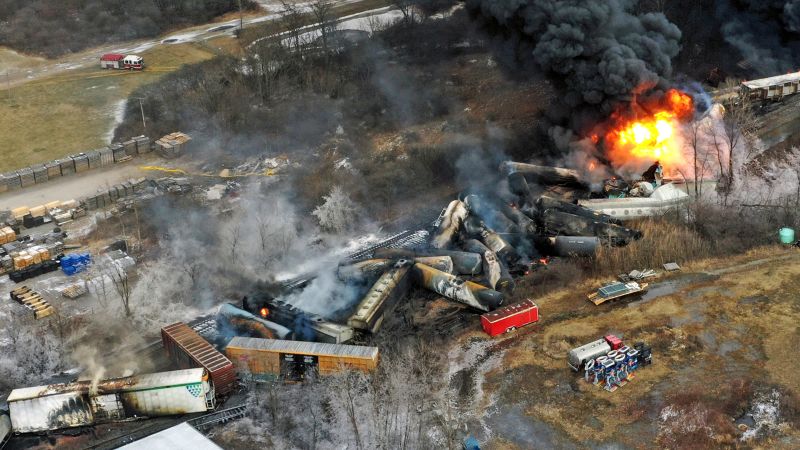
Norfolk Southern has reached a $310 million settlement with the EPA and DOJ following a train derailment in Ohio that released over a million pounds of hazardous chemicals. The agreement, pending court approval, includes measures to improve rail safety, health monitoring, environmental monitoring, and a $15 million civil penalty. The company will also fund long-term water monitoring and community health programs. This settlement follows a separate tentative $600 million agreement to resolve lawsuits from affected residents and businesses. The NTSB continues to investigate the derailment's cause, focusing on a failed wheel bearing.
Officials are working to identify and contain environmental pollutants leaking into the Patapsco River following the collapse of the Key Bridge in Baltimore. The container ship Dali was carrying 764 tons of hazardous materials, including corrosive and flammable liquids and lithium ion batteries. A sheen on the river has been observed, but the exact source is unknown. Efforts to contain leaks include placing sorbent and hard containment booms around the crash site. The local fishery and nearby communities may be affected, and there are concerns about potential environmental impacts from the cleanup efforts.
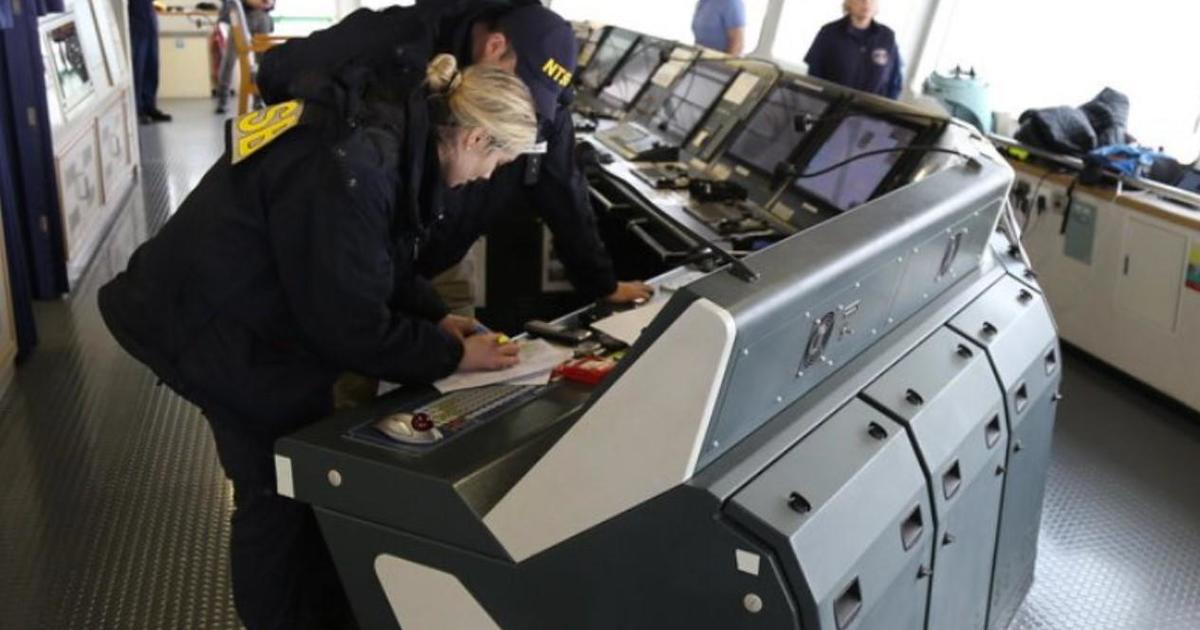
The National Transportation Safety Board (NTSB) revealed that police had just 90 seconds to stop traffic and evacuate people from Baltimore's Francis Scott Key Bridge before it collapsed due to a cargo ship collision. The ship, DALI, was carrying 764 tons of hazardous materials, including corrosive and flammable substances, some of which leaked into the Patapsco River. The bridge collapse has halted shipping in and out of Baltimore's port, and the search for four missing individuals has shifted from a rescue to a salvage effort. Governor Wes Moore has requested federal funds for rebuilding the bridge, but the cost and timeline remain uncertain.
U.N. agencies warn that e-waste, including discarded electronics, is accumulating globally with low recycling rates and is expected to increase further due to higher consumption and limited repair options. The report reveals that only 22% of e-waste was properly collected and recycled in 2022, with the percentage expected to drop to 20% by 2030. Hazardous elements and rare Earth metals in electronic devices pose environmental and health risks. While recycling and collection rates are higher in Europe, they are significantly lower in Asia and Africa. The report emphasizes the need for sound regulations to boost e-waste collection and recycling, while also acknowledging the livelihoods of those who rely on harvesting e-waste in the developing world and the importance of making their work safer.
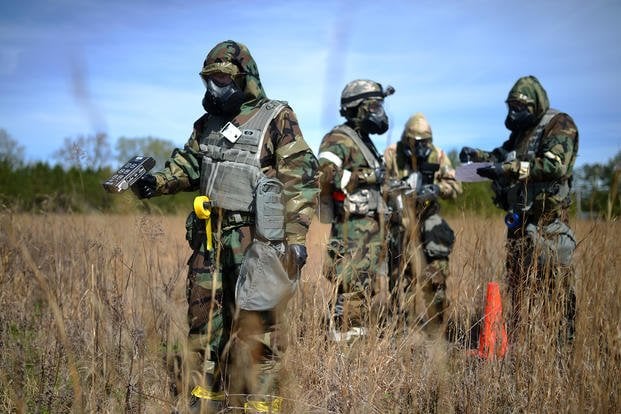
Millions of U.S. veterans will become eligible for VA health care starting March 5 under an accelerated effort to provide benefits and services to those exposed to toxic substances while serving. This expansion, mandated by the PACT Act, includes veterans who served in combat zones since the Vietnam War and those exposed to hazardous materials during training or operations. The VA aims to enroll these veterans in health care earlier than the 2032 deadline set by the law, providing access to toxic exposure screenings and specialty care if needed. The department is also increasing its workforce to meet the anticipated demand for services.
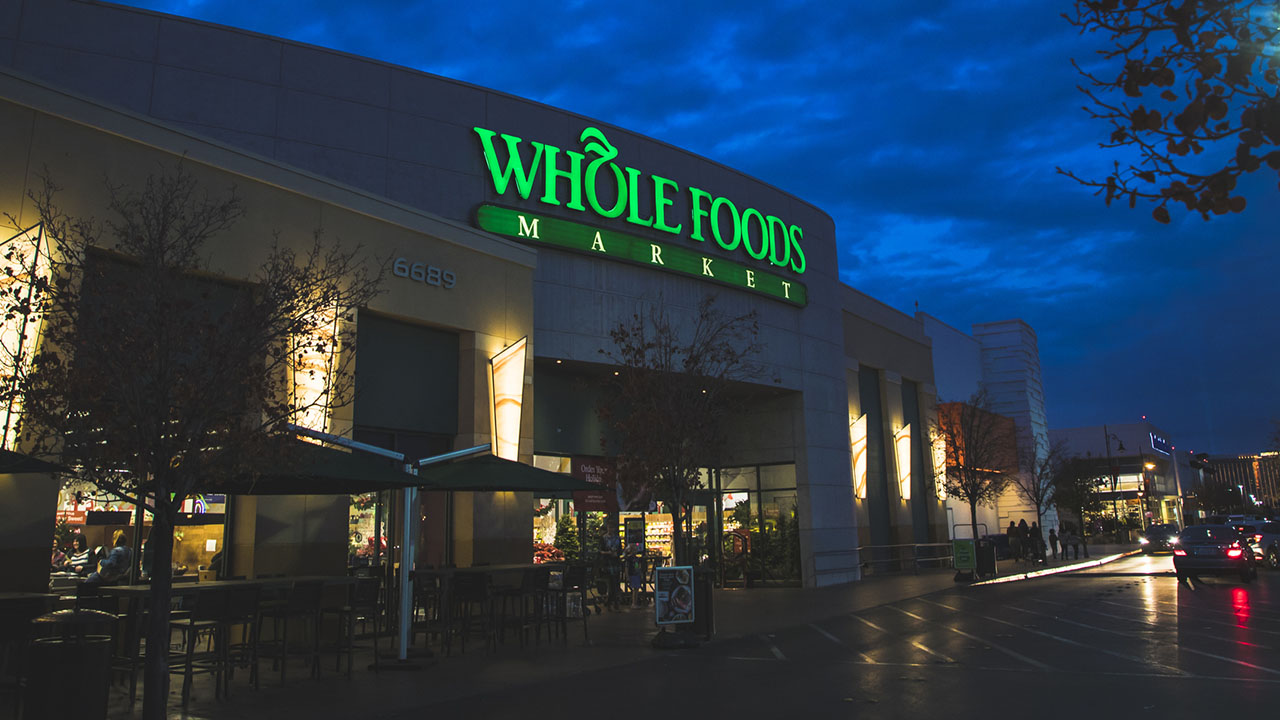
Four people were hospitalized and two others evaluated after a hazardous materials incident at a Clearwater Whole Foods, caused by the mixing of two cleaning chemicals. The grocery store was evacuated and fire crews responded to the scene, with the store reopening for customers later in the evening.
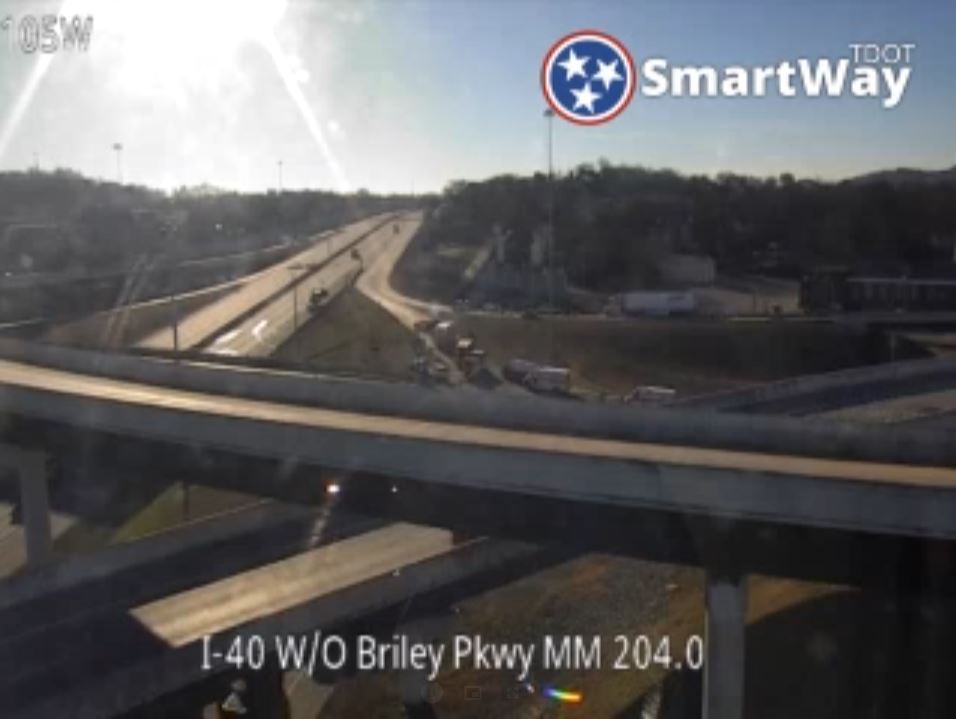
Interstate 40 westbound in West Nashville has reopened after a vehicle fire involving a semi-truck carrying hazardous materials, including low grade radioactive waste, was reported and subsequently extinguished with no reported injuries. The incident prompted the closure of all westbound lanes while authorities worked to clear the roadway.
Elon Musk's brain-implant company Neuralink was fined for violating U.S. Department of Transportation rules regarding the movement of hazardous materials, including improper packaging of flammable liquid Xylene. The company was fined $2,480 for the violations, which were discovered during inspections of its facilities in Texas and California. The violations were confirmed by the Pipeline and Hazardous Materials Safety Administration, and the inquiry is now closed. The records detailing the violations were obtained through an open records request by an advocacy group, which had previously raised concerns about the company's transportation of brain implants used in monkey experiments without proper containment measures.