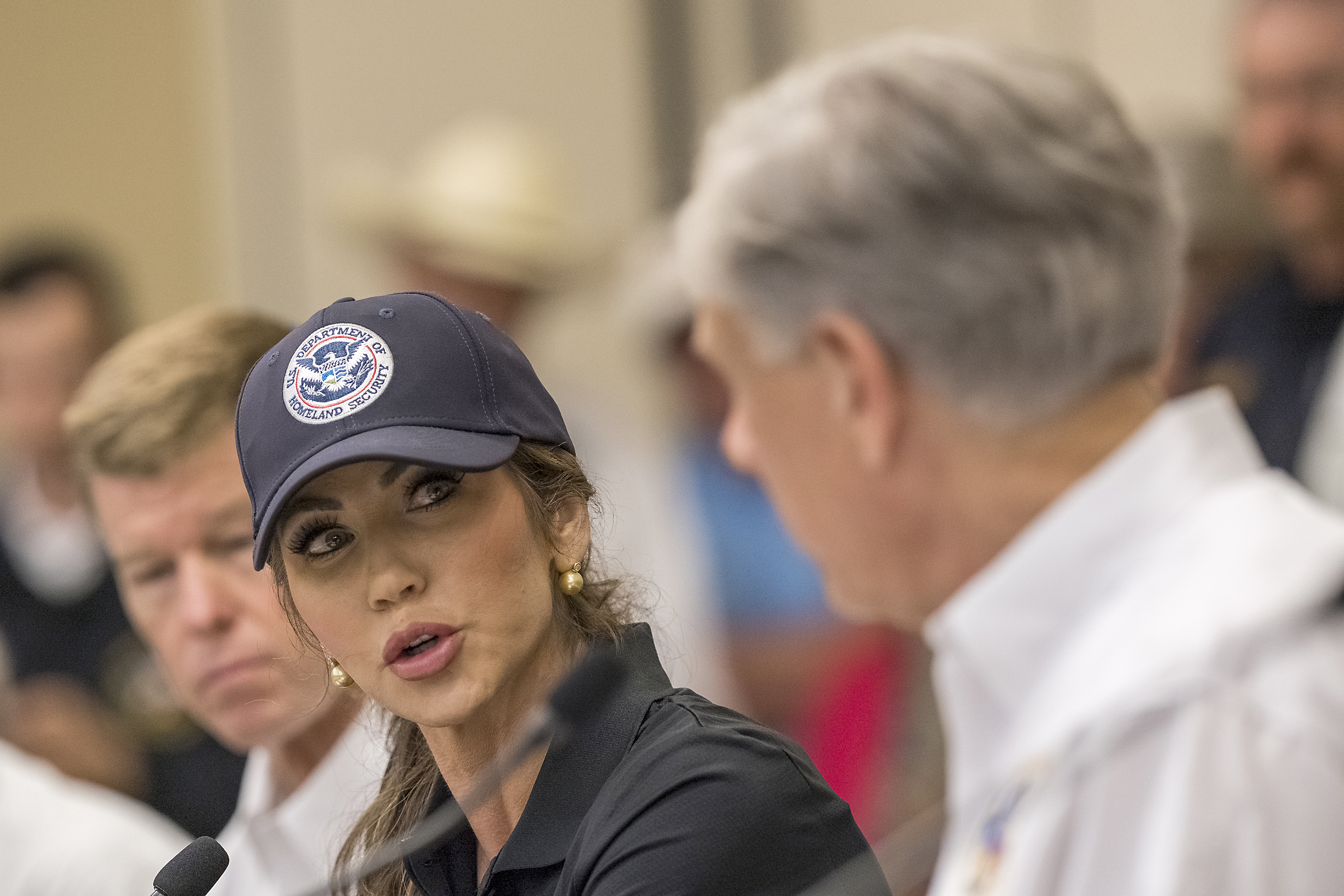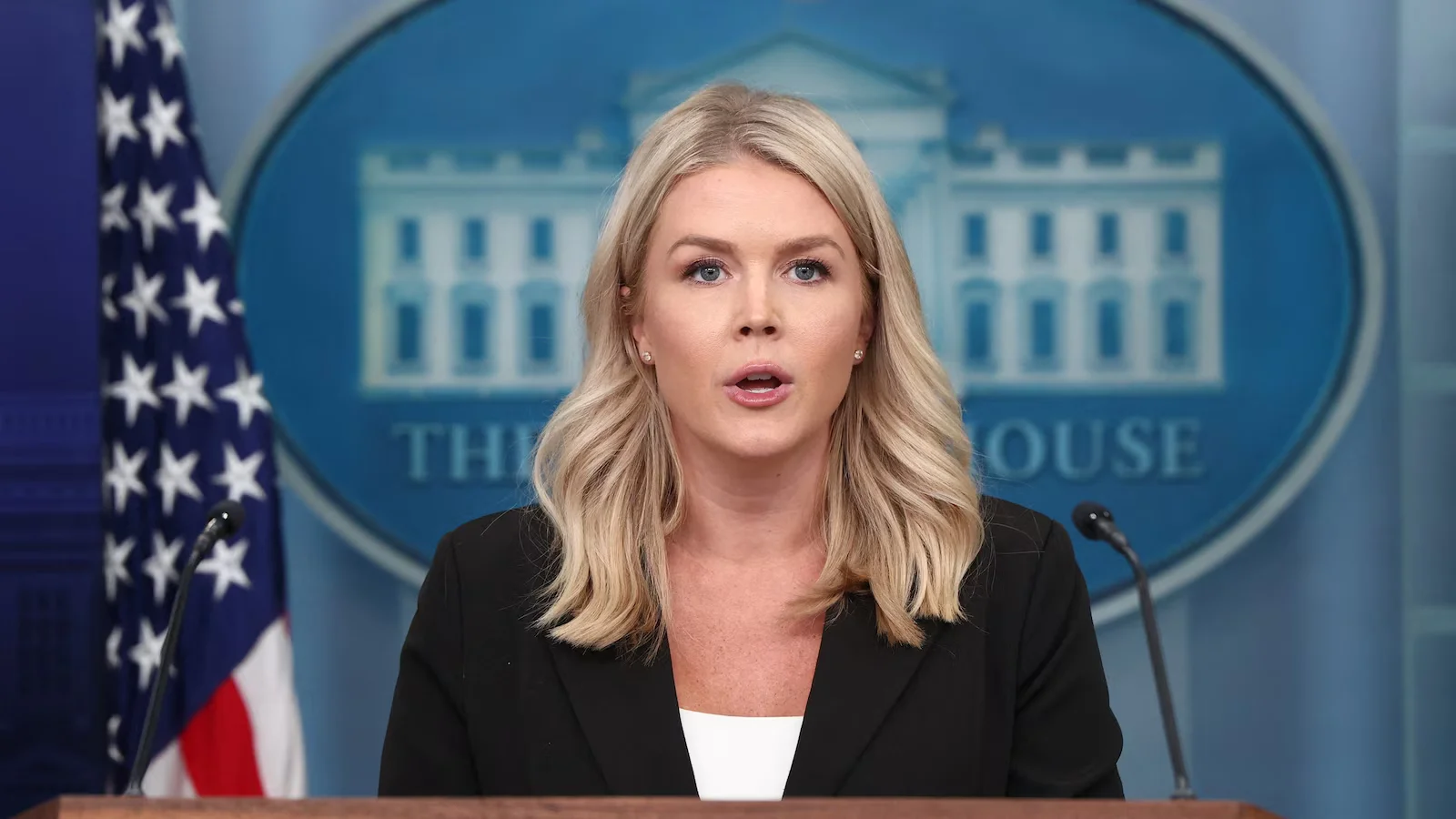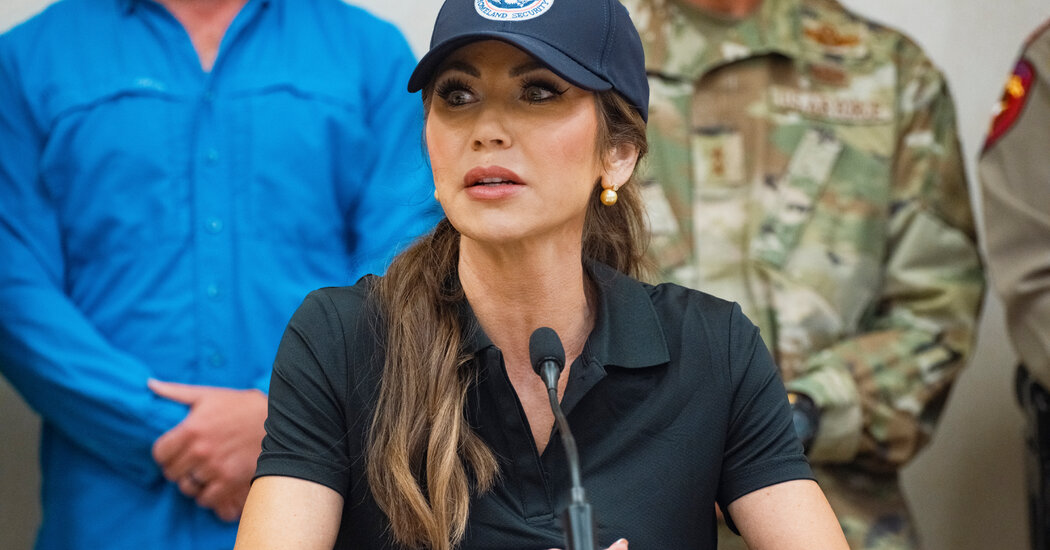
Homeland Security Secretary Kristi Noem defended FEMA's response to the Texas floods, denying reports of staffing issues and criticizing political attacks, while highlighting efforts to reform the agency amid calls for its overhaul.
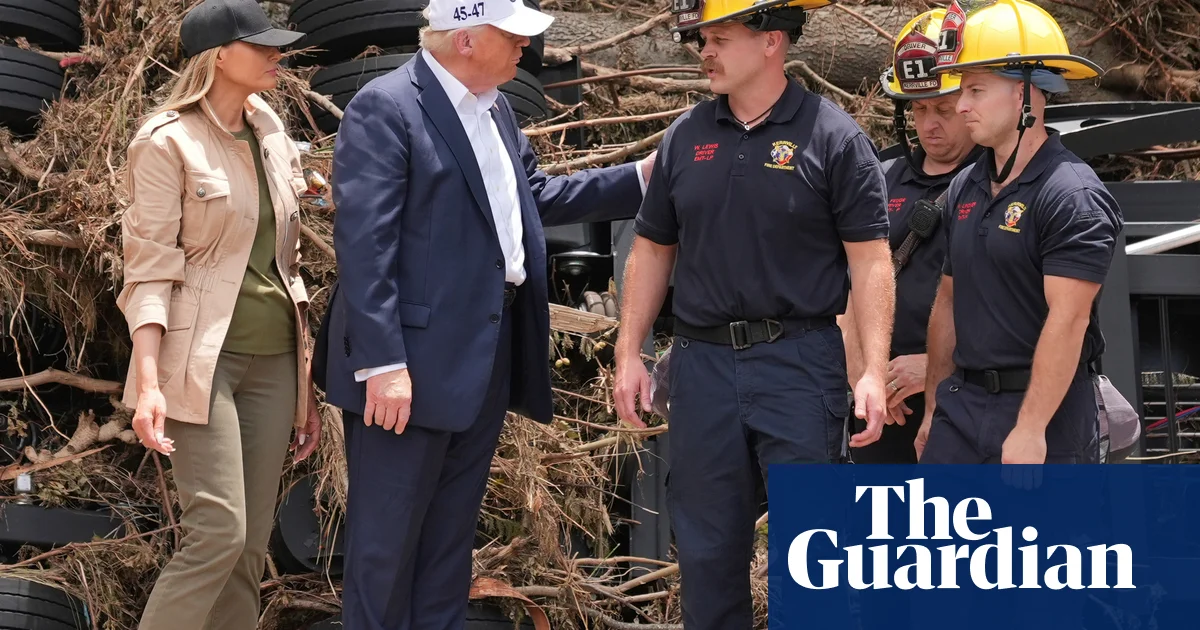
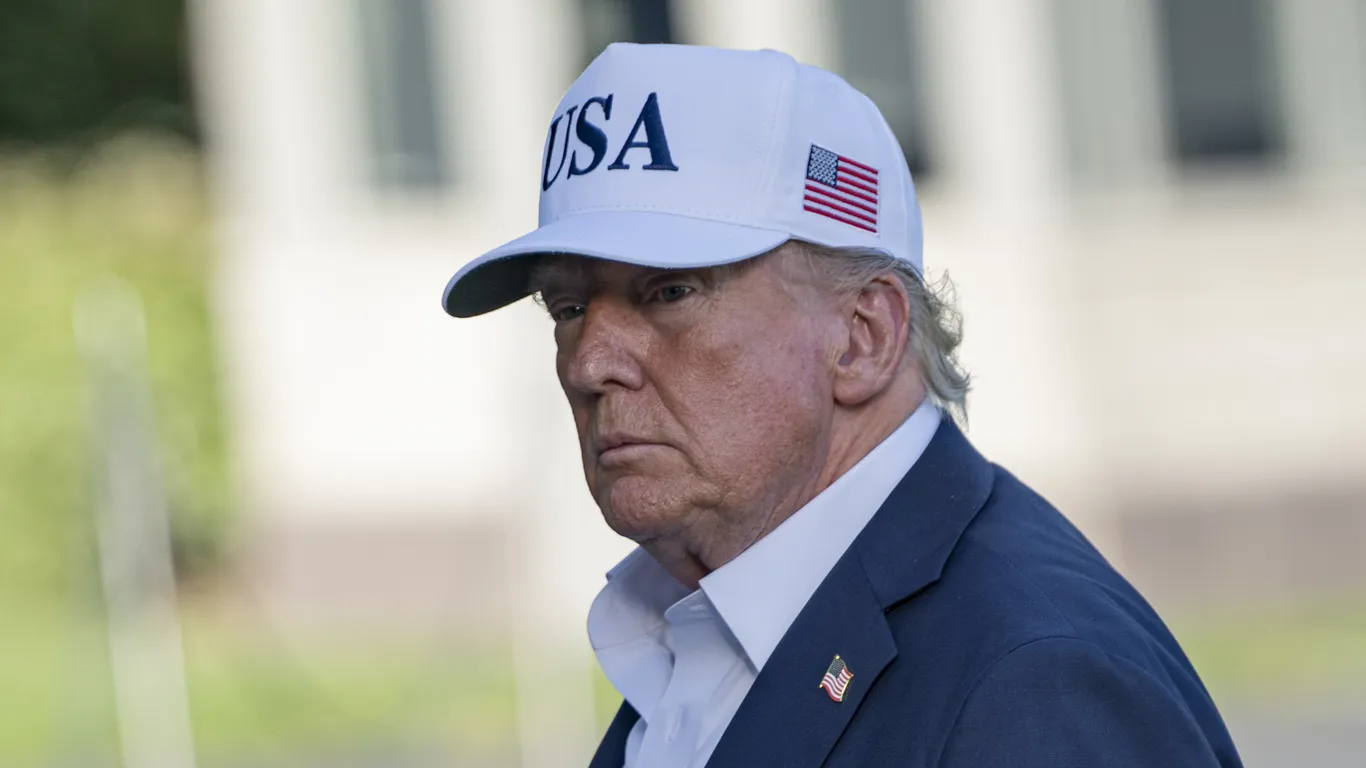
During a visit to Texas flood-affected areas, Donald Trump praised the response efforts and officials, while remaining silent on his previous plans to abolish FEMA, amid ongoing discussions about reforming the agency and the federal government's role in disaster relief.
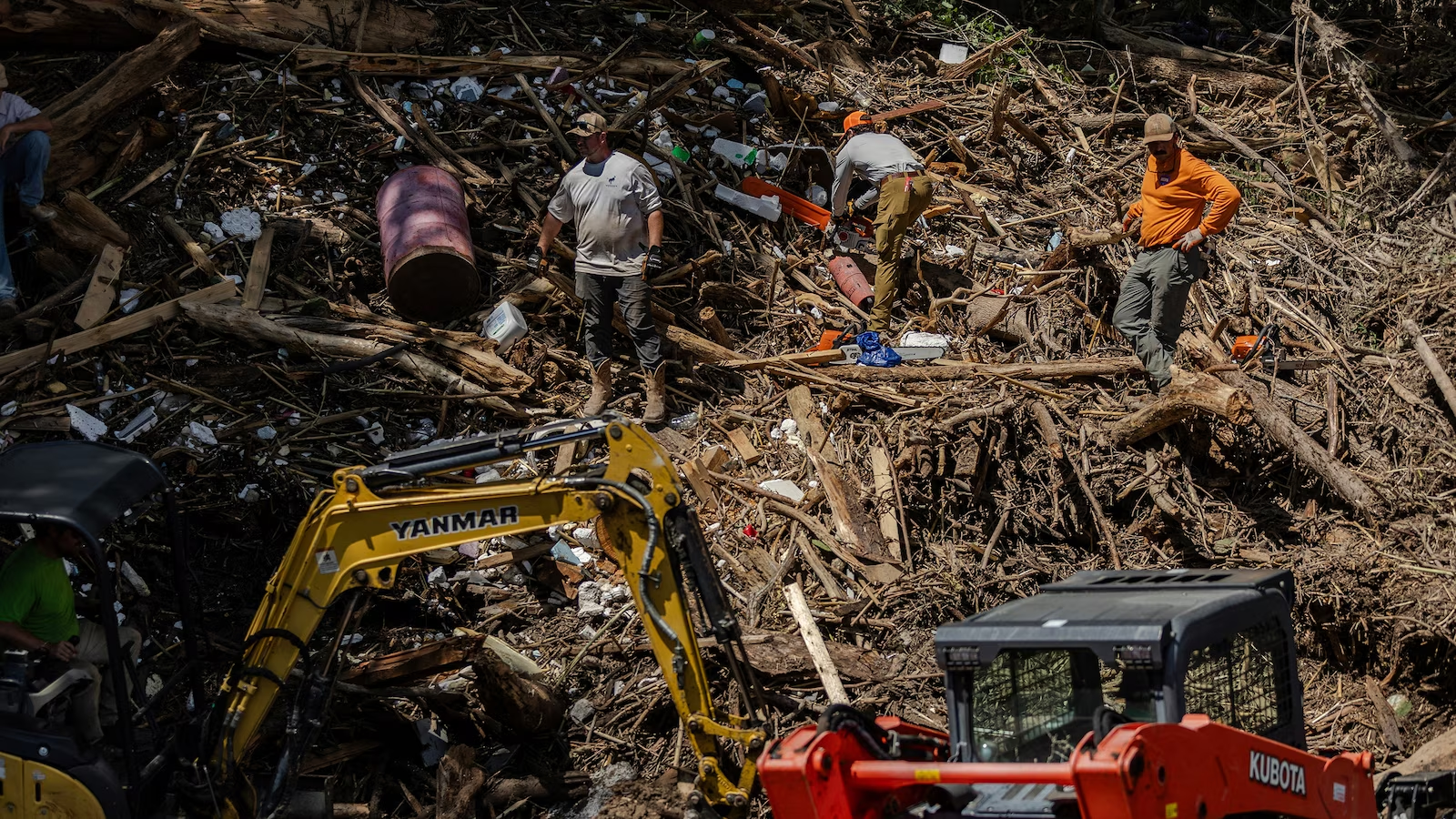
Amid severe flooding in Texas, a dog named Superman was rescued from debris and is now helping raise awareness for pet rescue efforts, highlighting the resilience of animals and the importance of human-animal bonds during disasters.
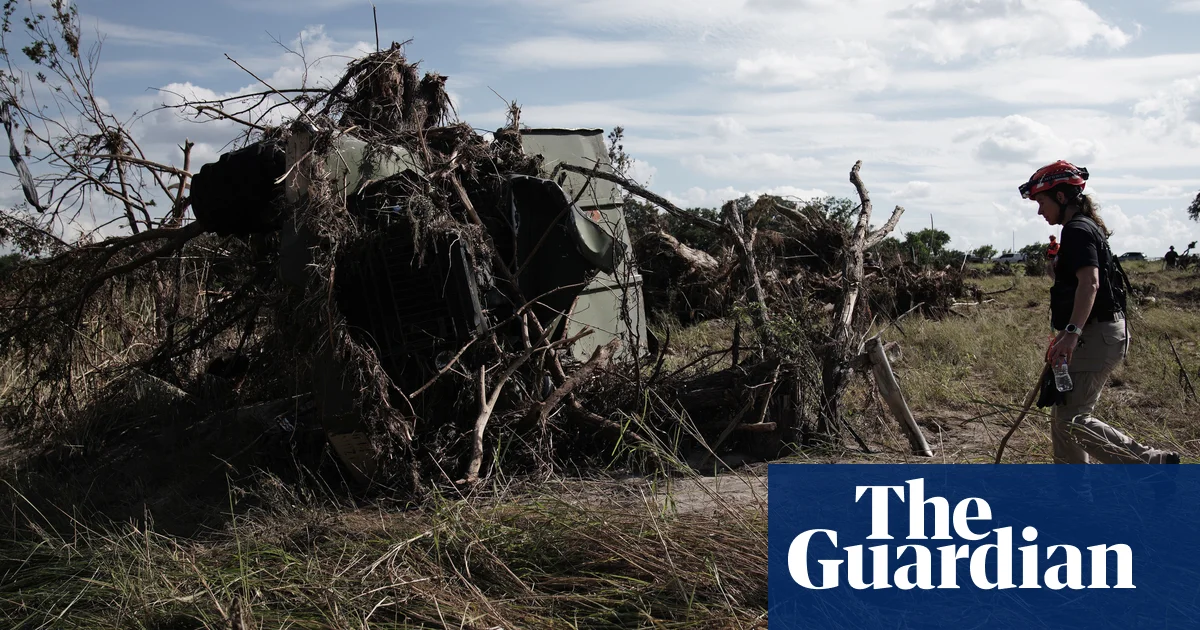
President Trump and Melania Trump visited flood-affected areas in Texas to meet with emergency workers and survivors amid scrutiny over disaster preparedness and response, as search and rescue efforts continue for missing persons after severe flooding that caused over 120 deaths.
Elected leaders express concern that potential budget cuts to FEMA and NOAA could weaken the US government's ability to respond effectively to major weather events, amid ongoing debates about the future of federal emergency response agencies following recent flooding in Texas.
FEMA acting administrator David Richardson has not made public appearances or statements during the Texas flooding response, raising concerns about leadership and coordination, with Homeland Security Secretary Kristi Noem taking a more prominent role in the disaster response.
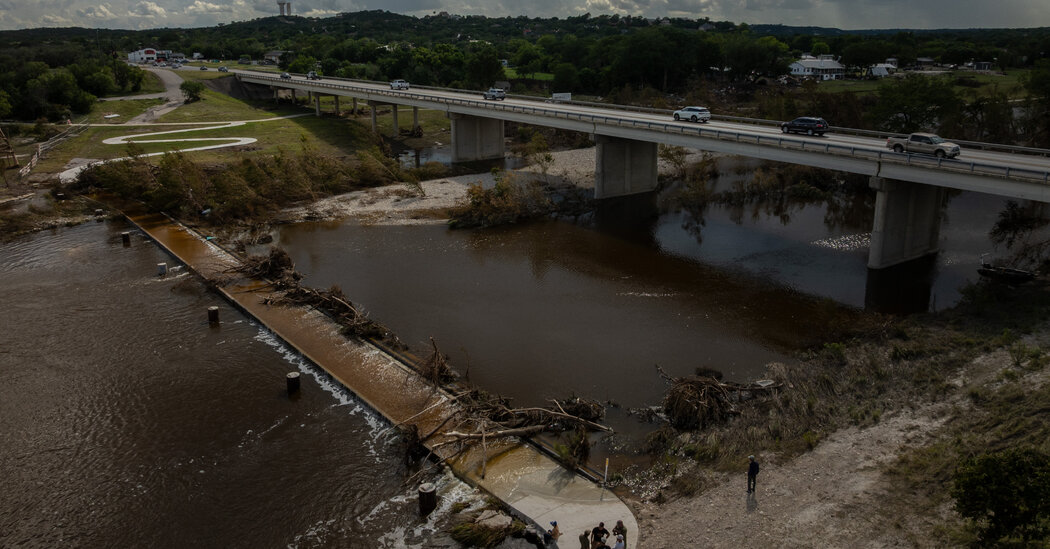
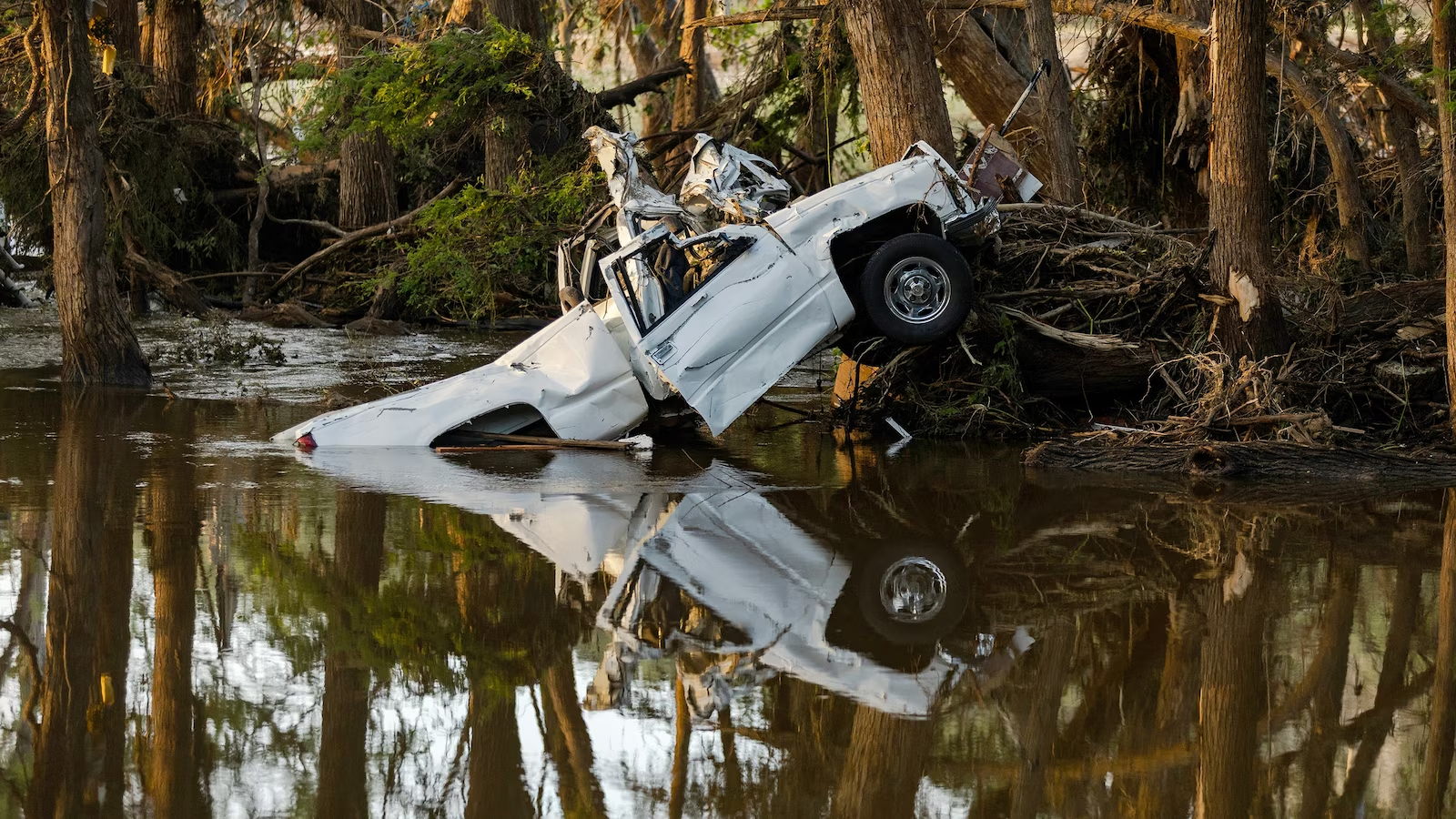
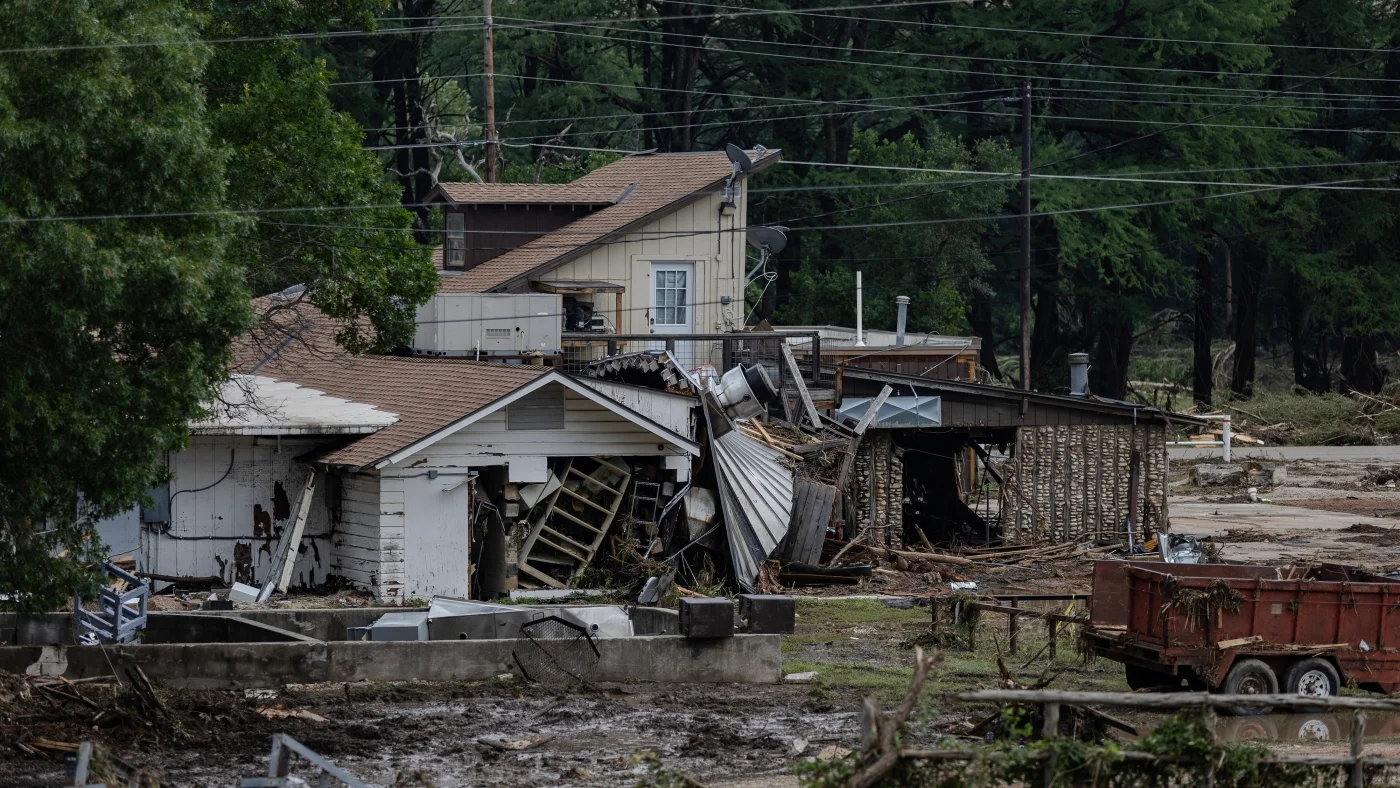
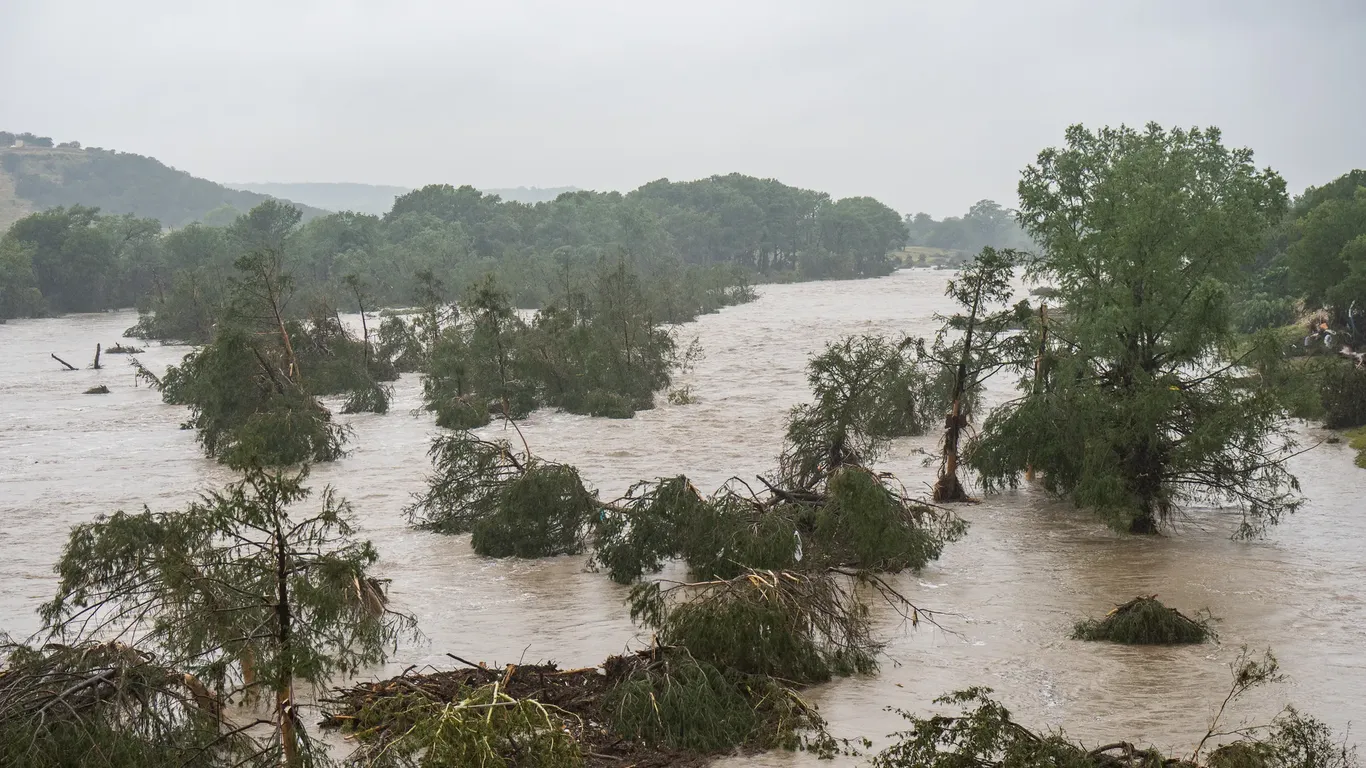
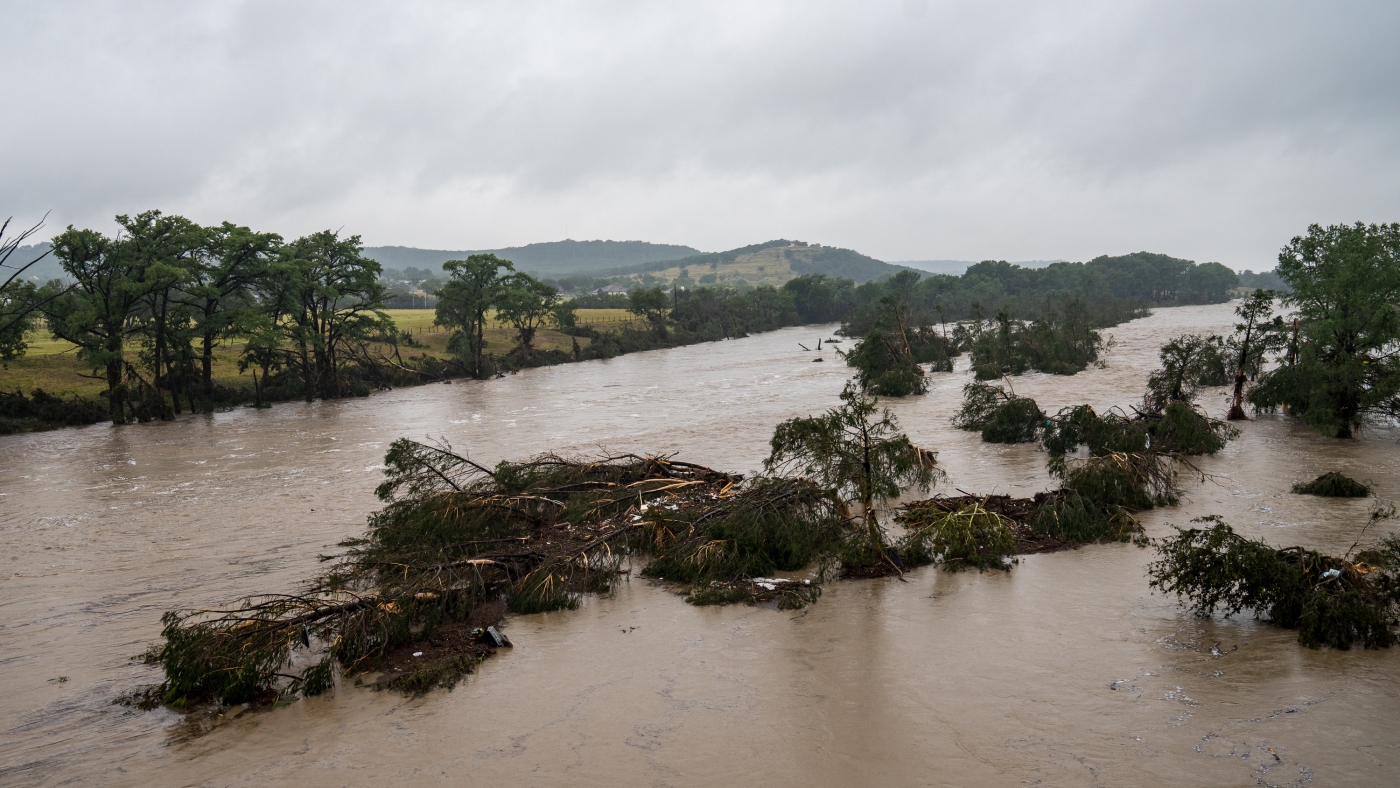
The Texas flooding has resulted in at least 119 deaths, with ongoing search and rescue operations. Controversy surrounds the delayed emergency alerts and lack of outdoor sirens, raising questions about the government's warning systems amid the disaster. Federal aid has been deployed as recovery continues.
Local officials in Kerr County, Texas, avoided answering key questions about their response to the deadly flooding, including the timeline of emergency alerts, as the death toll rose to 110 with 173 still missing. Despite ongoing rescue efforts involving the National Guard, helicopters, and drones, officials focused on recovery, refusing to disclose details about the emergency management response or preparedness.
Virginia Governor Glenn Youngkin's family was rescued from severe flooding in Texas during the July 4th weekend, with Youngkin praising the swift emergency response and expressing solidarity with Texas in the aftermath of the devastating event that caused over 110 deaths and left many unaccounted for.
Senator Ted Cruz, who recently cut $150 million from NOAA funding aimed at improving weather forecasts, was on vacation in Greece when deadly flooding struck Central Texas. The funding cuts followed staffing reductions at NOAA, raising concerns about their impact on disaster preparedness. Cruz defended the NWS against claims that understaffing worsened the disaster and emphasized the need for a serious examination of early warning systems. Cruz returned to Texas to visit the disaster site after being criticized for vacationing during the crisis.
The White House and Senator Ted Cruz defended the National Weather Service amid criticism over its handling of the Texas floods, with officials emphasizing the agency's efforts and timing of alerts, while political figures called for investigations into potential staffing impacts and avoided partisan blame during the tragedy.
At least 82 people have died in Texas due to severe flash flooding, with ongoing recovery efforts and questions about warning systems. Meanwhile, U.S. and Israeli leaders are discussing a Gaza ceasefire, and President Trump announced new tariff rates to be implemented in August. Additionally, FICO will now include buy-now, pay-later loans in credit scores, and health innovations like continuous glucose monitors are gaining prominence. The news also covers North Korea's new coastal resort and a notable murder trial in Australia.
The Trump administration defended the staffing levels of the National Weather Service amid criticism following catastrophic flooding in Texas that resulted in at least 80 deaths, asserting that staffing did not impact the storm's forecast or response, despite concerns from meteorologists and officials about staffing shortages and forecast accuracy.
Scientists warn that the Texas flooding tragedy exemplifies how climate change is increasing the frequency and severity of extreme rainfall events, with experts emphasizing the need for better forecasting and preparedness as such events are expected to become more common in the future.
Heavy rainfall in Texas caused catastrophic flooding with at least 78 fatalities, catching many by surprise despite warnings from the National Weather Service, highlighting challenges in predicting complex weather systems and concerns over staffing cuts at the NWS.