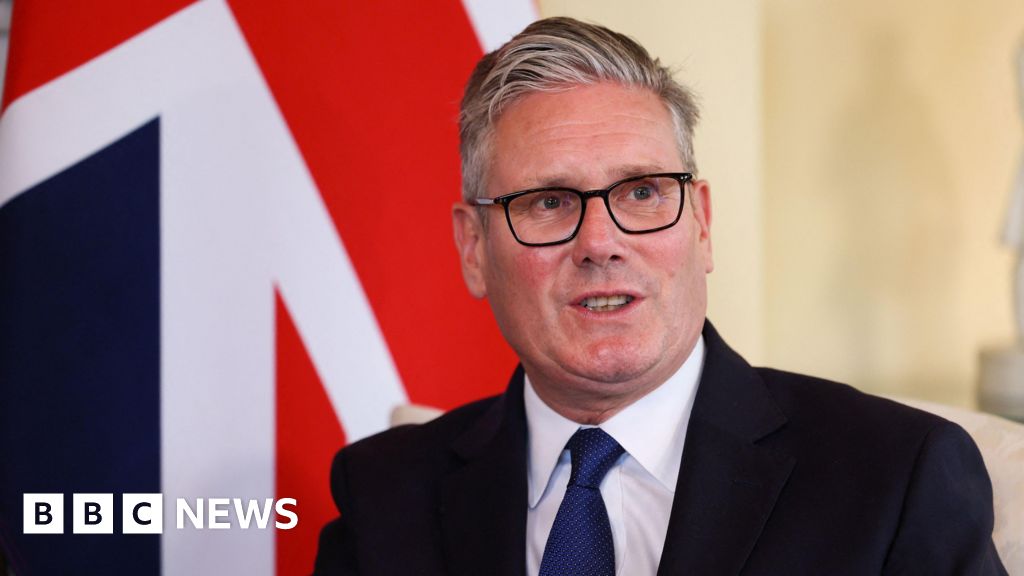
A former aide to the UK Prime Minister criticizes the increasing power of lawyers, activists, and regulators, arguing that it hampers politicians' ability to deliver on promises and suggesting reforms to streamline government processes, amid ongoing political tensions and high-profile cases like that of Egyptian activist Alaa Abd El Fattah.

Canada Post workers have initiated a nationwide strike in response to the Canadian government's call for major reforms to address financial and operational challenges, leading to service delays and concerns over job losses and delivery standards.
Albania's Prime Minister Edi Rama appointed an AI-powered virtual assistant named Diella as a symbolic minister to combat corruption and improve transparency in public procurement, aiming to set an example and potentially influence government reform, despite mixed reactions and concerns about its constitutional validity.
The article discusses how President Trump and social media have significantly disrupted the traditional US federal bureaucracy by removing thousands of federal employees and reshaping government operations, driven by a directive from the president to implement his policies swiftly and decisively.
During a visit to Texas flood-affected areas, Donald Trump praised the response efforts and officials, while remaining silent on his previous plans to abolish FEMA, amid ongoing discussions about reforming the agency and the federal government's role in disaster relief.
Texas officials are supporting President Trump's proposal to eliminate or significantly reform FEMA, arguing that the agency is slow and ineffective, while some experts emphasize FEMA's crucial role in disaster response amid increasing climate-related disasters. The administration is considering reducing FEMA's funding and scope, with proposals to streamline disaster aid and increase state responsibility, though Congress may need to act to fully eliminate the agency.
Los Angeles County is creating a new elected county executive role to replace the current administrative structure, which will be a significant change in local governance, aiming to increase accountability and reshape California politics, with the first officeholder to be elected in 2028.
Los Angeles County is preparing to establish a new elected chief executive position, dubbed the 'mayor of L.A. County,' as part of Measure G's government overhaul, which will significantly shift power from the Board of Supervisors to this new role, prompting debates about checks and balances, term limits, and the role's influence.
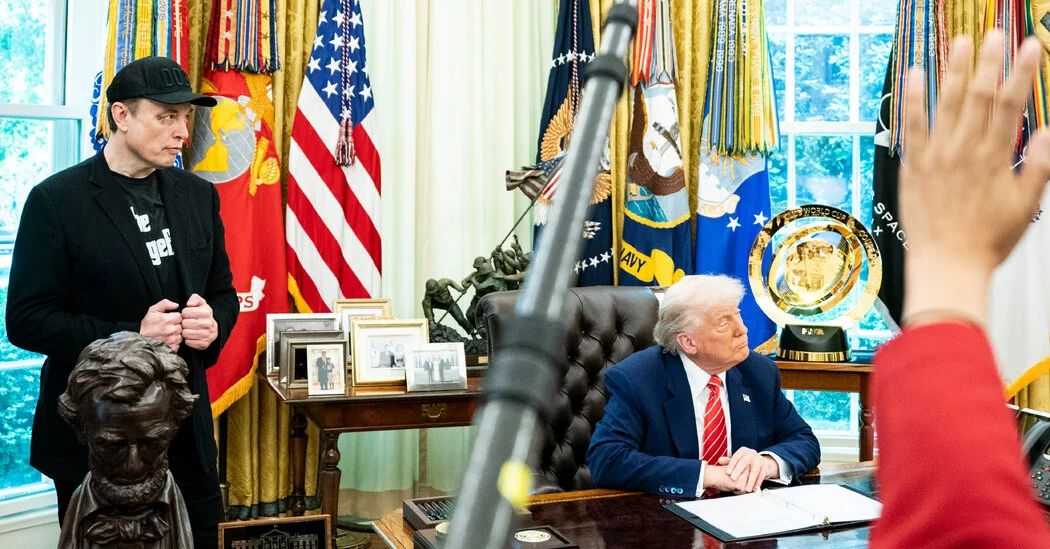
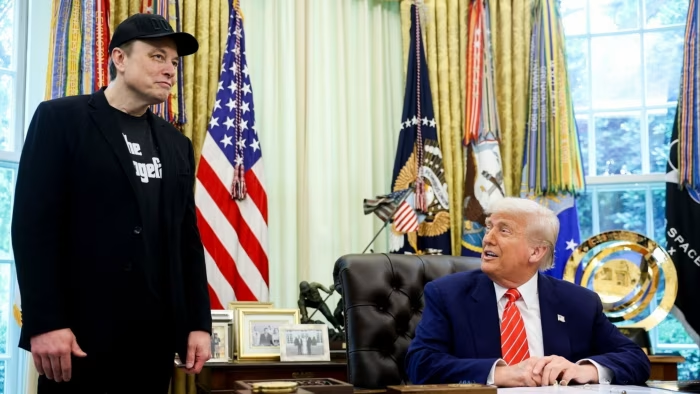
The article fact-checks claims made by President Trump and Elon Musk during a staged Oval Office event, clarifying inaccuracies about government cost-cutting initiatives, funding allocations, and legal claims, highlighting exaggerations and misrepresentations in their statements.
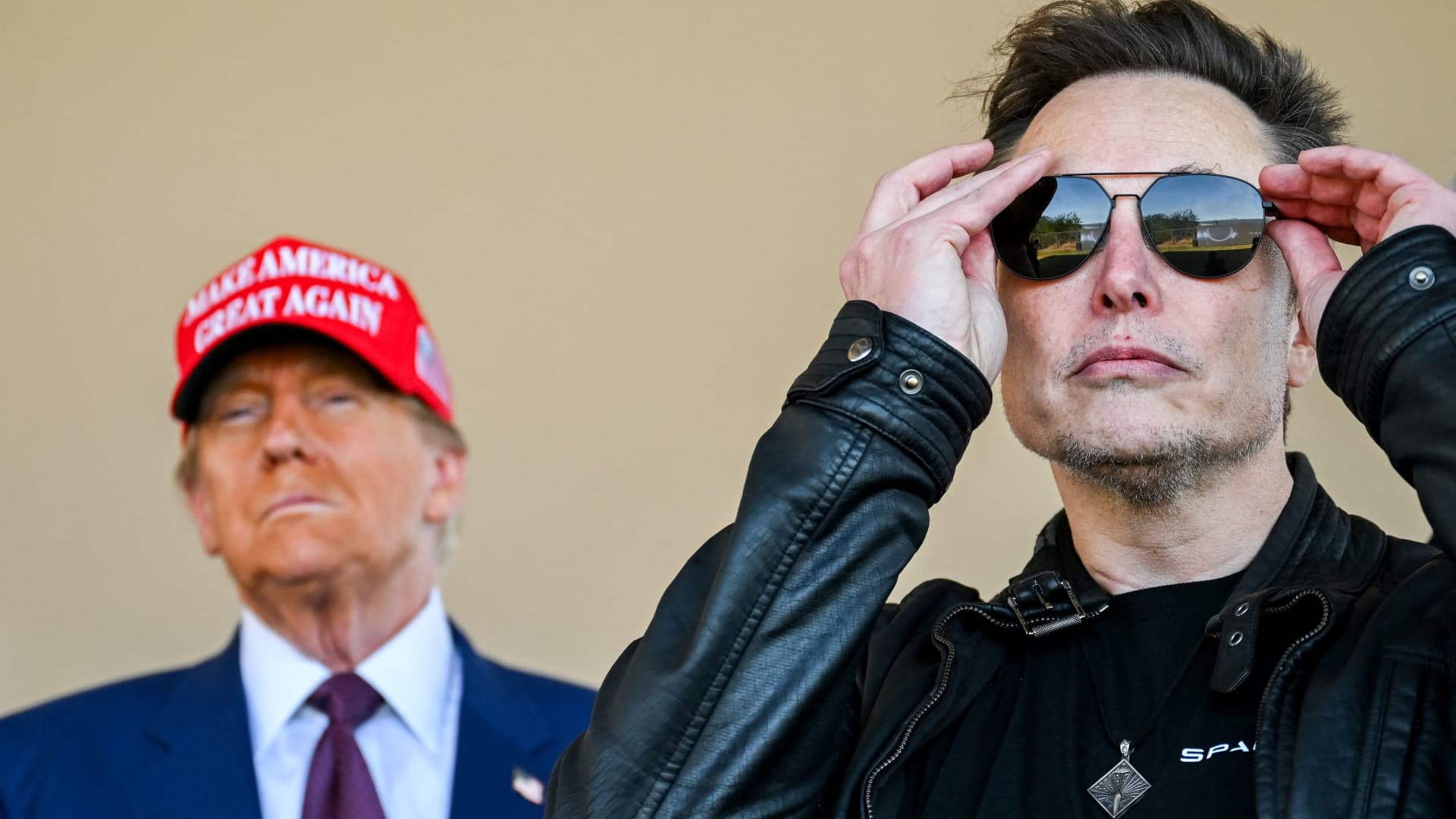
Donald Trump claimed Elon Musk remains involved with the US government, highlighting Musk's role in the now-closed Department of Government Efficiency (Doge), which aimed to cut waste and reform government. Despite Musk's departure from leading Doge, Trump emphasized his ongoing influence and future contributions, while Musk defended his record and the department's efforts to save costs, amidst some controversy and opposition.
The Senate DOGE caucus, led by Sen. Joni Ernst, is focusing on limiting telework and reforming government office use in its first meeting. Ernst's report suggests relocating federal employees, consolidating office space, and increasing transparency in government operations. The caucus aligns with the broader DOGE mission, led by Elon Musk and Vivek Ramaswamy, to reduce federal government size, though its authority is unclear. Congressional Republicans are generally supportive, but the proposals may face challenges in implementation.
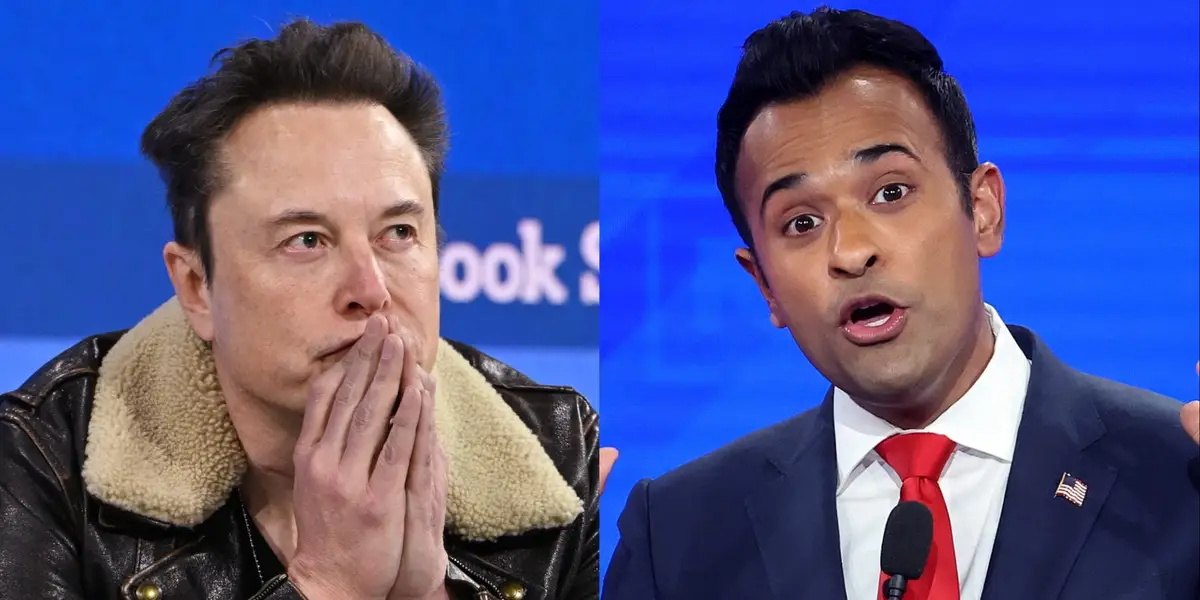
Donald Trump has appointed Elon Musk and Vivek Ramaswamy to lead the Department of Government Efficiency (DOGE) with the goal of reducing the size and influence of the federal government. Their mission includes cutting government programs, reducing staff, and slashing regulations to save half a trillion dollars. However, they face significant challenges, including resistance from Democrats, bureaucratic inertia, and civil service protections. The initiative echoes past efforts to streamline government, which have often struggled to achieve lasting change.
Elon Musk and Vivek Ramaswamy are set to meet with Republican congressional leaders on December 5 to discuss government reform, focusing on regulatory cuts and cost savings. Appointed by President-elect Donald Trump as co-chairs of the Department of Government Efficiency (DOGE), they aim to reduce the federal workforce and eliminate certain federal expenditures. Their proposals, which include cutting funds for various organizations and agencies, would require congressional approval. The meeting underscores the GOP's interest in their ideas, despite potential challenges in Congress.
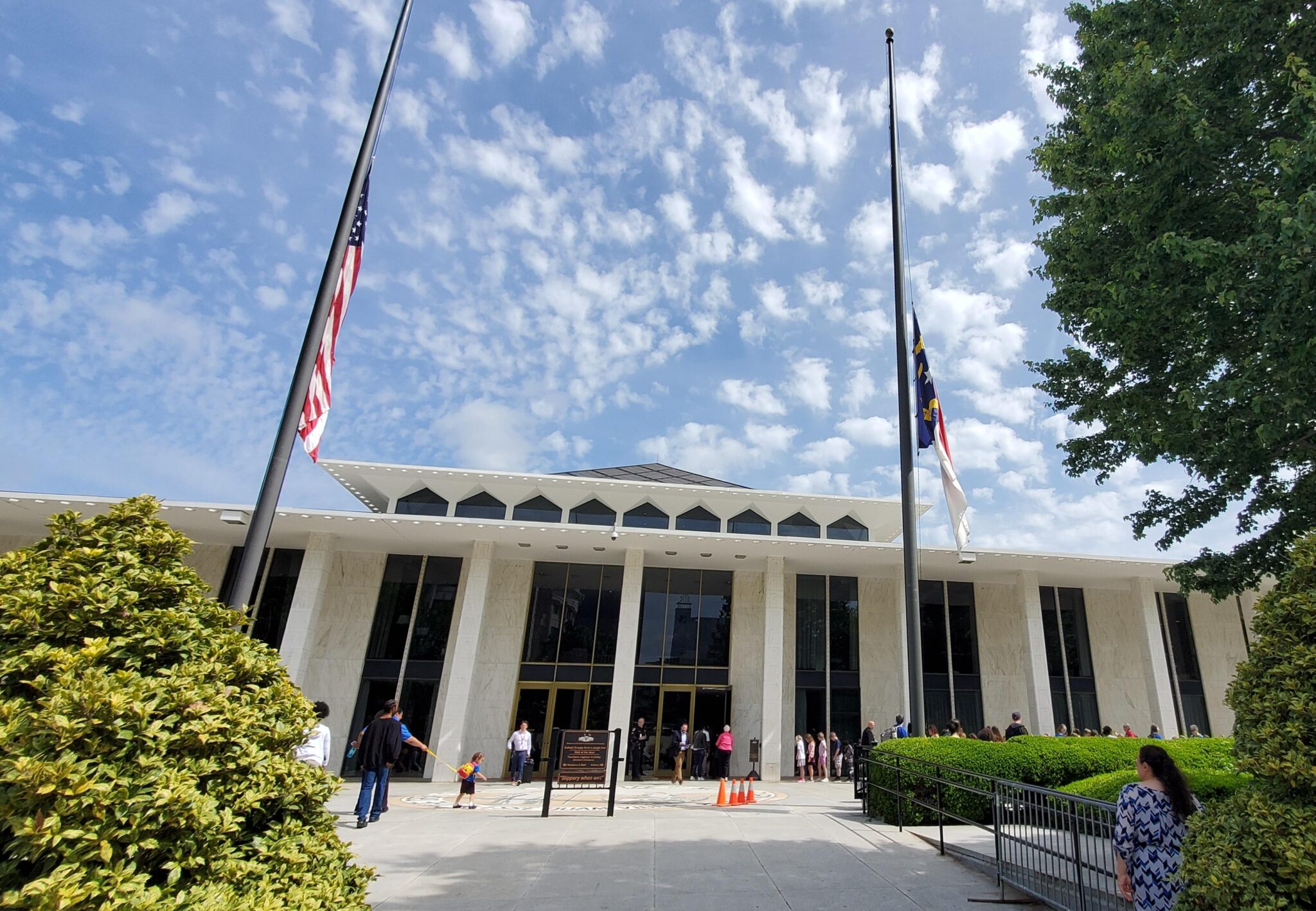
North Carolina's Republican-led legislature passed a 131-page bill, Senate Bill 382, introducing significant changes to state government structure and operations. While initially presented as hurricane relief, the bill primarily shifts power from the Democratic governor to Republican-controlled entities, affecting elections, judiciary, and various state departments. It includes controversial measures like transferring election board control to the State Auditor and limiting the Attorney General's legal authority. The bill awaits Democratic Governor Roy Cooper's decision, with potential veto challenges in the House.
Elon Musk and Vivek Ramaswamy outlined their vision for the Department of Government Efficiency (DOGE) in a Wall Street Journal op-ed, proposing $2 trillion in federal budget cuts through executive orders and court rulings, bypassing Congress. They plan to target public media, Planned Parenthood, and other programs, relying on recent Supreme Court rulings to guide regulatory rollbacks. DOGE aims to reduce the federal workforce and end by July 4, 2026, despite criticisms of potential executive overreach and feasibility.