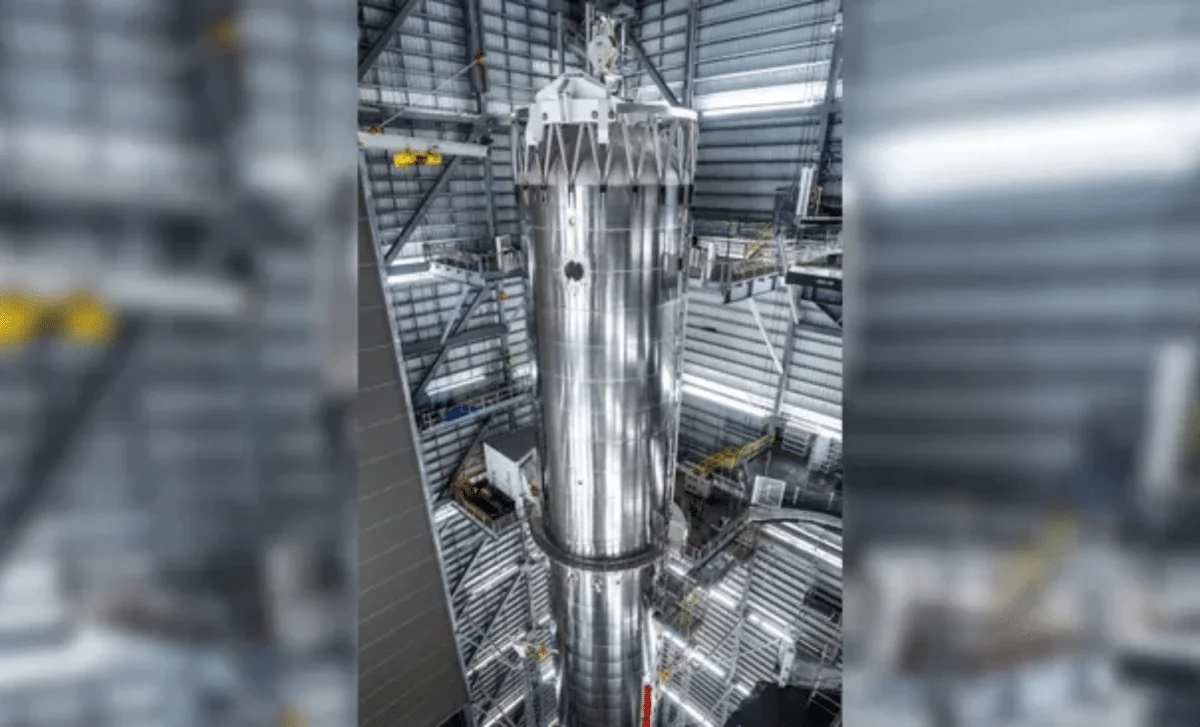
SpaceX is preparing for a historic test flight of its upgraded Starship spacecraft, featuring the new Version 3 design and a massive Super Heavy booster, marking a significant step toward its goal of Mars exploration despite recent setbacks and delays.
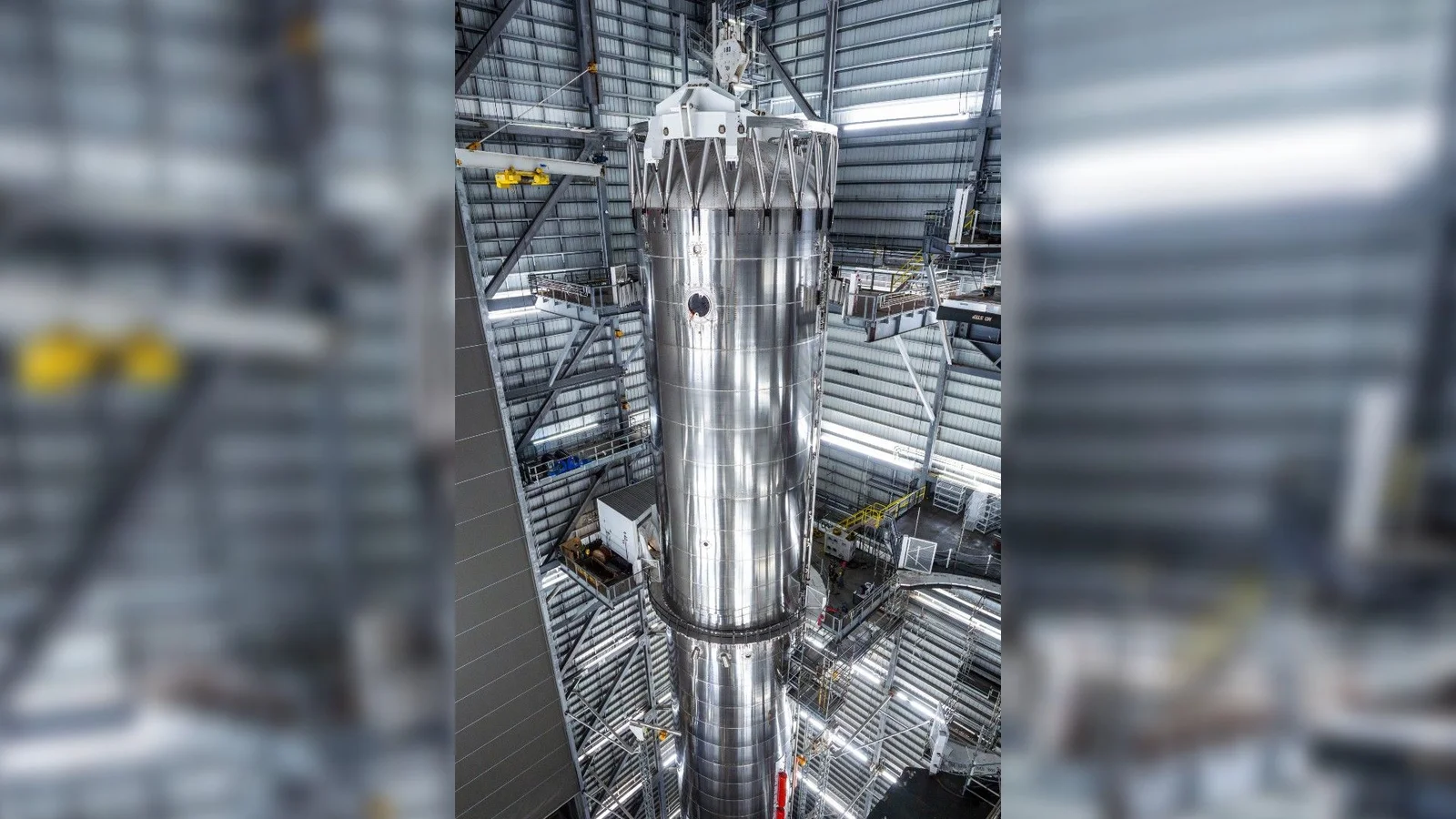
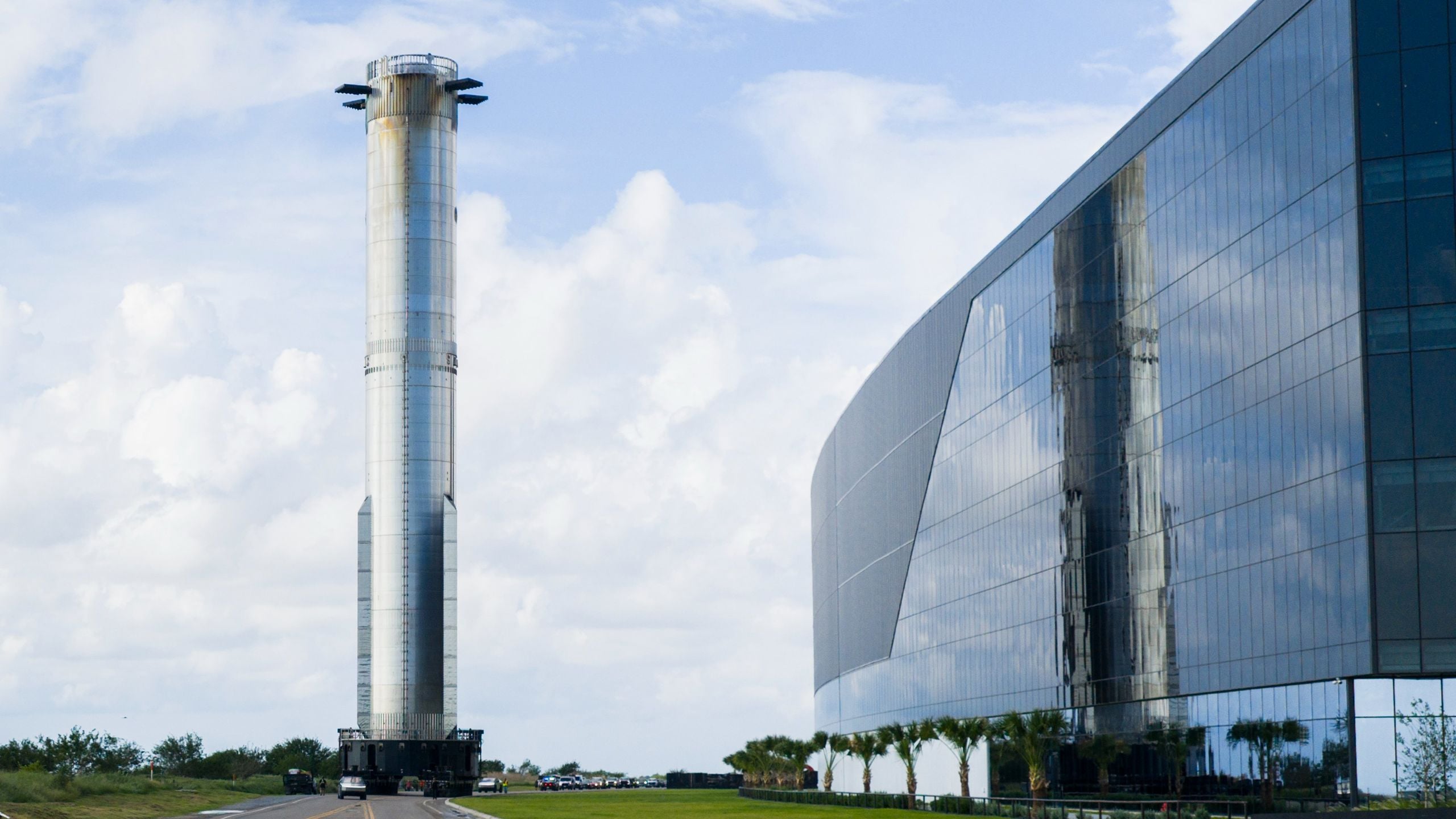
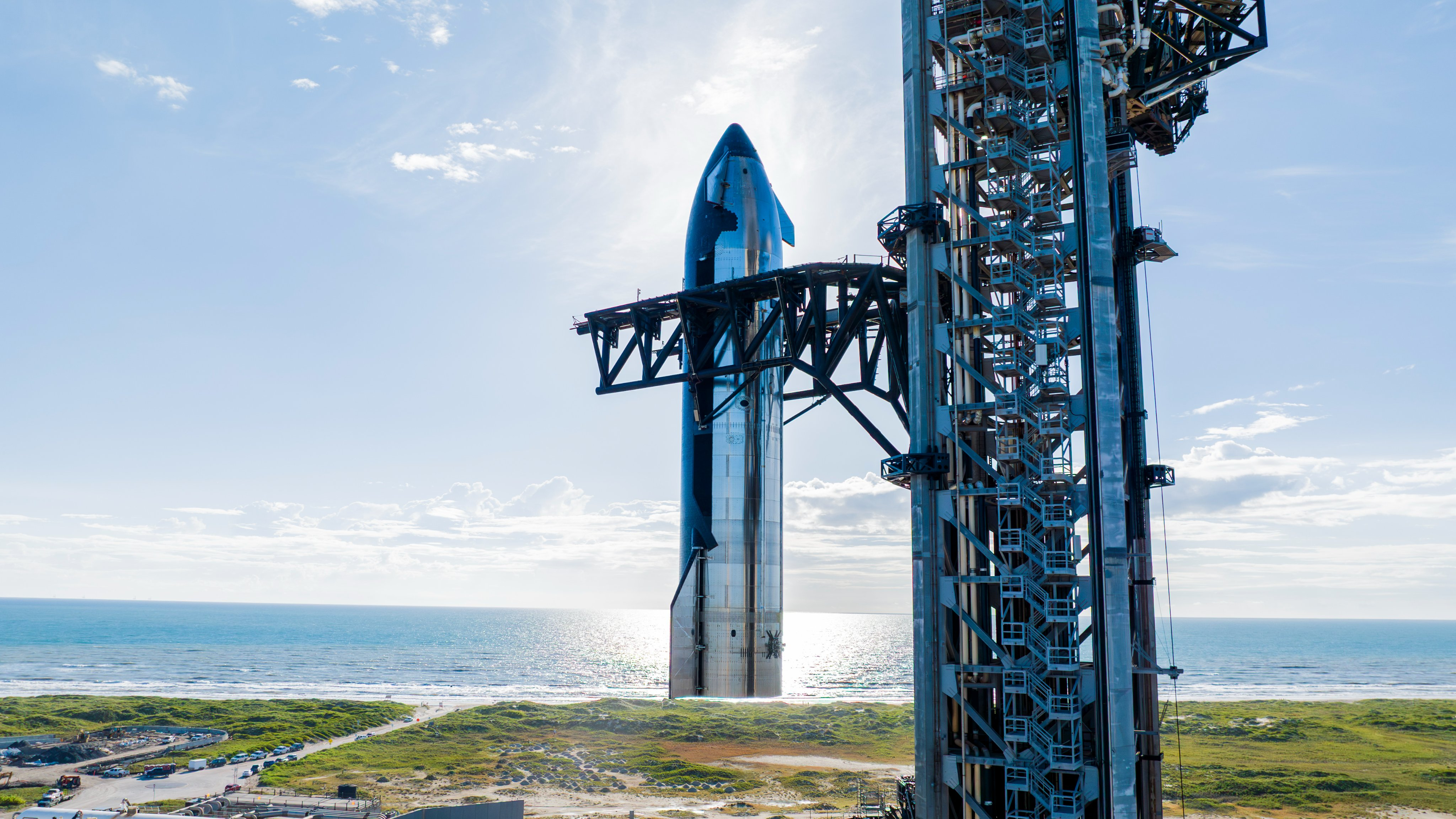
SpaceX has completed stacking its Super Heavy booster at Starbase in preparation for Starship Flight 12, aiming to test the latest version of its massive rocket, which could pave the way for future Mars missions, despite recent delays caused by booster testing issues.
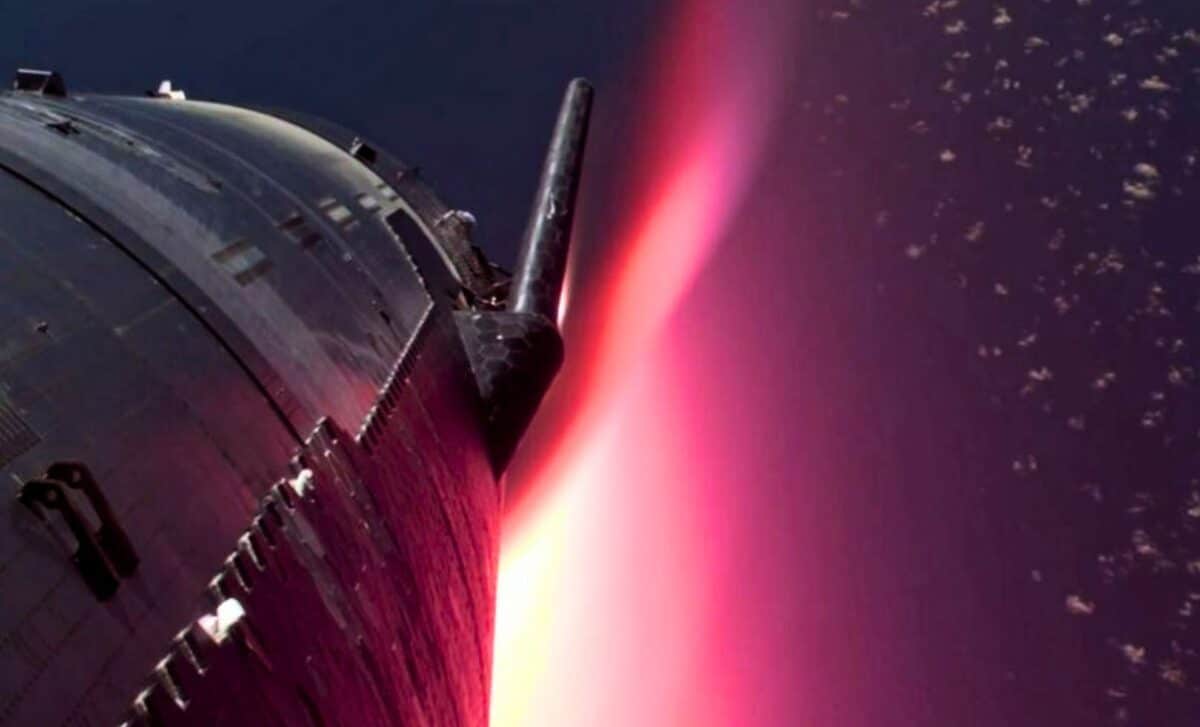
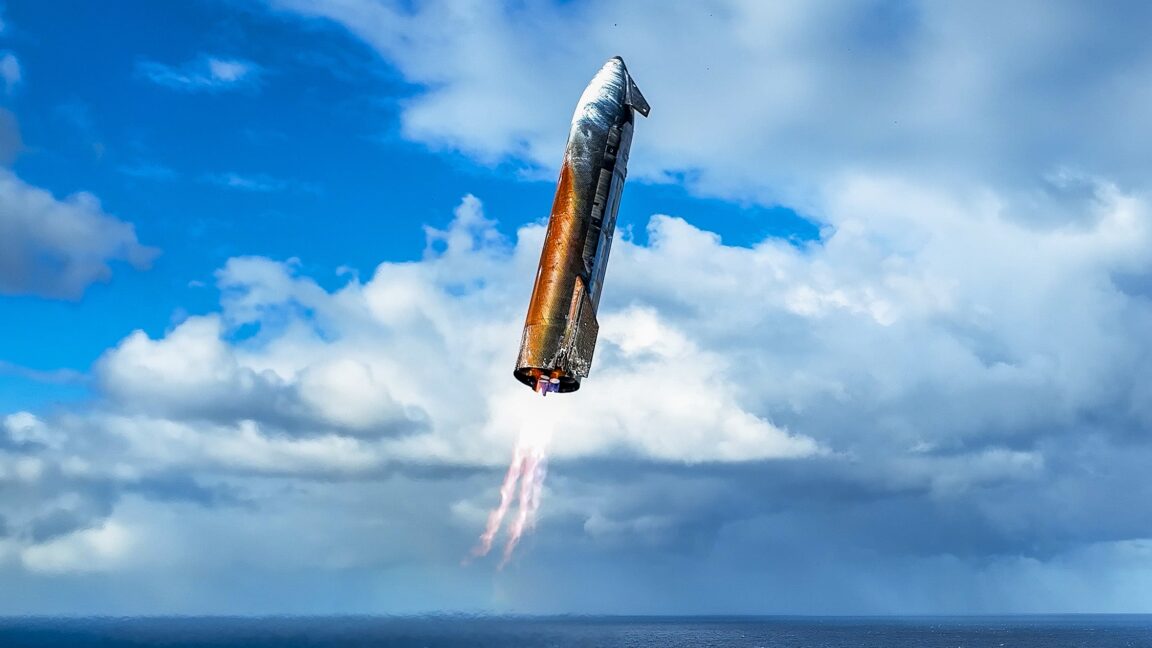
SpaceX's Starship Flight 11 was a high-risk, deliberate failure test that removed thermal tiles to stress the spacecraft's heat shield, successfully gathering critical data for future reentry and reuse. The mission also tested new booster descent strategies and in-space capabilities, marking the end of the second-generation Starship development before moving on to the more advanced Starship V3, which aims for orbital refueling and lunar missions.
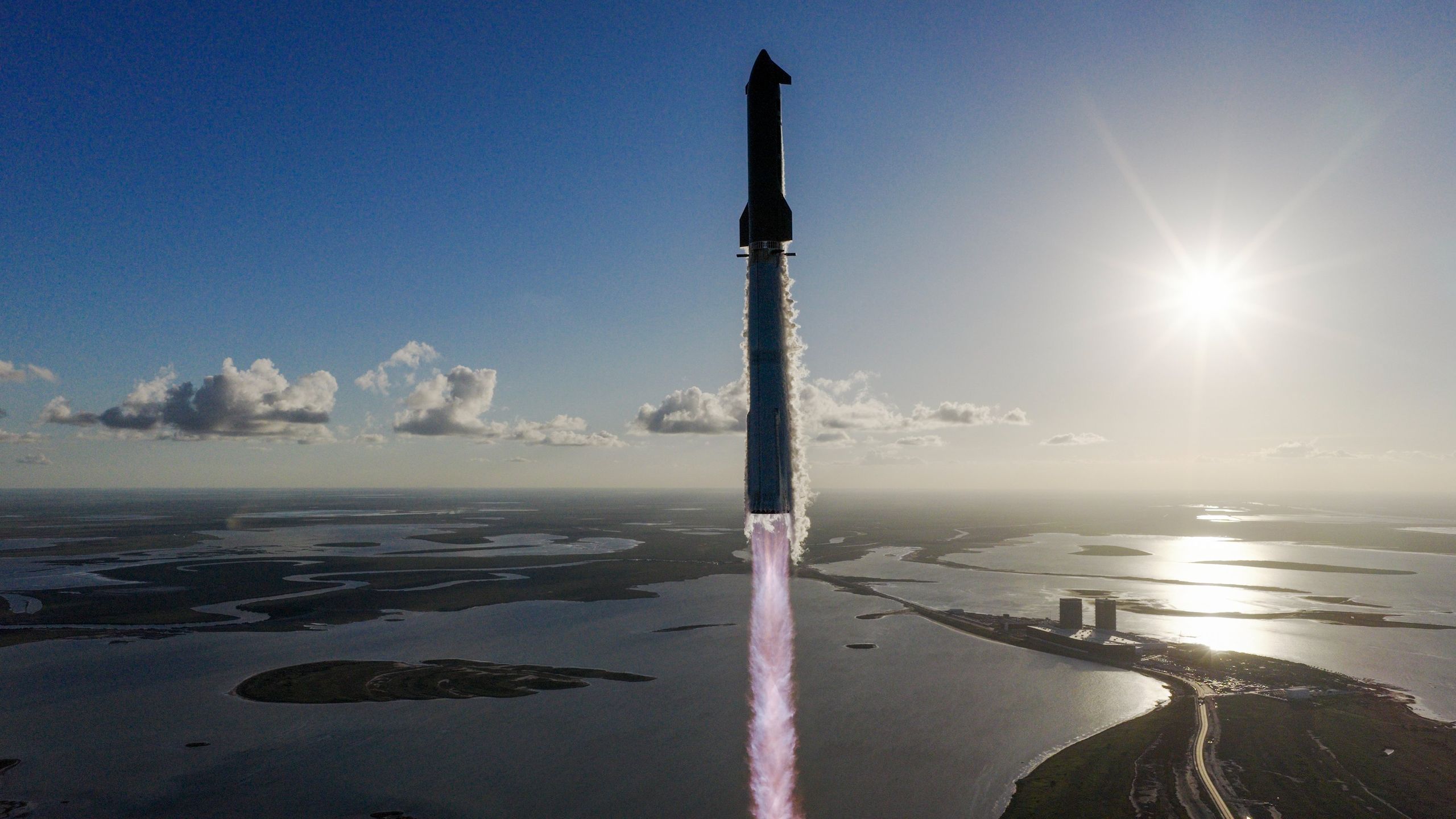
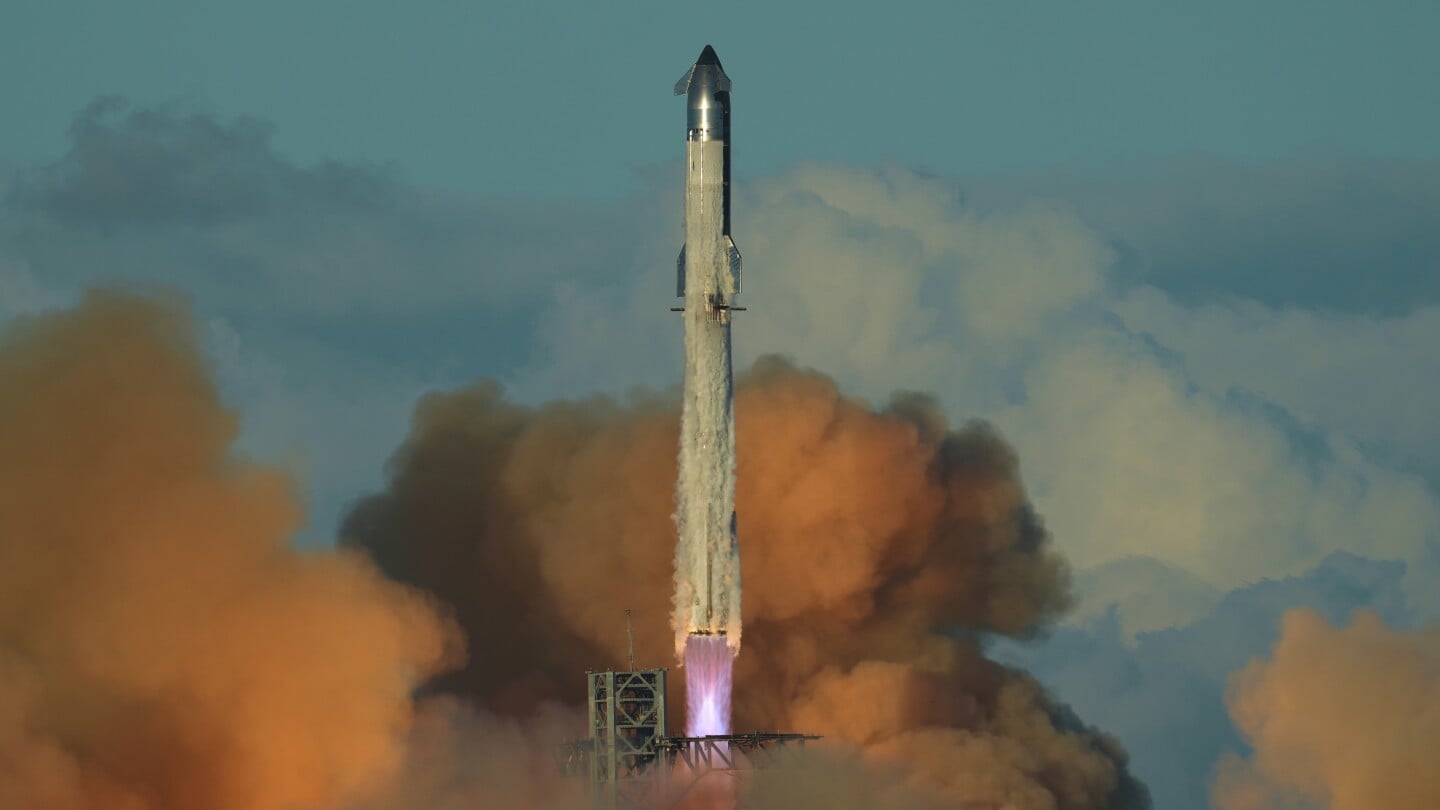
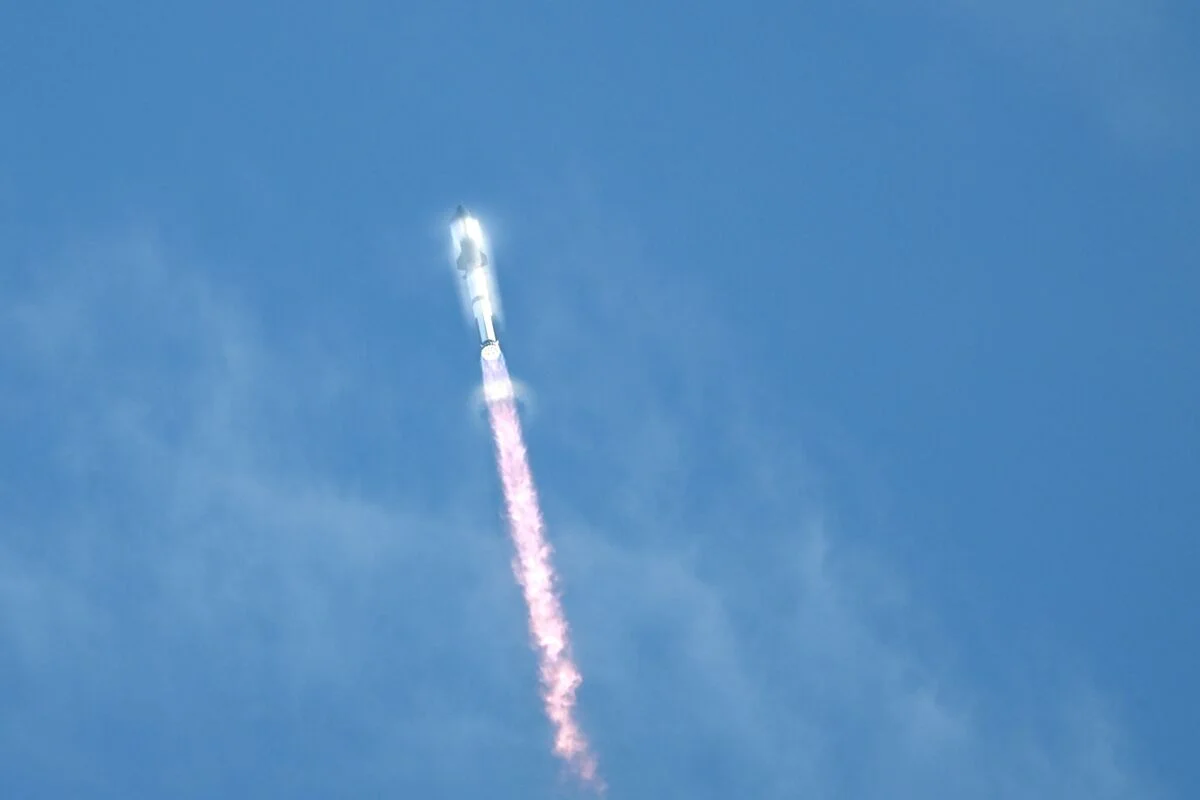
SpaceX successfully completed its 11th test flight of the Starship from Texas, marking the final launch of its 'Version 2' model and paving the way for the next-generation Starship V3, which features significant upgrades like a new propulsion system, energy storage, and docking capabilities, with future plans including orbital flights, lunar missions, and Mars exploration.
SpaceX successfully conducted its 11th test flight of the massive Starship rocket, which included releasing mock satellites and practicing re-entry maneuvers, as part of its goal to send humans to Mars and support NASA's lunar missions.
SpaceX successfully conducted its 11th test flight of the Starship rocket from Texas, demonstrating its capabilities with a controlled descent into the Indian Ocean and carrying mock satellites, marking a significant step toward future Mars missions and lunar landings for NASA.
SpaceX successfully completed its 11th full-scale Starship test flight, demonstrating its capabilities for future lunar and Martian missions, with the spacecraft carrying mock satellites and performing controlled entries into the Gulf of Mexico and Indian Ocean, marking a significant step toward NASA's goal of landing astronauts on the moon and Elon Musk's vision of Mars exploration.
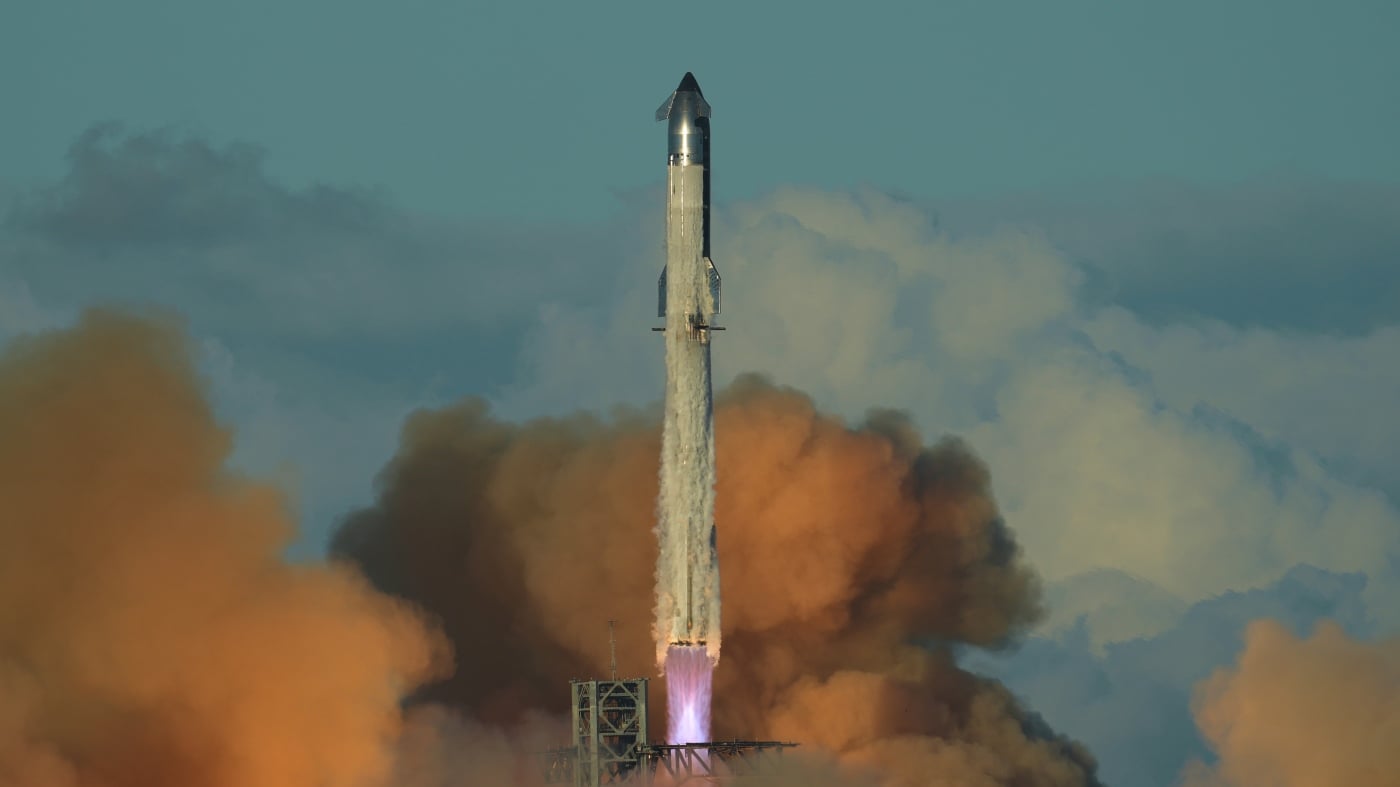
SpaceX is preparing for its next Starship test flight from Starbase in Texas on October 13, which will include testing various systems and maneuvers, with an 80% chance of favorable weather, and aims to minimize air traffic disruption while advancing its vehicle versions and launch capabilities.
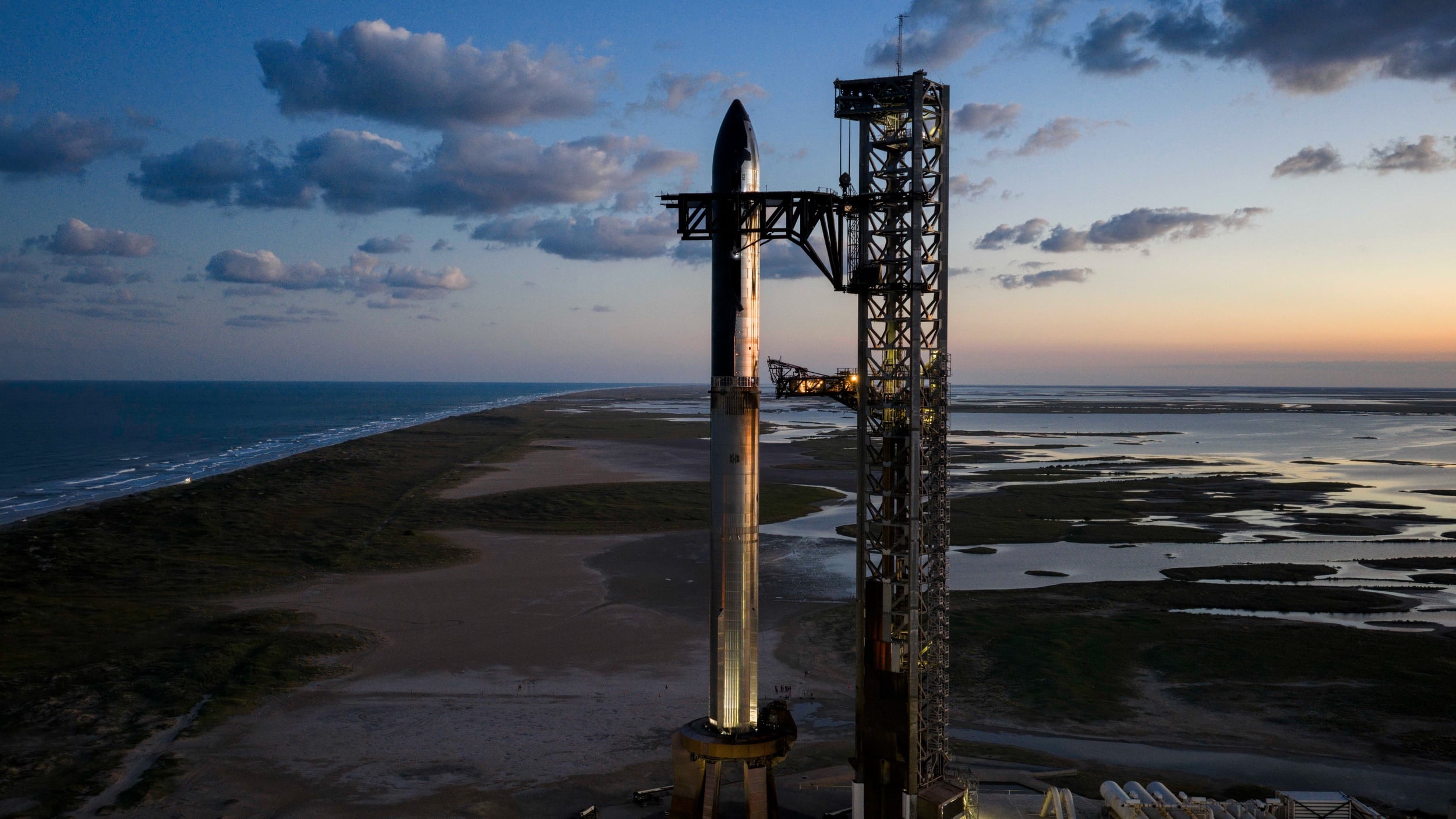
SpaceX has moved its Super Heavy booster to the launch pad at Starbase in South Texas in preparation for the upcoming Starship Flight 11 test flight scheduled for October 13, featuring a fully reusable rocket with 33 Raptor engines, and plans for the booster to return to Earth after launch.
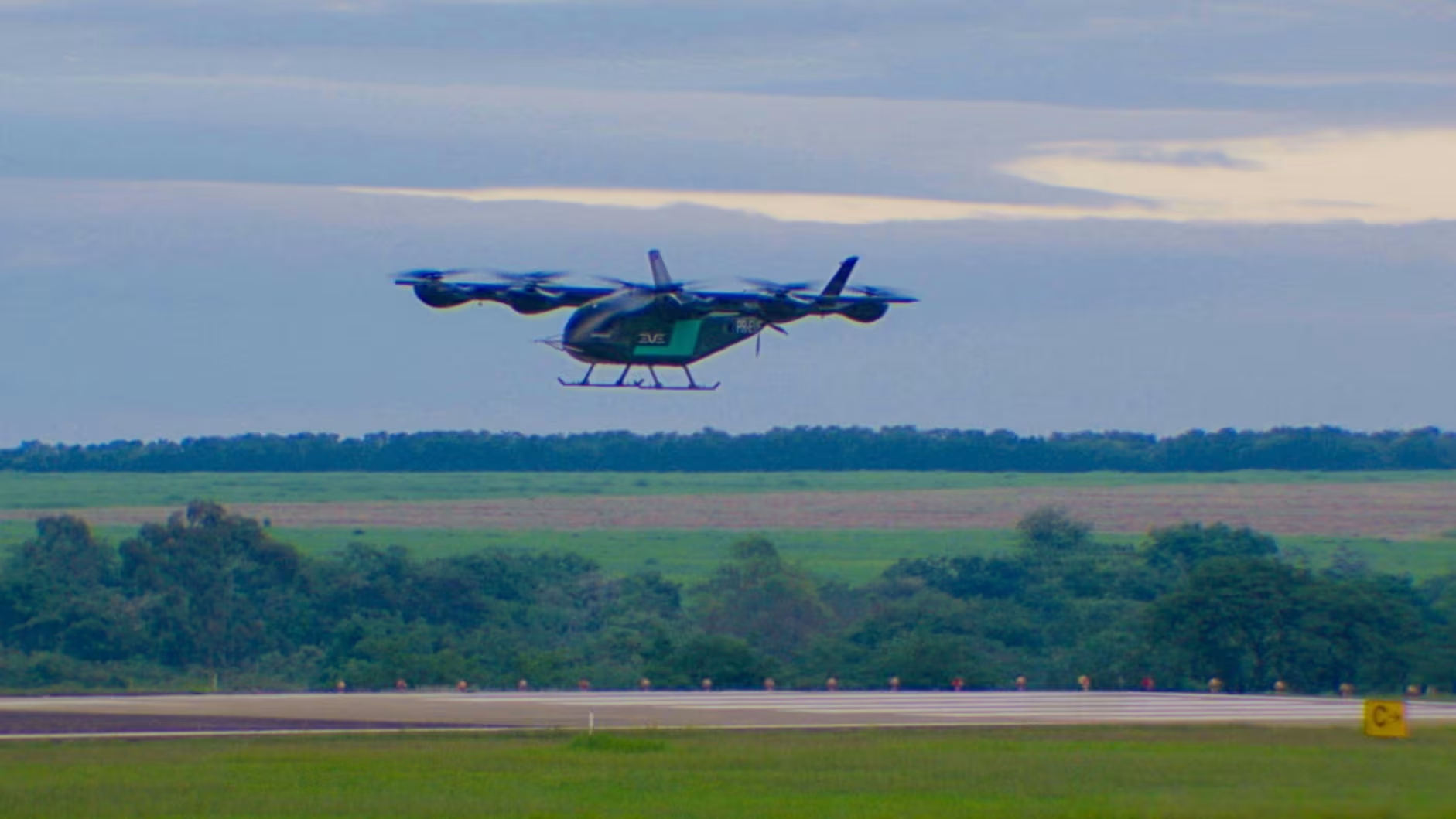
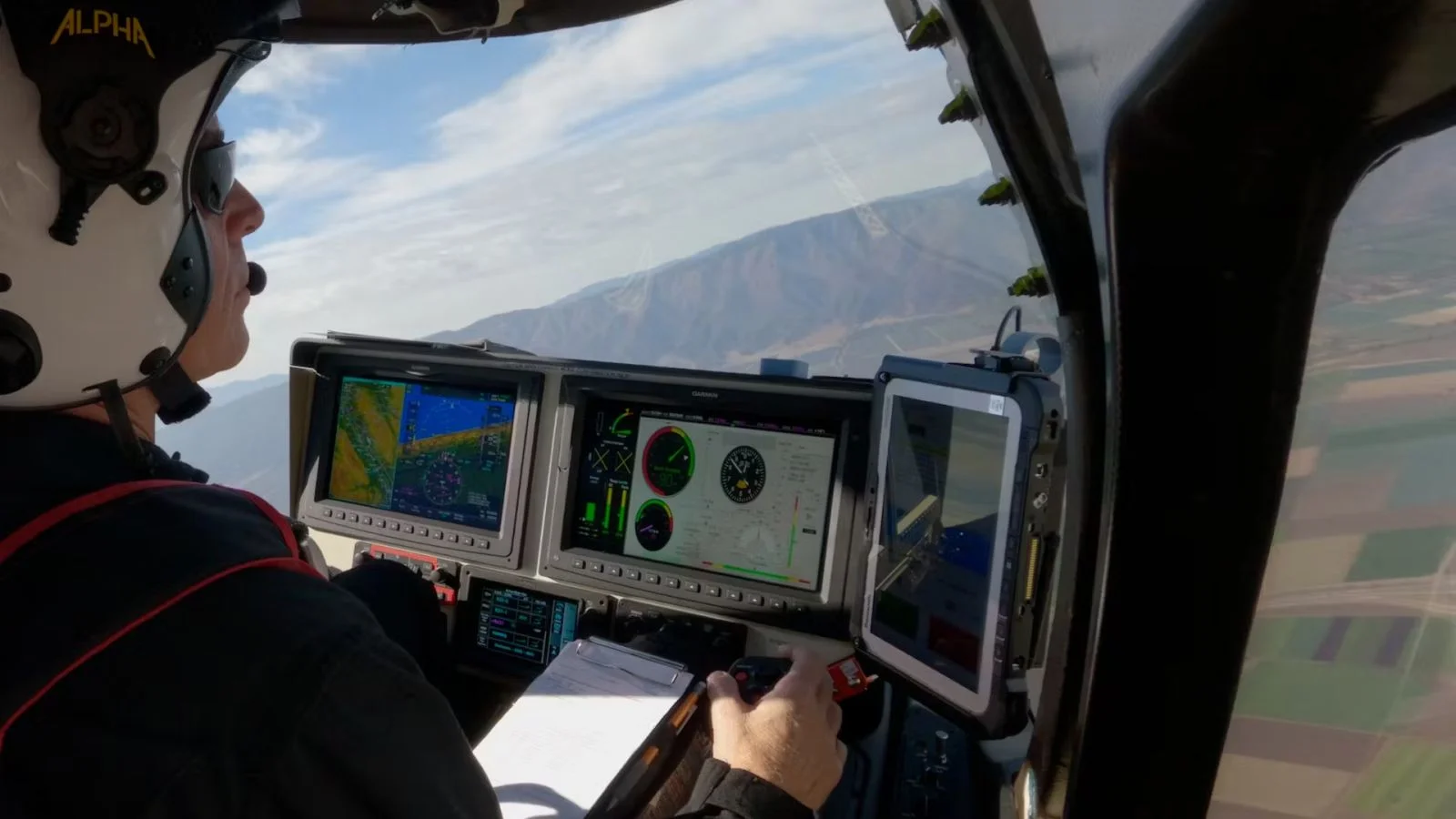
Archer Aviation's 'Midnight' eVTOL aircraft achieved a new record by reaching 7,000 feet altitude during a test flight, demonstrating its potential for urban and high-altitude operations, with speeds over 120 mph and a range of 45 miles, marking significant progress toward commercial use and FAA certification.
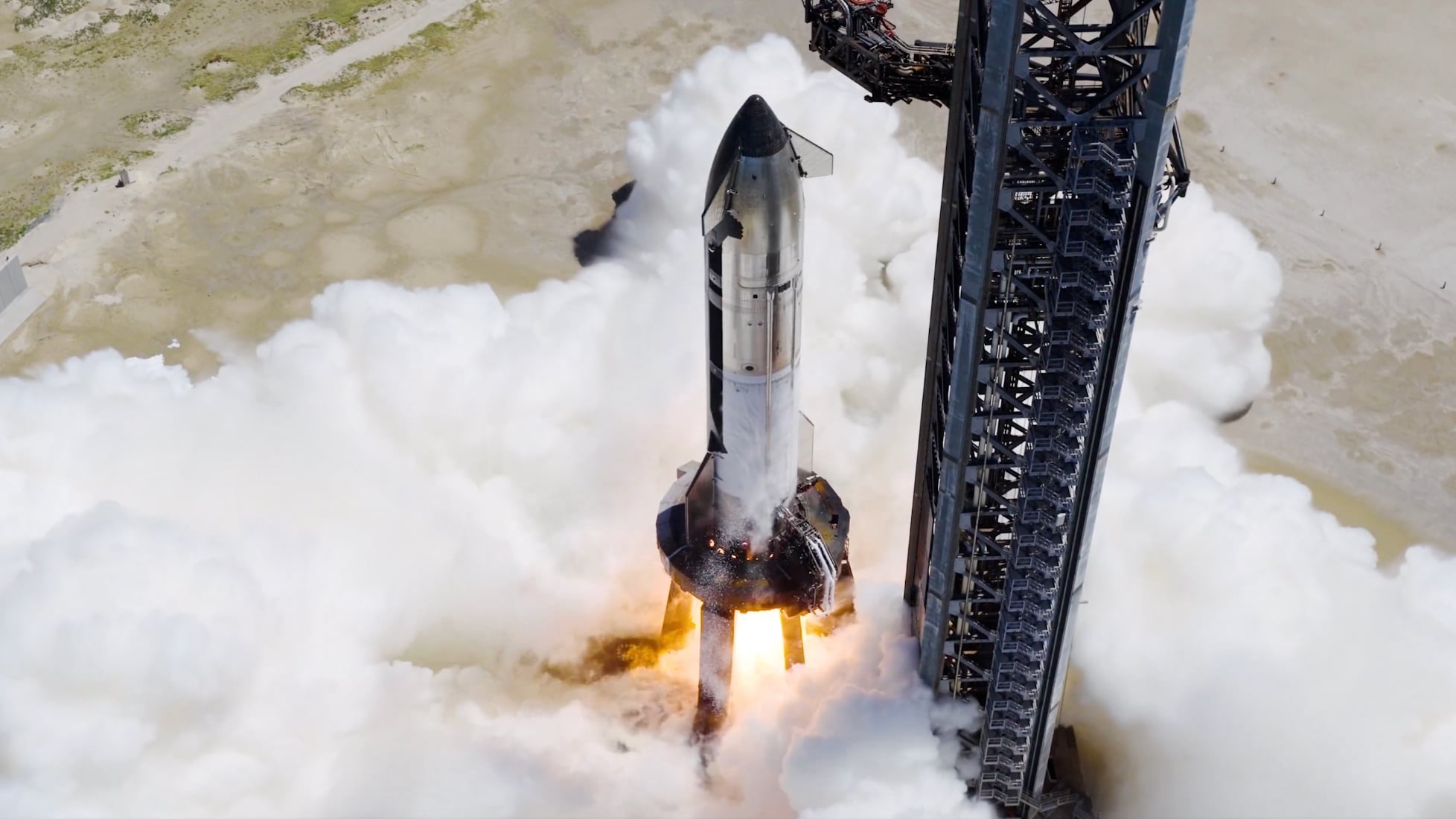
SpaceX conducted a static fire test of its Starship upper stage in preparation for the 11th test flight, part of ongoing efforts to develop reusable rockets for Mars exploration, with future plans for larger Starship versions and crewed missions to Mars by late 2026.
SpaceX has moved its Starship spacecraft to the launch pad in South Texas for upcoming testing, including pressurization and engine tests, ahead of its 11th test flight, which aims to advance the development of vehicles potentially capable of launching humans to Mars.
SpaceX's recent Starship test flight highlighted issues with heat shield tiles, particularly the need to improve sealing to prevent heat leakage, with plans to test new sealing methods like 'crunch wrap' on upcoming flights. The company aims to achieve orbital flights next year with upgraded Starship versions, paving the way for lunar and Mars missions, and developing large-scale orbital refueling.
SpaceX's Starship successfully launched, deployed dummy satellites, and re-entered Earth’s atmosphere, marking a significant milestone after a challenging year of testing and setbacks, with the mission providing valuable data for future improvements.