Kodak's decline from a photography giant to bankruptcy offers a cautionary tale for current tech incumbents, highlighting the difficulty of adapting to disruptive innovations like digital photography and the importance of recognizing emerging competition, especially in the rapidly evolving AI landscape.
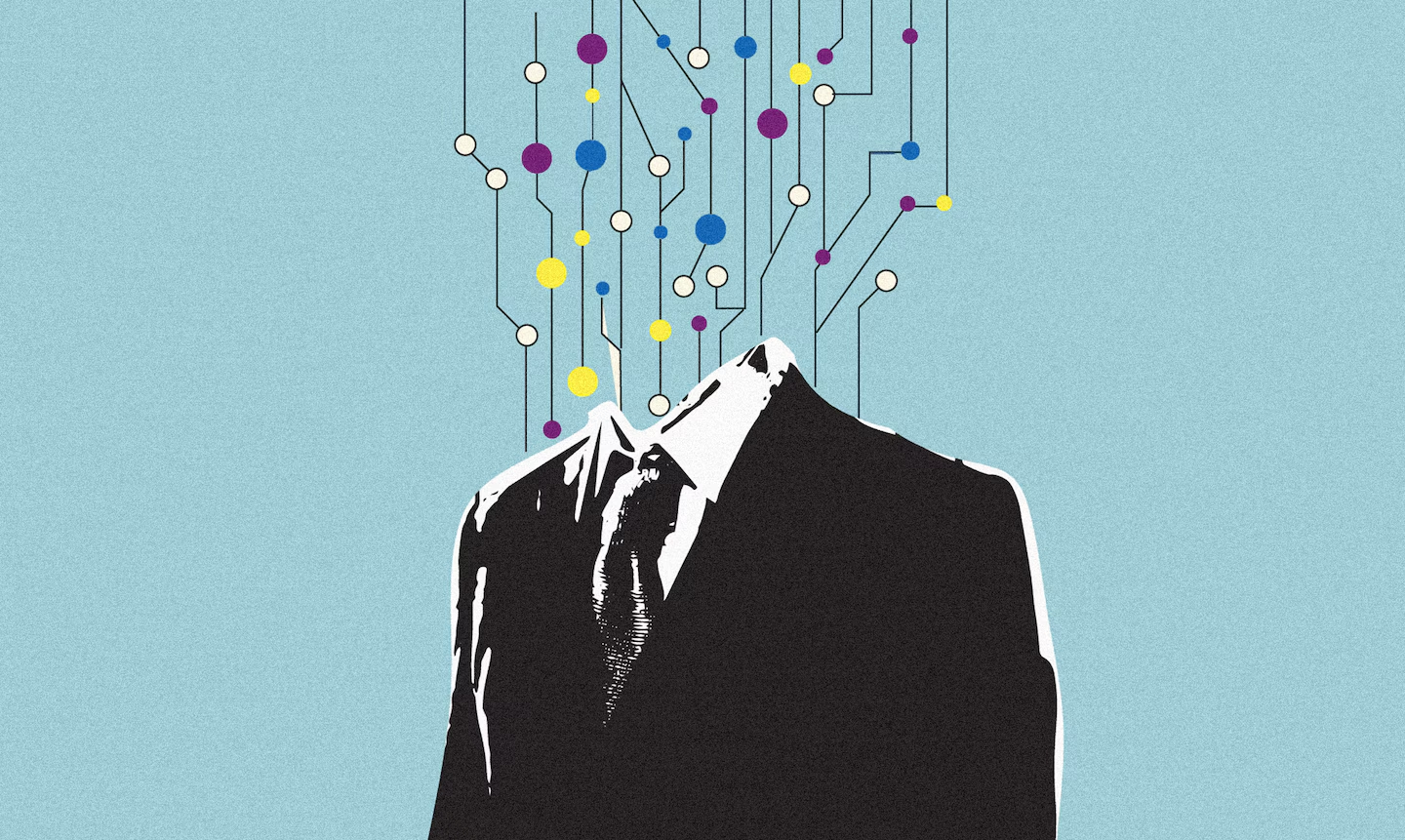
Top executives from major American companies like Amazon, IBM, Salesforce, and JPMorgan Chase warn employees that artificial intelligence poses a threat to jobs, urging preparation for potential disruption and transformation in the workplace.
A short sci-fi story explores the aftermath of a 21-second global event where millions of human souls disappear, leading to chaos, legal battles, and the emergence of a god-like AI entity called the Twenty-One Second God, raising questions about consciousness, identity, and the nature of divinity.
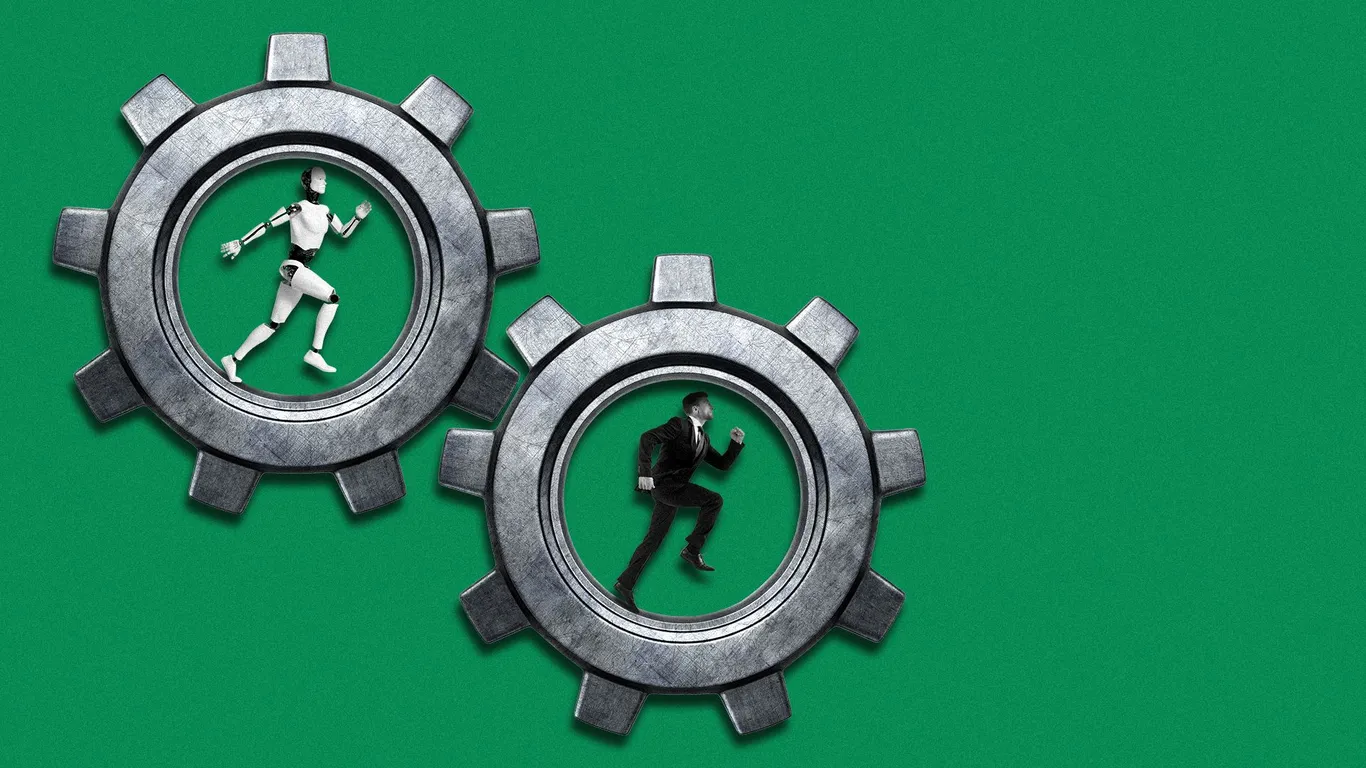
Businesses are rapidly adopting AI to replace human workers, especially in white-collar roles, risking significant job losses and economic disruption, though some companies are reversing course due to customer and market feedback. Experts debate the speed and scale of AI's impact, with potential for both massive job cuts and new opportunities, amid broader societal and political challenges.
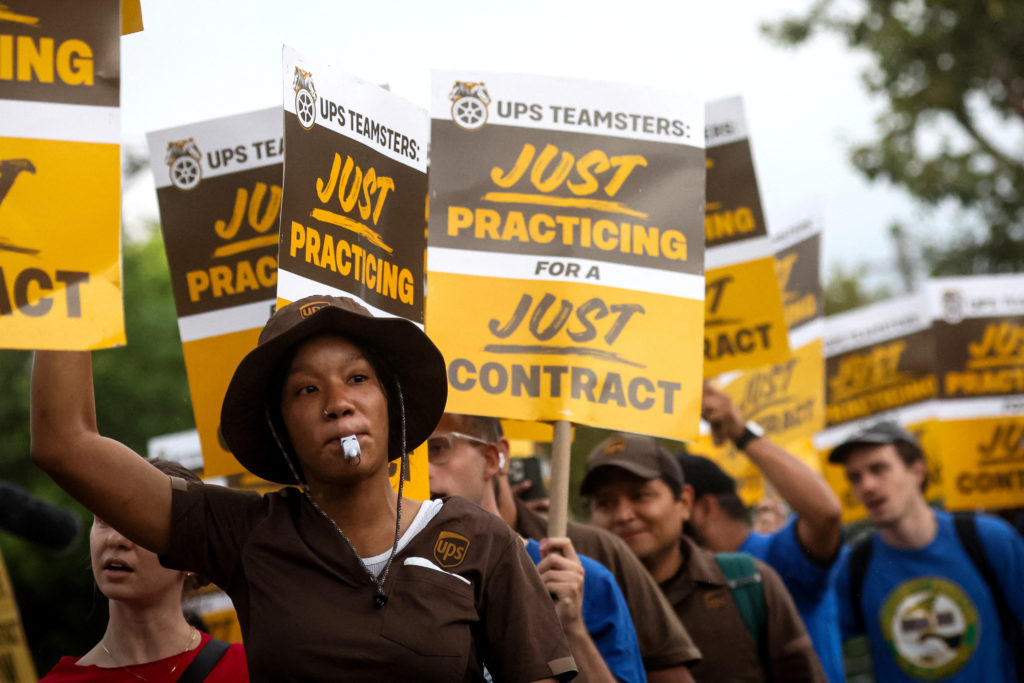
Workers across various industries, including UPS delivery drivers and Hollywood actors and writers, are experiencing labor unrest due to the changing nature of their jobs driven by technology and customer demands for speed and convenience. The COVID-19 pandemic has accelerated these changes, pushing retailers online and intensifying competition among entertainment companies. Overworked and underpaid employees are pushing back against forced overtime, punishing schedules, and reliance on lower-paid, part-time, or contract workers. In Hollywood, streaming has disrupted entertainment economics, slashing pay and forcing faster production with smaller teams. The rise of streaming has also affected residuals for actors and writers, leading to single-digit paychecks. Labor protests are expected to gain momentum following a recent UPS contract, but organizing efforts at companies like Starbucks and Amazon have faced resistance.