OpenAI CEO Sam Altman says some companies blame AI for layoffs to mask preexisting cuts, while others show real AI-driven displacement. He expects the genuine impact on jobs to become more evident in the coming years, even as new roles emerge.
Researchers propose 'AI replacement dysfunction' (AIRD) as a new clinical construct describing distress tied to the threat or reality of AI-driven job displacement. AIRD includes symptoms such as anxiety, insomnia, depression, and identity confusion, with potential links to broader psychiatric issues; polls show broad concern about AI’s impact on employment, especially for early-career workers, even though direct AI-caused layoffs are not yet widespread. The piece notes a screening framework and suggests cognitive behavioral therapy as a potential treatment, but AIRD is not an official diagnosis yet.
Geoffrey Hinton predicts that by 2026, AI will significantly improve and potentially replace many jobs, including software engineering, raising concerns about increased unemployment and ethical considerations, despite AI's benefits in medicine, education, and climate innovation.
Stanford computer science graduates are facing increased difficulty finding jobs as AI tools automate tasks traditionally done by junior programmers, leading to a significant shift in hiring practices and raising concerns about workforce stability and the need for educational and policy adaptations.
The article discusses how AI is not directly replacing jobs but rather increasing AI-related spending, leading to cost-cutting measures like layoffs and offshoring, which impact employment more than AI itself. It highlights the complexities of software development, offshoring challenges, and the evolving landscape of tech employment, emphasizing that organizational and economic factors play significant roles in job security and industry dynamics.
Computer scientist Geoffrey Hinton warns that major AI investments by tech giants are primarily aimed at replacing human labor to maximize profits, which could lead to significant job losses, despite AI's potential benefits in healthcare and education. He emphasizes that the real issue lies in societal organization rather than AI itself.
Despite predictions of significant job losses due to AI, history shows technology creates more jobs than it destroys, with new roles emerging in AI development, infrastructure, cybersecurity, and industry-specific fields. Effective leadership, ethical governance, and human-AI collaboration are crucial for navigating this transformation, emphasizing the importance of human skills and strategic vision to thrive in the evolving AI-driven economy.
Anthropic CEO Dario Amodei warns that AI's rapid advancement could displace up to half of white-collar jobs within five years, prompting calls for government intervention and policy responses to manage the societal impact.
AI expert Dr. Roman Yampolskiy predicts that nearly all jobs will be automated within the next five years, leading to unprecedented unemployment rates up to 99%, but also to significantly increased free time for humans, potentially resulting in a universal high income and a redefinition of work and purpose.
A Stanford study and various expert opinions suggest that AI adoption is contributing to a decline in jobs for young U.S. workers, with organizations preferring automation over human labor to maximize rent extraction. The discussion highlights concerns about offshoring, the impact of AI on white-collar jobs, and the broader implications for the economy and employment, emphasizing that AI is being used primarily to cut costs rather than augment human productivity.
A Reuters/Ipsos poll reveals that 71% of Americans fear AI could lead to permanent job losses, with significant concerns about its use in political chaos and military targeting, reflecting widespread unease about AI's societal impacts amid rapid technological advancements.
AI is currently mainly replacing outsourced workers rather than internal staff, with most companies using AI to cut costs and outsourcing expenses, and only a small percentage of jobs being directly replaced in the short term. While the long-term potential for job displacement is higher, the immediate impact is limited, and AI is also boosting productivity, which could benefit companies and investors without causing widespread layoffs.
The article discusses how CEOs are hesitant to fully replace human workers with AI due to fear of political backlash and public perception, despite AI's readiness to automate jobs. Instead, companies are implementing hiring freezes and reducing workforce growth, especially in entry-level roles, while the AI revolution continues to threaten employment, raising urgent questions about worker safety nets and economic stability.
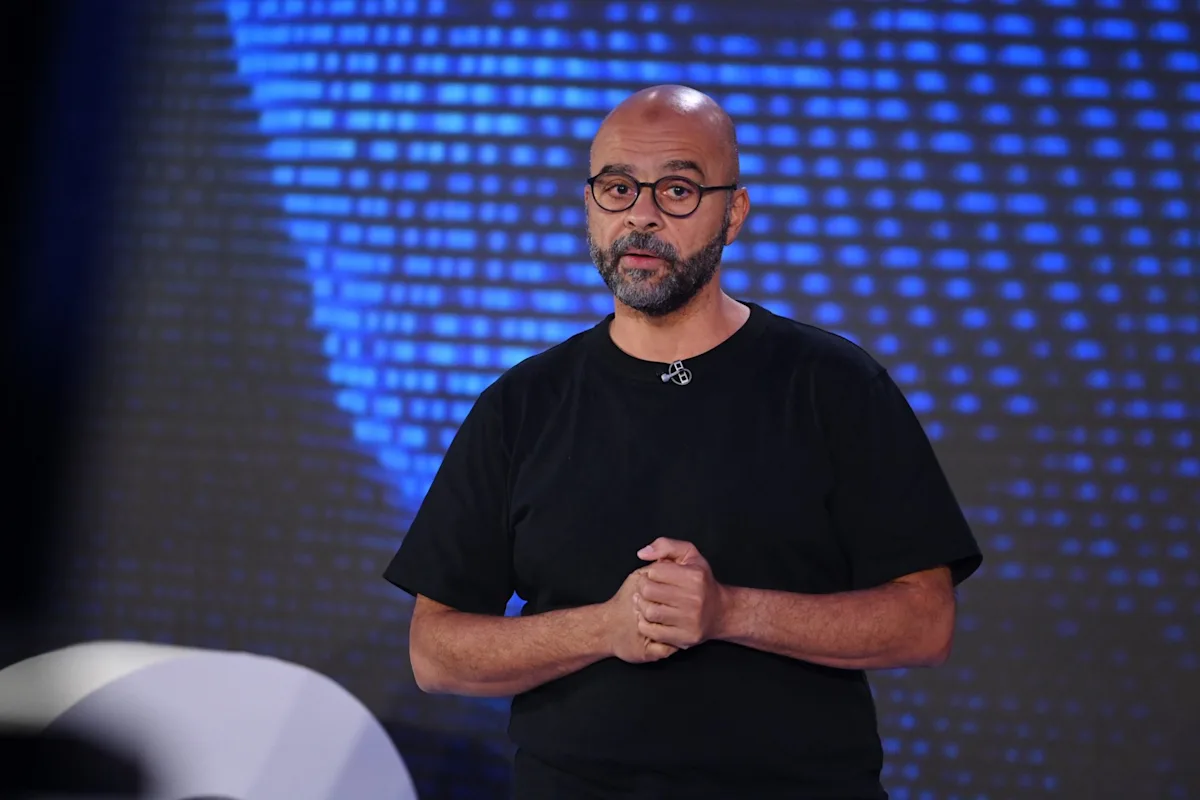
A former Google executive, Mo Gawdat, warns that AI will eliminate most jobs, including those of CEOs and government leaders, and criticizes the optimistic narratives about AI creating new opportunities, emphasizing that capitalism and human greed are driving its destructive potential. He advocates for replacing immoral leaders with AI to foster a better future, while also highlighting the need for global AI regulation to manage its risks.
A former Google executive warns that AI will not only displace workers but also threaten to replace CEOs and world leaders, driven by capitalist motives, and emphasizes the need for AI regulation to prevent misuse and ensure moral leadership in the future.