The article discusses the surge in white-collar layoffs attributed to AI, highlighting that many companies are using AI as a scapegoat for cost-cutting while other economic and political factors also contribute to the job market decline. It questions whether AI truly replaces human labor or if layoffs are driven by companies justifying reductions through AI narratives, with some evidence suggesting AI's current limitations in replacing human tasks.
The article discusses how AI is leading to significant layoffs among white-collar workers in major companies like Amazon, JPMorgan, and Nestlé, as firms aim to automate tasks traditionally performed by humans, which could result in a substantial short-term job loss but potentially increased productivity and profits in the long run.
The article discusses how the widespread adoption of generative AI could lead to significant displacement of white-collar knowledge workers during the next recession, reversing traditional employment recovery patterns and posing broader economic risks, although some experts believe the impact may be overstated.
Major tech leaders have differing views on AI's impact on white-collar jobs, with some warning of significant job losses, especially in entry-level roles, while others see AI as a tool for augmentation and job creation. Dario Amodei warns of rapid job displacement, whereas Sam Altman and others believe society will adapt and new opportunities will emerge. Jensen Huang and Marc Benioff express optimism about AI's potential, contrasting with concerns from Jim Farley and Dario Amodei.
Perplexity CEO Aravind Srinivas announced that their AI browser, Comet, is designed to automate key white-collar roles such as recruiting and administrative assistance by integrating with apps like Gmail and LinkedIn to perform tasks like sourcing, outreach, and calendar management. This development reflects a broader trend of AI potentially transforming or replacing many office jobs, with industry leaders divided on whether AI will displace or augment human workers. Srinivas emphasizes that workers who adapt quickly to AI tools will be more employable in the future.
Ford CEO Jim Farley warned that AI could eliminate half of all white-collar jobs in the US, emphasizing the importance of skilled trades amid a slowdown in tech hiring, while other industry leaders have varied views on AI's impact on employment.
BT CEO Allison Kirkby warns that advancements in AI could lead to further job reductions beyond the planned 55,000 cuts by 2030, as AI's full potential may enable the company to become even smaller. This reflects a broader trend of AI-driven automation impacting white-collar employment across industries.
Recently, wage growth for workers who stay in their jobs has surpassed that of those switching roles, marking a rare shift since 2009. This trend benefits long-term employees in white-collar sectors, as companies become more hesitant to hire and pay higher wages for new employees. While job switchers face a tougher job market and often accept lower pay, stayers are experiencing increased wages and job security, making the 'Big Stay' a notable trend in the current economic climate.
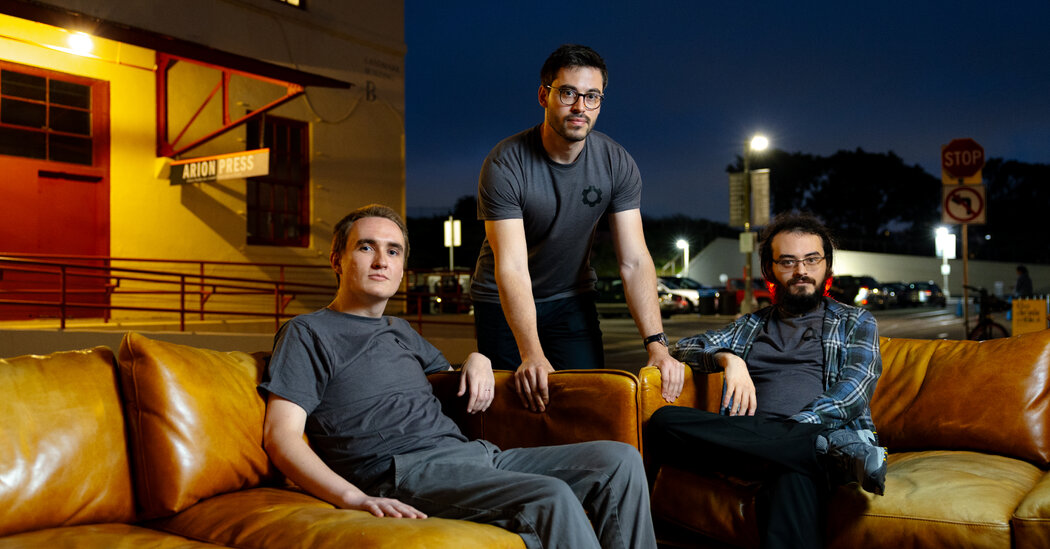
A San Francisco startup, Mechanize, aims to fully automate all jobs using advanced AI techniques like reinforcement learning, raising concerns about widespread job displacement and societal impacts, with the founders openly advocating for rapid automation without detailed plans for social safety measures.
Klarna CEO Sebastian Siemiatkowski warns that AI could lead to significant job cuts in white-collar sectors and potentially trigger a recession, as AI technology replaces human roles, though he emphasizes the importance of transparency and human presence in customer service.
AI advancements are expected to significantly reshape the job landscape for recent college graduates, potentially reducing or transforming entry-level white-collar roles, while blue-collar and human-centric jobs remain largely unaffected. The current economic climate also contributes to high youth unemployment, but experts believe that in the long term, young workers will adapt and thrive by developing skills to work alongside AI.
Anthropic researchers warn that AI could automate a significant portion of white-collar jobs within the next five years, potentially leading to a difficult decade for human employment, before technological advancements eventually lead to a period of abundance.
Recent data shows that AI is already replacing human roles, especially in tech-related jobs, leading to a decline in job postings for roles with high AI-exposure. Companies like Shopify and Duolingo are actively reducing their human workforce in favor of AI, although some firms like Klarna are reconsidering this approach due to concerns over work quality. The long-term impact remains uncertain, with some companies planning further workforce reductions as AI tools improve.
Anthropic CEO Dario Amodei warns that AI could eliminate up to 50% of entry-level white-collar jobs, highlighting the need for honest discussions about AI's impact on employment, while experts debate the timeline and societal readiness for advanced AI systems like AGI.
Businesses are rapidly adopting AI to replace human workers, especially in white-collar roles, risking significant job losses and economic disruption, though some companies are reversing course due to customer and market feedback. Experts debate the speed and scale of AI's impact, with potential for both massive job cuts and new opportunities, amid broader societal and political challenges.