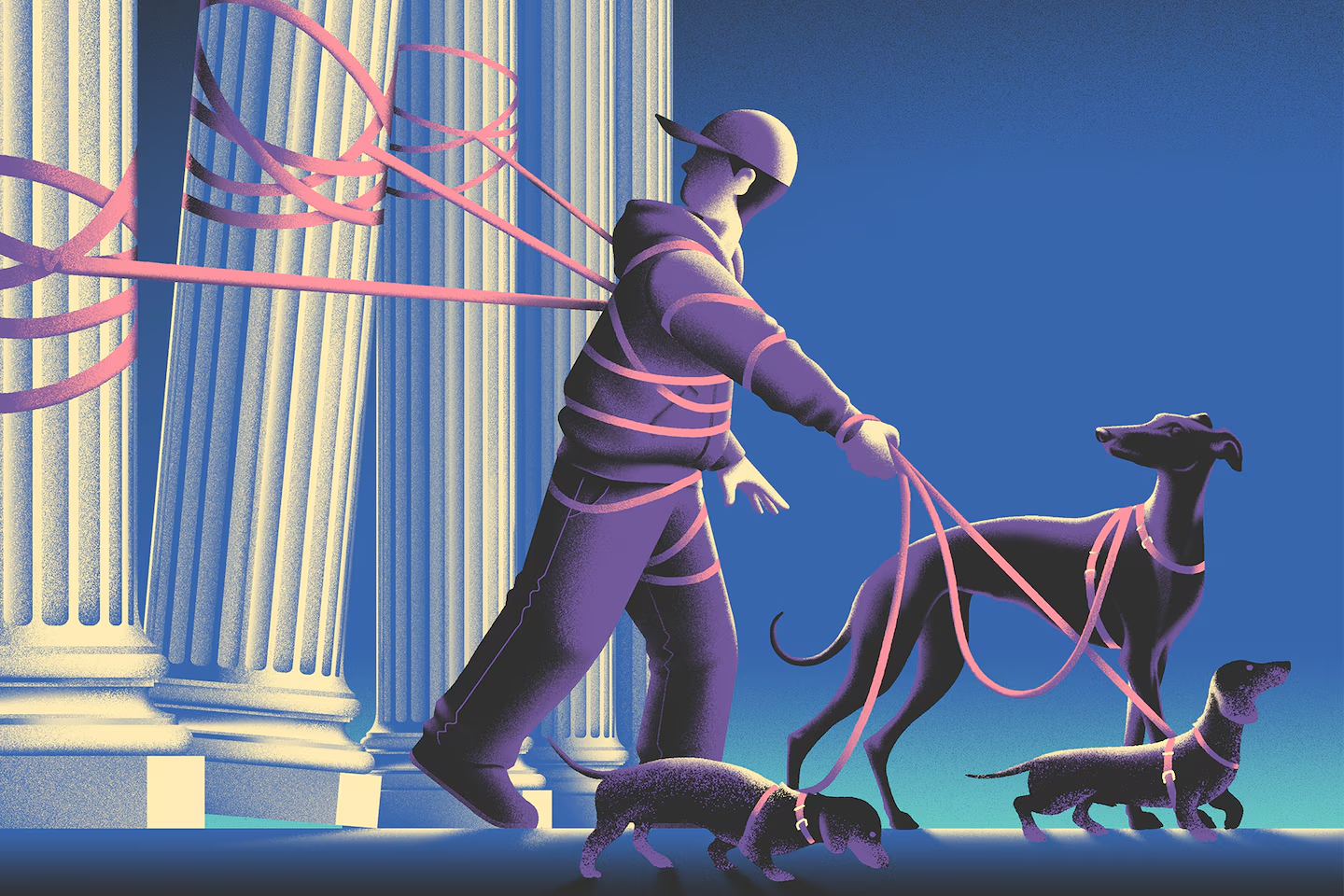
Regulatory efforts targeting gig work are impacting both companies and workers, with ongoing debates over whether gig workers should be classified as independent contractors or employees, affecting the future of gig economy regulation.
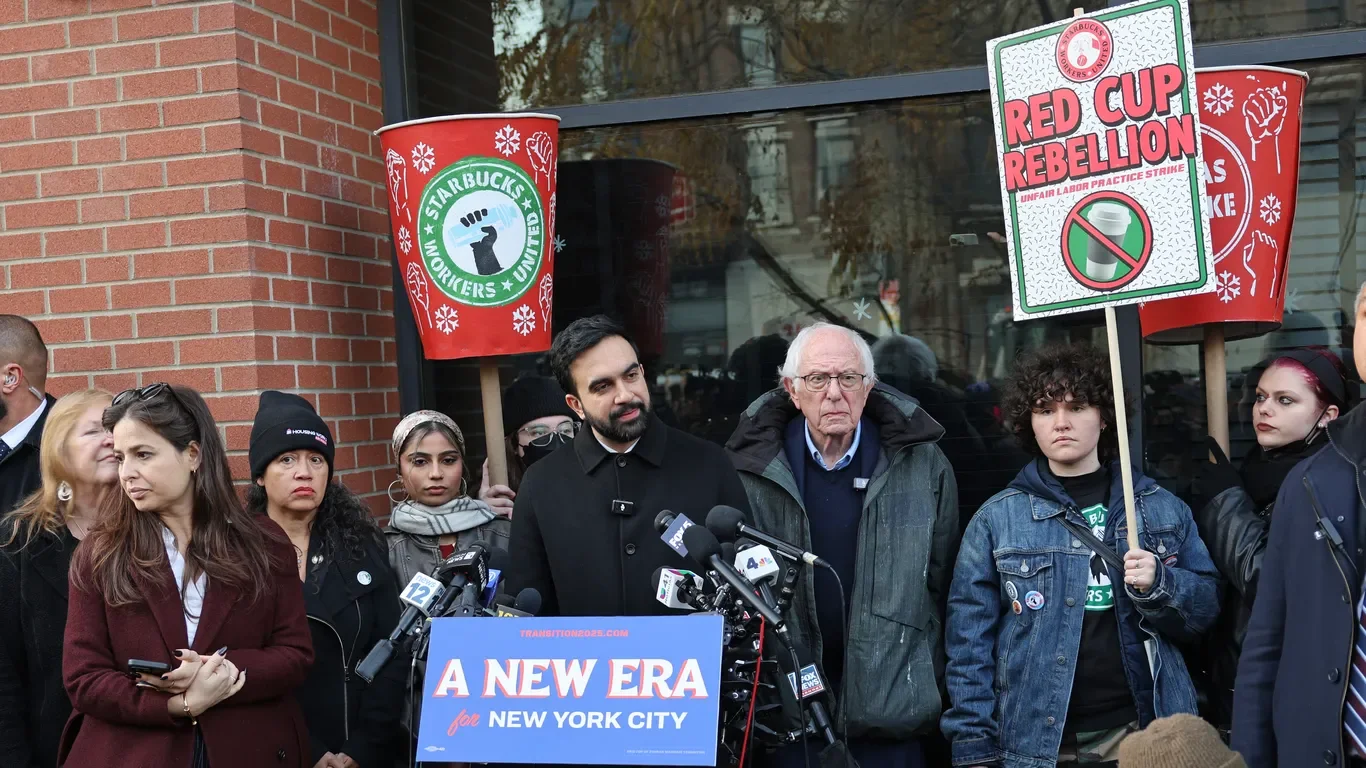
Starbucks will pay over $38 million in a settlement with New York City for violating the Fair Workweek Law over half a million times since 2021, with $35 million going to affected workers and $3.4 million in penalties, marking the largest worker protection settlement in NYC history.
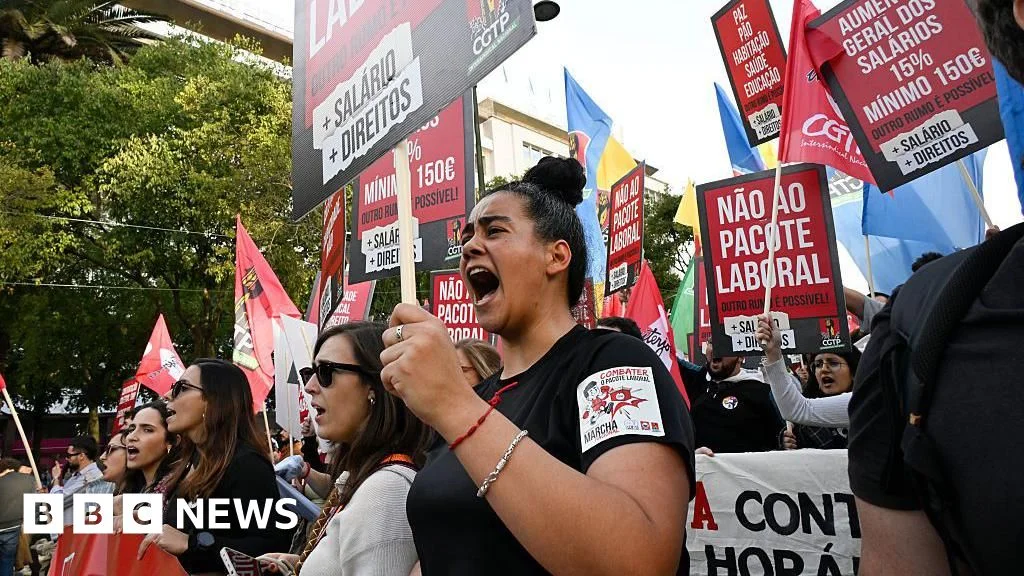
Tens of thousands of protesters in Lisbon oppose Portugal's proposed labour law reforms, which aim to increase job flexibility but are criticized for threatening workers' rights and job security, leading to a planned general strike.
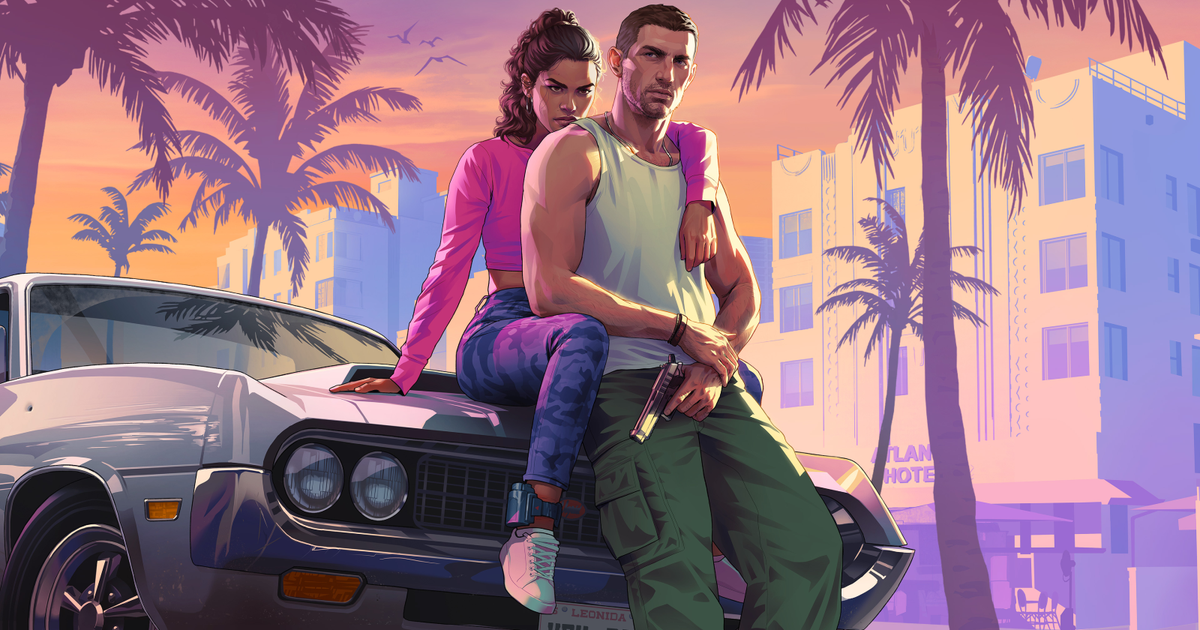
Rockstar Games is accused of union-busting after firing 30-40 employees involved in union activities, claiming they were dismissed for gross misconduct, which has sparked criticism from labor unions and industry observers.
Rockstar Games fired 30 to 40 employees, all of whom were union members or organizers, in what the IWGB describes as the most blatant union busting in the gaming industry, just months before the release of GTA VI. The company claims the dismissals were due to gross misconduct, while union leaders vow to pursue legal action and continue organizing for better working conditions.
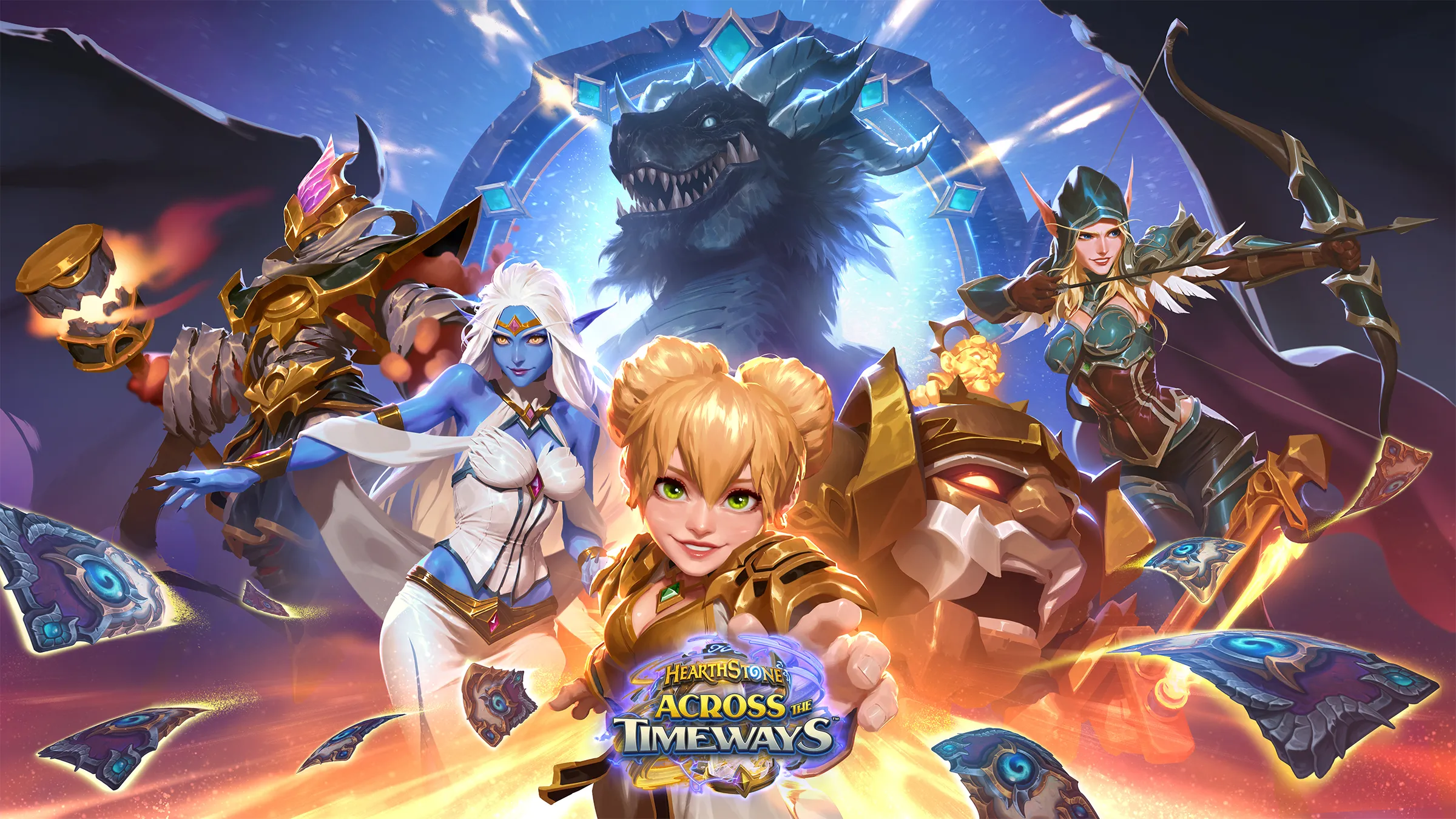
Workers from Blizzard's Hearthstone and Warcraft Rumble teams have voted to unionize with the Communications Workers of America, joining over 1900 other Activision Blizzard employees, with Microsoft reportedly recognizing the union, as part of a broader movement for workers' collective voice and solidarity in the industry.
Blizzard's Hearthstone team, along with other Blizzard units, has voted to unionize under the CWA, motivated by concerns over layoffs and workplace protections, with the expiration of a neutrality agreement that previously prevented company interference. The union aims to negotiate better job security, wages, remote work support, and protections against harassment and AI misuse, building on the momentum of earlier union efforts at Blizzard and other Microsoft studios.
Workers at Blizzard's Battle.net platform have unionized under the CWA, forming two new unions for tech and support staff, just before the expiration of a neutrality agreement with Microsoft that facilitated union efforts during its acquisition of Activision Blizzard. The unions aim to negotiate better policies on layoffs, return-to-office, and workplace treatment, with some unions having already ratified contracts. The future of unionization without the neutrality agreement remains uncertain.
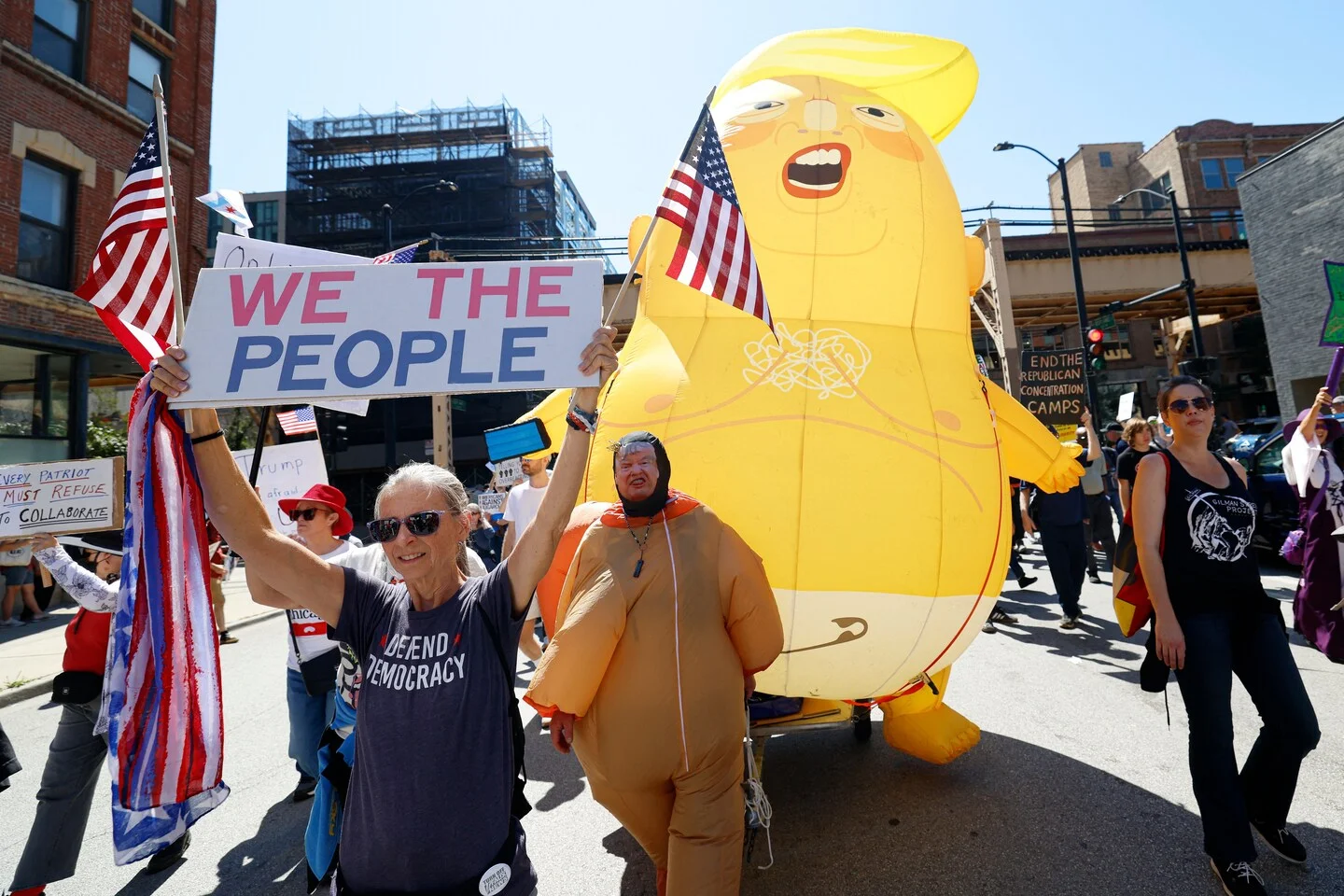
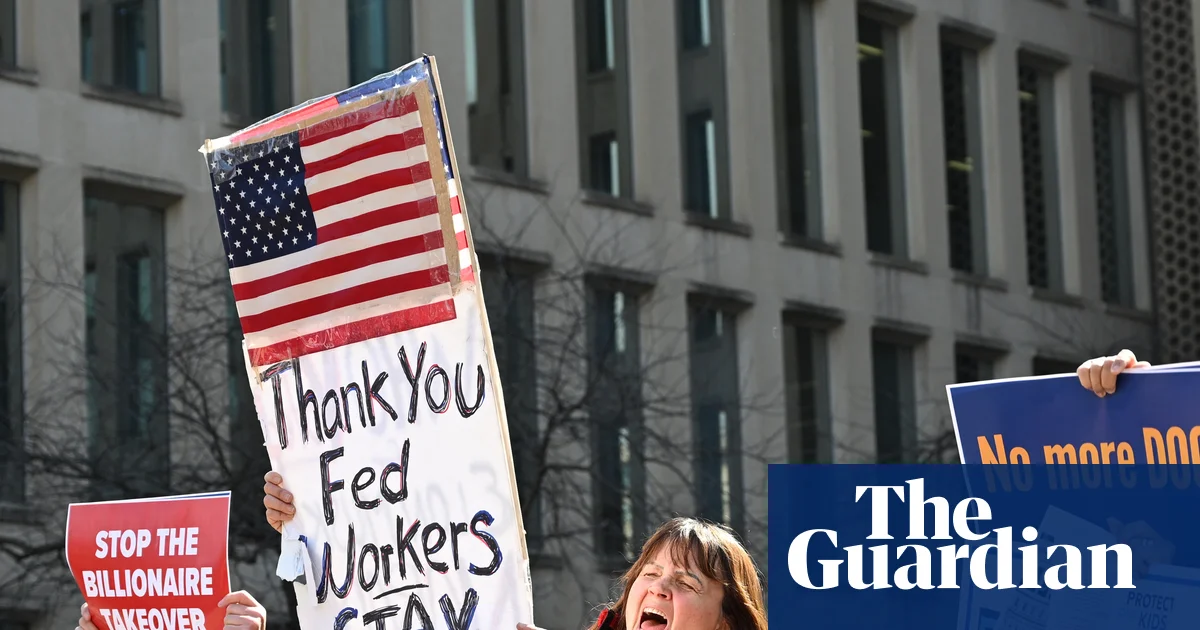
On Labor Day, protests took place in cities like Chicago, San Diego, and D.C., where demonstrators rallied against the influence of billionaires and corporations in politics, particularly criticizing their impact during the Trump administration, to highlight workers' rights and the day's origins.
The article criticizes the Trump administration's actions on Labor Day, highlighting its policies that have hurt workers and unions, including cutting safety protections, undermining collective bargaining, and implementing economic policies that favor corporations over workers, contradicting Trump's pro-worker rhetoric.
The article recounts the origins of Labor Day, starting with the first celebration in 1882 in New York City, highlighting workers' efforts to emphasize their importance in the economy, their political activism, and the evolving relationship between labor, government, and business in the late 19th century.
Workers at Safeway and Albertsons in four Colorado cities initiated a limited strike over unfair labor practices, including understaffing, low wages, and health benefit issues, with the potential for expansion as more units consider joining, marking a significant labor action in Colorado.
Democratic leaders are criticized for ignoring voter concerns about the rising cost of living, such as the price of eggs and gas, which contributed to their electoral losses. Campaigners argue that Democrats need to focus on addressing the economic struggles of working-class Americans, particularly in swing states like Michigan. With the incoming Trump administration, there is a call for Democrats to protect workers' rights and address issues like sub-minimum wages. Concerns are also raised about potential anti-immigrant policies and economic challenges under Trump.
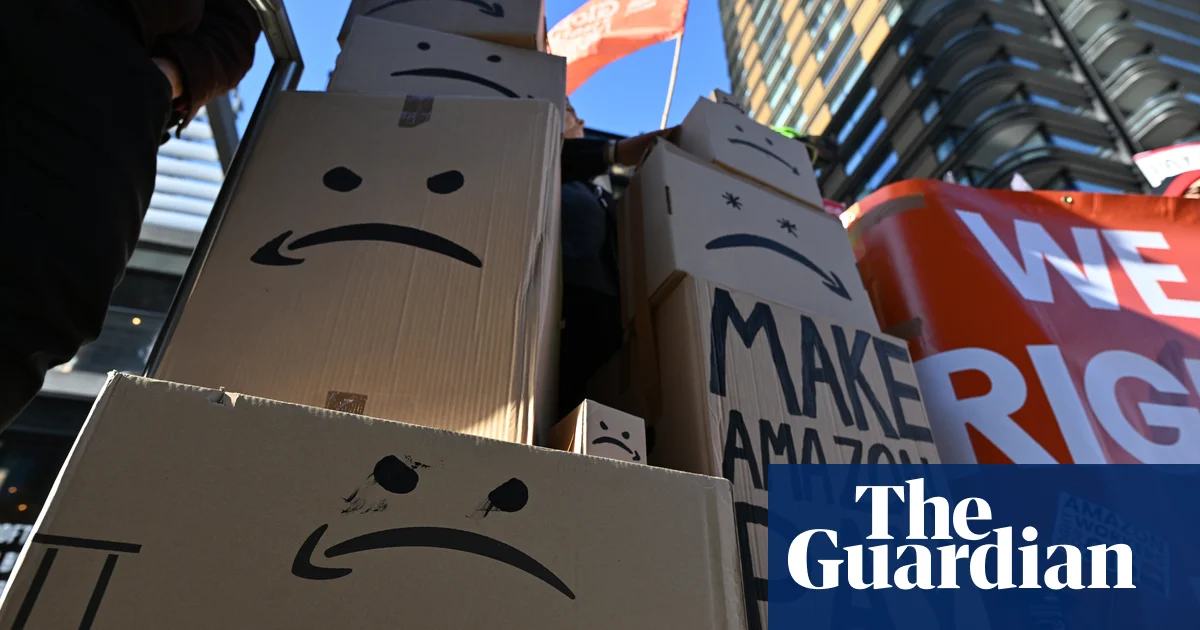
Amazon workers in over 20 countries plan to protest or strike during Black Friday to demand better workers' rights and climate action. The Make Amazon Pay campaign, supported by over 80 unions and activist groups, is organizing the protests, which will occur in major cities worldwide, including the US, UK, Germany, and India. The campaign calls for fair pay, union recognition, and environmental sustainability from Amazon. Despite Amazon's claims of competitive pay and renewable energy use, workers and activists criticize the company's labor practices and environmental impact.
SpaceX and Amazon are suing the National Labor Relations Board (NLRB), claiming its actions are unconstitutional. The companies argue that the NLRB's complaints against them over workers' rights and union organizing infringe on their rights. A ruling in favor of the companies could significantly weaken the NLRB, which enforces labor laws. The case, heard by the 5th U.S. Circuit Court of Appeals, may eventually reach the Supreme Court. SpaceX's lawsuit follows accusations of unlawful employee firings, while Amazon's relates to a disputed union election.