An Indiana woman claims that pills were secretly added to her ex-fiancé's tea as part of a chemistry experiment, but he was later murdered by her and her accomplice, leading to their arrest and trial.
A recent study suggests tea may slightly benefit bone mineral density more than coffee, especially at the hip, but the differences are small. Moderate coffee consumption (2-3 cups daily) is generally safe for bones, while drinking five or more cups may negatively impact bone health. Maintaining strong bones also involves a balanced diet rich in calcium and vitamin D, regular resistance exercise, and avoiding smoking and excessive alcohol. Overall, moderation in coffee intake and a healthy lifestyle are key to supporting bone health.
A study suggests that drinking tea may support bone health in older women, while high coffee consumption could negatively impact bone mineral density, especially in women who consume alcohol, highlighting the potential influence of beverage choices on osteoporosis risk.
Apple has removed the women's safety app Tea from the App Store due to violations of content moderation and privacy policies, following multiple data breaches and complaints about user data exposure, especially involving minors.
Recent research has found microplastics in all tested herbal teas from popular Turkish brands, raising health concerns due to their potential links to serious diseases. Microplastics originate from plastic leaching in tea bags, and their presence in food and water sources poses risks to human health. To reduce exposure, experts recommend switching to loose-leaf tea and plastic-free tea bags, and being cautious of greenwashing by some brands.
Research suggests that moderate daily consumption of tea and coffee may reduce the risk of head and neck cancers, possibly due to their antioxidant and anti-inflammatory compounds, though excessive tea intake might increase certain risks. The study highlights the potential health benefits of these beverages, emphasizing moderation and the importance of overall healthy lifestyle choices.
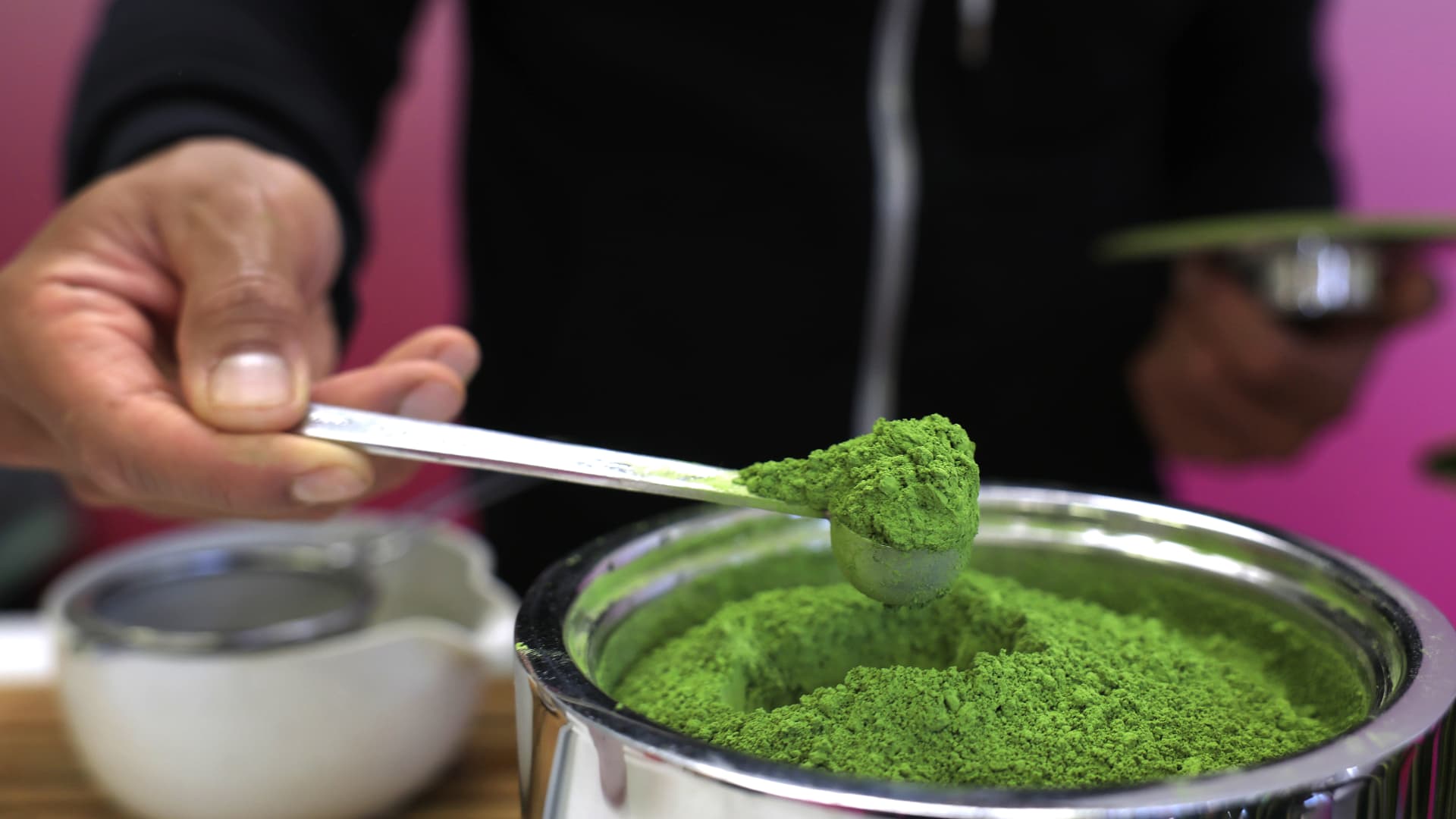
The global surge in matcha's popularity has caused a significant shortage, driven by high demand and limited production in Japan, leading to rising prices and supply constraints for retailers and consumers worldwide.
A record five Texas school districts are at risk of state takeover due to consecutive failing grades, with the Texas Education Agency considering actions such as replacing school boards or shutting down schools, amidst ongoing evaluations and recent court rulings allowing the release of school performance ratings.
The Texas Education Agency has released the 2025 A-F Accountability Ratings for public schools, along with the delayed 2024 ratings, showing improvements in many districts and campuses, and emphasizing transparency and accountability in education.
The global demand for matcha, a traditional Japanese green tea, is soaring due to social media influence and Japan's tourism boom, leading to shortages and rising prices. Climate change, an aging farming population, and tariffs are further constraining supply, prompting calls for mindful consumption and trade adjustments. Despite current shortages, industry experts anticipate a stabilization in prices within a few years.
The reviewer strongly dislikes Sprite + Tea, describing it as a terrible combination that tastes bad, looks unappetizing, and should be banned from stores, recommending sticking to regular Sprite instead.
A study analyzing 145 clinical trials suggests that consuming foods rich in flavan-3-ols, like dark chocolate and tea, can significantly lower blood pressure and improve blood vessel function, offering a natural and enjoyable way to support cardiovascular health, especially for those with hypertension.
A study presented at the European Association for the Study of Diabetes suggests that drinking tea daily, particularly dark tea, can significantly reduce the risk of developing type 2 diabetes and prediabetes. The research, involving 1,923 adults in China, found that dark tea drinkers had a 47% lower risk of type 2 diabetes and a 53% lower risk of prediabetes. The benefits are attributed to bioactive compounds in dark tea that improve insulin resistance and increase glucose excretion in urine. However, the study is observational, and further trials are needed to confirm these findings.
A recent study suggests that consuming at least five cups of a hot drink daily, such as traditional tea, can improve reactions, motor skills, and longevity while reducing the risk of death. Clinical dietitian Lisa Andrews highlights the health benefits of tea, including its antioxidant properties and potential to lower cholesterol and prevent cancer.
A study by Sapienza University of Rome suggests that high-caffeine drinks like coffee, tea, and hot chocolate may reduce the risk of heart disease by lowering blood pressure, particularly in people with Lupus. The research indicates caffeine's anti-inflammatory properties could benefit heart health, though further studies are needed to confirm these findings. This aligns with other experts who note the cardiovascular benefits of moderate coffee and tea consumption.