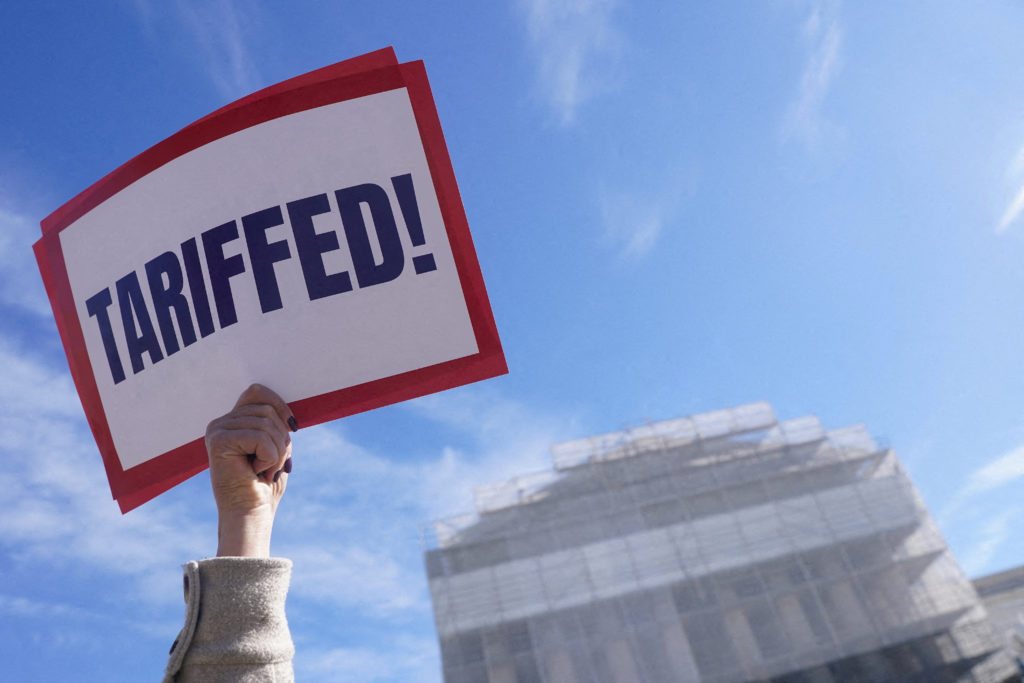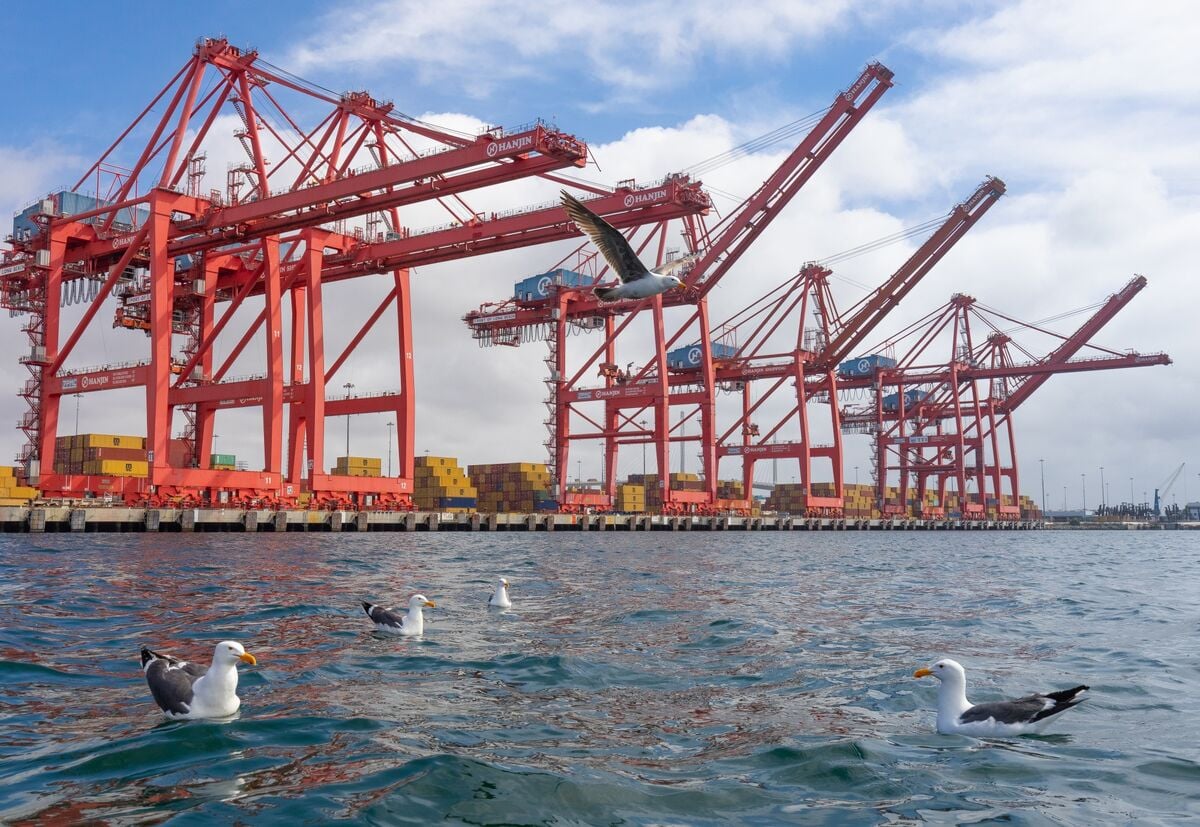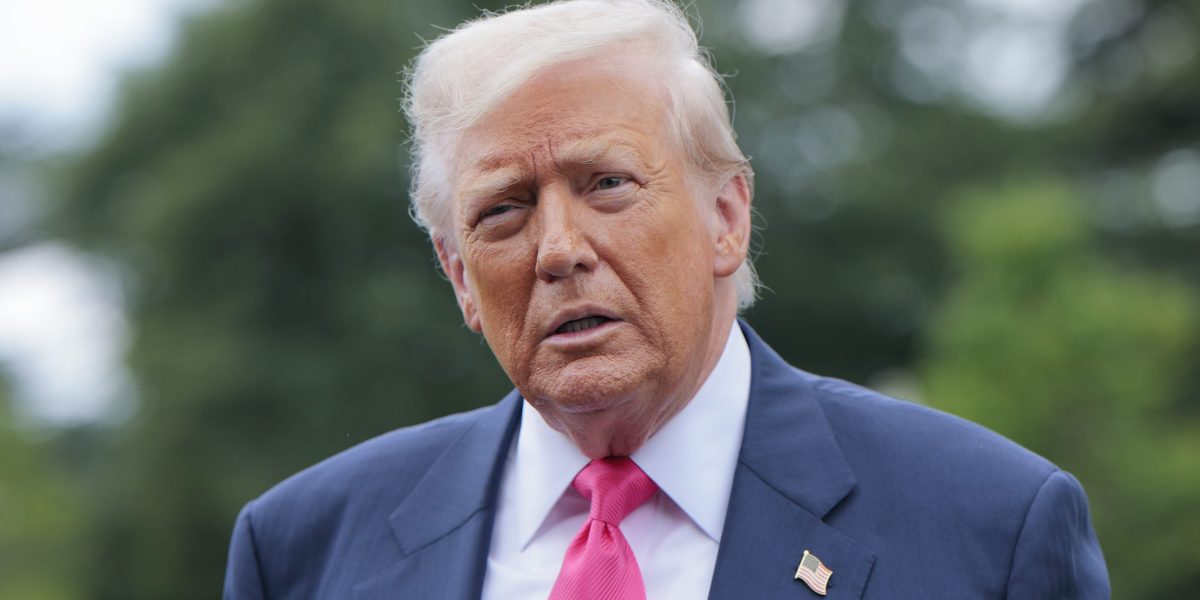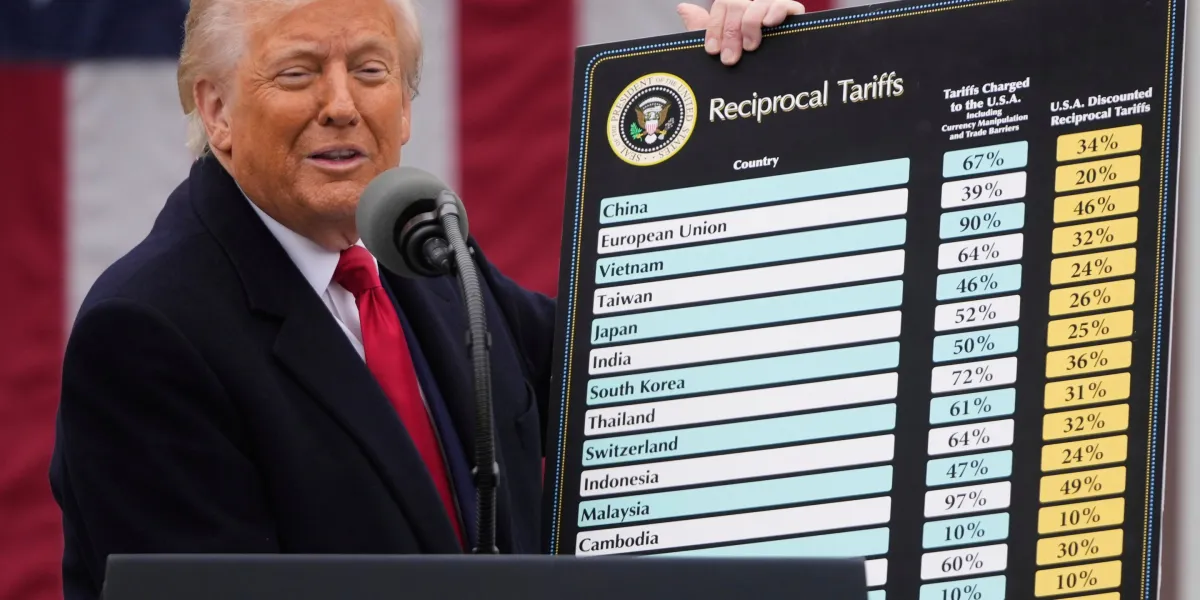
Trump's tariffs in 2025 significantly increased the effective tariff rate, raising over $236 billion in revenue and contributing to a substantial reduction in the US trade deficit from a record $136.4 billion to $52.8 billion by September. While tariffs impacted global trade, especially with China, they also caused market volatility and higher prices for consumers and businesses.
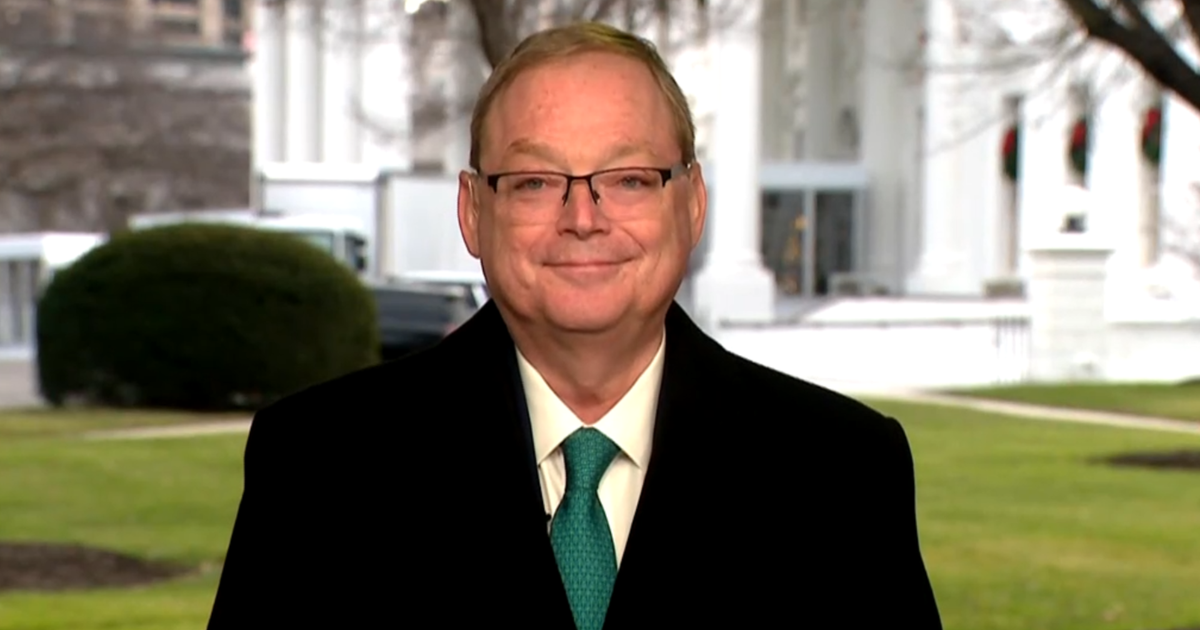
White House economic adviser Kevin Hassett stated that the proposed $2,000 checks for Americans funded by tariff revenue depend on congressional approval, with the president expected to propose legislation in the new year. The checks would likely target households earning less than $100,000 and could be issued through the tax system. Hassett highlighted recent positive economic indicators, such as strong growth and a government surplus, as factors making the checks more feasible. The administration continues to defend tariffs as beneficial for revenue and economic growth, while also considering exemptions based on trade and environmental factors.
President Trump claimed credit for military bonuses that were already approved by Congress, suggesting they were funded by new tariff revenue, which officials say is not the case. The bonuses will be distributed before the annual pay raise, which is based on federal formulas and not a special increase. The bonuses are part of a broader effort to honor the nation's founding and will be received by most junior officers, enlisted troops, and some reservists, but not senior officers. The article highlights previous misstatements by Trump regarding military pay and clarifies the actual funding and timing of these bonuses.
President Trump promised Americans $2,000 payments from tariff revenue, but experts caution that the revenue generated is unlikely to cover such payouts due to lower-than-claimed tariff income and existing commitments to debt reduction and tax cuts. The proposal lacks detailed plans and legal clarity, and the actual cost of tariffs to Americans exceeds the proposed dividend amount, making the promise unlikely to be fulfilled as stated.
The WIC program, supporting over 6 million low-income mothers and children, received a $300 million fund infusion from tariff revenues to continue operating during the government shutdown, avoiding immediate cuts and disruptions.
The White House has ruled out legislative action to fund military pay during the ongoing government shutdown, with officials citing political gridlock and considering using tariff revenue to support troops, as the deadline approaches and effects worsen.
The US experienced its third-largest fiscal deficit on record this year, despite a record surge in tariff revenue driven by Trump's tariff hikes, with August tariffs reaching $30 billion. The total deficit through August is nearly $2 trillion, but some improvement is expected by year's end. Corporate tax receipts declined in August, and the future of tariffs depends on a Supreme Court decision, which could significantly impact revenue.
The Dow Jones Industrial Average rose as the S&P affirmed the U.S. credit rating, supported by increased tariff revenue, reflecting positive investor sentiment in the stock market.
The US federal deficit reached a record high of $291 billion in July 2025, driven by increased government spending on social programs, healthcare, and interest payments, despite a fourfold increase in tariff revenue, which was insufficient to offset the rising expenditures and structural fiscal imbalance.
US tariff revenue hit a record $28 billion in July, but the overall budget deficit widened to $291 billion, reflecting ongoing fiscal challenges. Tariff income for the year is projected to reach $300 billion, potentially exceeding expectations, yet the deficit continues to grow due to increased interest costs and social spending, with the fiscal year ending with a significant shortfall.
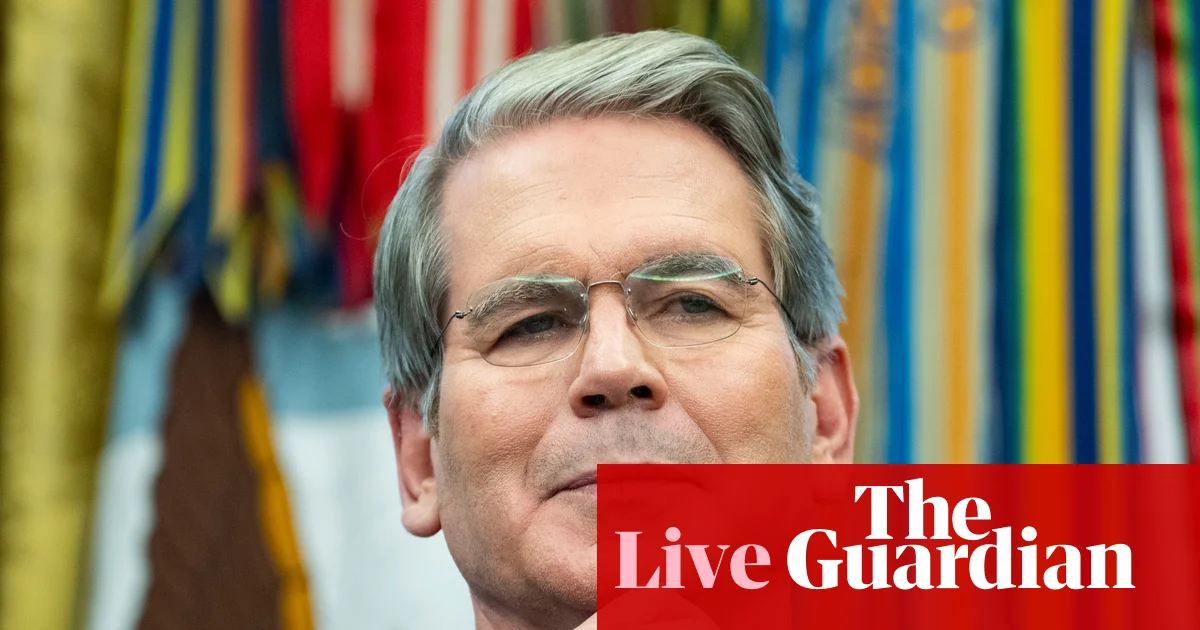
US Treasury Secretary Scott Bessent praises a 'manufacturing renaissance' driven by Trump's tariffs, which aim to boost American manufacturing and generate significant tariff revenue, amidst ongoing political and economic developments.
President Trump has proposed the idea of issuing rebate checks funded by tariff revenue to Americans of certain income levels, aiming to offset higher prices caused by tariffs and stimulate the economy, though the plan would require congressional approval and faces legal and logistical challenges.
President Trump has used tariffs to pursue goals like boosting US manufacturing, increasing revenue, and pressuring foreign countries, but experts argue these measures may not achieve all their intended effects due to economic and practical limitations. While some companies have announced investments in US factories, actual manufacturing growth has been limited, and tariffs have only generated a fraction of the revenue Trump predicted. The effectiveness of tariffs as a tool for economic and diplomatic goals remains uncertain, with potential contradictions in their intended outcomes.