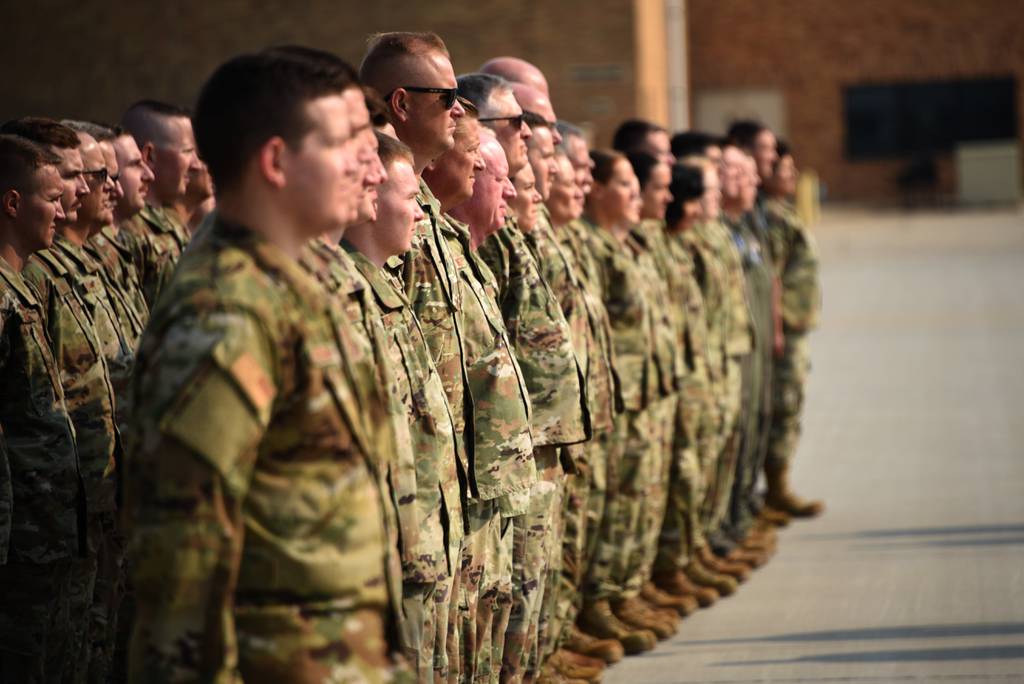
President Trump claimed credit for military bonuses that were already approved by Congress, suggesting they were funded by new tariff revenue, which officials say is not the case. The bonuses will be distributed before the annual pay raise, which is based on federal formulas and not a special increase. The bonuses are part of a broader effort to honor the nation's founding and will be received by most junior officers, enlisted troops, and some reservists, but not senior officers. The article highlights previous misstatements by Trump regarding military pay and clarifies the actual funding and timing of these bonuses.
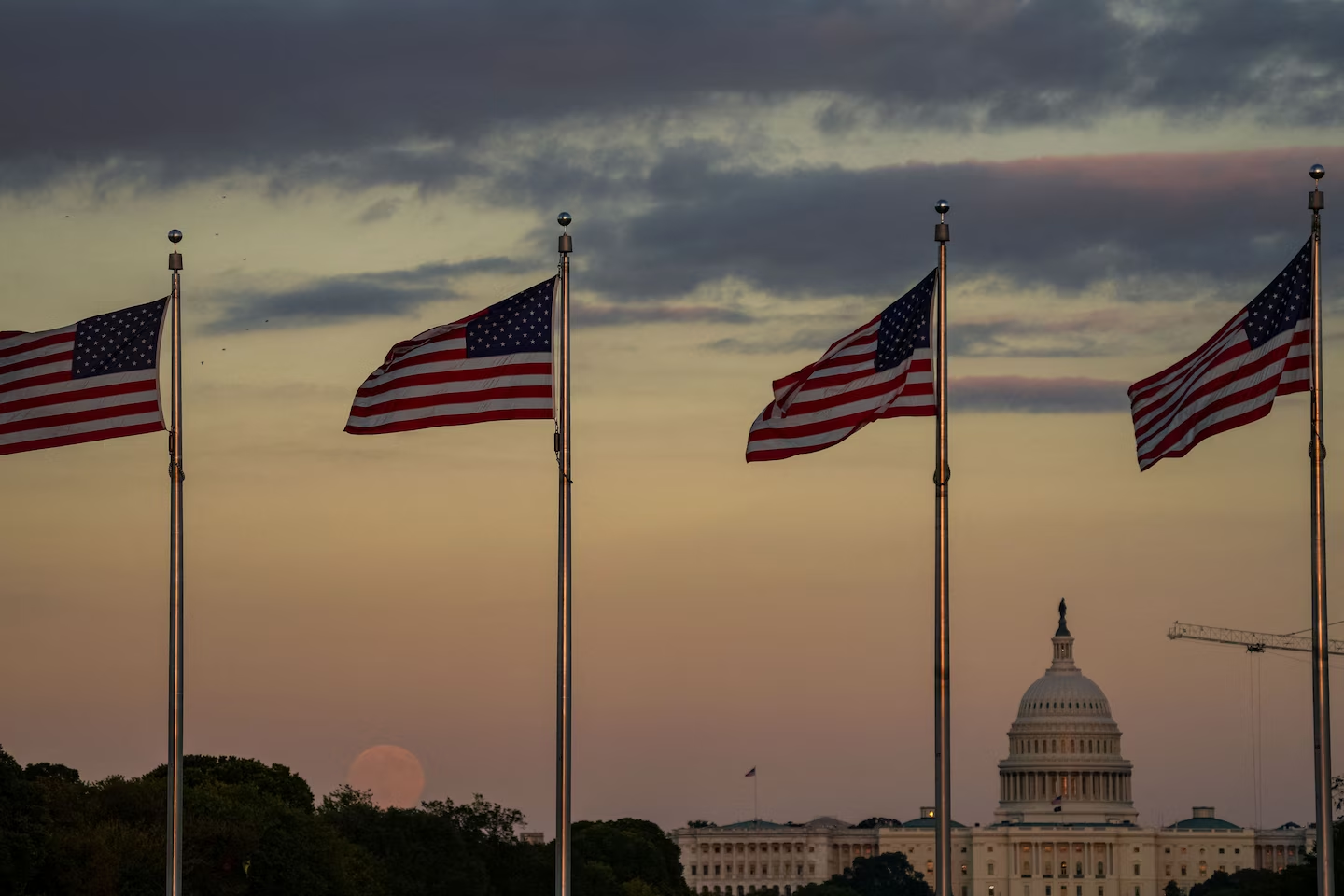
The Senate approved a $925 billion defense bill, setting the stage for negotiations with the House, focusing on Pentagon reforms, military pay raises, and some bipartisan measures, amid ongoing disagreements over troop deployments and military policies.
The U.S. House has passed the National Defense Authorization Act (NDAA), which includes a significant 14.5% pay raise for junior enlisted troops but also a controversial provision restricting healthcare for transgender children of service members. The bill, which passed with a 281-140 vote, now moves to the Senate. The healthcare restriction has sparked opposition from Democrats, who argue it could deny necessary medical care to military children. The NDAA's passage is seen as a Republican victory for including the healthcare restriction, despite bipartisan support for the pay raise.
The Senate is set to vote on the National Defense Authorization Act, a critical defense policy bill that authorizes funding for the Department of Defense. The bill includes a $28 billion increase in defense funding and a 5.2% pay raise for military members. However, it also includes a short-term extension of a controversial law allowing warrantless surveillance of foreign nationals, which has sparked criticism. The bill does not include provisions related to abortion and transgender health care access.
House and Senate negotiators have reached a compromise on the annual defense authorization bill, removing controversial social issues such as abortion provisions and transgender military care. The compromise bill focuses on advancing a 5.2% pay raise for troops and includes provisions for Defense Department operations. The legislation, which sets military policy and spending priorities, is expected to be voted on by the full House and Senate next week. The final authorization plan also includes restrictions on diversity training, encourages re-enlistment for troops dismissed for vaccine refusal, and calls for cuts in active-duty personnel for the Army, Navy, Air Force, and Marine Corps. Funding for these provisions will be determined in the fiscal 2024 defense budget bill.