Sonic Racing: CrossWorlds has surpassed 1 million copies sold, with Sega projecting roughly another million units to be sold within the current fiscal year, boosted by a forthcoming Switch 2 physical release and strong Steam reception. Despite earlier underwhelming performance, Sega remains optimistic about long‑term sales and continues to mine classic IPs for future hits.
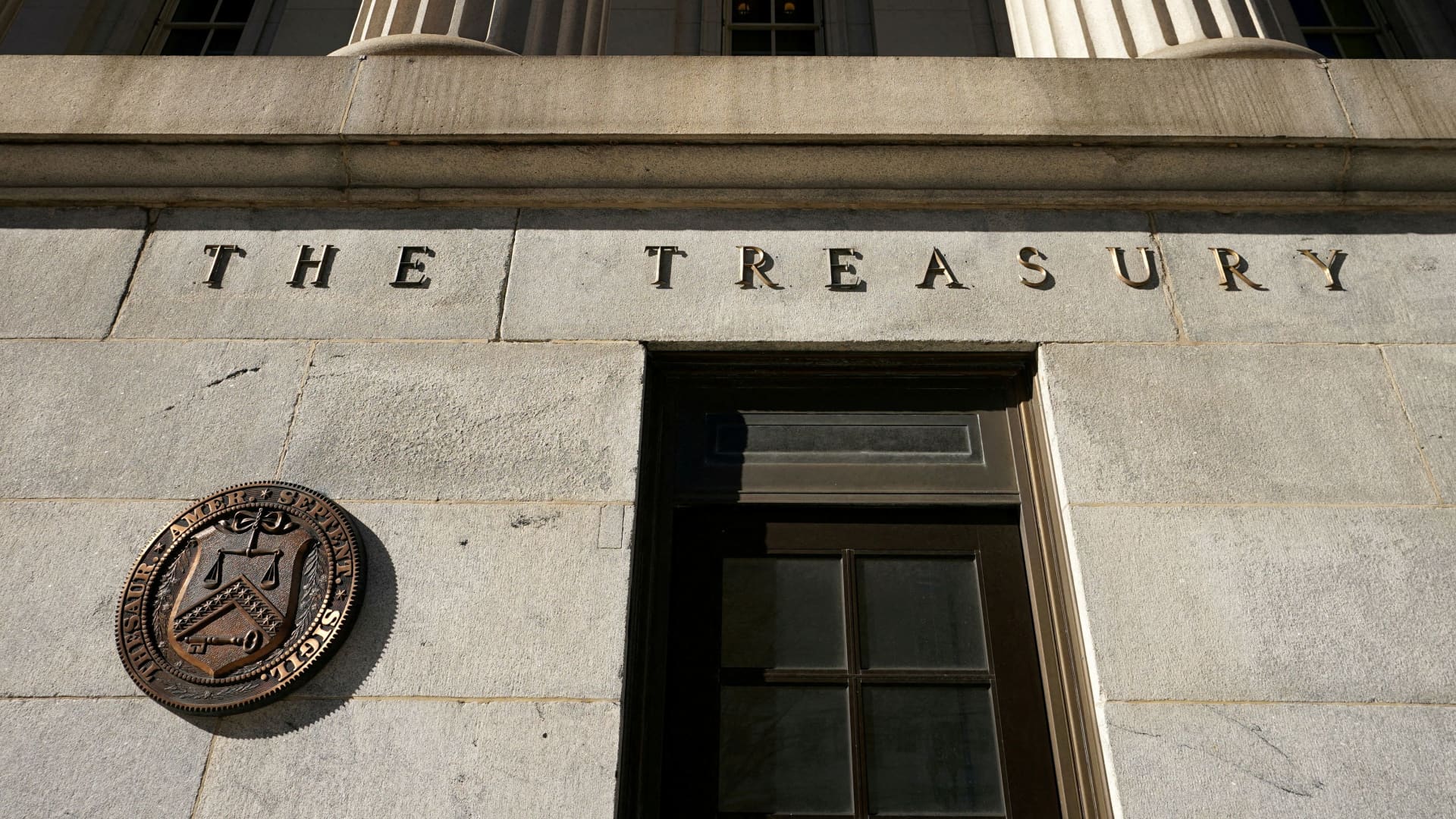
The US experienced its third-largest fiscal deficit on record this year, despite a record surge in tariff revenue driven by Trump's tariff hikes, with August tariffs reaching $30 billion. The total deficit through August is nearly $2 trillion, but some improvement is expected by year's end. Corporate tax receipts declined in August, and the future of tariffs depends on a Supreme Court decision, which could significantly impact revenue.
US customs duties exceeded $100 billion in a fiscal year for the first time, driven by President Trump's tariffs, leading to a surprise $27 billion budget surplus in June and projections that tariff revenue could reach $300 billion in 2025, making tariffs a significant revenue source for the federal government.
The US government posted a surprising June surplus of over $27 billion, driven by increased tariff receipts and higher revenue, despite ongoing high interest payments on the national debt. This marks the first June surplus since 2017, with tariffs significantly contributing to revenue growth, although the fiscal year still shows a substantial deficit of $1.34 trillion.
The top Republican and Democrat in the U.S. Congress have reached a deal to fund the government through the fiscal year, with the last hurdle being funding for the Department of Homeland Security. The agreement, covering about three-quarters of discretionary government spending, is still being finalized and must be passed before the weekend shutdown deadline. However, more battles are expected as the nation's national debt continues to rise, and there are disagreements over foreign security aid and funding levels.
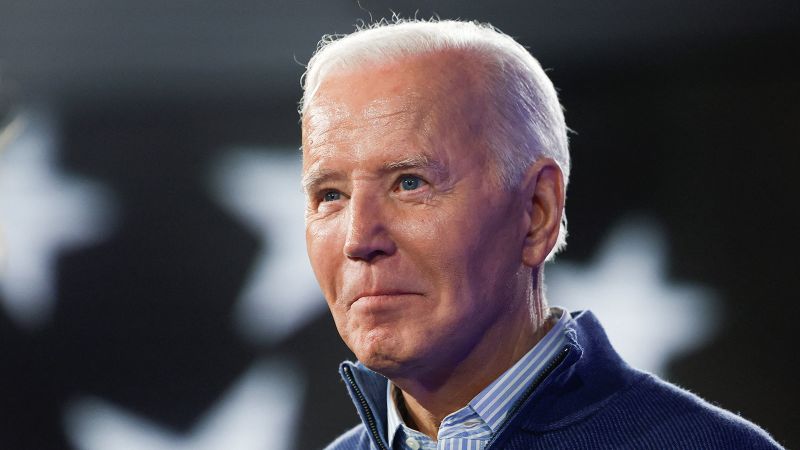
President Joe Biden signed a package of six government funding bills into law, averting a shutdown and representing a major breakthrough for lawmakers. The bills, backed by bipartisan support, fund critical government departments and agencies through the remainder of the fiscal year. While agencies have ceased shutdown preparations, lawmakers still need to finalize and pass a second slate of funding bills ahead of a March 22 deadline. The package includes funding for various departments and programs, with Democrats emphasizing social safety net programs and Republicans touting spending cuts and conservative policy riders.
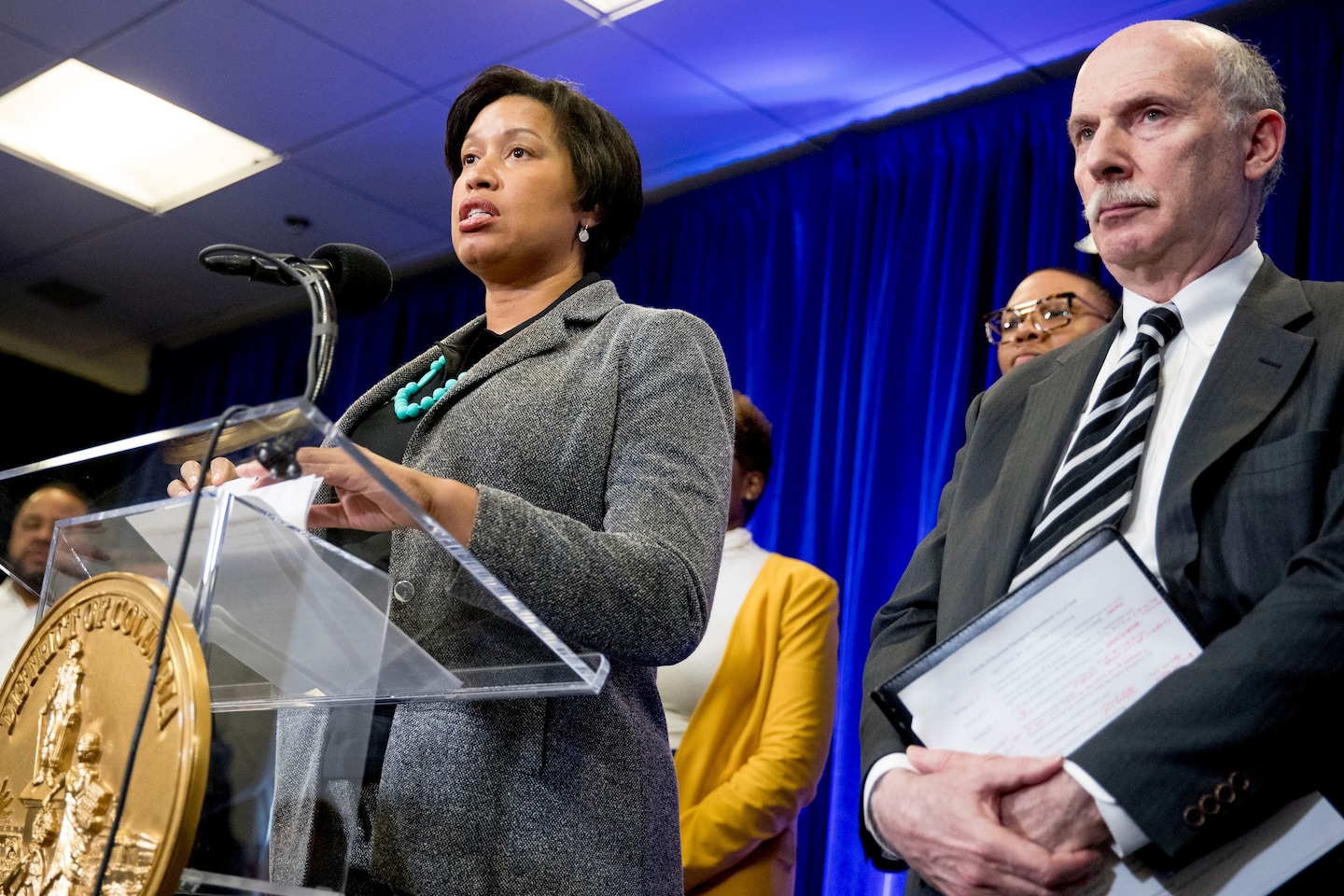
D.C. leaders are preparing for a challenging budget for the next fiscal year, with a potential deficit of $600 million to $800 million. Mayor Bowser and Council Chairman Mendelson are considering a tax increase to address financial pressures, including the need to increase Metro funding, replenish reserves, and boost per-pupil funding for schools. The pandemic's impact on office vacancies and tax revenue continues to affect the city's finances, prompting discussions about potential cuts to programs and the need to focus on core services and public safety. Chief Financial Officer Glen Lee has cautioned about long-term economic risks, including declining tax revenue from commercial properties, while also highlighting some positive signs such as population growth and job rebound in the leisure and hospitality industry. The city's Tax Revision Commission is still finalizing recommendations for potential tax system reforms, adding to the complexity of the upcoming budget deliberations.
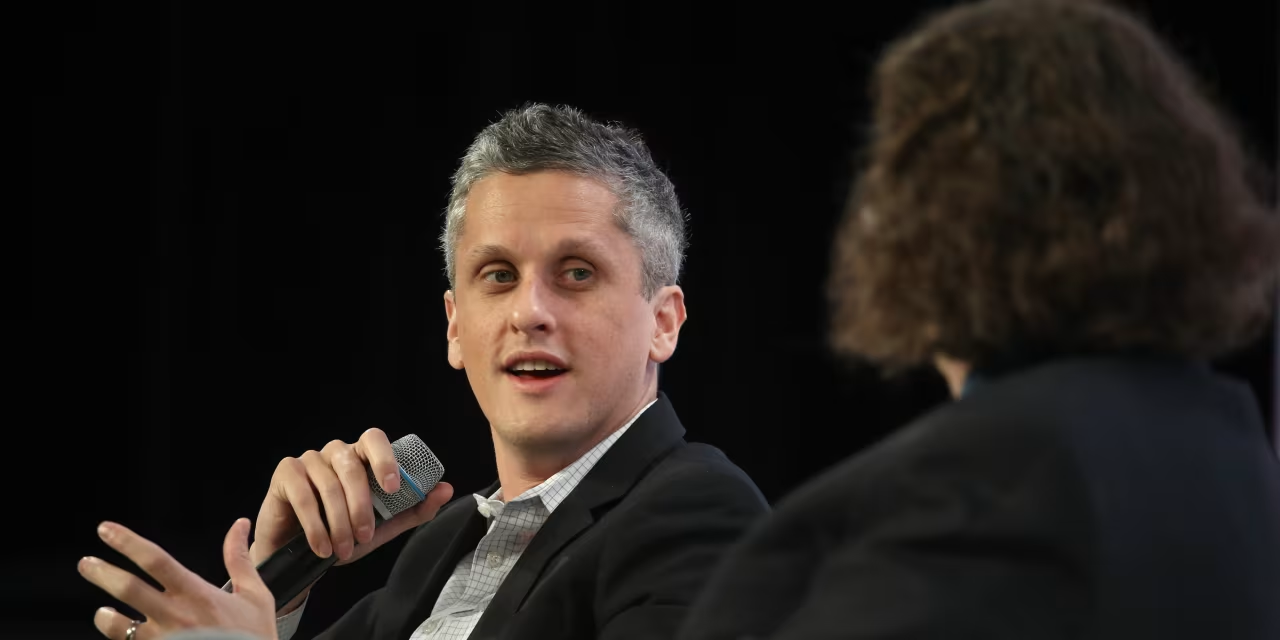
Box Inc. reported its first $1 billion fiscal year and announced a $100 million share-buyback program, leading to a 2% rise in its stock after hours. The company's CEO highlighted the adoption of Box AI by financial services customers, integrating advanced AI models into the Box Content Cloud, and also announced integration with Microsoft Azure OpenAI.
Congressional leaders have released a 1,050-page government funding bill to keep the government open until October, with plans to pass it ahead of a late Friday deadline. The bill represents a series of compromises between the Republican-led House and Democratic-controlled Senate, with provisions that satisfy both parties. House Republicans are aiming to vote on the measure Wednesday, followed by the Senate. The package covers funding for several departments but doesn't include funding for the Pentagon and other agencies, which faces a March 22 deadline. Congressional leaders still haven't reached a deal on that tranche of funding.
Sony Interactive Entertainment announced that it will not release any new major existing franchise titles for the PlayStation 5 before March 31, 2025, focusing instead on developing high-quality works and live service games. This decision excludes new intellectual property and non-major existing franchise titles. The company also anticipates a gradual decline in PlayStation 5 hardware sales and a slight decrease in profit from first-party software in the next fiscal year, while expecting third-party software sales to continue expanding.
NASA's Jet Propulsion Laboratory plans to lay off 530 employees and 40 contractors due to lack of funding for the 2024 fiscal year, affecting 8% of its workforce. The decision comes as the lab has yet to secure funding and faces budget constraints. Employees were notified via email and were asked to work from home during a "mandatory remote work day." The director described the layoffs as a difficult but necessary action, and impacted employees will continue to receive their base pay and benefits during a 60-day notice period.
Finance Minister Nirmala Sitharaman presented a low-key interim budget just ahead of the national election, adhering to the traditional lack of freebies in such budgets. She had previously cautioned against expecting any significant announcements, and indeed, the budget did not contain any surprises or extravagant measures, in line with the expected purpose of simply seeking approval for government spending for a few months.
Finance Minister Nirmala Sitharaman presented a low-key interim budget just ahead of the national election, refraining from offering any freebies as expected. She had previously cautioned against expecting any excitement, and indeed, the budget was devoid of any surprises or giveaways, in line with the traditional uneventful nature of interim budgets.
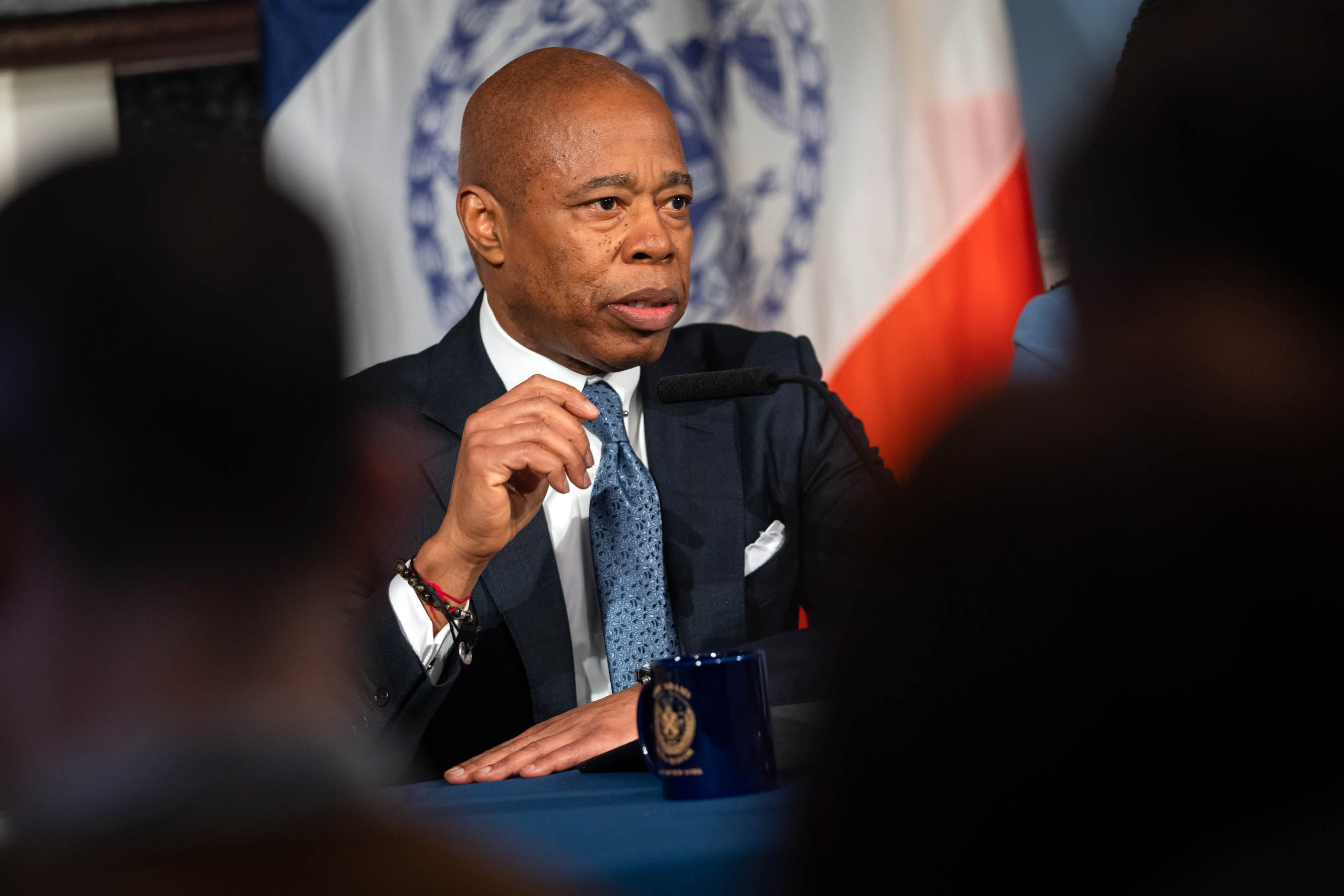
New York City Mayor Eric Adams announced a balanced budget of $109.4 billion for the upcoming fiscal year, with better-than-expected tax revenue and reduced projected costs of sheltering migrants. This could improve his political standing but weaken his negotiating position with Washington. The City Council, empowered by the increased revenue projections, may push back on the mayor's proposed cuts, creating political difficulty closer to home.
The US government's budget deficit for the first quarter of fiscal year 2024 reached nearly $510 billion, contributing to a total government debt surpassing $34 trillion for the first time. Despite efforts to reduce the deficit through the Inflation Reduction Act, the deficit is on track to exceed $2 trillion by the end of the year. Rising inflation and elevated interest rates have further increased financing costs for the government, with debt as a percentage of GDP reaching 120% in the third quarter of 2023.