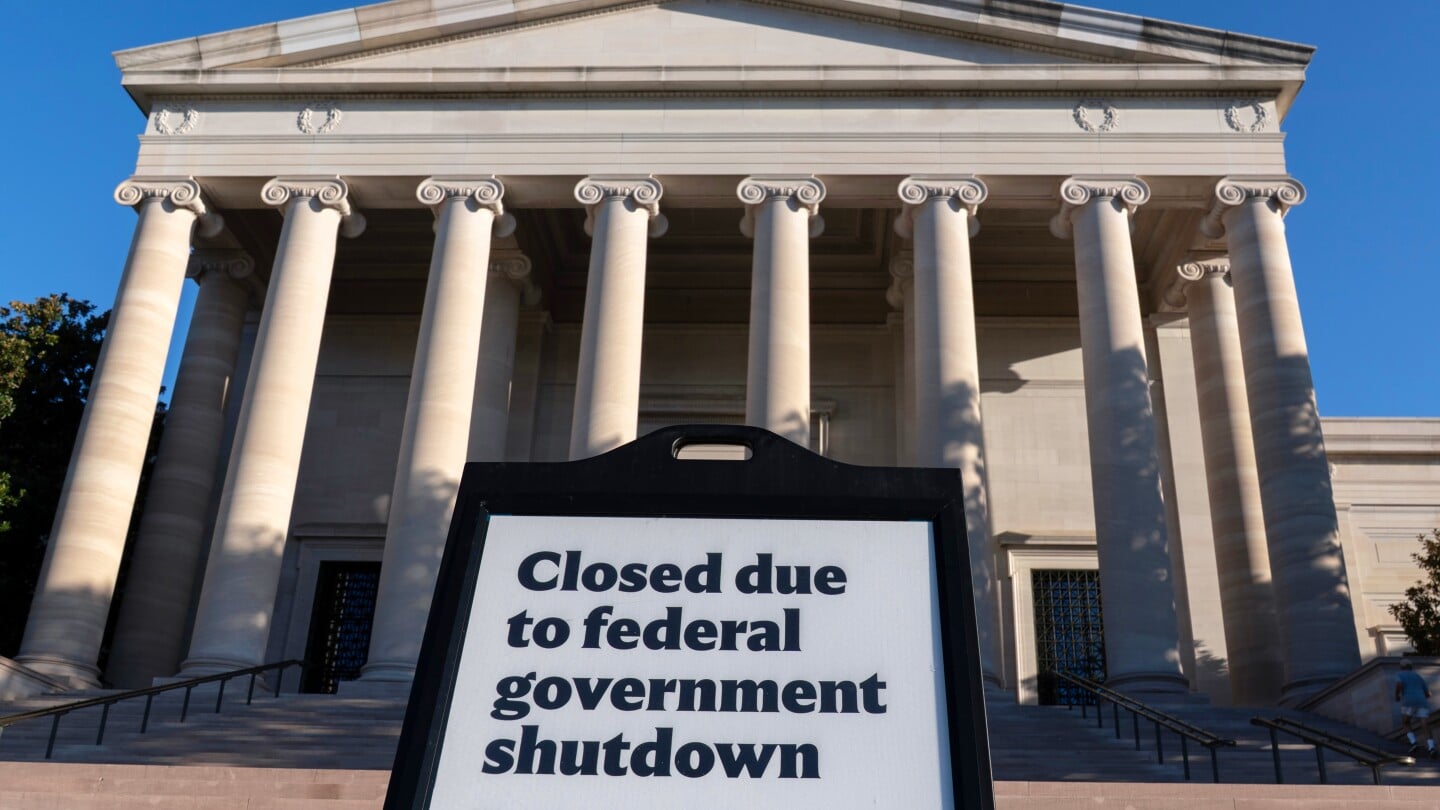
The US government shutdown, initially limited in impact, is now affecting essential programs like food assistance, military pay, and energy aid, with potential long-term economic and political consequences as delays and funding gaps grow, especially with upcoming elections and critical services at risk.

The White House has temporarily found funds from various accounts to pay U.S. troops during the ongoing government shutdown, despite political disagreements over funding and concerns about legality. Meanwhile, millions face losing food benefits, and the shutdown is causing widespread disruptions, with pressure mounting on Congress to end the impasse.
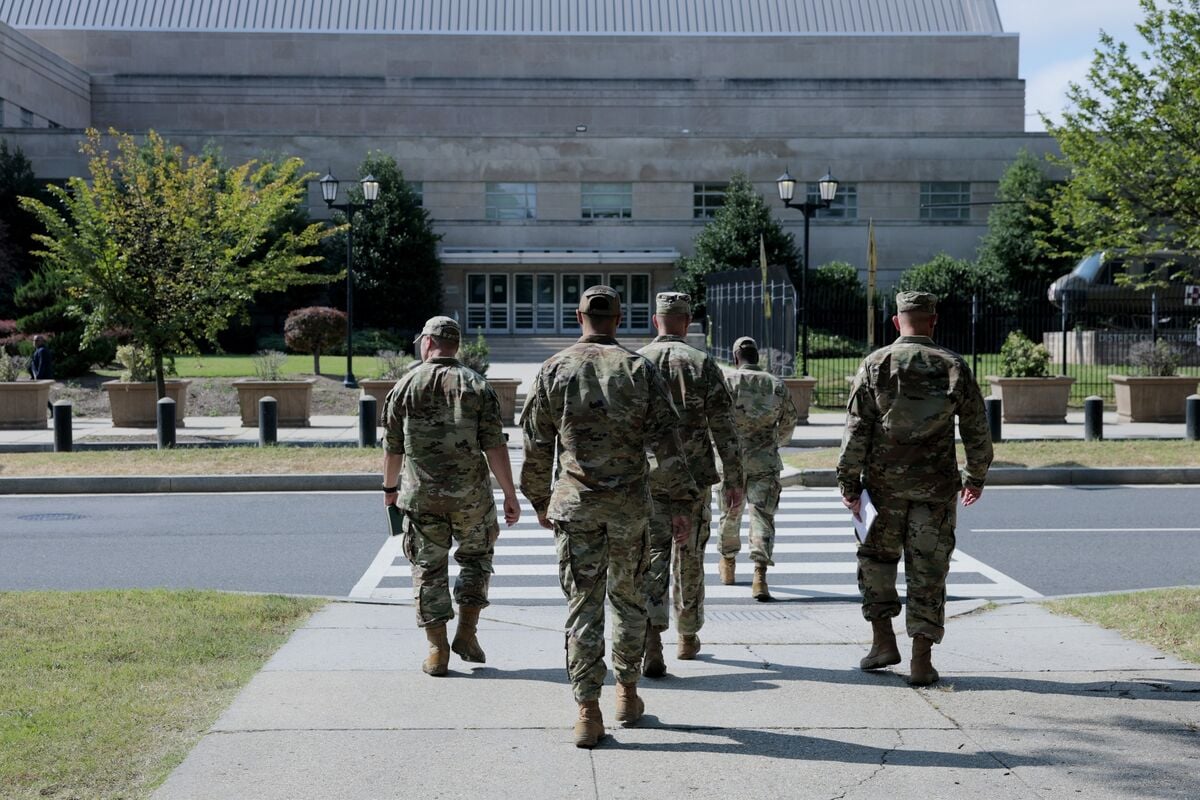
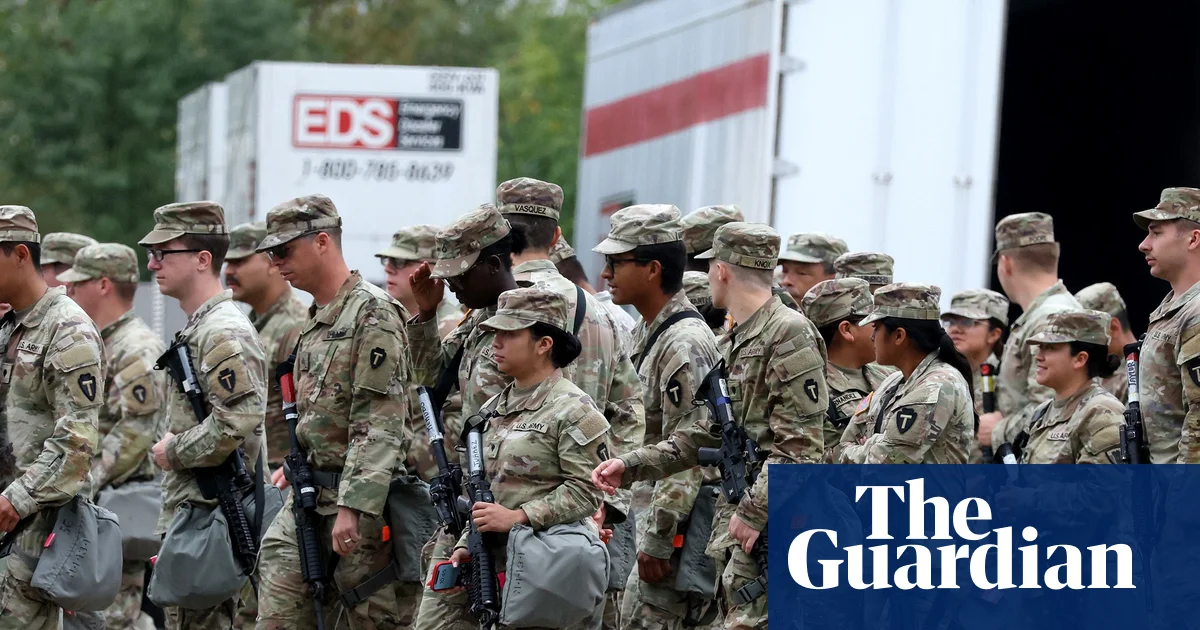
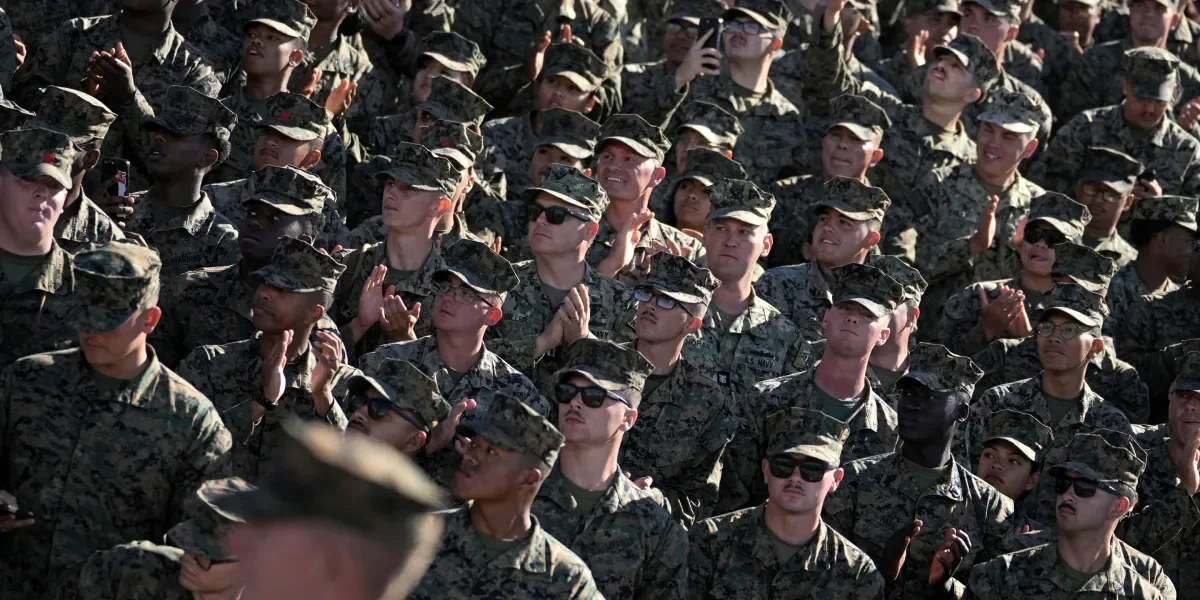
The White House will pay military personnel on Friday by using three different funding sources, including a portion from a recent legislation, to prevent missed paychecks amid the ongoing government shutdown, while other benefits like SNAP and WIC face funding shortfalls.
Vance assured that troops will receive their paychecks this week amid ongoing government shutdown negotiations, while the White House explores options to fund food assistance programs like SNAP, which are running out of cash. The discussions also involved Senate Republicans urging unity to pressure Democrats into reopening the government, with some focus on broader funding issues and policy debates such as beef imports from Argentina.
Despite the ongoing US government shutdown, Vice President JD Vance announced that the Trump administration expects to pay military personnel on Friday, using previously allocated funds, while other federal workers and low-income Americans face unpaid wages and reduced services. The shutdown continues to impact transportation, food aid, and federal operations across the country.
As the federal government shutdown approaches one month, key programs like SNAP, WIC, and Head Start face funding shortages, risking benefits for millions of Americans, including low-income families and military personnel, while Congress remains unable to reach a funding agreement.
President Trump’s unilateral decision to pay military personnel during the government shutdown, using repurposed defense funds and a private donation, raises legal concerns and sets a dangerous precedent by undermining Congress’s constitutional authority over government spending, potentially impacting future decisions on military deployment and domestic military use.
Timothy Mellon, a private billionaire and top Trump supporter, secretly donated $130 million to pay military and federal workers during the government shutdown, raising questions about legality and transparency, amid ongoing budget disputes.
Reclusive billionaire Timothy Mellon has been identified as the anonymous donor who contributed $130 million to help pay US troops during the ongoing government shutdown, a move that may violate federal law, with Mellon having a history of significant political donations supporting Trump and other Republican causes.
The Senate rejected a Republican bill to pay active-duty military and federal workers during the government shutdown, with Democrats opposing it and supporting a bill that would pay all federal workers without empowering the President to selectively withhold pay, amid ongoing partisan standoff and no immediate resolution in sight.
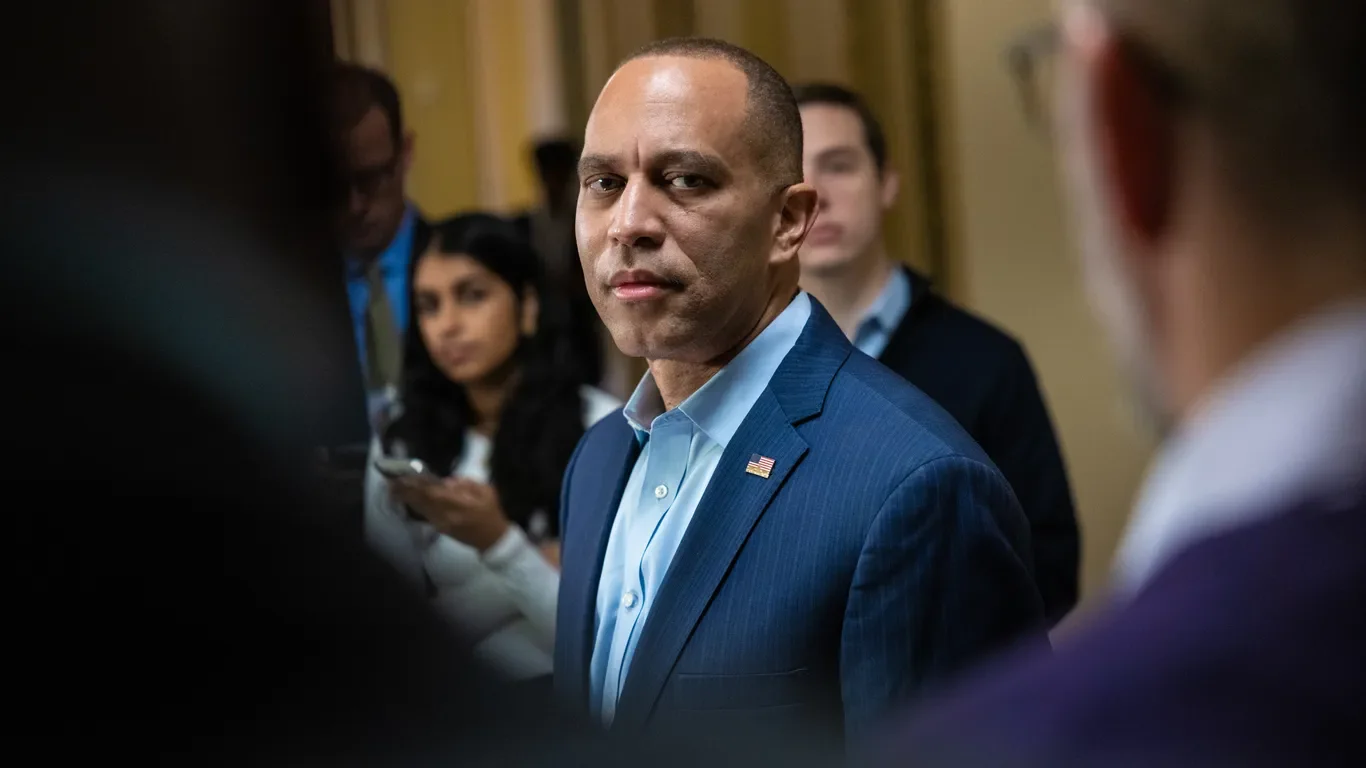
House Minority Leader Hakeem Jeffries opposes a Senate Republican bill to pay federal workers and troops during the government shutdown, citing concerns that it is not comprehensive and appears politically motivated, which may hinder its passage in the House.
Amid ongoing government shutdown tensions, President Trump is reportedly using alternative funding to pay military personnel without congressional approval, prompting concerns from GOP senators about bypassing legal processes. Legislation to fund the military is expected to face Democratic opposition, while Republicans rally support to keep the shutdown in place. Additionally, North Carolina is set to approve a new congressional map, impacting the state's political landscape ahead of the 2026 midterms.
Lawmakers are divided over Trump's actions to fund military pay during a government shutdown, with some supporting the move within legal bounds and others questioning its legality, while the GAO has yet to review the legality of these maneuvers.
Senate Democrats blocked the $852 billion Defense appropriations bill, despite bipartisan support, as part of broader negotiations and disagreements over government funding, risking delays in military pay and national security funding amid ongoing government shutdown tensions.
Senate Democrats blocked the annual Defense spending bill, highlighting deteriorating bipartisan relations amid a government shutdown, with debates over package considerations and concerns about military pay and national security.