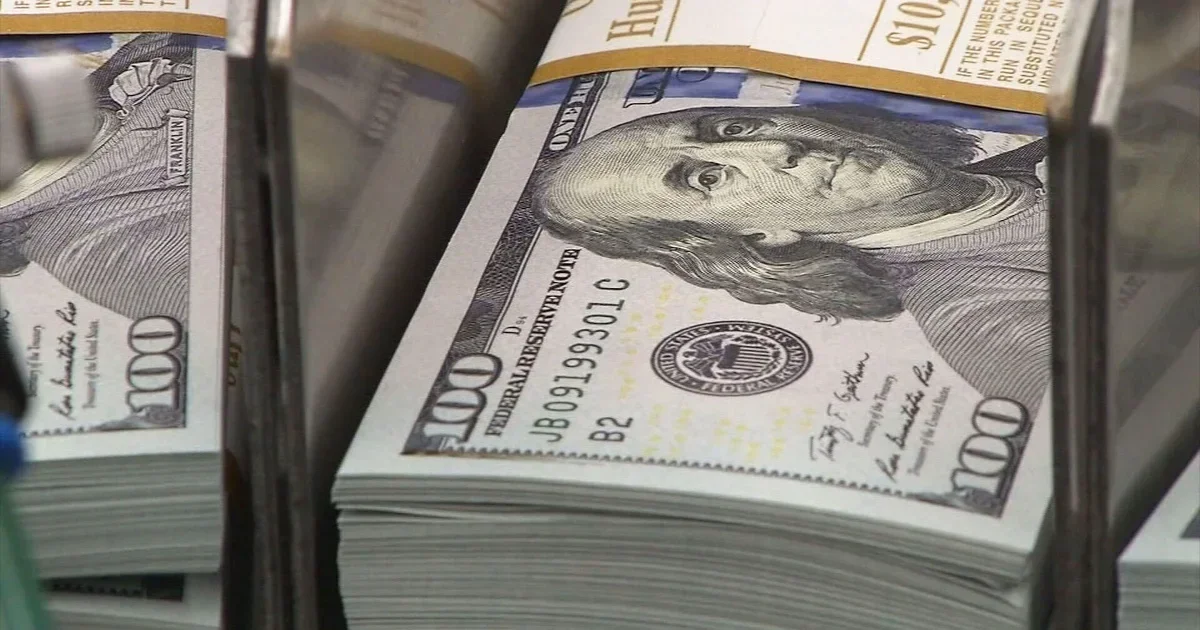
President Trump proposed giving Americans $2,000 rebate checks funded from tariff revenues, but the plan faces significant legal, financial, and political hurdles, including questions about feasibility, support from Congress, and potential economic impacts.
President Trump has proposed the idea of issuing rebate checks funded by tariff revenue to Americans of certain income levels, aiming to offset higher prices caused by tariffs and stimulate the economy, though the plan would require congressional approval and faces legal and logistical challenges.
President Trump suggested the possibility of issuing rebate checks to Americans funded by tariff revenue, aiming to offset higher prices caused by tariffs, though details on size and eligibility remain unclear, raising concerns about potential inflation effects.
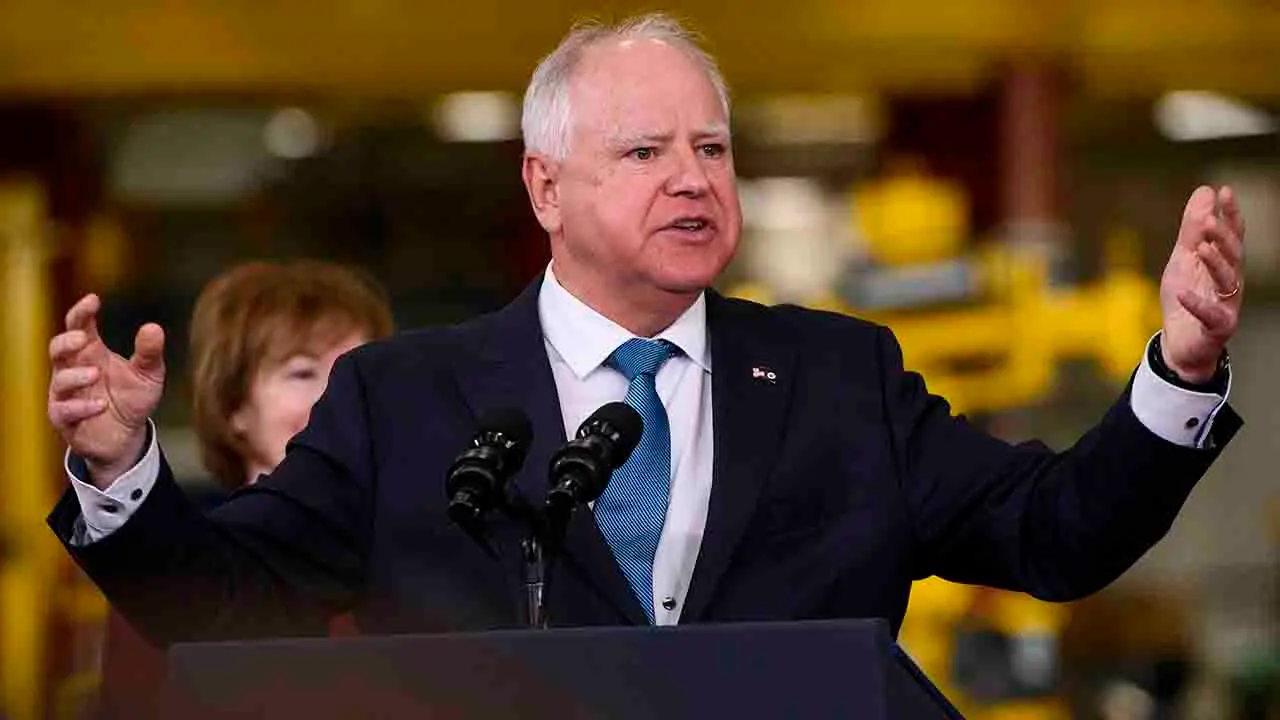
Democratic Minnesota Governor Tim Walz criticized the federal government's decision to tax rebate checks received by Minnesotans this year, calling it "bulls---." The IRS's decision to tax the rebates while pandemic relief payments in other states were tax-free could cost Minnesota residents between $26 and $286, depending on income and the rebate amount. Walz has spoken to Biden administration officials about the issue but no progress has been made. He argued that Minnesotans were being treated unfairly because the state missed a cutoff by 15 days to qualify for tax-free status, while other states were able to qualify. The Minnesota budget is projected to have a surplus of $2.4 billion through June 2025.
Minnesota lawmakers have reached a deal on a proposed tax bill that includes rebate checks for individuals who make an annual income of $75,000 or less, or married couples who make less than $150,000 per year. The one-time payments are $260 for single tax filers, $520 for married couples, and an extra $260 per child for families with up to three children. The bill also includes an exemption for social security income and a new child tax credit. The bill must pass the House and Senate before making its way to Governor Tim Walz's desk.
Minnesota lawmakers have agreed on a tax bill that includes tax rebates, child tax care credits, a break for those on Social Security, and higher taxes for some corporations. The bill will have to go back to the House and Senate for a final vote before reaching Gov. Tim Walz for his signature. The proposed rebate checks are $260 for individuals and $520 for couples, with an additional $260 for each child for up to three children. The bill also includes child tax credits, a phased-out exemption for Social Security income, and a tax increase for businesses with global earnings and investment earnings. The changes are expected to bring in an additional $1 billion over four years.
Lawmakers in Minnesota have agreed on a tax deal to send a one-time rebate check back to most Minnesotans, with $260 for single filers and $520 for married couples, with an extra $260 for each dependent. The checks will be based on income, and income limits were set at under $75,000 for single filers and $150,000 for married couples. Lawmakers also agreed to tax cuts on social security.
Minnesota House Democrats have released a $3 billion tax plan that includes one-time rebate checks of $275 per taxpayer plus more for up to three dependents, a child tax credit of up to $1,175 per child for working families, and a new "millionaires tax" on the state's highest earners. The plan creates a fifth income tax bracket of 10.85% for married couples making more than $1 million per year and individuals making $600,000. Republicans criticized the tax increases, proposing a "Give It Back" plan that would send $13 billion back to taxpayers over two years.