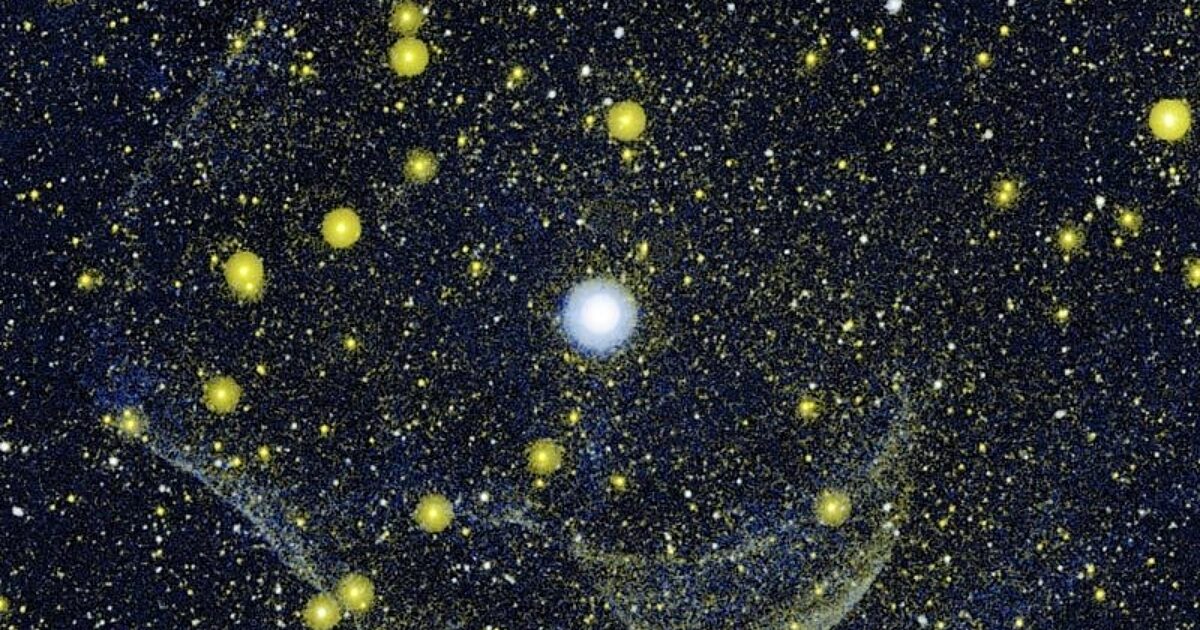
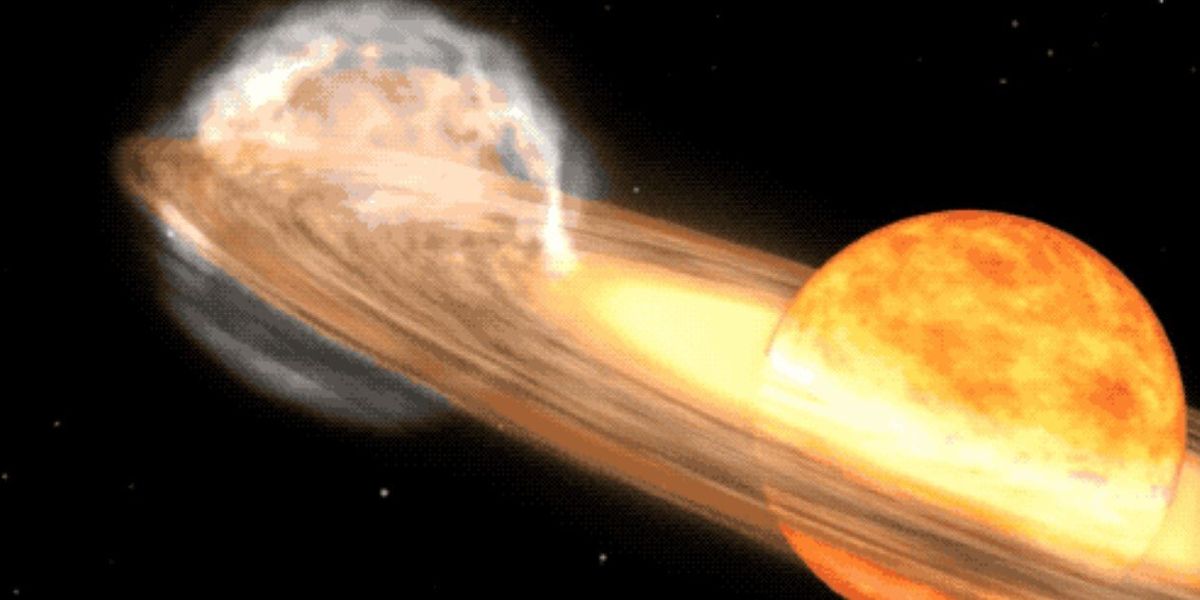
A nova from the star system T Corona Borealis is expected to be visible in the night sky by the end of the year, with a 70% chance of occurring by September. This stellar explosion, which happens roughly every 80 years, will be bright enough to see from urban areas and will appear in the constellation Corona Borealis. The event is caused by a thermonuclear explosion on a white dwarf star in a binary system.
Astronomers are anticipating a rare celestial event later this year as a binary star system in the constellation T Corona Borealis is expected to undergo a massive explosion, making it visible to the naked eye for several days. This phenomenon, known as a recurring nova, occurs every 80 years and is caused by an exchange between a red giant and a white dwarf star. The upcoming event will provide a unique opportunity for astronomers to study and capture images of the explosion, with the James Webb space telescope set to be involved.