Scientists are beginning work on the Synthetic Human Genome project, aiming to digitally design and synthesize a large portion of human DNA, which could revolutionize medicine and biotechnology, though ethical and technical challenges remain.
A UK-based research team, funded by the Wellcome Trust with $11.7 million, is pioneering the creation of a human genome from scratch, aiming to deepen understanding of genetics and develop new medical treatments, while actively addressing the ethical implications of such technology.
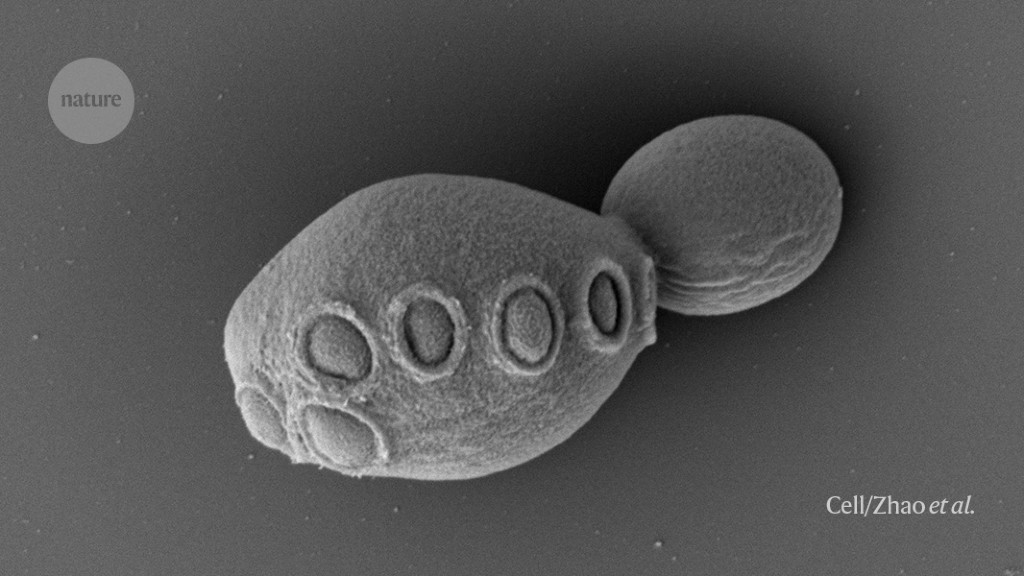
Biologists have successfully engineered a strain of yeast with a genome that is over 50% synthetic DNA. The achievement was made by editing and synthesizing 6.5 of the yeast's chromosomes in the laboratory, along with stitching together an additional chromosome from edited bits of the genetic code. The project, led by the Sc2.0 consortium, aims to create a strain of yeast with a fully synthetic genome, which would be the first eukaryote with such a genome. The engineered yeast has potential applications in producing drugs and fuels, and the project is also advancing biological engineering methods.
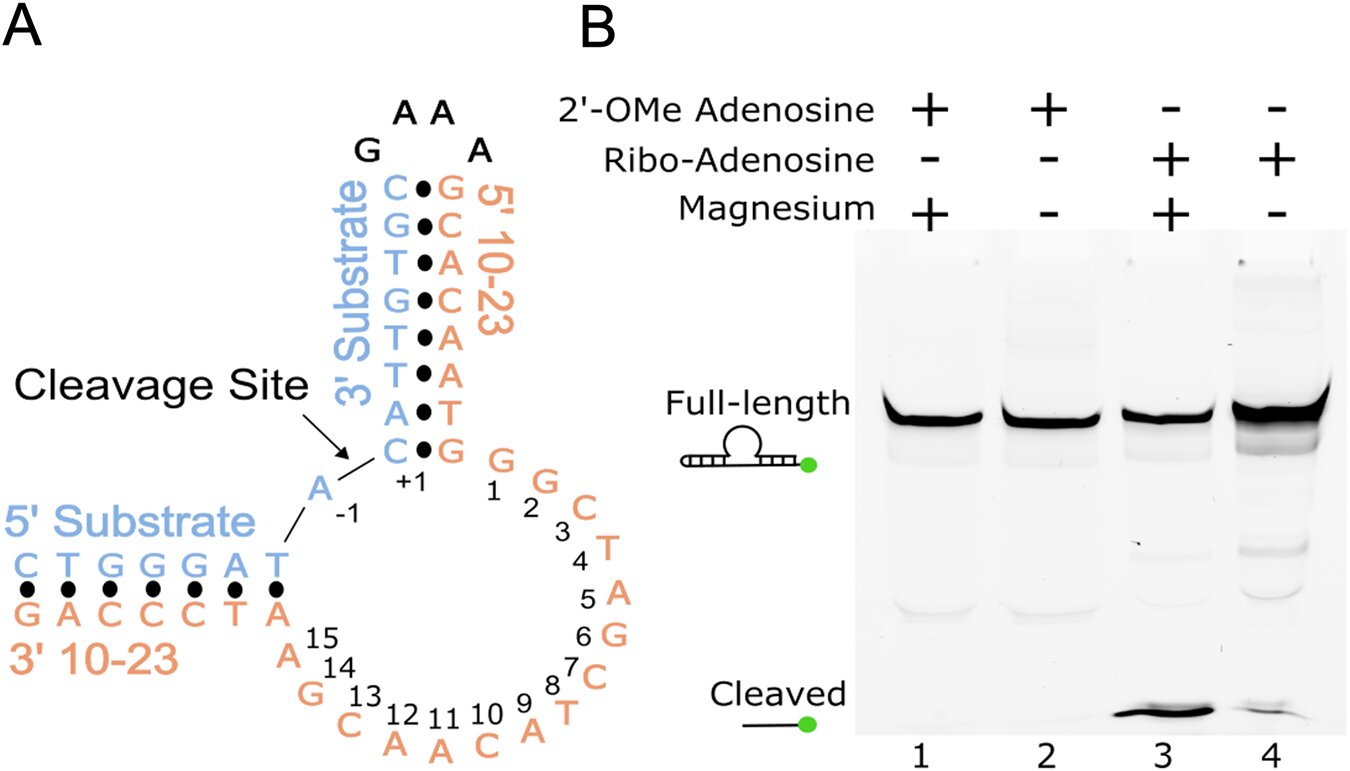
Researchers have used X-ray crystallography to observe synthetic DNA, known as DNAzymes, at an atomic level, providing insights into its structure and potential applications in medical diagnosis and treatment. This breakthrough could lead to the development of more effective treatments for diseases like cancer and retinal degeneration. The study, funded by a Ralph E. Powe Junior Faculty Enhancement Award, sheds light on the catalytic properties of synthetic DNA and opens up possibilities for enhancing its scissor-like activity. By understanding how to optimize the technology, it could be applied as a therapeutic solution for various diseases.
Researchers at West Virginia University have successfully captured the atomic view of synthetic DNA, known as DNAzymes, which have scissor-like functions. By understanding the structure and catalytic abilities of these synthetic DNA molecules, scientists hope to develop new technologies for medical diagnoses and treatments. The findings provide insights into how chemically active DNA can promote unique functions and pave the way for advancements in health and diagnostics. The researchers aim to improve the efficiency of the technology for potential applications in treating diseases such as retinal degeneration and cancer.
Ansa Biotechnologies, a DNA synthesis startup, has successfully synthesized the world's longest synthetic oligonucleotide using enzymatic DNA synthesis, which leverages a polymerase enzyme called terminal deoxynucleotidyl transferase (TdT). This process produces less waste, boasts higher fidelity, and can produce longer DNA molecules than traditional phosphoramidite chemistry. Ansa's goal is to provide gene-length synthetic DNA directly to customers, removing the need for researchers to think about how they get the DNA to do their experiments.