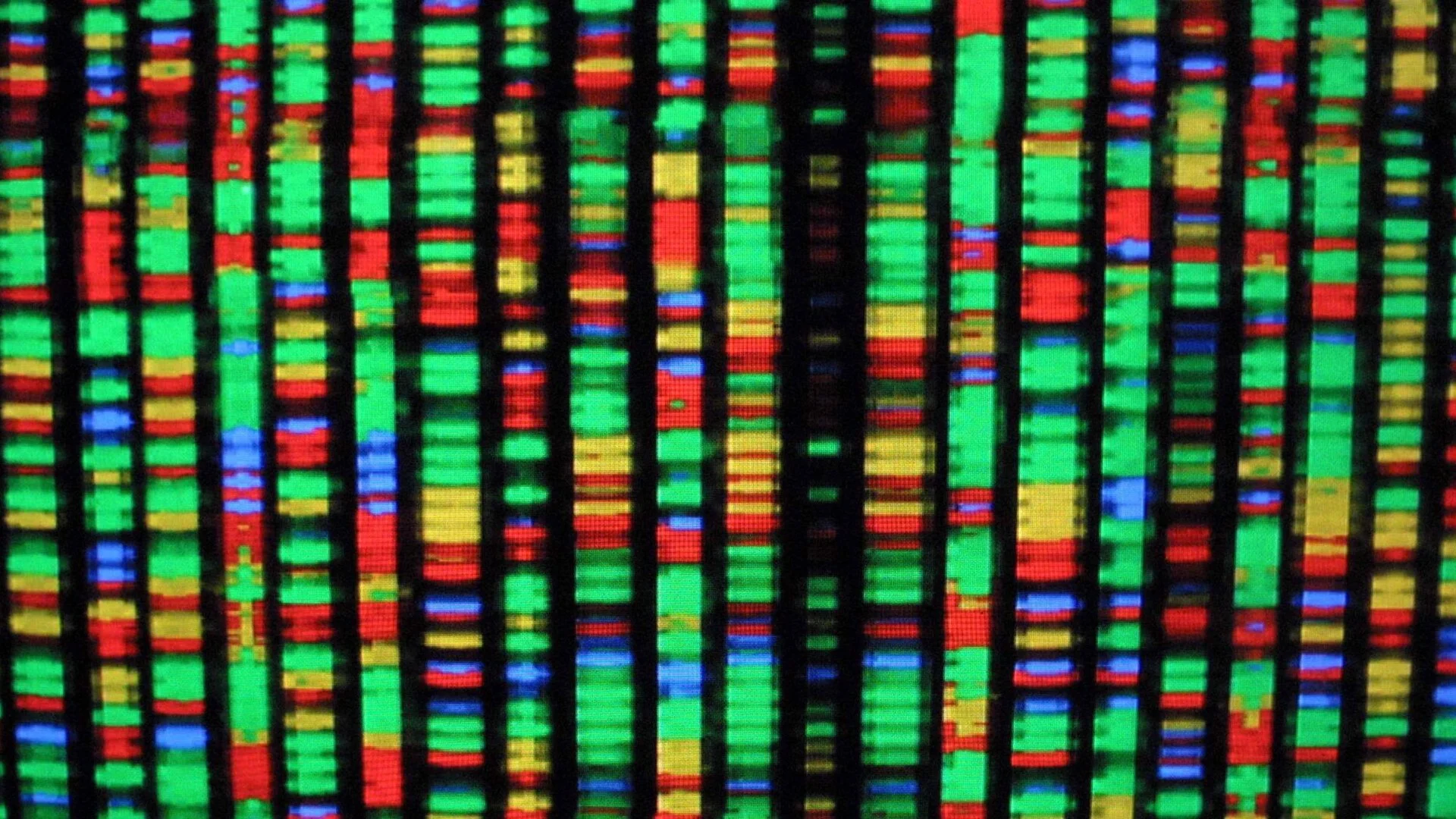
Scientists have successfully created human eggs in the lab using skin cells and a novel technique called 'mitomeiosis,' which could eventually help infertile women and enable gay couples to have genetically related children, though significant ethical and technical challenges remain.
A venture capitalist's extreme actions to punish her surrogate after her son died in utero highlight complex ethical issues at the intersection of technology, power, and culture.
A UK-based research team, funded by the Wellcome Trust with $11.7 million, is pioneering the creation of a human genome from scratch, aiming to deepen understanding of genetics and develop new medical treatments, while actively addressing the ethical implications of such technology.
Naughty Dog's Neil Druckmann believes AI will revolutionize video game development by reducing costs and technical hurdles, enabling more creative projects. However, he emphasizes the need to address ethical issues and master fundamental storytelling skills. The gaming community is divided, with some expressing concerns about AI replacing human roles, while others see it as a tool for personalization and efficiency.
Over 200 musicians, including Billie Eilish, Nicki Minaj, and Stevie Wonder, have signed an open letter demanding protections against the predatory use of artificial intelligence (AI) that mimics human artists. The letter, issued by the Artist Rights Alliance, calls for technology companies to pledge not to develop AI tools that undermine or replace human songwriters and artists. This comes amid industry-wide pushback against the use of generative AI in music, with concerns over ethical and legal issues surrounding copyright infringement and labor rights. Legislation has been introduced to protect musicians from having their vocal likeness generated by AI for commercial purposes, but the debate over the permissible use of AI in music continues.