
The Rising Popularity and Health Benefits of Sauna Bathing
Saunas, especially popular in Finland, are gaining popularity worldwide, including in Britain where the number of public saunas has doubled, raising interest in their health benefits.

All articles tagged with #sweating
Saunas, especially popular in Finland, are gaining popularity worldwide, including in Britain where the number of public saunas has doubled, raising interest in their health benefits.
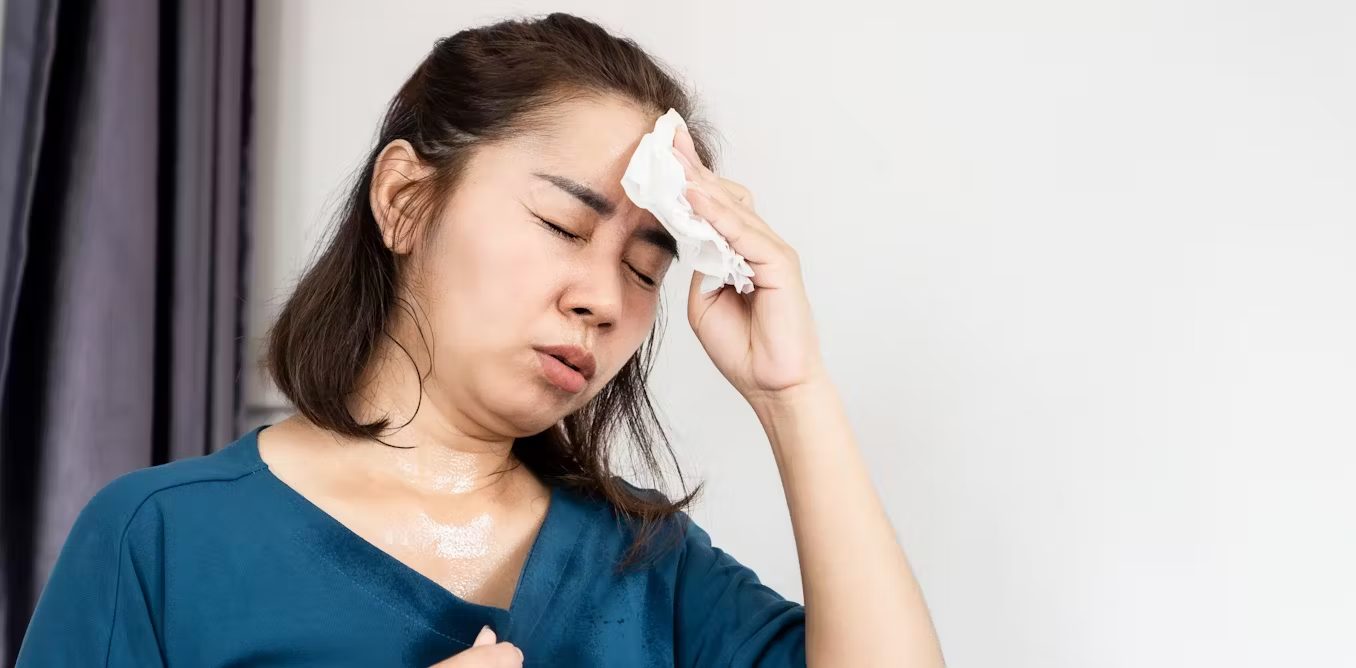
Certain prescription drugs, including antidepressants, antipsychotics, heart medications, stimulants, and insulin, can impair the body's ability to regulate temperature and hydration, increasing the risk of heat-related illnesses during hot weather. It's important for individuals on these medications to stay hydrated, avoid peak heat hours, and consult healthcare providers about managing heat exposure.

Certain foods and drinks, such as spicy foods, hot beverages, alcohol, caffeine, and high-protein meats, can increase sweating by raising body temperature or stimulating sweat glands. Staying hydrated and consuming foods with high water content or rich in calcium and fiber can help reduce perspiration. If excessive sweating occurs on one side of the body or significantly changes after age 30, medical advice should be sought to rule out underlying health issues.
Excessive sweating in the pubic area is a common issue, particularly in hot weather. Dr. Michelle Campbell Mitchell, a Consultant Obstetrician/Gynaecologist, advises against inserting foreign objects or attempting improper cleaning methods, as they can lead to infections. Instead, she recommends maintaining proper hygiene by using mild soap, grooming the hair, wearing breathable cotton underwear, considering antiperspirants sparingly, and altering one's diet to avoid excessive sugar and processed foods. Men are also advised to maintain proper pubic health by washing regularly and keeping hair trimmed.
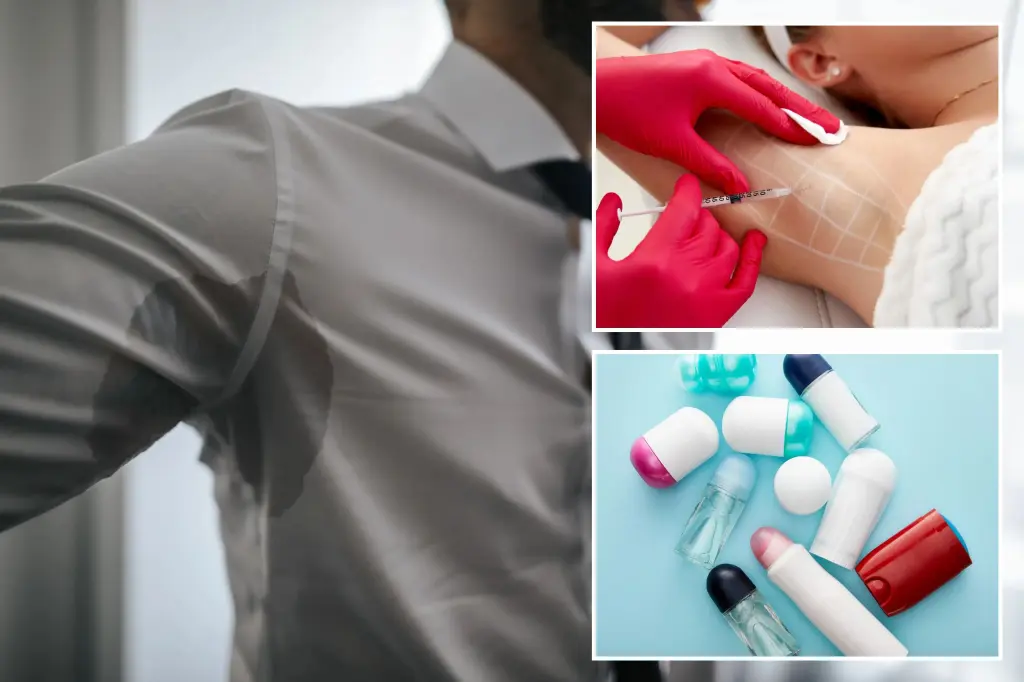
Sweating is a natural bodily function that helps regulate body temperature, but excessive sweating can be bothersome. To combat excessive sweating, experts recommend using antiperspirants that contain aluminum salts to block sweat glands. Loose, breathable, moisture-wicking fabrics can also help minimize sweat. Excessive sweating, known as hyperhidrosis, can be treated with medications, such as anticholinergics, or medical interventions like onabotulinumtoxinA injections (Botox) or hyperhidrosis surgery. However, these treatments carry risks and should be discussed with a healthcare professional.
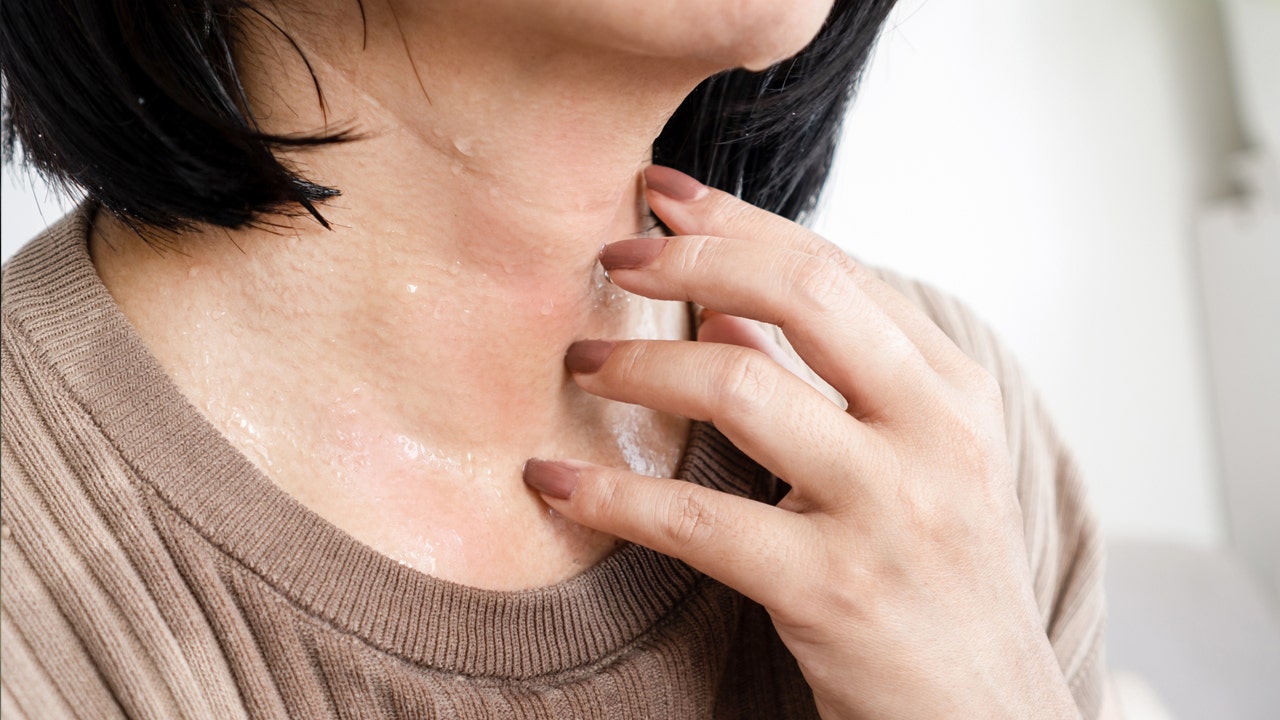
Sweating is a natural bodily function that helps regulate body temperature, but excessive sweating can be bothersome. To combat excessive sweating, experts recommend using antiperspirants that contain aluminum salts to block sweat glands. Loose, breathable, moisture-wicking fabrics can also help minimize sweat. Excessive sweating, known as hyperhidrosis, can be identified by visible sweating, difficulty with fine motor skills, and prolonged wetness of the skin. Certain medications can contribute to excessive sweating. Medical interventions for excessive sweating include anticholinergic drugs, onabotulinumtoxinA injections (Botox), and hyperhidrosis surgery, but these treatments carry risks and should be discussed with a healthcare professional.

Fungi, including mushrooms, have the ability to cool down by "sweating" away water, according to a new study. Scientists are unsure why fungi might want to stay cool, but the discovery sheds light on a potentially fundamental aspect of fungal biology and may even have implications for human health. Understanding the reason behind this cooling phenomenon in mushrooms and other fungi could help us understand how fungi interact with their environment and other organisms, including humans.