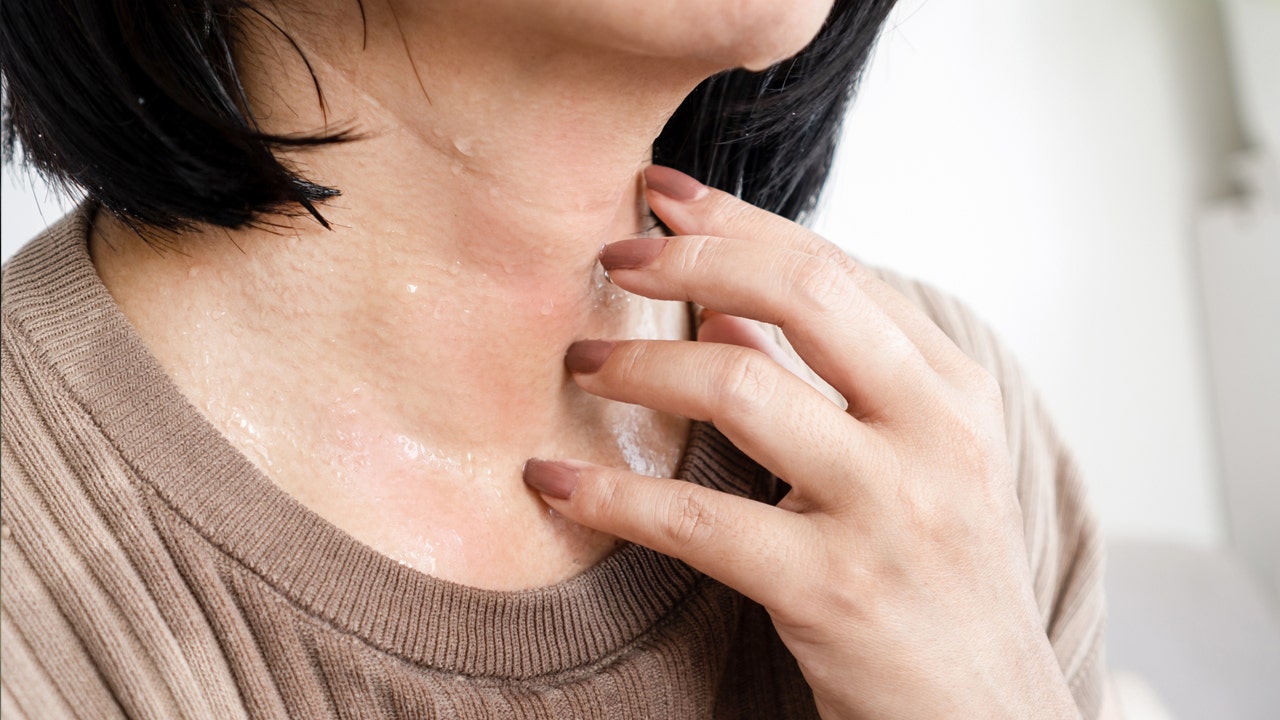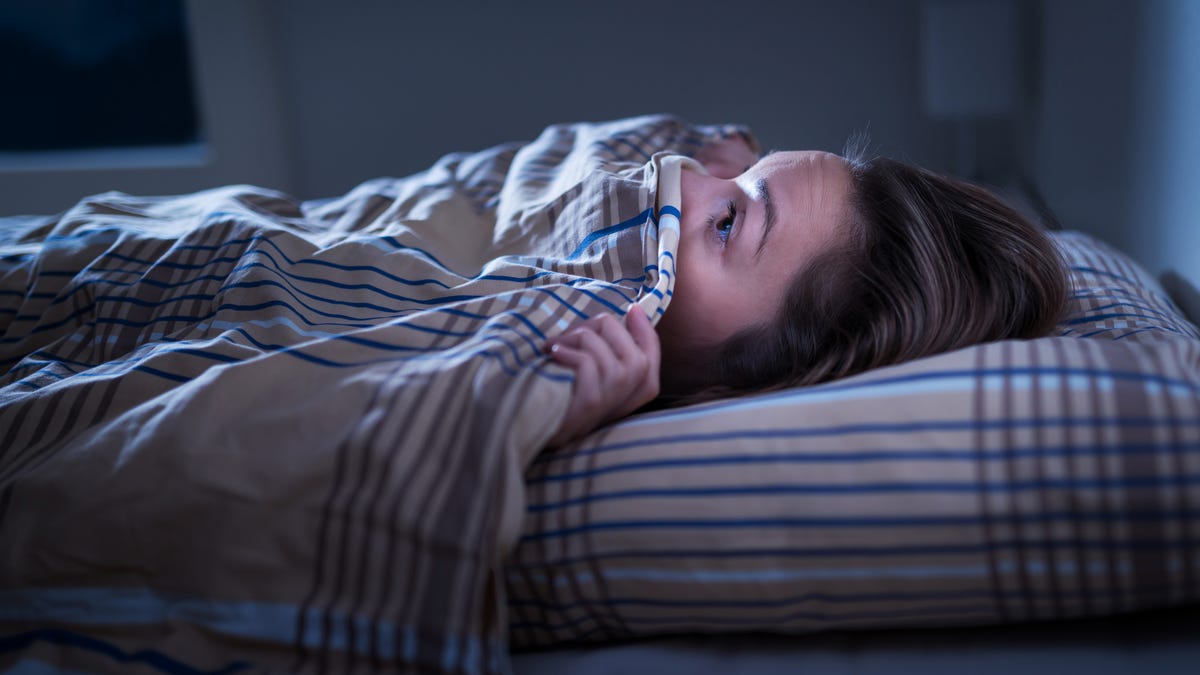
Night sweats are episodes of excessive sweating that occur during sleep, often soaking through nightclothes or bedding. They can be caused by various factors including medication, medical conditions, hormonal changes like menopause, infection, stress, and certain disorders. Night sweats are different from exercise-related sweat in terms of chemical composition and function. It is recommended to have frequent night sweats evaluated by a clinician to identify the underlying cause.

Sweating is a natural bodily function that helps regulate body temperature, but excessive sweating can be bothersome. To combat excessive sweating, experts recommend using antiperspirants that contain aluminum salts to block sweat glands. Loose, breathable, moisture-wicking fabrics can also help minimize sweat. Excessive sweating, known as hyperhidrosis, can be treated with medications, such as anticholinergics, or medical interventions like onabotulinumtoxinA injections (Botox) or hyperhidrosis surgery. However, these treatments carry risks and should be discussed with a healthcare professional.
Sweating is a natural bodily function that helps regulate body temperature, but excessive sweating can be bothersome. To combat excessive sweating, experts recommend using antiperspirants that contain aluminum salts to block sweat glands. Loose, breathable, moisture-wicking fabrics can also help minimize sweat. Excessive sweating, known as hyperhidrosis, can be identified by visible sweating, difficulty with fine motor skills, and prolonged wetness of the skin. Certain medications can contribute to excessive sweating. Medical interventions for excessive sweating include anticholinergic drugs, onabotulinumtoxinA injections (Botox), and hyperhidrosis surgery, but these treatments carry risks and should be discussed with a healthcare professional.