Tag

Sustainable Construction

All articles tagged with #sustainable construction

environment5 months ago

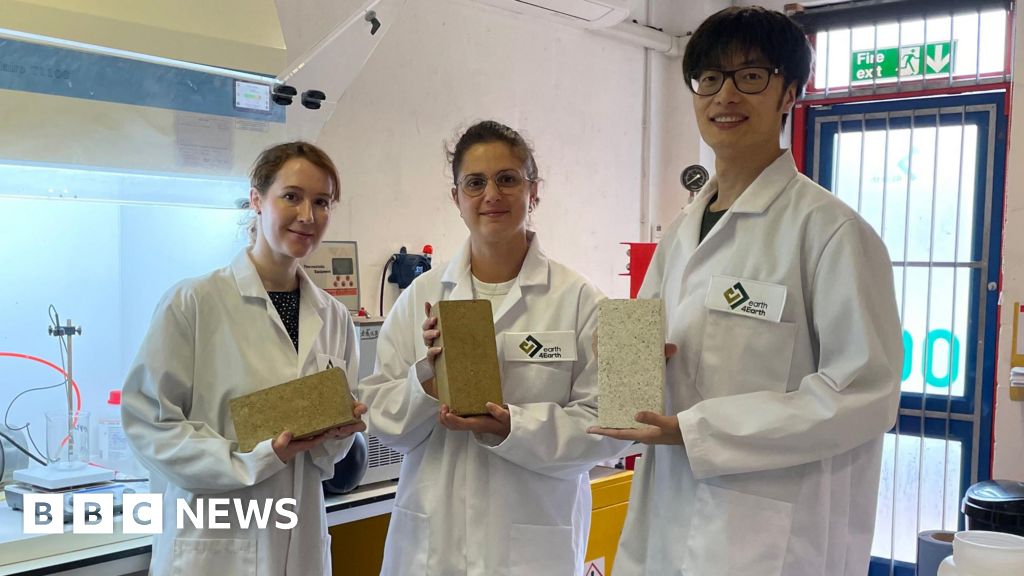
UK Firm Develops Eco-Bricks That Absorb and Store Carbon

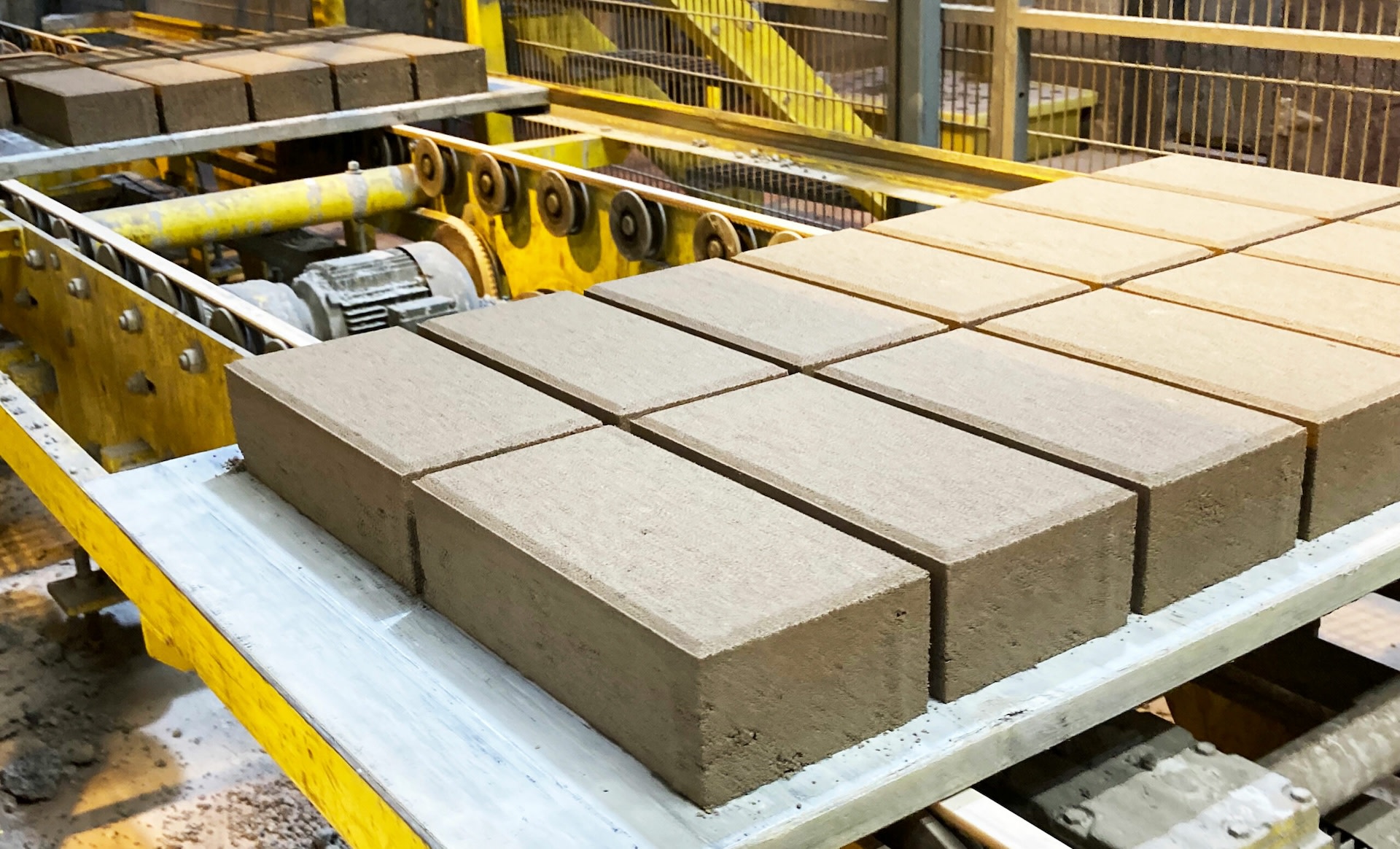
A Sheffield-based start-up, earth4Earth, has developed eco-friendly bricks that absorb and permanently store carbon dioxide, aiming to reduce the construction industry's environmental impact. The bricks are made using soil from construction sites and a new room-temperature lime process, with plans to move production to the UK to lower carbon emissions. Experts support the innovation but emphasize the need for proof of durability and widespread adoption to truly mitigate construction-related pollution.

architecture7 months ago

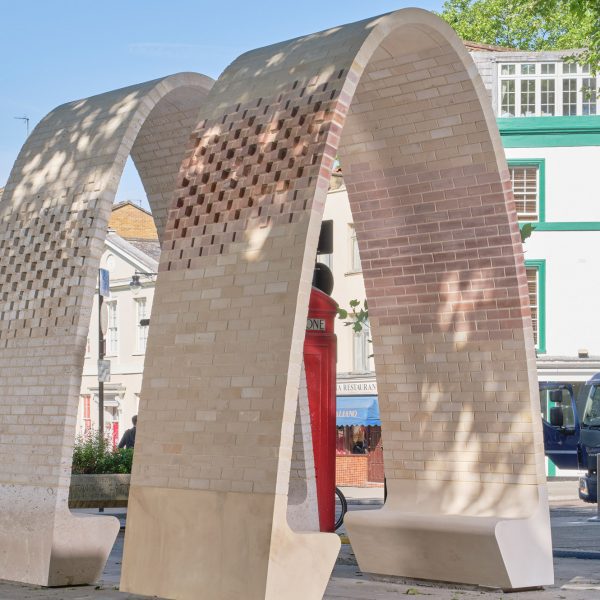
Hawkinsrown and Webb Yates Create Arched Stone Brick Installation

Hawkinsrown and Webb Yates created two hyperbolic arches from unwanted British stone bricks at Clerkenwell Design Week, highlighting the beauty and environmental benefits of stone as a sustainable building material, with the structures made from a single layer of bricks and designed using a catenary curve to optimize material efficiency.

technologyenvironment1 year ago

Revolutionizing Concrete Production: Startup Raises $1.9 Million

Finnish startup Carbonaide has secured $1.9 million in funding to develop a process that mineralizes carbon dioxide from air pollution and incorporates it into concrete production, reducing the need for heavily polluting cement. The company aims to create a more sustainable future by trapping more CO2 than it emits and plans to scale up its pilot factory to revolutionize the construction sector. This innovative approach could significantly reduce air pollution from concrete production and contribute to a more environmentally friendly built environment.

architecture2 years ago

"Tini L Cabin: A Compact and Stylish Retreat by tini"

The Tini L Cabin is a sustainable and efficient dwelling located in an oak forest. Its envelope is designed with optimal insulation, using a combination of insulation materials. The interior walls are covered with OSB, providing a cozy atmosphere and additional thermal insulation. The spacious terrace offers impressive views and is made of thermally treated wood. The interior design maximizes functionality and comfort, with separate modules for living, dining, kitchen, bathroom, and bedroom. Overall, the Tini L Cabin harmoniously integrates into its natural environment while promoting energy efficiency and respect for the environment.

science-and-technology2 years ago

"Revolutionary Discovery in Home Construction: A Game-Changing Breakthrough"

Scientists at Newcastle University in the UK are using fungal networks called mycelium to build lighter-weight structures, aiming to reduce reliance on concrete and minimize environmental impact. By mixing mycelium spores with materials that the spores can grow on, such as grains, and using flexible knitted molds, they have created mycocrete, a stronger and more versatile building material. This innovative approach could have a significant impact on the construction industry and help address the environmental issues associated with concrete production.

architecture2 years ago

"Tivoligasse's Woody M Buildings: A Modern Architectural Marvel"

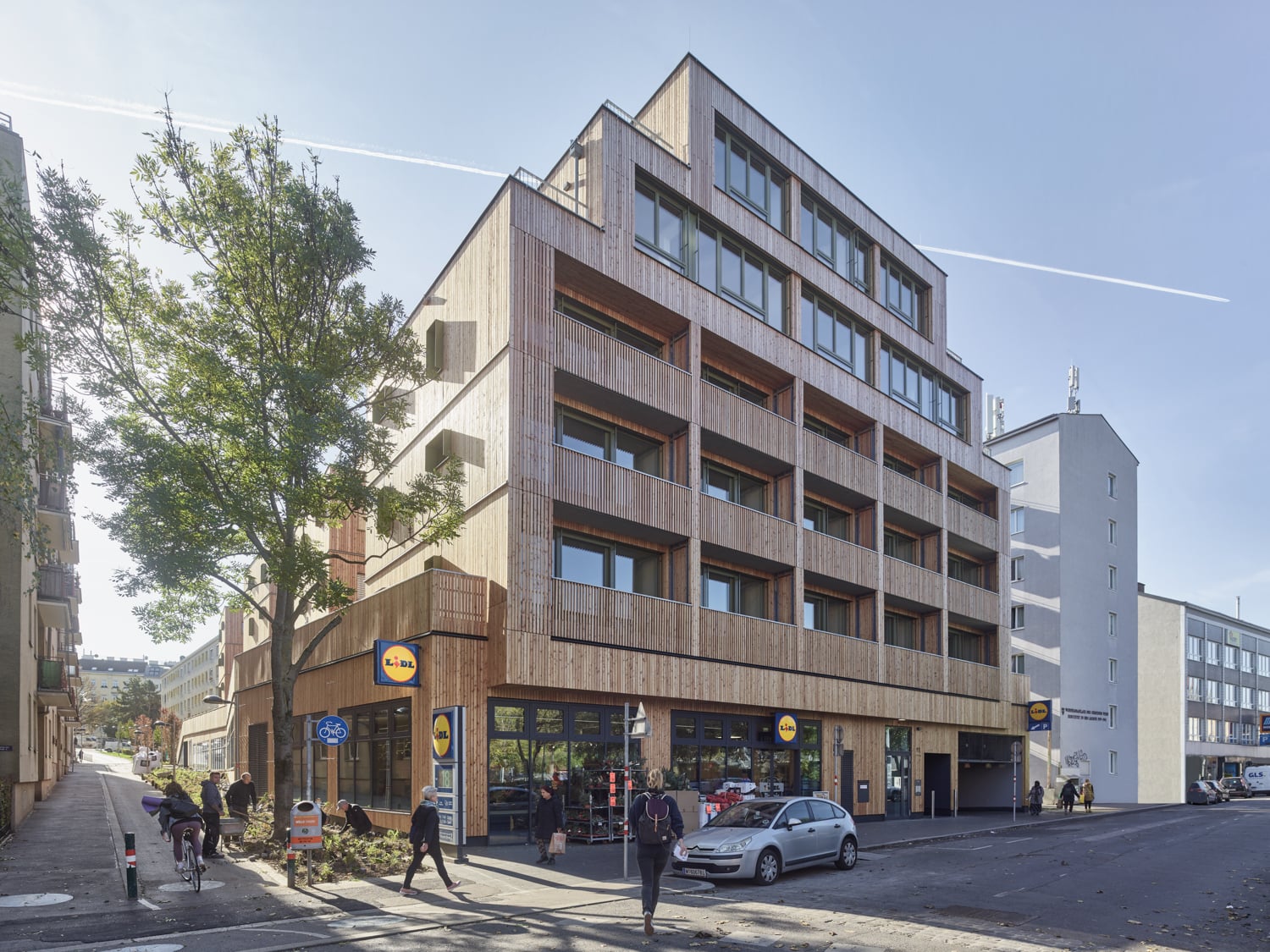
The Woody M Buildings Tivoligasse in Vienna, designed by Freimüller Söllinger Architektur, is a mixed-use residential building with 85 apartments, a parking garage, and a supermarket in its base. The building is constructed entirely of solid wood and features landscaped gardens and green open spaces for residents and the public. The stepped wooden houses are positioned to allow maximum privacy for residents while also providing quality terraces and urban vistas. The innovative construction and materials used in the building are sustainable and allow for the dismantling of the building once necessary.

architecture2 years ago

Yvyra: A Stunning Prefabricated House by ENNE Arquitectura.

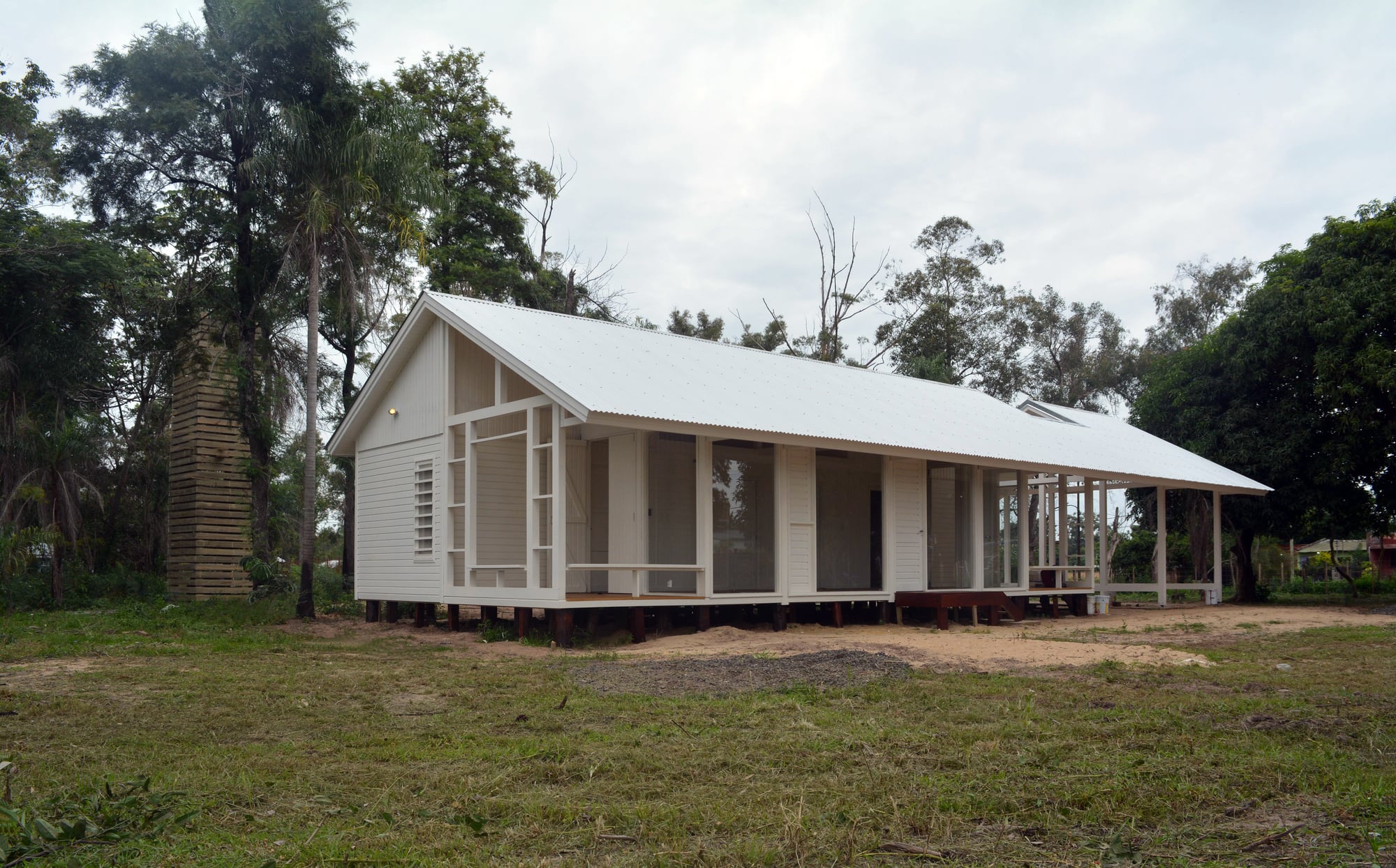
ENNE Arquitectura has designed a prefabricated house made from wood that responds to contemporary domestic uses. The house features a "transparent middle" that houses a single room flanked by side galleries, while the "opaque middle" contains more private and service uses. The materialization of the design consists of a mixed system of panels and post-beams, manufactured in an industrial plant and transported to the destination on a truck with a semi-trailer. The prefabrication allows for the acceleration of construction times and minimizes unwanted environmental impacts.

environment2 years ago

Revolutionary Carbon-Negative Concrete Invented to Reduce CO2 Emissions.

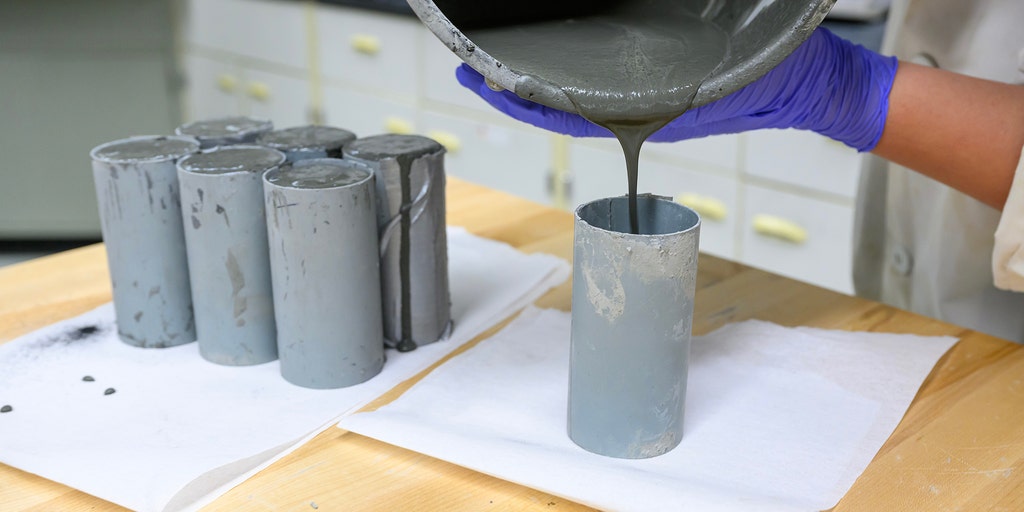
Researchers at Washington State University have developed a 'carbon-negative' concrete that removes up to 23% of its weight in carbon dioxide from the air during its formation by using 30% biochar, a type of charcoal made from organic waste, mixed with concrete wastewater. The new formula maintains a similar strength to ordinary cement and the carbon dioxide remains sequestered inside the concrete for its lifespan. The team hopes the invention will significantly reduce carbon emissions from the concrete industry and is now working to patent and commercialize the technology.

environment2 years ago

"Revolutionary Breakthroughs in Carbon Reduction Technology"

Researchers at Washington State University have developed a carbon-negative concrete by infusing regular cement with biochar, a type of charcoal made from organic waste, that had been strengthened beforehand with concrete wastewater. The biochar was able to absorb up to 23% of its weight in carbon dioxide from the air while still reaching a strength comparable to ordinary cement. The research could significantly reduce carbon emissions of the concrete industry, which is one of the most energy- and carbon-intensive of all manufacturing industries.

science-and-technology2 years ago

"Revolutionary 'Cosmic Concrete' for Mars Habitat Construction"

Scientists at The University of Manchester have developed a new type of concrete called "StarCrete" that could be used to construct habitats on Mars. The material is made from ordinary starch and simulated extraterrestrial regolith, and could be a more environmentally friendly alternative to traditional concrete used on Earth. The surplus starch produced as food for astronauts could be used for construction, simplifying the mission and making it cheaper and more feasible. The compressive strength of the lunar and Martian StarCrete surpasses most other proposed technology solutions despite being a relatively low-energy process.