
Tag

Carbon Negative Concrete

All articles tagged with #carbon negative concrete

environment2 years ago

Revolutionary Carbon-Negative Concrete Invented to Reduce CO2 Emissions.

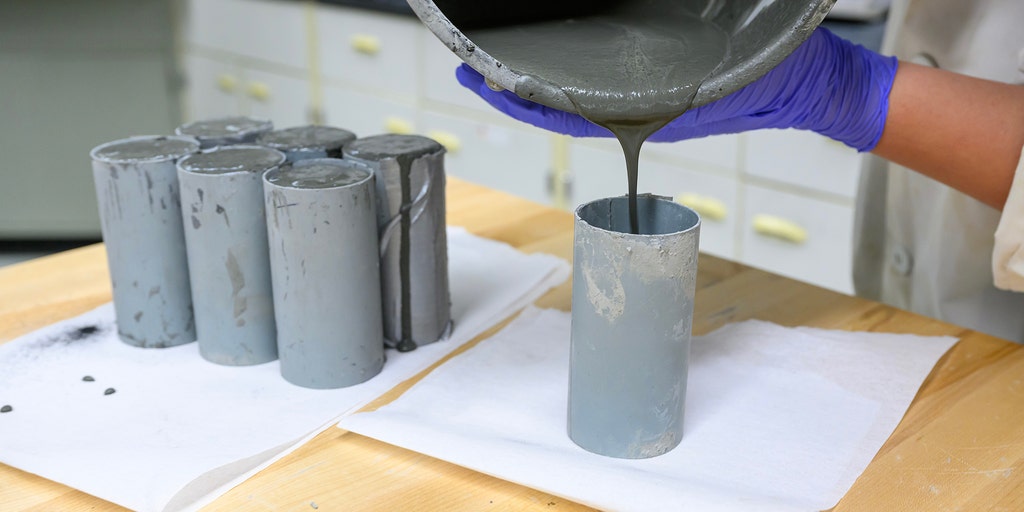
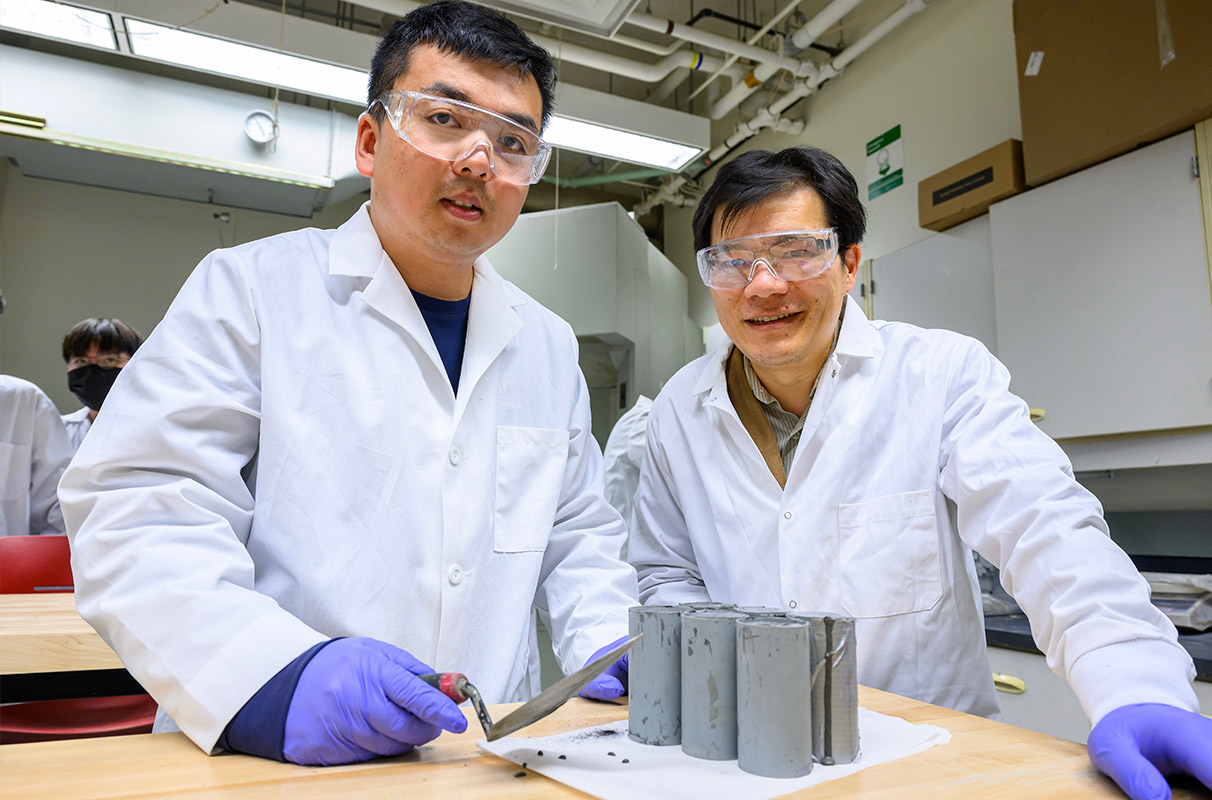
Researchers at Washington State University have developed a 'carbon-negative' concrete that removes up to 23% of its weight in carbon dioxide from the air during its formation by using 30% biochar, a type of charcoal made from organic waste, mixed with concrete wastewater. The new formula maintains a similar strength to ordinary cement and the carbon dioxide remains sequestered inside the concrete for its lifespan. The team hopes the invention will significantly reduce carbon emissions from the concrete industry and is now working to patent and commercialize the technology.
science-and-environment2 years ago

"Breakthroughs in Carbon-Negative Technology: Concrete and Photobioreactors"

Researchers at Washington State University have developed a carbon-negative concrete that is nearly as strong as regular concrete by infusing regular cement with biochar, a type of charcoal made from organic waste, that had been strengthened beforehand with concrete wastewater. The biochar was able to absorb up to 23% of its weight in carbon dioxide from the air while still reaching a strength comparable to ordinary cement. The research could significantly reduce carbon emissions of the concrete industry, which is one of the most energy- and carbon-intensive of all manufacturing industries.

environment2 years ago

"Revolutionary Breakthroughs in Carbon Reduction Technology"

Researchers at Washington State University have developed a carbon-negative concrete by infusing regular cement with biochar, a type of charcoal made from organic waste, that had been strengthened beforehand with concrete wastewater. The biochar was able to absorb up to 23% of its weight in carbon dioxide from the air while still reaching a strength comparable to ordinary cement. The research could significantly reduce carbon emissions of the concrete industry, which is one of the most energy- and carbon-intensive of all manufacturing industries.