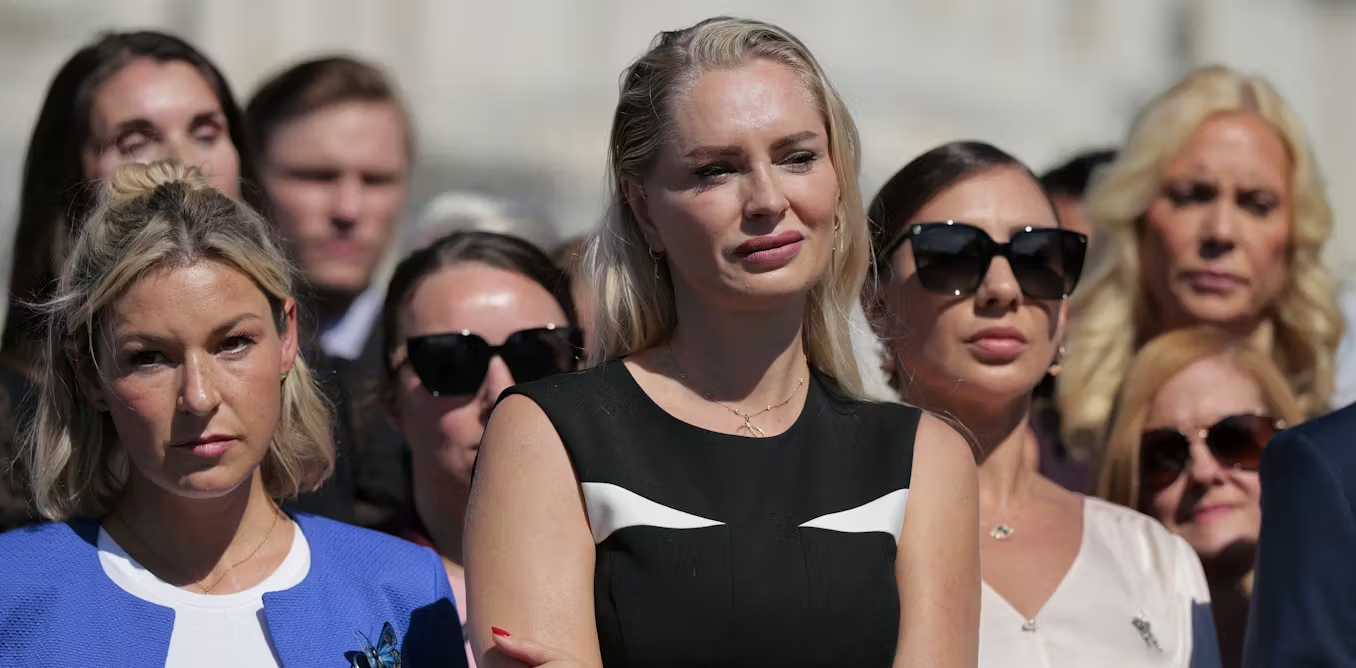
The article argues that media coverage of Jeffrey Epstein's case often prioritizes the exposure of powerful men over the victims' experiences, highlighting how journalistic practices and legal frameworks tend to anonymize survivors, which can diminish their individual stories and perpetuate a focus on scandal rather than justice. It advocates for a more survivor-centered approach that balances ethical considerations with the importance of giving victims a voice.
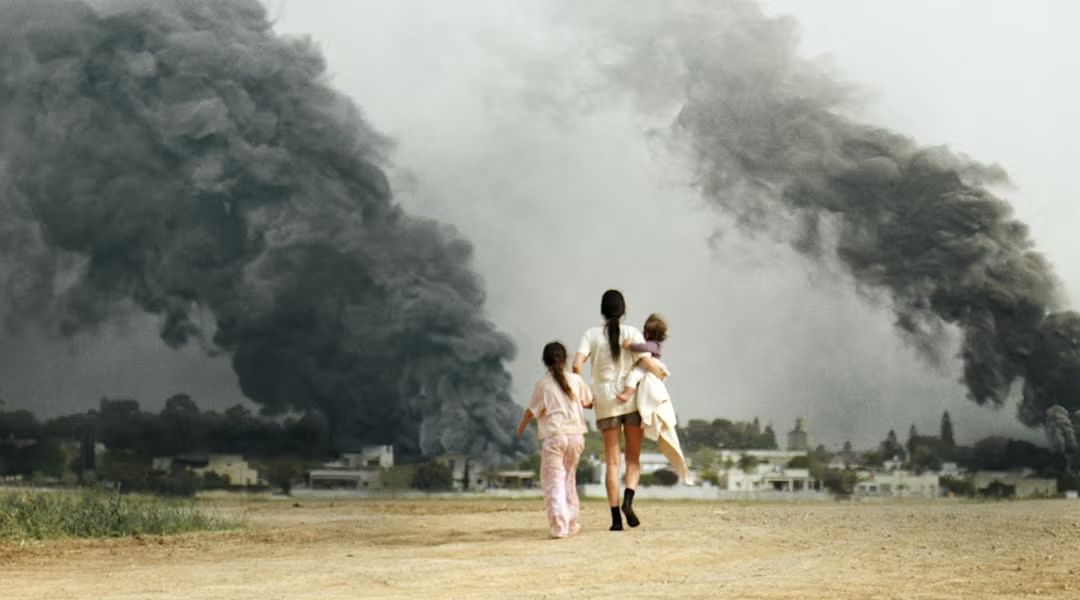
Two years after the Hamas attacks on Israel, a new cinematic sub-genre has emerged, featuring documentaries, dramatizations, and survivor stories that explore and process the events of October 7, 2023, across various streaming platforms and theaters, highlighting personal experiences, community resilience, and efforts to combat denial.
Twenty years after Hurricane Katrina, survivors recall both the devastation and the acts of compassion that helped them survive, including strangers who risked their lives to save others, highlighting the enduring human spirit amidst tragedy.
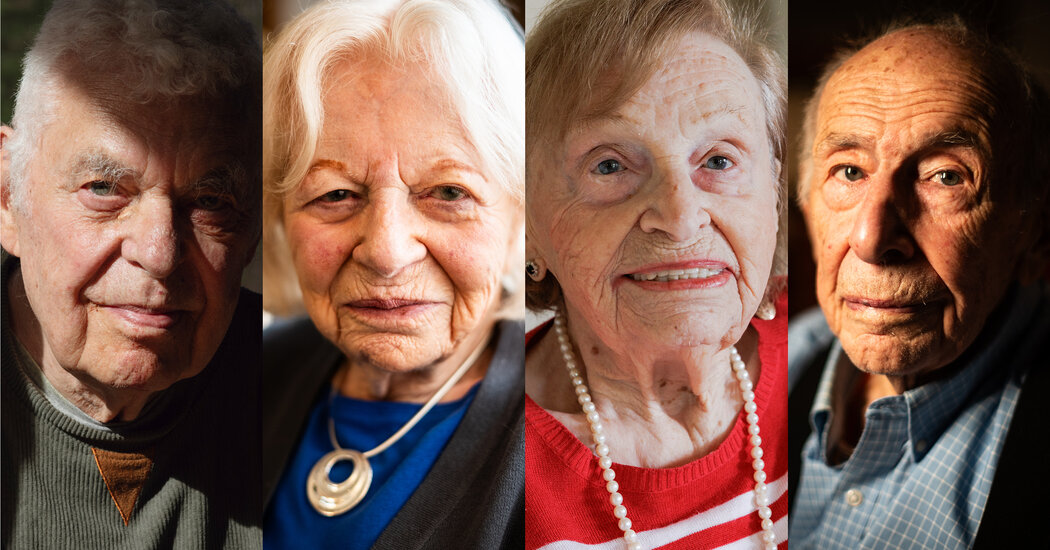
The article recounts the personal stories of seven Holocaust survivors who escaped Nazi persecution through the Kindertransport, highlighting their journeys, struggles, and the lasting impact of those experiences as they reflect on their lives and the importance of remembering history.
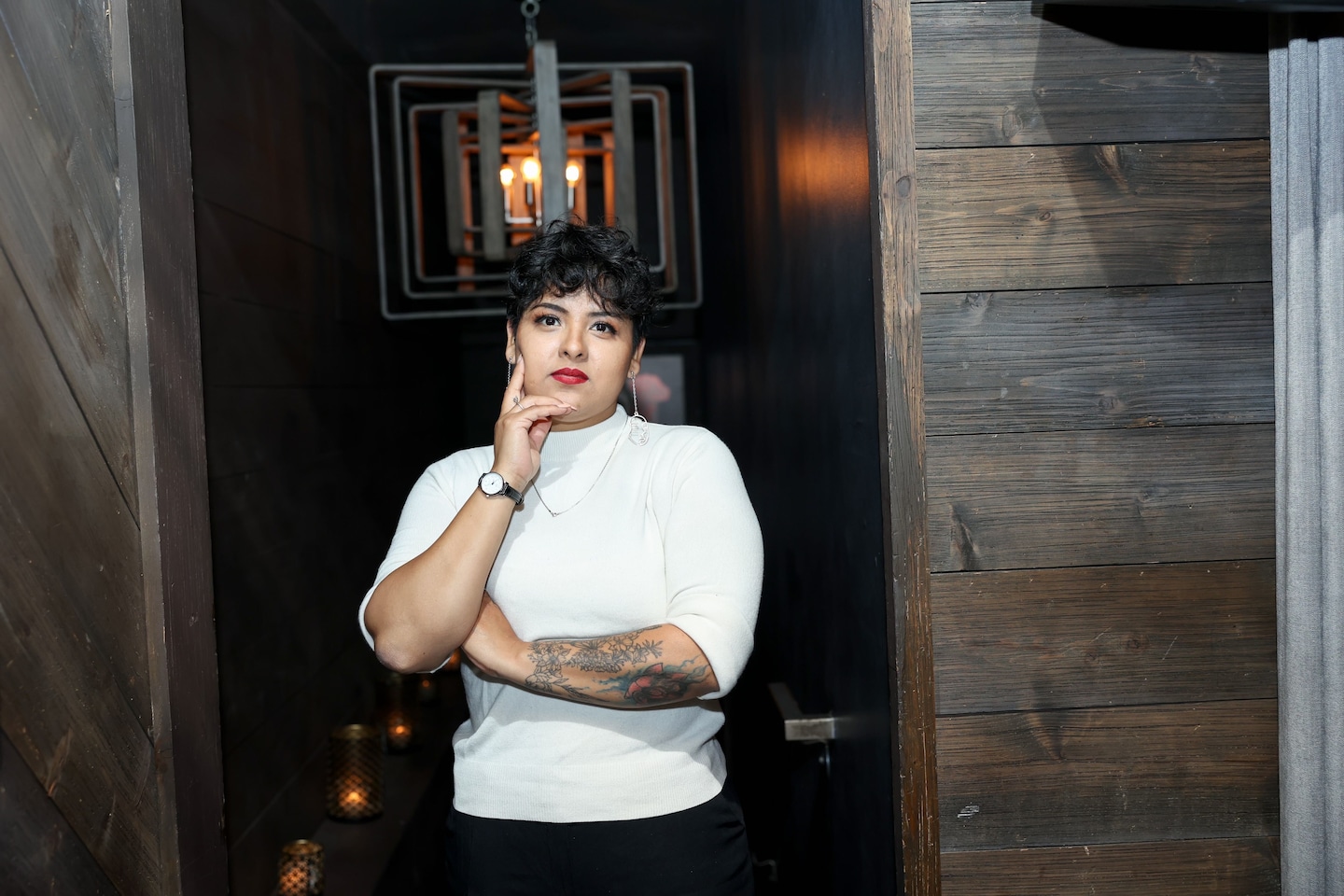
Karla Jacinto, a survivor of sex trafficking, has become a powerful advocate for victims and has shared her story with leaders worldwide. However, she recently found herself at the center of a political controversy when a U.S. politician distorted her story in a speech criticizing immigration policies. Jacinto emphasized that human trafficking should not be turned into a political talking point and expressed her hope that the recent attention will raise awareness and lead to real support and protection for victims.
Breast cancer can affect women of all ages, including those in their 30s, and it disproportionately affects Black and Latina women. Despite misconceptions that it only affects older women, about 4% of invasive breast cancer cases are detected in women under 40. It is important for women to be proactive in their health by regularly examining their breasts and seeking medical attention if they notice any changes. Early detection and treatment options, such as lumpectomy or mastectomy, can lead to positive outcomes. Survivors emphasize the importance of self-love and resilience throughout the journey.
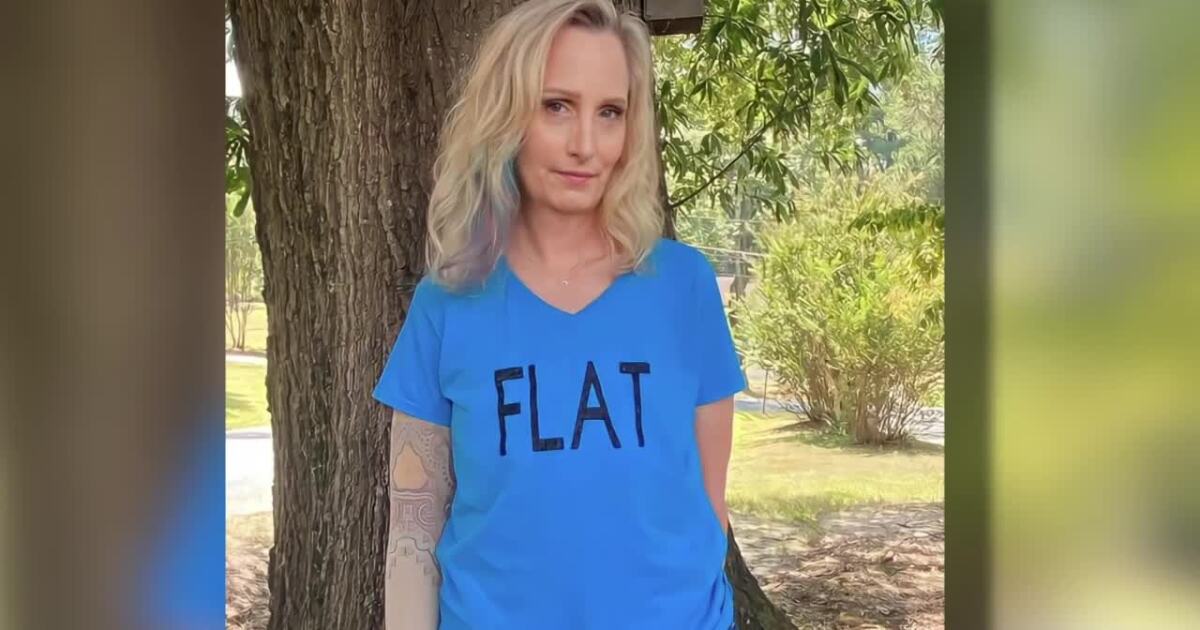
Beth Rutherford, a breast cancer survivor, decided to go flat after battling the disease multiple times. She joined a group of women called "flatties" who choose to live without breast implants. The aesthetic flat closure procedure, which tightens the remaining tissue, provides a flat and smooth appearance. More women are opting for this procedure due to concerns about implant illness. Rutherford had her implants removed and experienced improvements in her overall health. She now serves as a spokesperson for aesthetic flat closure, raising awareness about the procedure.
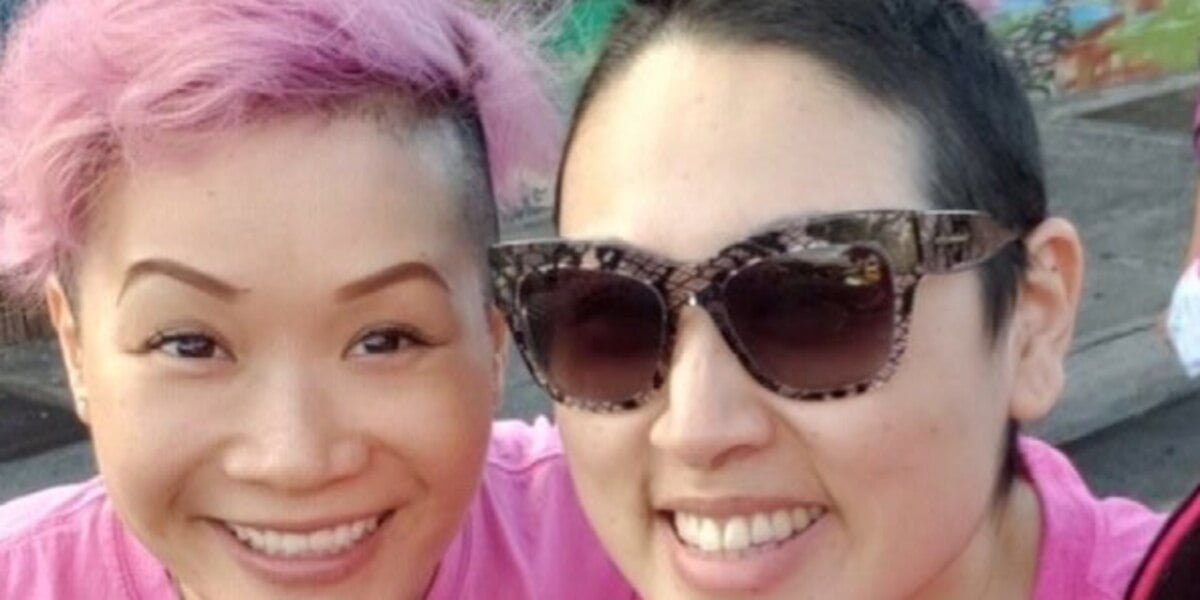
Two breast cancer survivors in Hawaii, Christine Song and Thu Inouye, are sharing their stories to raise awareness about the disease. Song was diagnosed at 35 years old and 22 weeks pregnant, undergoing chemotherapy, radiation, and surgery. Inouye, diagnosed with Stage 2 breast cancer in 2018, went through treatments while her daughter was just 1 year old. Both women are now in remission and want to inspire others to keep fighting. They emphasize the importance of early screening, especially for those with a family history of breast cancer.
60 Minutes reflects on their coverage of the September 11th terrorist attacks, highlighting stories such as the impact on a small town in New Jersey, the resilience of a financial firm that lost employees in the attacks, the experiences of children who lost parents, the dedication of a band of firefighters turned musicians, and the fortunate design of the Pentagon that allowed many to escape.
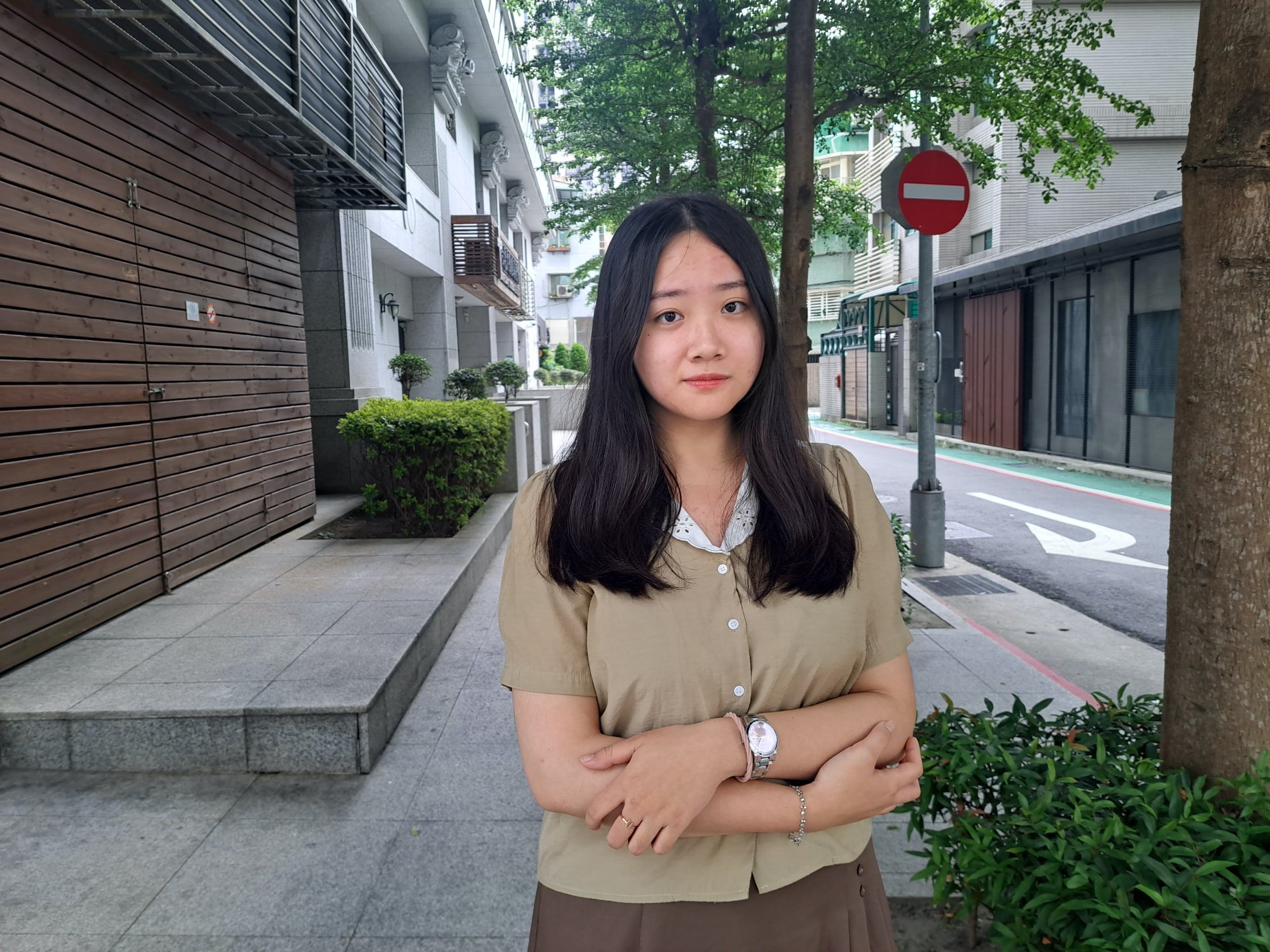
Chen Chien-Jou, the woman who launched Taiwan's MeToo movement, spoke out about her experience of being inappropriately touched by a filmmaker and the lack of support she received from a senior party official. Since coming forward, over 100 survivors have accused prominent figures in politics, the arts, academia, and civil society of sexual harassment and abuse. Chen believes that the movement is a chance for survivors to find closure and for society to learn that physical boundaries and human dignity must be respected. She acknowledges the challenges of the movement, including the need for cultural change and the potential for false accusations, but remains committed to giving survivors a safe space to speak out.