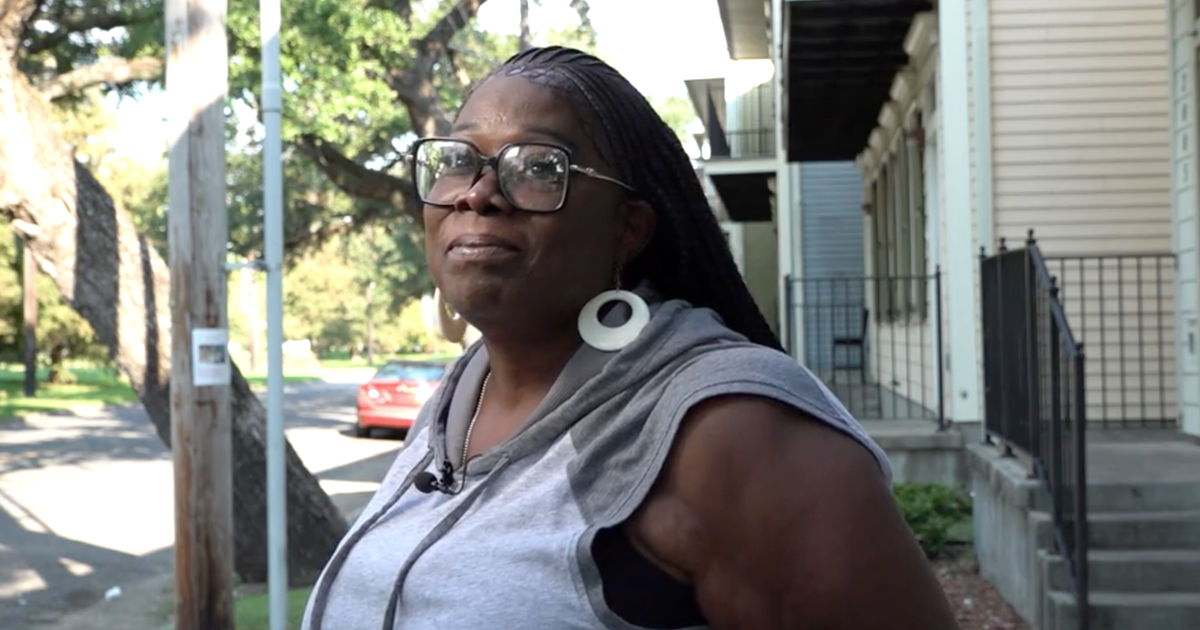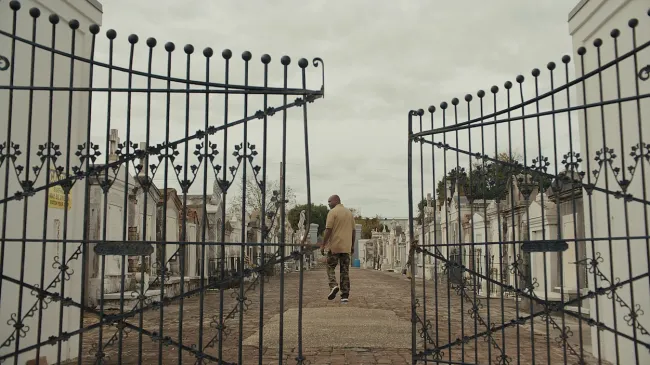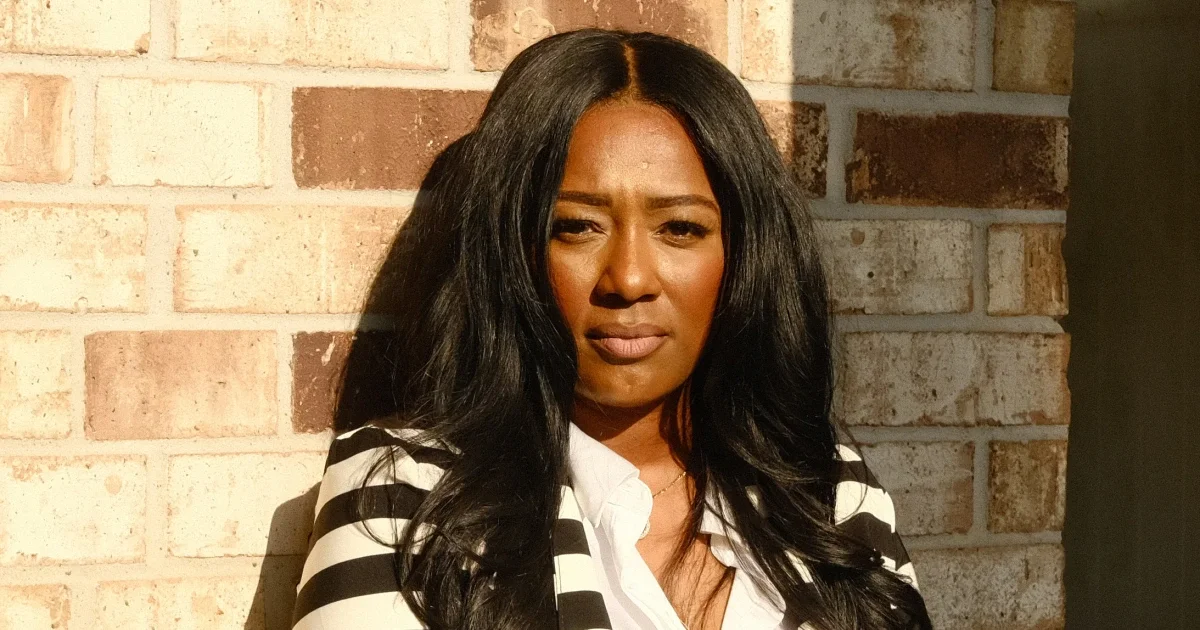
Twenty years after Hurricane Katrina devastated New Orleans, residents from the Ninth Ward share their enduring memories and ongoing struggles with recovery, highlighting personal stories of resilience, loss, and community rebuilding.

Northwestern declined Tulane's request to wear white uniforms for a game in New Orleans, citing timing issues, which Tulane's coach Jon Sumrall criticized as disrespectful to the city. Northwestern's coach David Braun clarified that the decision was not meant disrespectfully and acknowledged Tulane's inspired play, noting the university's respect for New Orleans' recovery from Hurricane Katrina. The incident highlighted the emotional significance of the uniforms and the teams' motivations.
Twenty years after Hurricane Katrina, survivors, including a mother, a surgeon, and a police chief, reflect on the devastation and find hope in their resilience and community rebuilding efforts.
Twenty years after Hurricane Katrina, many displaced residents like Alex Webber still feel a strong emotional connection to New Orleans, despite having built new lives elsewhere, demonstrating resilience and enduring bonds with the city.
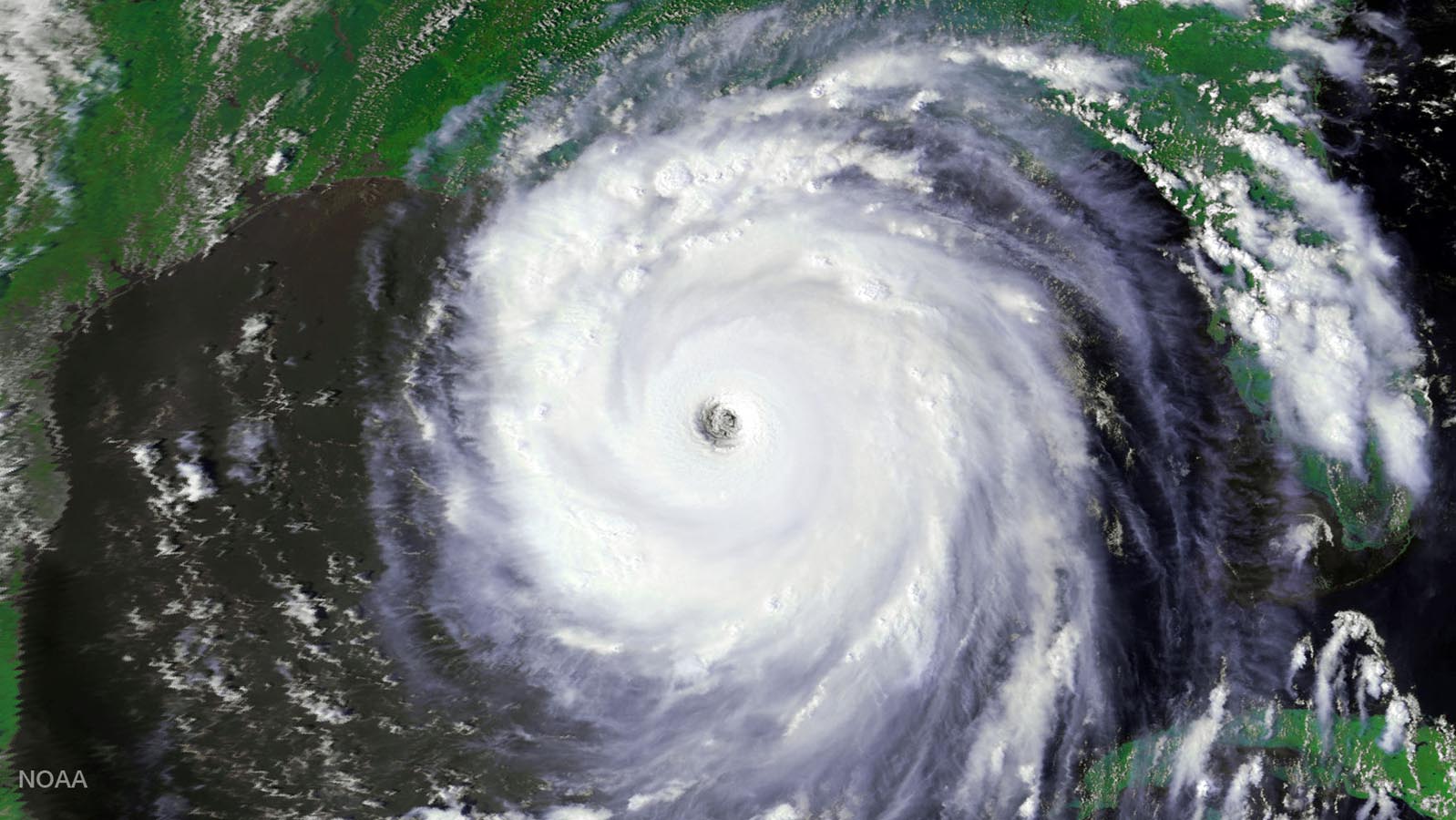
Twenty years after Hurricane Katrina, the article reflects on the catastrophic impact of the storm, including loss of life, displacement, levee failures, and government response lapses, highlighting ongoing concerns about disaster preparedness and climate change.
Netflix's documentary 'Katrina: Come Hell and High Water,' which marks the 20th anniversary of Hurricane Katrina, has received a 100% rating on Rotten Tomatoes. The three-part, 3.5-hour film covers the lead-up, impact, and aftermath of the devastating storm, highlighting the tragedy and its lasting effects on New Orleans. Critics praise its emotional depth and powerful storytelling, making it a top watch on Netflix.
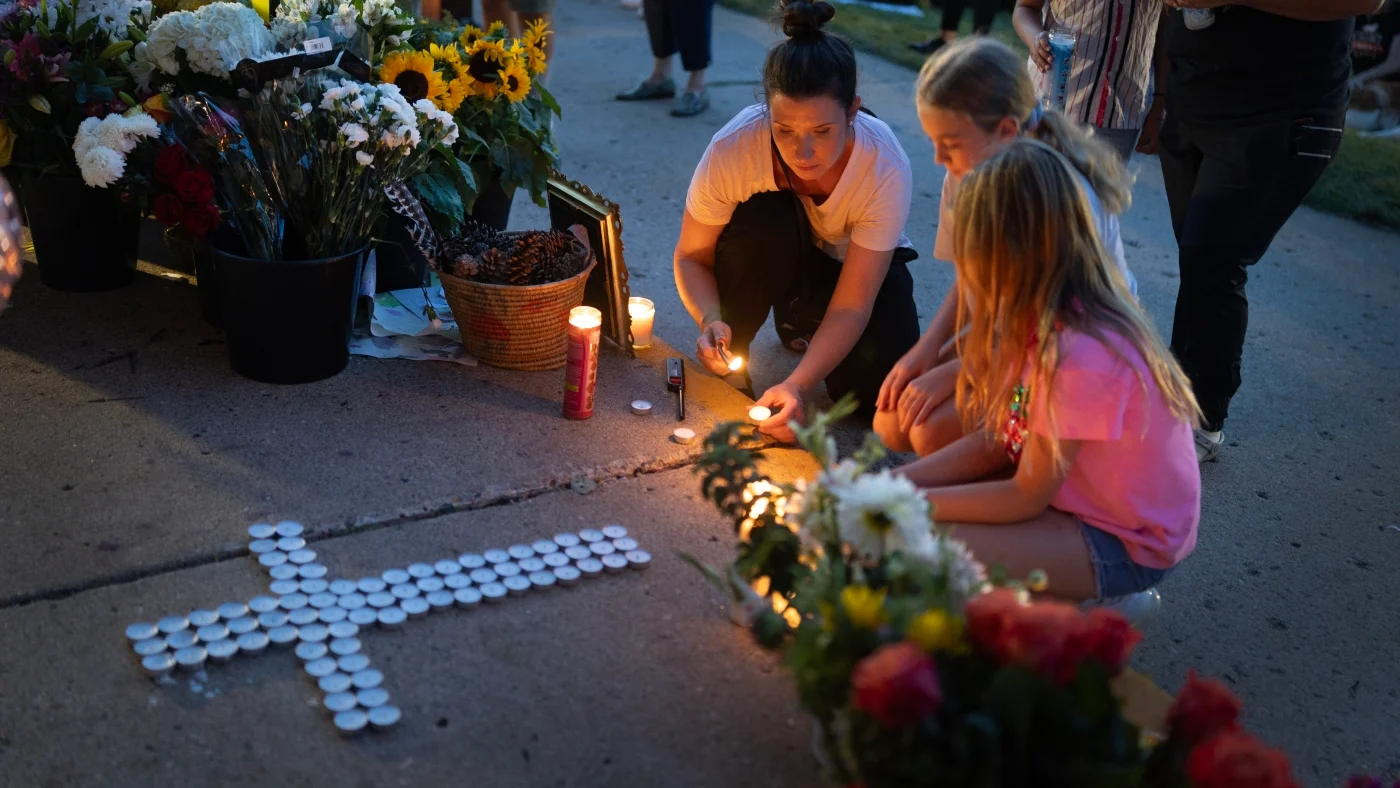
The article covers a tragic shooting at a Minneapolis church resulting in two children's deaths, the appointment of Jim O'Neill as acting CDC director amid leadership turmoil, and international events including China's military parade and reflections on Hurricane Katrina's aftermath, highlighting ongoing societal and political issues.
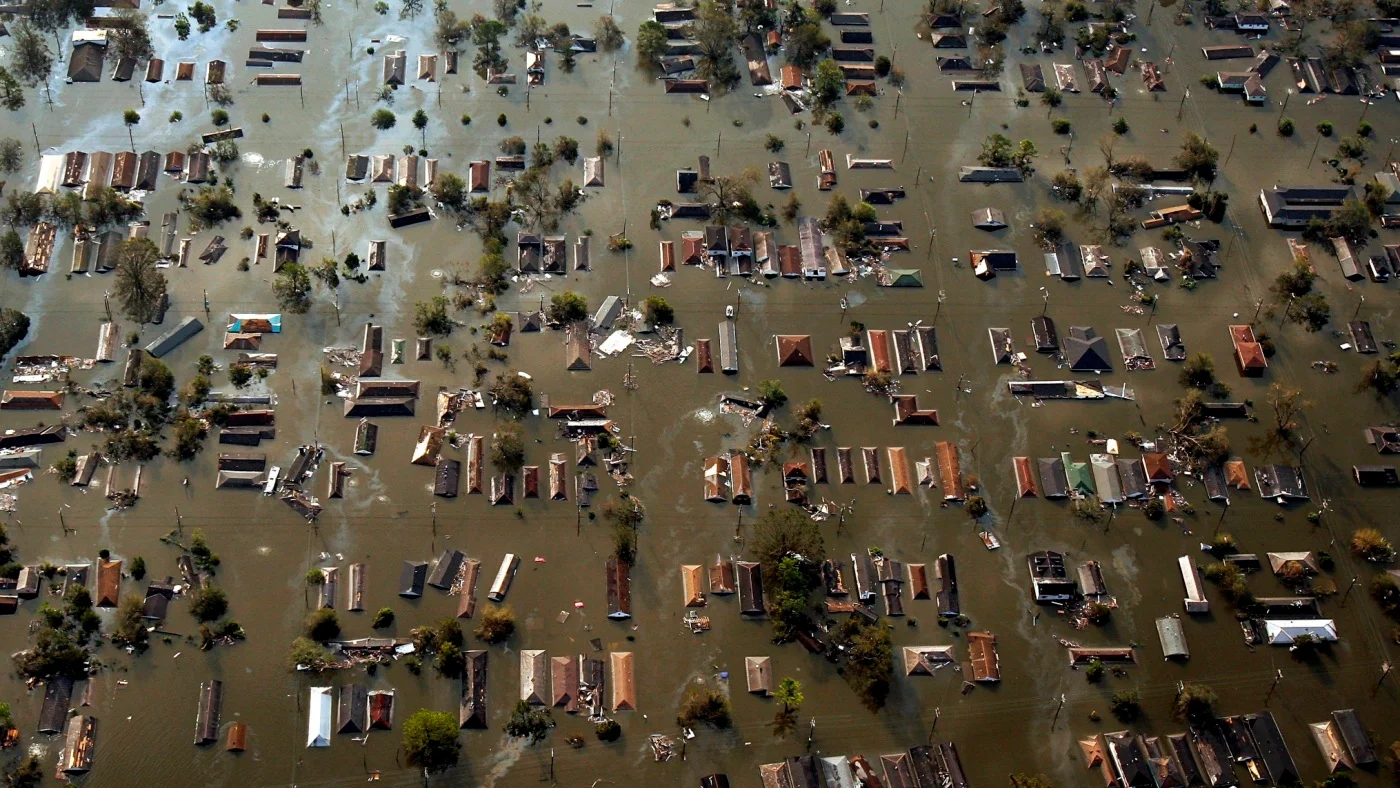
Twenty years after Hurricane Katrina, the storm remains one of the deadliest and costliest in U.S. history, with catastrophic flooding in New Orleans caused by levee failures, a slow federal response, and lasting community impacts, especially in the historically Black Lower Ninth Ward.
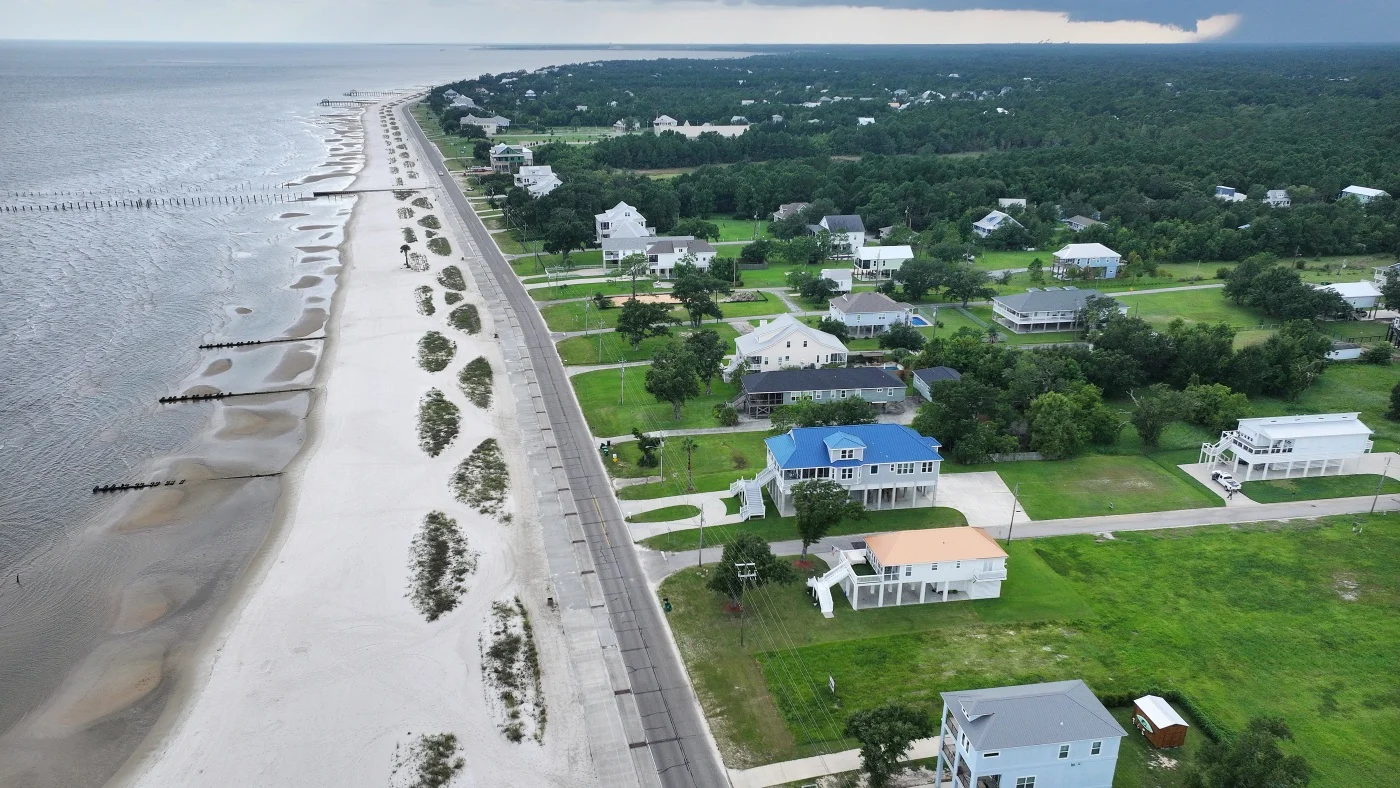
Twenty years after Hurricane Katrina devastated the Mississippi Gulf Coast, recovery has been uneven with some communities still struggling, but the resilience and perseverance of residents and volunteers continue to drive efforts to rebuild and move forward.
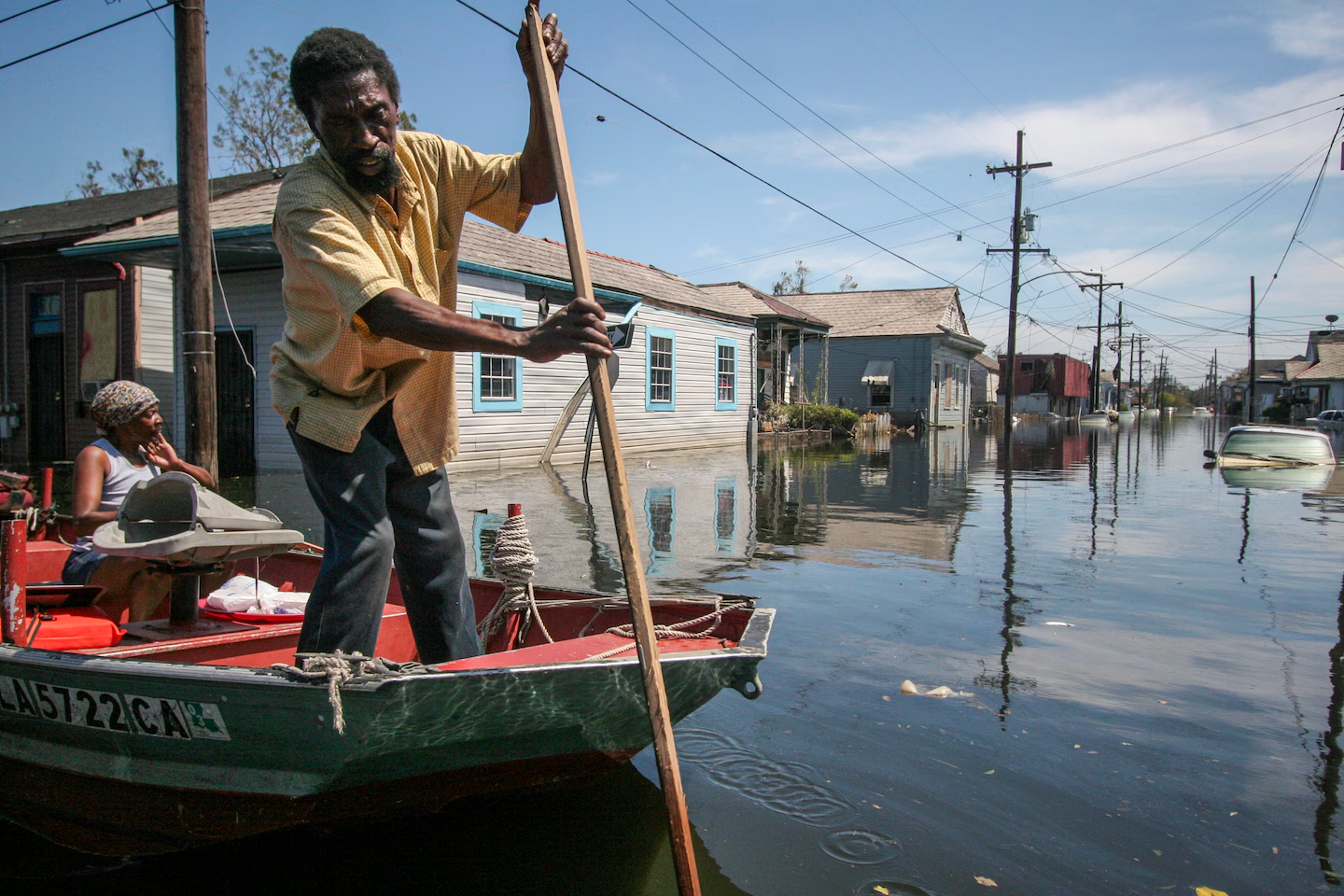
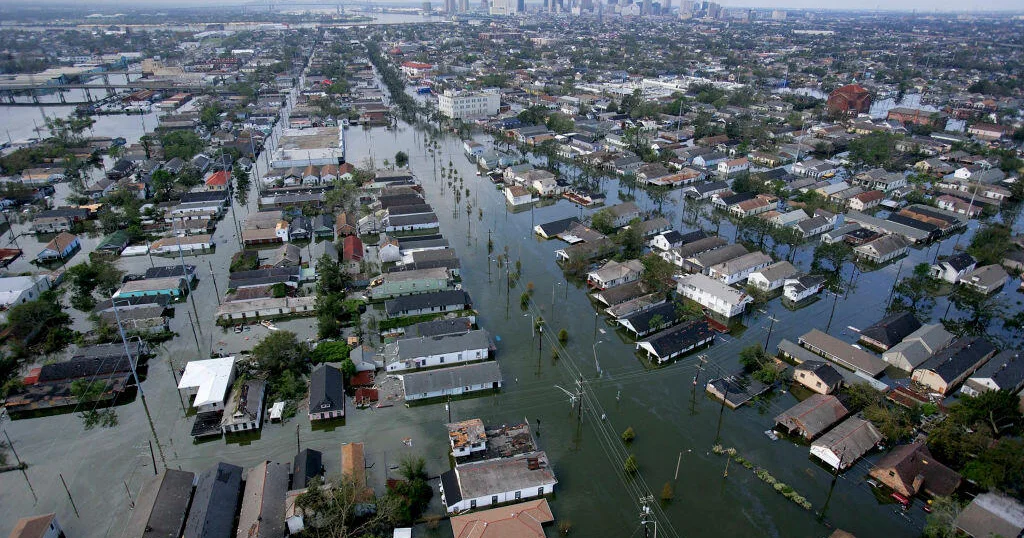
The article commemorates the 20th anniversary of Hurricane Katrina, highlighting its devastating impact on New Orleans, especially the Lower 9th Ward, with images depicting flooding, rescues, and the aftermath of the storm, which caused nearly 1,400 deaths and around $200 billion in damages.
Jeff Masters recounts his experience sounding the alarm and urging evacuation ahead of Hurricane Katrina in 2005, highlighting the storm's unpredictable path, the importance of timely evacuation, and the personal and professional challenges faced during the disaster.
Twenty years after Hurricane Katrina, the article reflects on the storm's lasting impact, lessons learned, and ongoing issues such as climate change, government response, and racial disparities, highlighting that the disaster revealed systemic failures and continues to influence American society and policy debates.
Spike Lee's documentary on Netflix commemorates the 20th anniversary of Hurricane Katrina, highlighting the ongoing struggles of New Orleans residents and serving as a poignant call for hope and change.
Twenty years after Hurricane Katrina, survivors recall both the devastation and the acts of compassion that helped them survive, including strangers who risked their lives to save others, highlighting the enduring human spirit amidst tragedy.
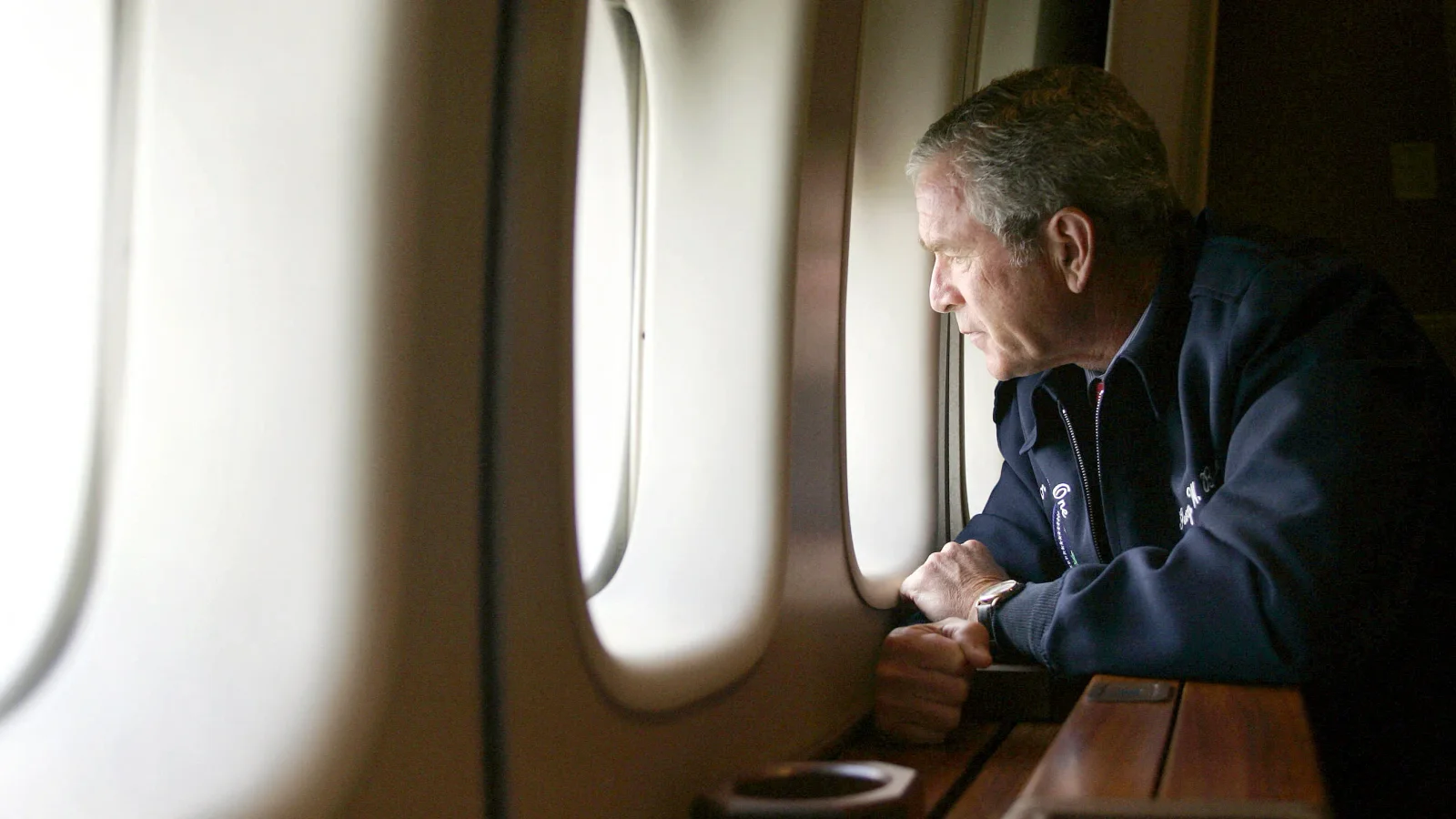
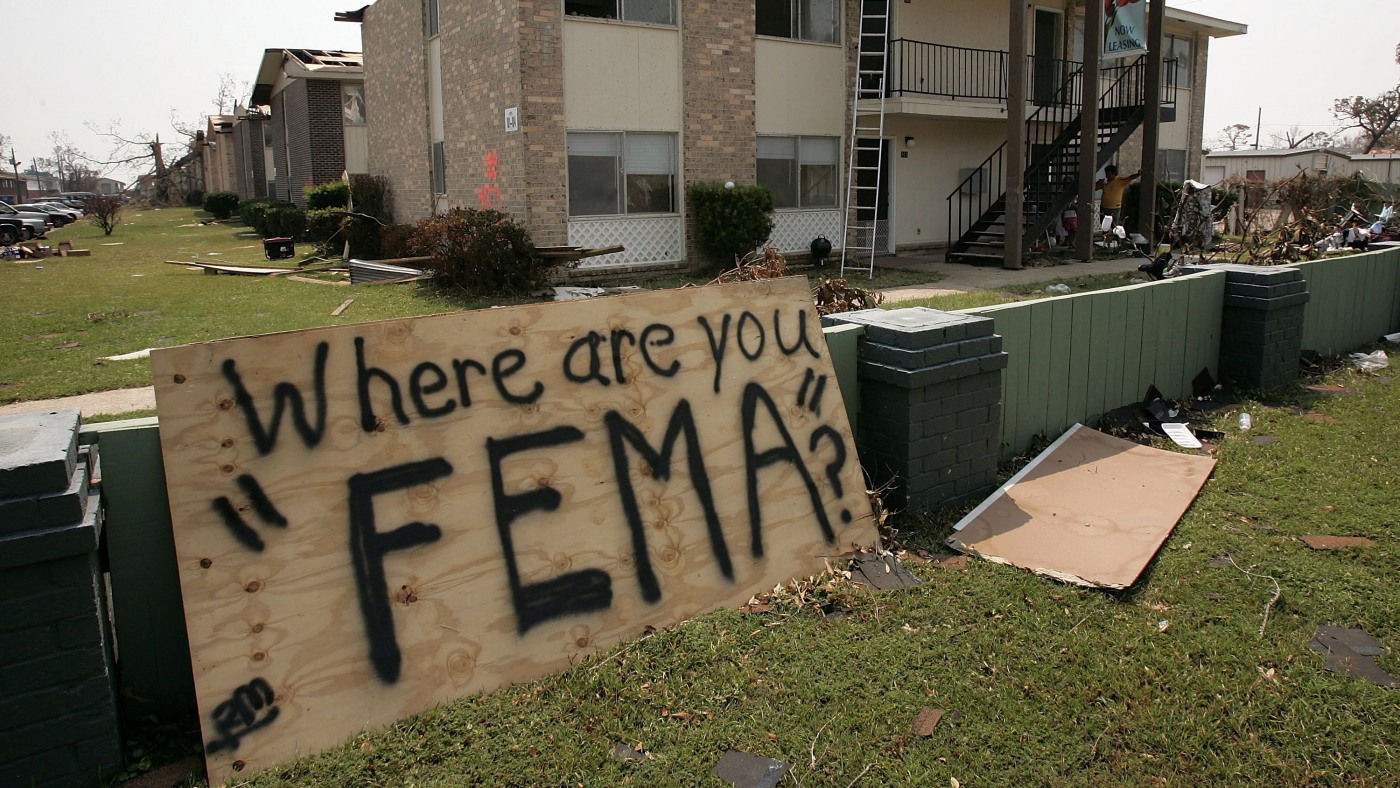
Twenty years after Hurricane Katrina exposed significant failures in FEMA's disaster response, the agency underwent reforms to improve leadership, speed, and pre-disaster preparedness. However, the Trump administration is rolling back some of these reforms, cutting disaster preparedness funding, and reducing FEMA's role, raising concerns about the agency's ability to respond effectively to future disasters.