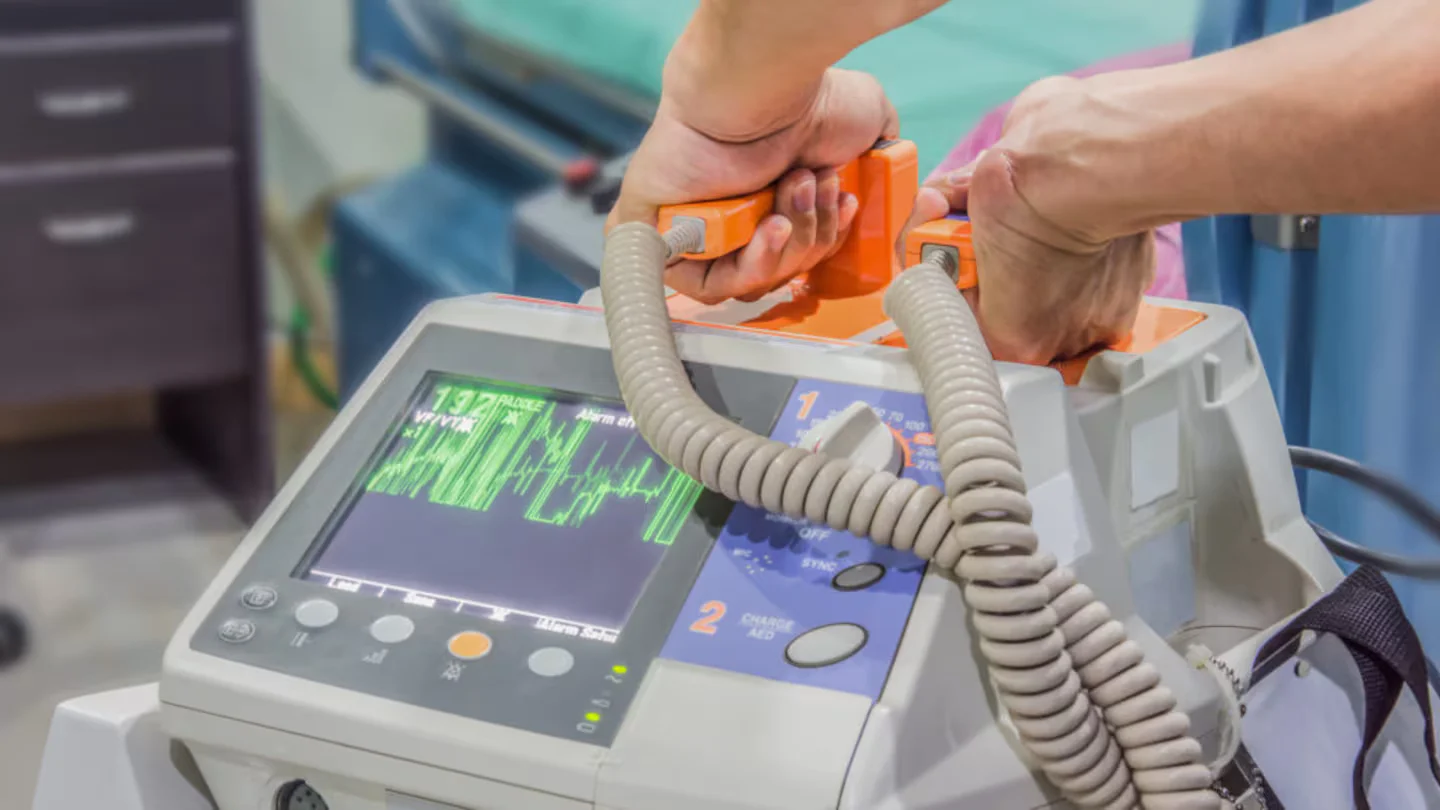
A-fib on the rise as treatments and diagnosis improve
Atrial fibrillation is becoming more common, with doctors noting improving diagnosis and a range of treatment options to manage symptoms and reduce risk.

All articles tagged with #treatment options
Atrial fibrillation is becoming more common, with doctors noting improving diagnosis and a range of treatment options to manage symptoms and reduce risk.

Research and expert insights explain why some people struggle to stop drinking despite negative consequences, highlighting the roles of brain wiring, psychological traits, environment, and the development of tolerance, with emphasis on the importance of support and behavioral change for those with alcohol use disorder.

Researchers have found that many people with chronic fatigue syndrome also experience hidden breathing abnormalities, such as hyperventilation and dysfunctional breathing, which may worsen symptoms and could be targeted with specific breathing therapies to alleviate some of the condition's effects.

Prostate cancer is a common and serious health issue for men, especially over 40, but many myths about it—such as only affecting older men, being symptomless early on, or being invariably deadly—are false. Regular screening, understanding the variability in tumor growth, and advances in treatment can significantly improve outcomes and survival rates.

A Morton’s neuroma is a thickening of a nerve between toes, often causing pain that may require surgery if conservative treatments like injections and proper footwear fail. Surgery can significantly reduce pain, with most patients walking soon after and returning to normal shoes within weeks, though some numbness may persist. The success rate varies, and results are not guaranteed.

The article discusses the complexities of screening and treating metastatic prostate cancer in men over 70, highlighting that while routine PSA testing is generally not recommended due to slow disease progression and potential treatment side effects, individual decisions should be made based on health status. It covers modern diagnostic tools like MRI and PSMA scans, advances in treatment such as hormone therapy, chemotherapy, and targeted radiation, and emphasizes that recent progress has improved survival rates and management of the disease in older men.

A 19-year-old man shares his exhausting experience with male pattern baldness starting at age 16, discussing its emotional impact, treatment options like medication, hair systems, and transplants, and his efforts to destigmatize hair loss through a film.
The article discusses the increasing prevalence of hemorrhoids, linking modern lifestyle factors such as prolonged sitting, poor diet, dehydration, and excessive toilet phone use to their rise. It highlights the challenges in treatment, from traditional procedures to innovative, less painful options, and emphasizes the societal taboos that hinder open discussion and timely treatment. The piece underscores that hemorrhoids are a common, often lifelong issue exacerbated by contemporary habits and health factors.
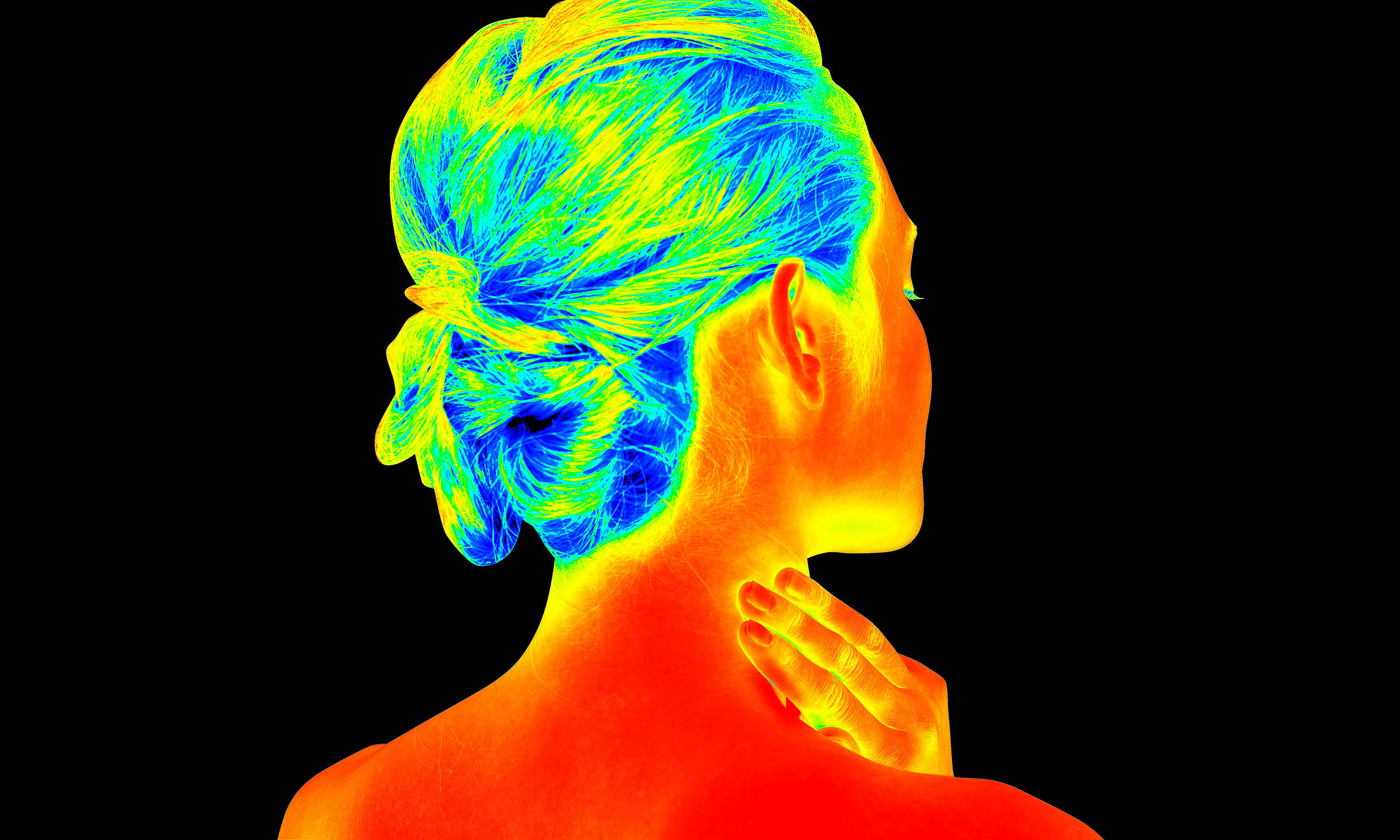
A large international study found a consistent link between higher body temperatures and depression symptoms, suggesting that monitoring and adjusting body temperature could become a new, low-cost approach to early detection and treatment of depression, especially through thermal therapies like saunas or heated vests.

President Donald Trump was diagnosed with chronic venous insufficiency, a common circulatory condition where damaged vein valves cause blood pooling in the legs, leading to symptoms like varicose veins and swelling. The condition is usually benign and treatable with non-surgical methods such as compression therapy, lifestyle changes, and minimally invasive procedures. It affects up to 40% of the U.S. population and is more common with aging.

Some COVID-infected individuals are reporting a severe sore throat called 'razor blade throat,' but experts say this is not a new or unique symptom and does not indicate a more dangerous variant. Common COVID symptoms remain consistent, and preventive measures like vaccination, masking, and good hygiene are recommended to reduce risk. If symptoms appear, testing and consulting a healthcare provider are advised, especially for high-risk groups.
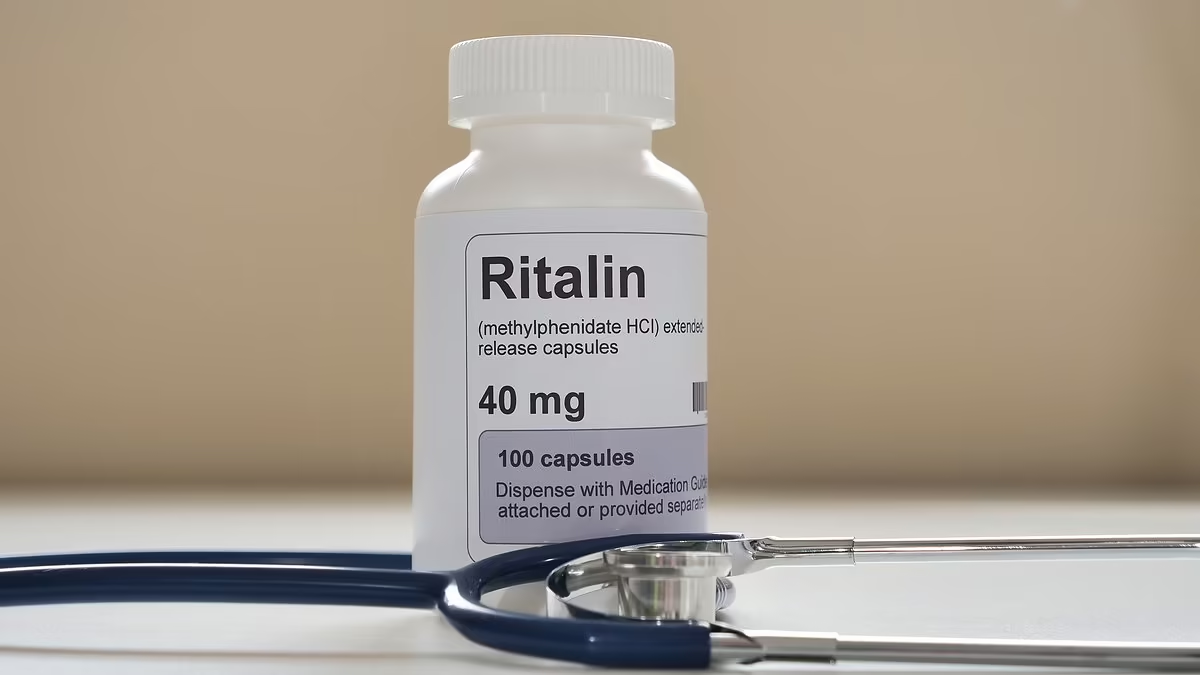
The article discusses the potential risks and side effects of ADHD medications, such as heart problems and psychiatric issues, highlighting concerns over their long-term safety and the importance of proper diagnosis and monitoring. It also explores alternative treatments like therapy and diet, emphasizing cautious use of medication and the need for personalized care.

Moebius syndrome is a rare neurological disorder characterized by facial paralysis and inability to move the eyes sideways, caused by underdevelopment of cranial nerves VI and VII. Its incidence varies globally, and causes include genetic mutations and prenatal drug exposure. Symptoms include facial weakness, eye movement limitations, feeding difficulties, and sometimes limb abnormalities. Treatments are personalized, involving surgeries, therapy, and supportive care to improve function and quality of life.
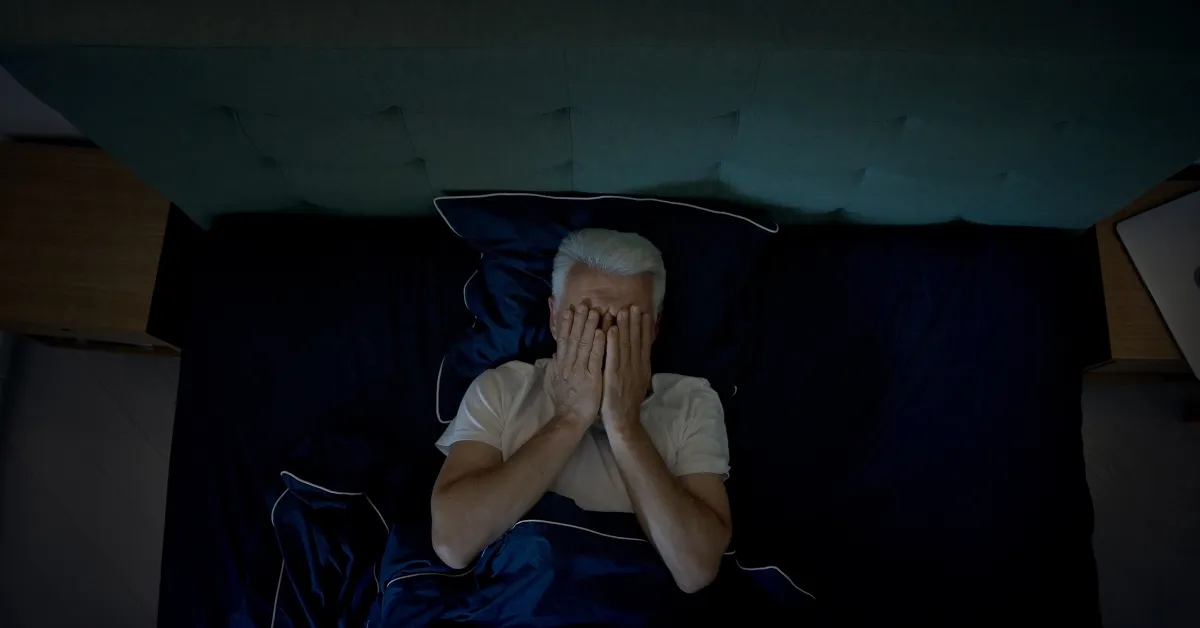
Sleep apnea, a condition affecting nearly a billion people worldwide, often requires the use of CPAP machines, which many find challenging to use. Alternatives and advancements, such as personalized masks, telehealth support, and new medications like tirzepatide, are emerging. Lifestyle changes, including weight loss and sleep hygiene, can also help manage the condition. Surgical options and oral devices offer additional solutions, while ongoing research aims to improve treatment efficacy and expand available options.

As daylight hours decrease in fall and winter, many people experience seasonal affective disorder (SAD), a type of depression. Treatments include light therapy, which uses bright lights to improve mood, and cognitive behavioral therapy. Antidepressants and regular exercise are also recommended. Researchers suggest that sensitivity to blue light may play a role in SAD, and individuals like Miriam Cherry and Elizabeth Wescott have found personal strategies, such as growing early-blooming flowers and using water therapy, to cope with winter depression.