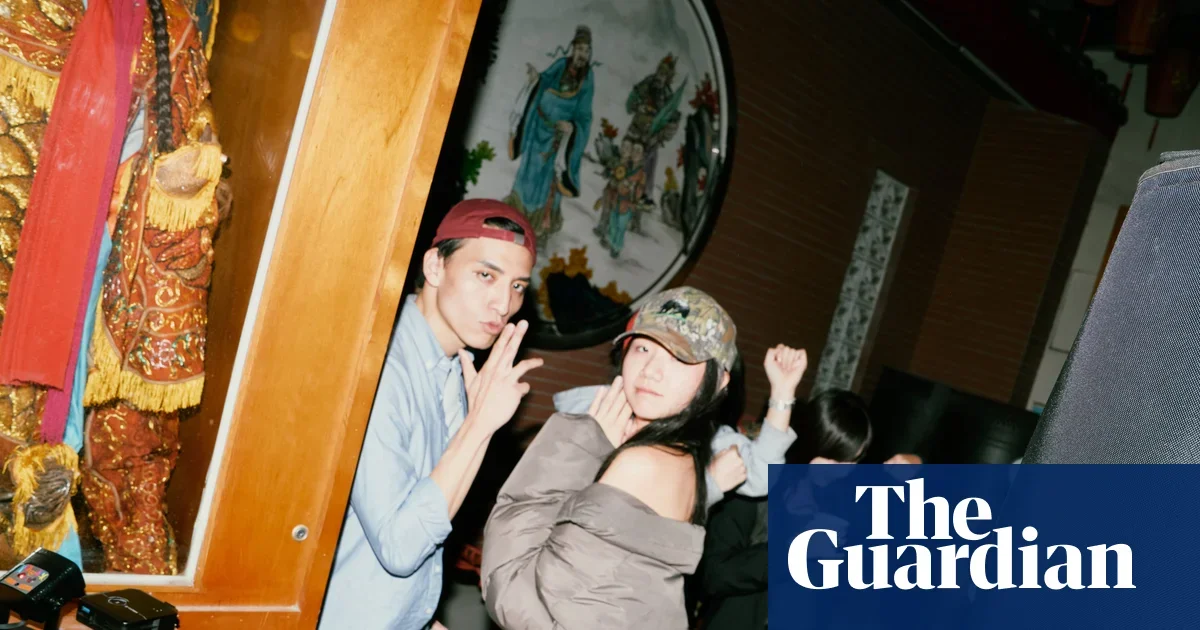
In Tainan, Taiwan, temples host Temple Meltdown–style underground dance events that fuse religious spaces with bass-heavy music, reflecting a broader shift in public attitudes toward nightlife and sacred sites as civic, everyday spaces after decades of martial law and social conservatism.
The article highlights seven practices from the 1960s and 70s—such as indoor smoking, corporal punishment, drunk driving, casual drug prescribing, unregulated workplace behavior, children roaming freely, and deceptive advertising—that would be illegal or scandalous today, illustrating how social norms and laws evolve with increased understanding of health, ethics, and safety.
Lesotho's Famo music, once a pastoral and expressive genre led by figures like Queen of Famo Puseletso Seema, has evolved from shepherd songs to a symbol intertwined with gang violence and political issues, prompting government crackdowns amid concerns over its influence on social stability.
Cracker Barrel's new logo, which removes the iconic Uncle Herschel image, has sparked backlash from fans and former employees, leading to a significant stock decline and raising concerns about cultural shifts within the company. Despite the company's claims that core values remain unchanged, the rebranding has been perceived as a move away from traditional Americana, causing emotional and financial repercussions.
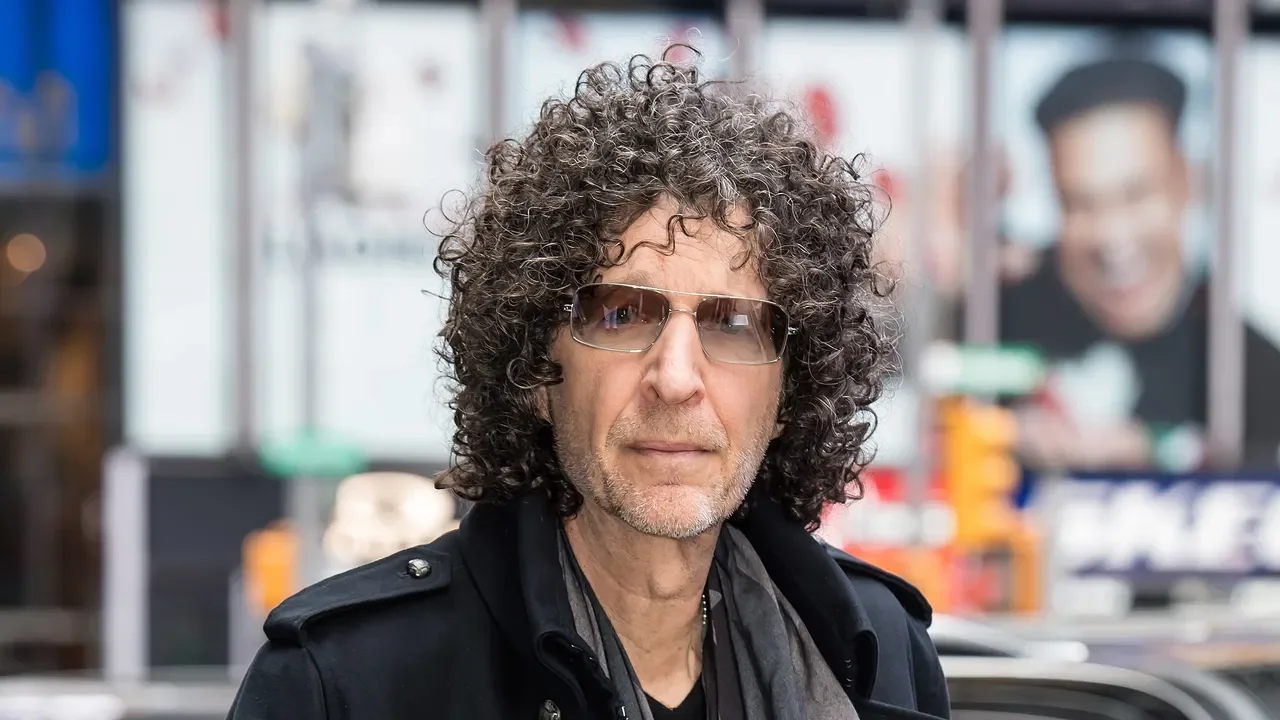
The article discusses the potential end of Howard Stern's 20-year SiriusXM show, exploring his career evolution from shock jock to a more introspective and mainstream figure, and reflecting on how aging, changing media landscapes, and personal choices have shaped his public persona and relevance.
The article lists 25 things that were once considered good or simple but have been negatively impacted by their popularity, leading to increased costs, loss of authenticity, or cultural shifts, such as skiing, home buying, antique shopping, and more.
Gen Z is having less sex than previous generations, influenced by recent political and cultural shifts, with concerns about sexuality and societal pressures playing a role.
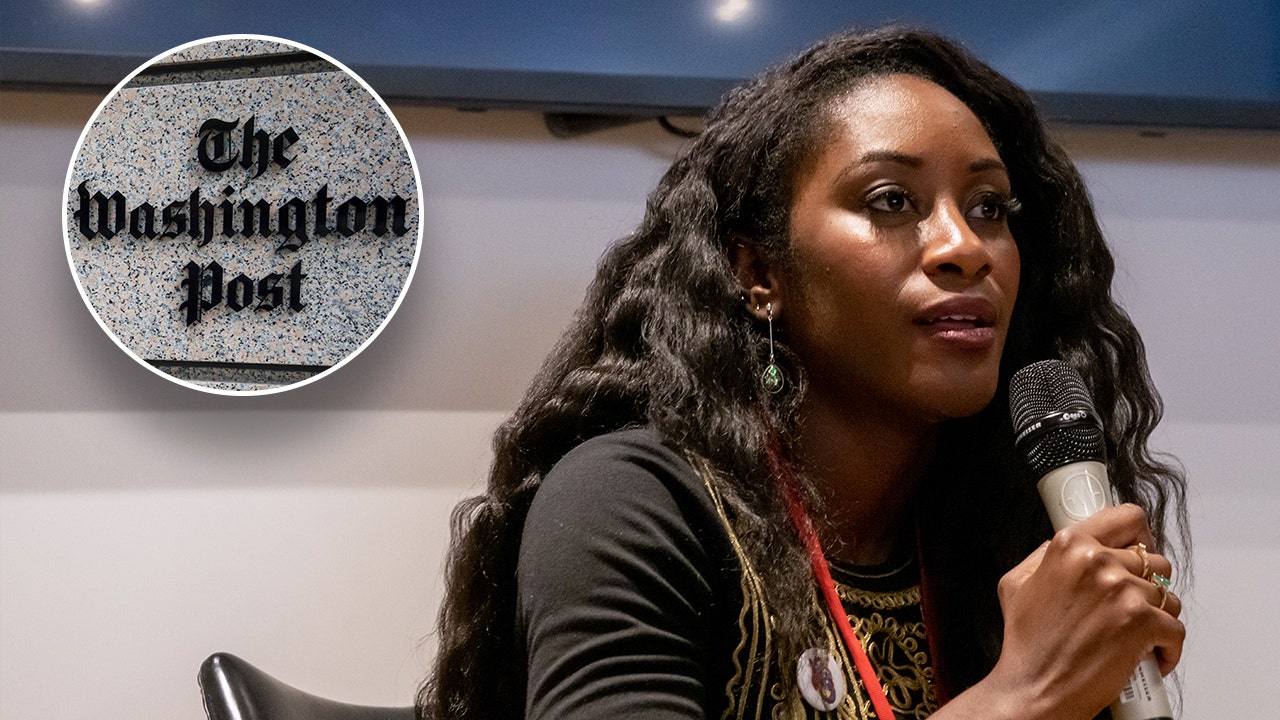
Washington Post opinion columnist Karen Attiah warned that "many will not survive" unless there is a shift in cultural and political systems in the country, urging marginalized communities to "divest" from institutions and enter into a "self-preservation" mode. She pointed to the recent decision by the University of Southern California to cancel a Muslim valedictorian's speech as an example of the need for change, and criticized the silence and censorship surrounding the conflict in Gaza. Attiah's comments have sparked controversy on social media, with some questioning her past statements and positions.
A new study published in Scientific Reports reveals that ancient Scandinavian bodies dating back 6,000 years show evidence of deadly bacterial infections, including Y. pestis, the bacteria that causes the plague, making it the oldest case of the plague found in remains to date. The shift from nomadic to agricultural communities led to increased population density and interactions with livestock, resulting in infections from food, water, and close human contact. The presence of bacteria causing meningitis and gonorrhea reflects the cultural change as people became less nomadic and started living in larger communities at the end of the Stone Age.
The father of Giulia Cecchetin, a young Italian woman who was brutally murdered, called on men to be "agents of change" against a culture that undervalues the lives of women during her funeral in Padua. Thousands of mourners gathered, wearing ribbons representing the campaign to stop femicide. Cecchetin's father urged men to listen to women and not ignore signs of violence, emphasizing the need to break the cycle of abuse. Italy has seen 102 women murdered this year, with over half by current or former intimate partners. The father's eulogy offered a pathway to change and was praised by local officials.
The violent death of Giulia Cecchettin, a 22-year-old university student in Italy, has sparked a national conversation on violence against women and the need for cultural change. Italy, where chauvinistic attitudes are deeply rooted, has recorded over 100 cases of women killed by intimate partners this year alone. While the Senate has passed new legislation to strengthen protections for women, experts argue that the problem lies in the application of existing laws and the need for prevention measures. The case has prompted student activism and calls for change in schools, with the education minister proposing discussion groups on violence against women.
The author recounts a conversation with a self-described gun "fanatic" on a plane, highlighting the challenges of finding common ground on gun violence prevention. Despite expressing concern about mass shootings, the gun owner offered no tangible solutions and dismissed ideas such as psychological testing and red flag laws. The author emphasizes the need to address the misconception that more guns make people safer and advocates for empowering young people with facts to drive cultural change.
Chen Chien-Jou, the woman who launched Taiwan's MeToo movement, spoke out about her experience of being inappropriately touched by a filmmaker and the lack of support she received from a senior party official. Since coming forward, over 100 survivors have accused prominent figures in politics, the arts, academia, and civil society of sexual harassment and abuse. Chen believes that the movement is a chance for survivors to find closure and for society to learn that physical boundaries and human dignity must be respected. She acknowledges the challenges of the movement, including the need for cultural change and the potential for false accusations, but remains committed to giving survivors a safe space to speak out.
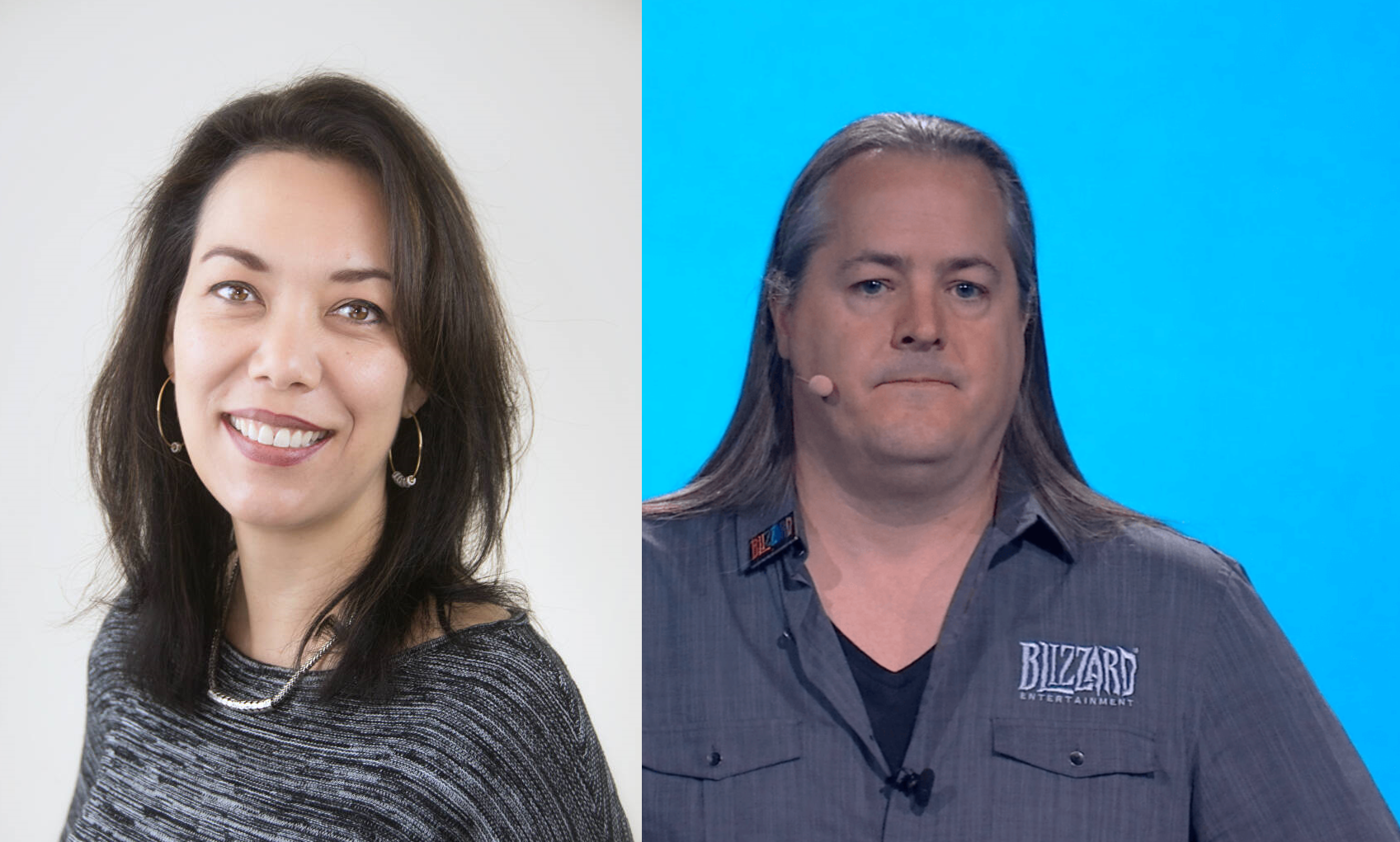
Former Blizzard leaders Jen Oneal and J. Allen Brack have discussed their "incredibly difficult" exits from Activision Blizzard. Oneal left due to pay disparities and has since focused on supporting women in the industry through her work as a Women in Gaming International board member. Brack left following a lawsuit alleging harassment and discrimination of women at the company, and has been reflecting on his role in driving cultural change. He believes Blizzard can re-emerge as a haven for creatives with a positive culture for all employees.