Tag

Superheavy Elements

All articles tagged with #superheavy elements

Asteroid 33 Polyhymnia May Harbor Unknown Elements

Originally Published 5 months ago — by IFLScience

Featured image for Asteroid 33 Polyhymnia May Harbor Unknown Elements
Source: IFLScience

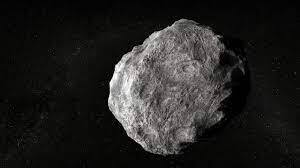
A study suggests that asteroid 33 Polyhymnia may contain ultra-dense, possibly unknown heavy elements beyond the current periodic table, potentially classifying it as a Compact Ultradense Object (CUDO) with a composition that includes stable superheavy elements, which could have implications for space mining and our understanding of matter in the universe.

Superheavy Isotope Unveils Quantum-Fission Interplay

Originally Published 6 months ago — by Phys.org

Featured image for Superheavy Isotope Unveils Quantum-Fission Interplay
Source: Phys.org

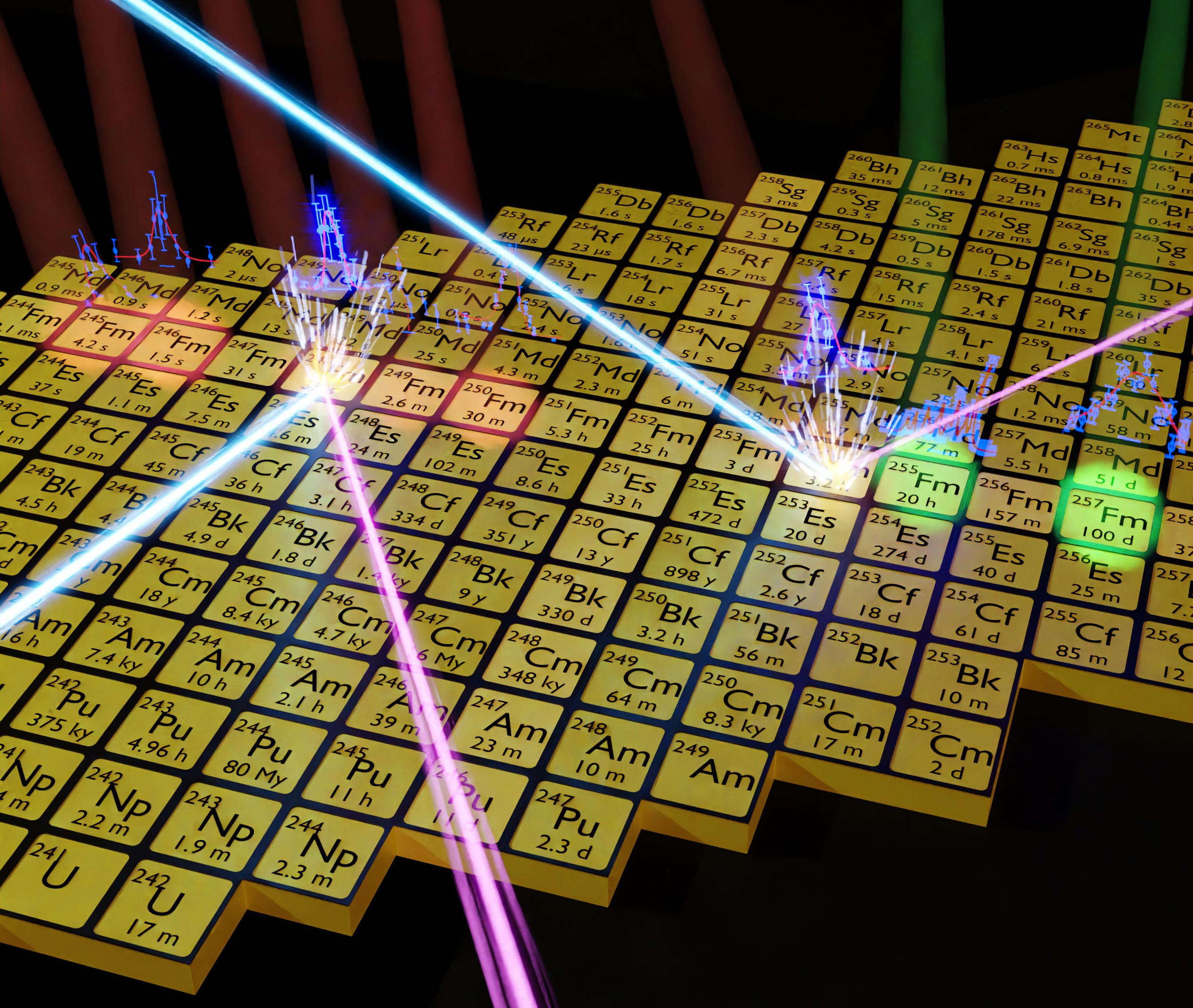
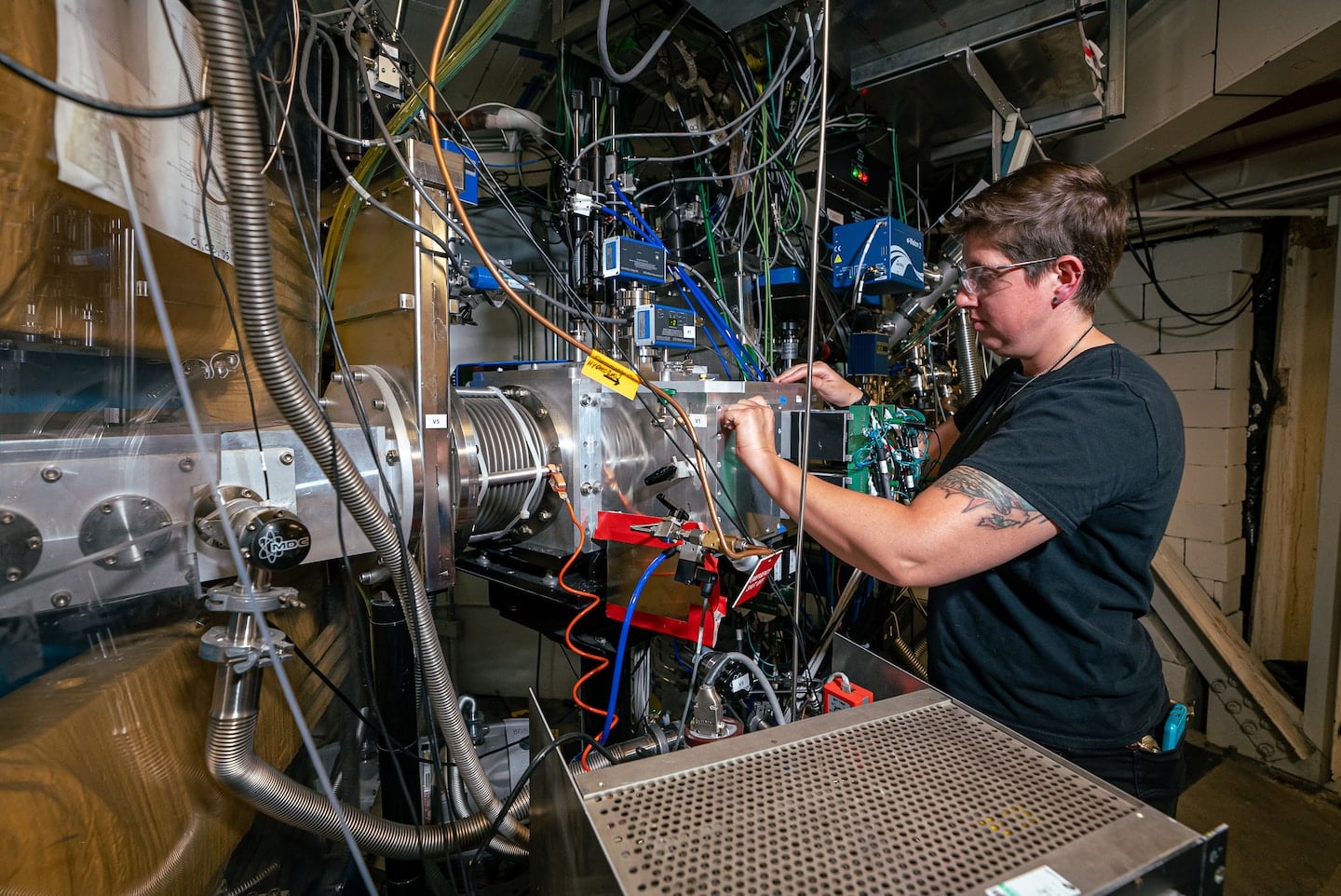
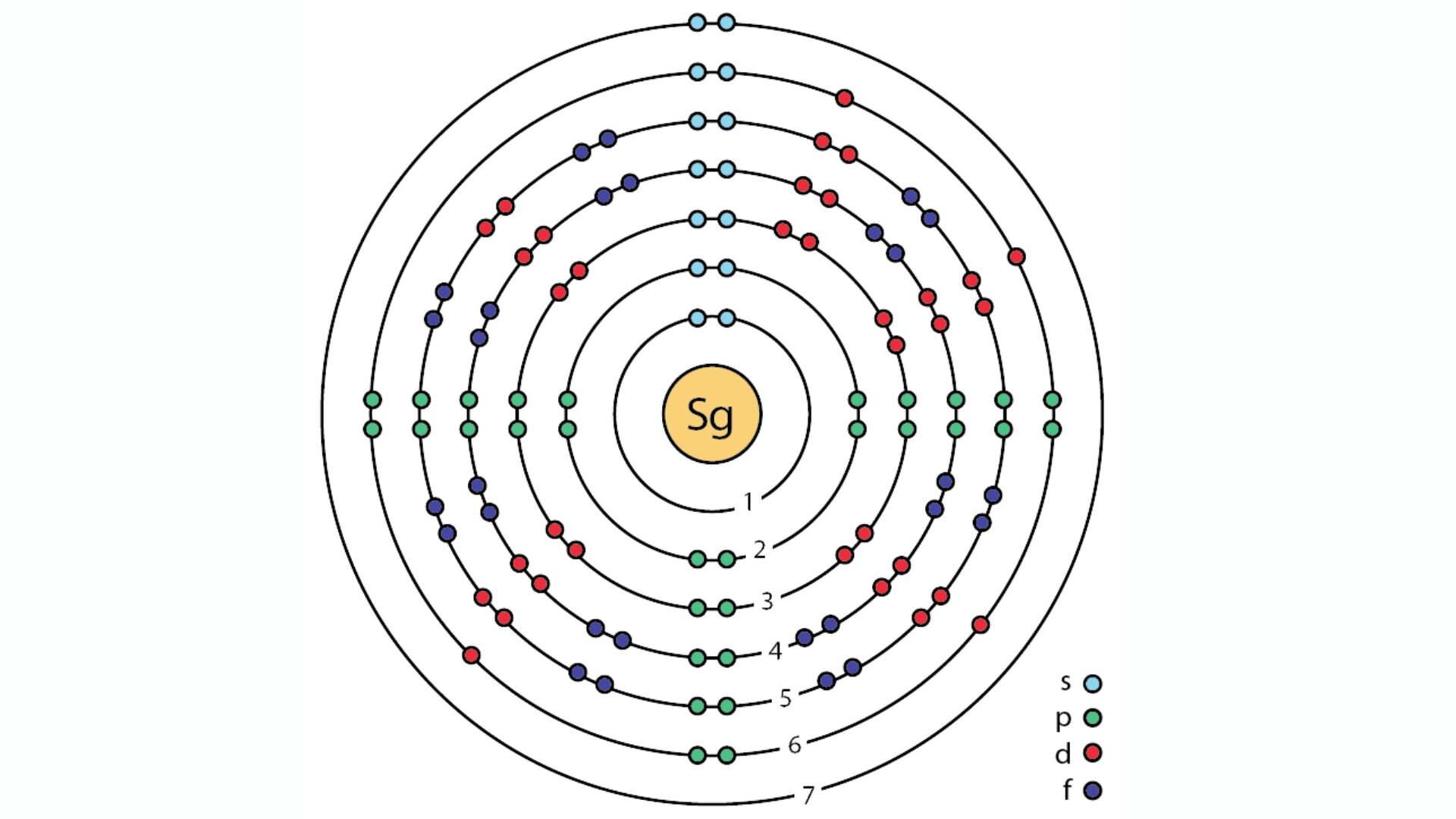
Scientists at GSI Helmholtzzentrum have discovered a new superheavy isotope, 257Sg, revealing complex quantum effects influencing nuclear stability and fission, including the first observation of a K-isomeric state in seaborgium, which could impact the search for the island of stability and future element synthesis.

Unveiling the Chemical Secrets of Moscovium and Nihonium

Originally Published 1 year ago — by Glass Almanac

Featured image for Unveiling the Chemical Secrets of Moscovium and Nihonium
Source: Glass Almanac

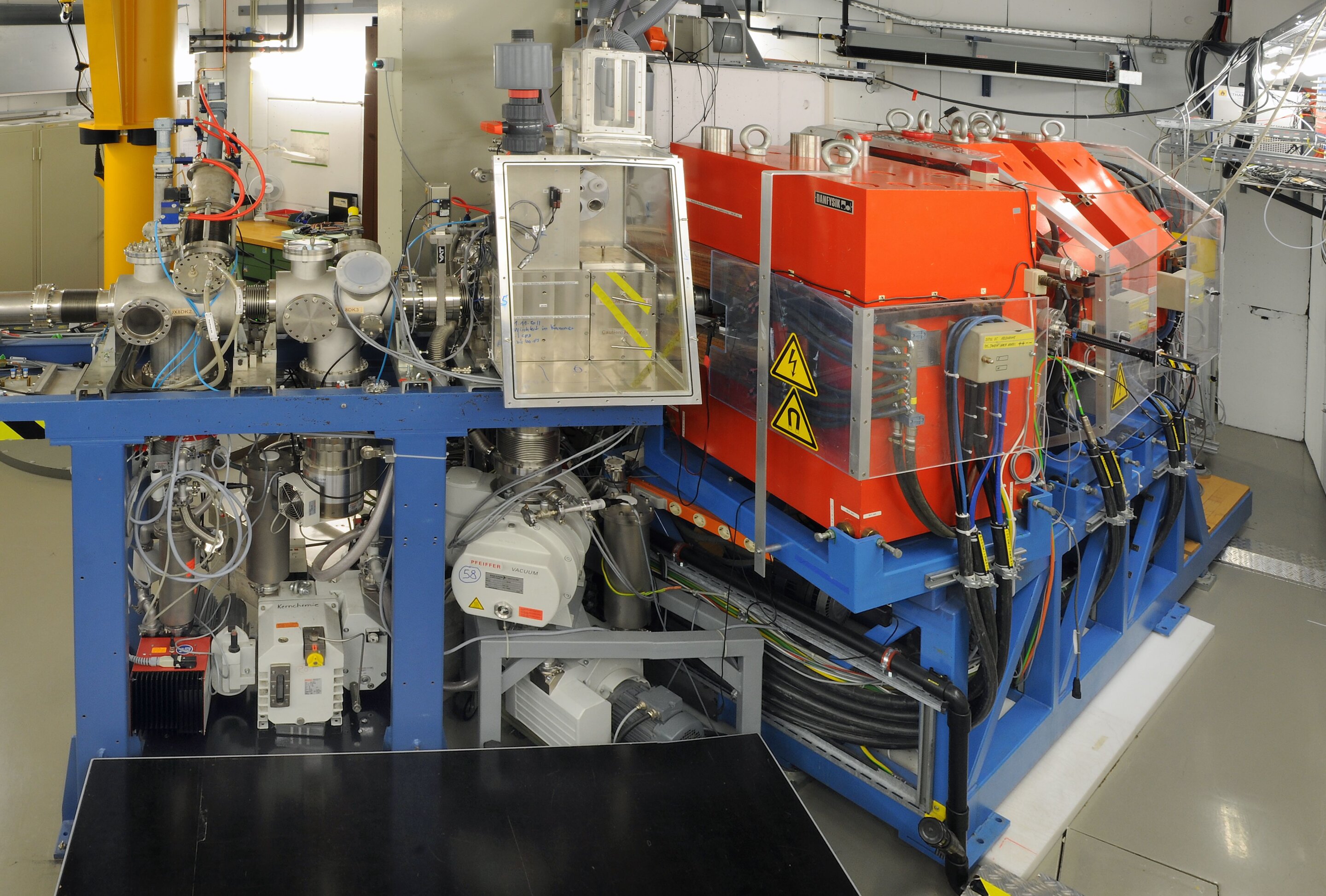
Scientists have successfully observed the chemical properties of superheavy elements moscovium and nihonium, despite their extremely short lifespans. These elements, created in labs by fusing atomic nuclei, are more reactive than expected due to the relativistic effect, where their electrons move at speeds approaching light, altering their chemical behavior. This discovery enhances our understanding of fundamental chemistry, although practical applications remain limited due to the elements' instability.

Unveiling Moscovium: The Heaviest Element's Secrets Revealed

Originally Published 1 year ago — by SciTechDaily

Featured image for Unveiling Moscovium: The Heaviest Element's Secrets Revealed
Source: SciTechDaily

Scientists have successfully studied the chemical properties of the superheavy elements moscovium and nihonium, revealing they are more reactive than flerovium due to relativistic effects. This research, conducted by an international team, marks moscovium as the heaviest element ever chemically analyzed. The findings enhance our understanding of superheavy elements and their potential applications, while also demonstrating the influence of Einstein's relativity theory on the periodic table.

Unveiling the Secrets of Superheavy Elements and the Periodic Table's Limits

Originally Published 1 year ago — by SciTechDaily

Featured image for Unveiling the Secrets of Superheavy Elements and the Periodic Table's Limits
Source: SciTechDaily

An international research team has used laser spectroscopy to study fermium isotopes, providing insights into the nuclear structure of superheavy elements. Their findings, published in Nature, reveal that nuclear shell effects diminish as nuclear mass increases, with macroscopic properties becoming more dominant. This research enhances understanding of the stabilization processes in heavy elements and supports theoretical predictions about the reduced influence of local shell effects in heavier nuclei.

Breakthroughs Edge Scientists Closer to New Superheavy Elements

Originally Published 1 year ago — by Livescience.com

Featured image for Breakthroughs Edge Scientists Closer to New Superheavy Elements
Source: Livescience.com

Researchers have developed a new technique that could potentially lead to the creation of element 120, known as unbinilium, which would add a new row to the periodic table. This technique, demonstrated by creating livermorium, involves bombarding isotopes with titanium ions. Although creating unbinilium is expected to take significantly longer, its potential stability could revolutionize the study of superheavy elements.

"Challenging Theory: The Quest for "Superheavy" Elements"

Originally Published 1 year ago — by SciTechDaily

Featured image for "Challenging Theory: The Quest for "Superheavy" Elements"
Source: SciTechDaily

Scientists from global institutions are delving into the realm of superheavy elements, aiming to understand their properties and behavior to expand the periodic table and challenge the concept of the "island of stability." Recent research, featured in prestigious scientific publications, explores the theoretical and experimental aspects of superheavy elements, with a focus on their electronic structure and predicted behaviors. The quest for superheavy elements involves building new experimental facilities and employing advanced theoretical models, with potential implications for nuclear and atomic physics, astrophysics, and chemistry.

"Exploring Superheavy Elements: Pushing the Periodic Table's Limits"

Originally Published 1 year ago — by Phys.org

Featured image for "Exploring Superheavy Elements: Pushing the Periodic Table's Limits"
Source: Phys.org

Scientists from Massey University, University of Mainz, Sorbonne University, and FRIB are exploring the limit of the periodic table and the concept of the "island of stability" with recent advances in superheavy element research, aiming to expand the borders of the Periodic Table of the Elements and the Chart of the Nuclides. New experimental facilities are being built to uncover properties of superheavy nuclei, and progress in atomic structure theory is focusing on their predicted electronic ground state configurations. This research will impact nuclear and atomic physics, astrophysics, and chemistry.

"Unveiling the Ultimate Element: Exploring the Outer Limits of the Periodic Table"

Originally Published 1 year ago — by Phys.org

Featured image for "Unveiling the Ultimate Element: Exploring the Outer Limits of the Periodic Table"
Source: Phys.org

Researchers are exploring the limits of the periodic table with the discovery of six new superheavy elements, raising questions about the existence and characteristics of an "island of enhanced stability." Recent review articles in Nature Review Physics summarize the challenges and offer fresh perspectives on the quest for superheavy elements and the limit of the periodic table. While elements up to oganesson (element 118) have been produced, they are highly unstable, with their lifetimes increasing towards the magic neutron number 184. The research program at GSI Darmstadt, supported by infrastructure and expertise at HIM and Johannes Gutenberg University Mainz, continues to play a crucial role in the investigation of superheavy elements, with the potential for more efficient studies in the future.

Unprecedented Discovery: Asteroid Holds Exotic Elements Defying Periodic Table

Originally Published 2 years ago — by Space.com

Featured image for Unprecedented Discovery: Asteroid Holds Exotic Elements Defying Periodic Table
Source: Space.com

A new study suggests that certain asteroids in our solar system may be composed of naturally occurring "superheavy elements" that are beyond those listed in the periodic table. These asteroids, known as compact ultra dense objects (CUDOs), are denser than any element found on Earth. Previous research proposed that the density of CUDOs could be explained by the presence of dark matter particles, but the new study mathematically demonstrates that unknown classes of chemical elements beyond the periodic table could account for their density. These superheavy elements, if they exist, could shed light on how they were formed and why they have not been discovered outside of asteroids. The study also supports the theoretical existence of a region of stable superheavy elements around atomic number 164, known as the "island of stability."

"Uncharted Territory: Study Reveals Mysterious Elements Hiding in Asteroids' Core"

Originally Published 2 years ago — by Livescience.com

Featured image for "Uncharted Territory: Study Reveals Mysterious Elements Hiding in Asteroids' Core"
Source: Livescience.com

Some asteroids in our solar system may be composed of naturally occurring "superheavy elements" that are denser than any element on Earth, according to a new study. These asteroids, known as compact ultra dense objects (CUDOs), have densities that cannot be explained by known elements in the periodic table. Previous research suggested that dark matter particles could account for their density, but the new study proposes the existence of unknown classes of chemical elements beyond the periodic table. These superheavy elements, if they exist, could explain the density of CUDOs like the asteroid 33 Polyhymnia. The study also supports the theoretical concept of an "island of stability" for superheavy elements, where they could be stable and exist for short periods of time.

Unveiling the Origins of Ultradense Asteroids: The Quest for Undiscovered Superheavy Elements

Originally Published 2 years ago — by Daily Kos

Featured image for Unveiling the Origins of Ultradense Asteroids: The Quest for Undiscovered Superheavy Elements
Source: Daily Kos

Scientists are exploring the possibility that ultradense asteroids may be composed of superheavy elements that have yet to be discovered. These asteroids, which are denser than any known material on Earth, could provide valuable insights into the formation and evolution of our solar system. Researchers are using computer simulations to study the behavior of these hypothetical elements and their potential presence in ultradense asteroids, offering new avenues for space exploration and advancing our understanding of astrophysics.

Unveiling Hidden Elements: Superheavy Elements Found in Ultradense Asteroids

Originally Published 2 years ago — by ScienceAlert

Featured image for Unveiling Hidden Elements: Superheavy Elements Found in Ultradense Asteroids
Source: ScienceAlert

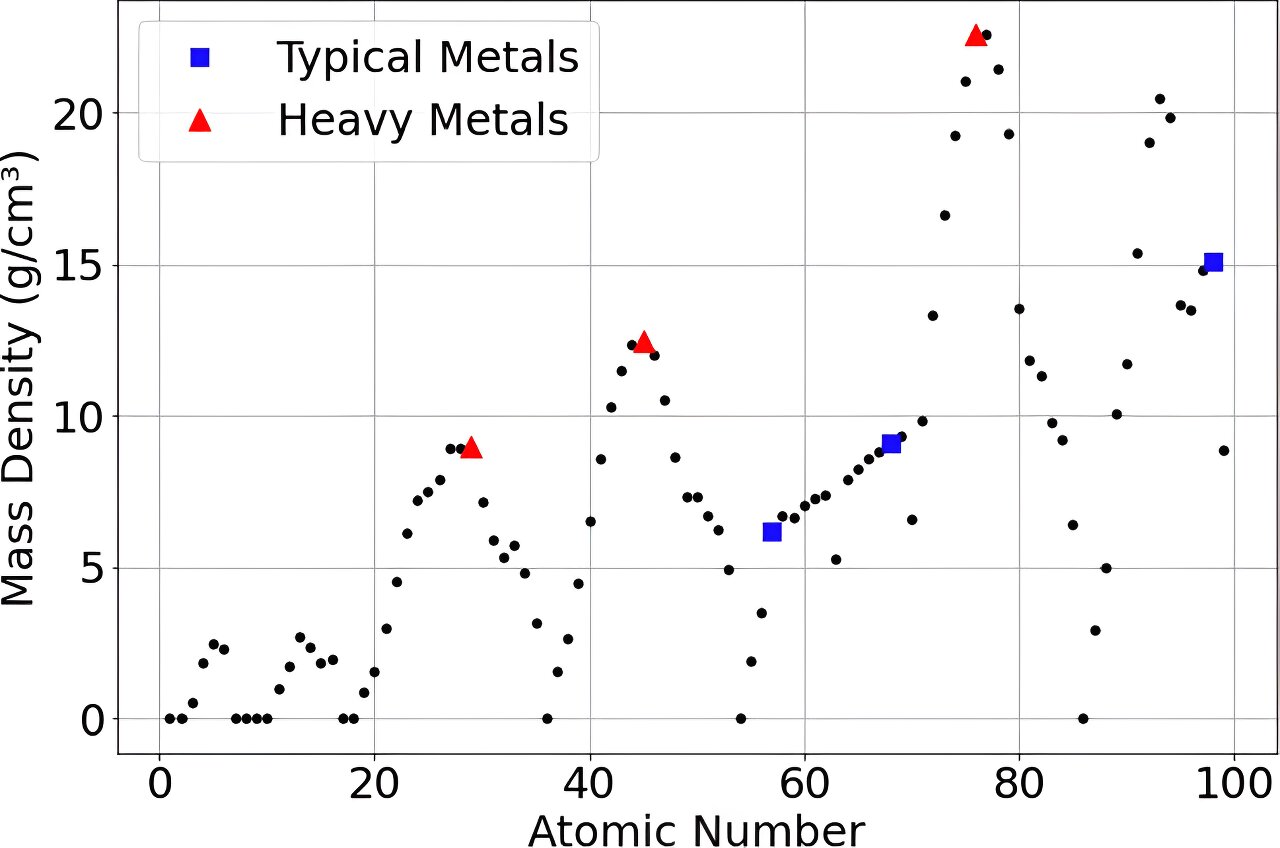
Scientists speculate that there may be naturally occurring, stable elements beyond the periodic table, even beyond the unstable superheavy elements. Theoretical work suggests an island of stability around atomic number 164, where these elements could exist. Researchers from the University of Arizona used the Thomas-Fermi model to explore the atomic structure of hypothetical superheavy elements and found that their density range aligns with the high density measurement of the asteroid 33 Polyhymnia. This suggests that extreme mass density in compact ultradense objects like asteroids could be explained without invoking strange or dark matter. The study demonstrates the utility of the Thomas-Fermi model for investigating the properties of hypothetical superheavy elements.

Exploring Superheavy Elements and Ultradense Asteroids

Originally Published 2 years ago — by Phys.org

Featured image for Exploring Superheavy Elements and Ultradense Asteroids
Source: Phys.org

Some asteroids have densities higher than any known elements on Earth, suggesting the presence of ultradense matter that cannot be studied using conventional physics. Researchers propose that these asteroids may contain superheavy elements with atomic numbers higher than the current periodic table's limit. Using the Thomas-Fermi model, they calculated the properties of these elements and confirmed the prediction of stable atoms with around 164 protons. The researchers also suggest that asteroids like 33 Polyhymnia could be composed of elements above Z=118. This discovery has implications for space mining and the possibility of obtaining stable superheavy elements from within our solar system.