Tag

Atomic Structure

All articles tagged with #atomic structure

Unveiling the Potential of 3D-Printed High-Entropy Alloys

Originally Published 2 years ago — by Nature.com

Featured image for Unveiling the Potential of 3D-Printed High-Entropy Alloys
Source: Nature.com

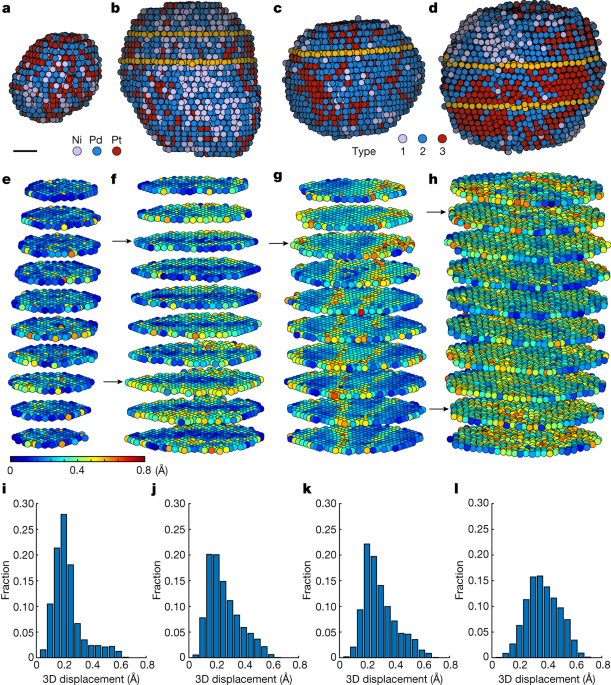
Researchers have published a study on the three-dimensional atomic structure and local chemical order of medium- and high-entropy nanoalloys. The study provides valuable insights into the composition and arrangement of atoms in these alloys, which can have significant implications for their properties and performance. The raw and processed experimental data, as well as the MATLAB source codes for data analysis, are available on GitHub for further research and exploration.
Unveiling the 3D Atomic Structure and Potential of Next-Generation Alloys

Originally Published 2 years ago — by Phys.org

Featured image for Unveiling the 3D Atomic Structure and Potential of Next-Generation Alloys
Source: Phys.org

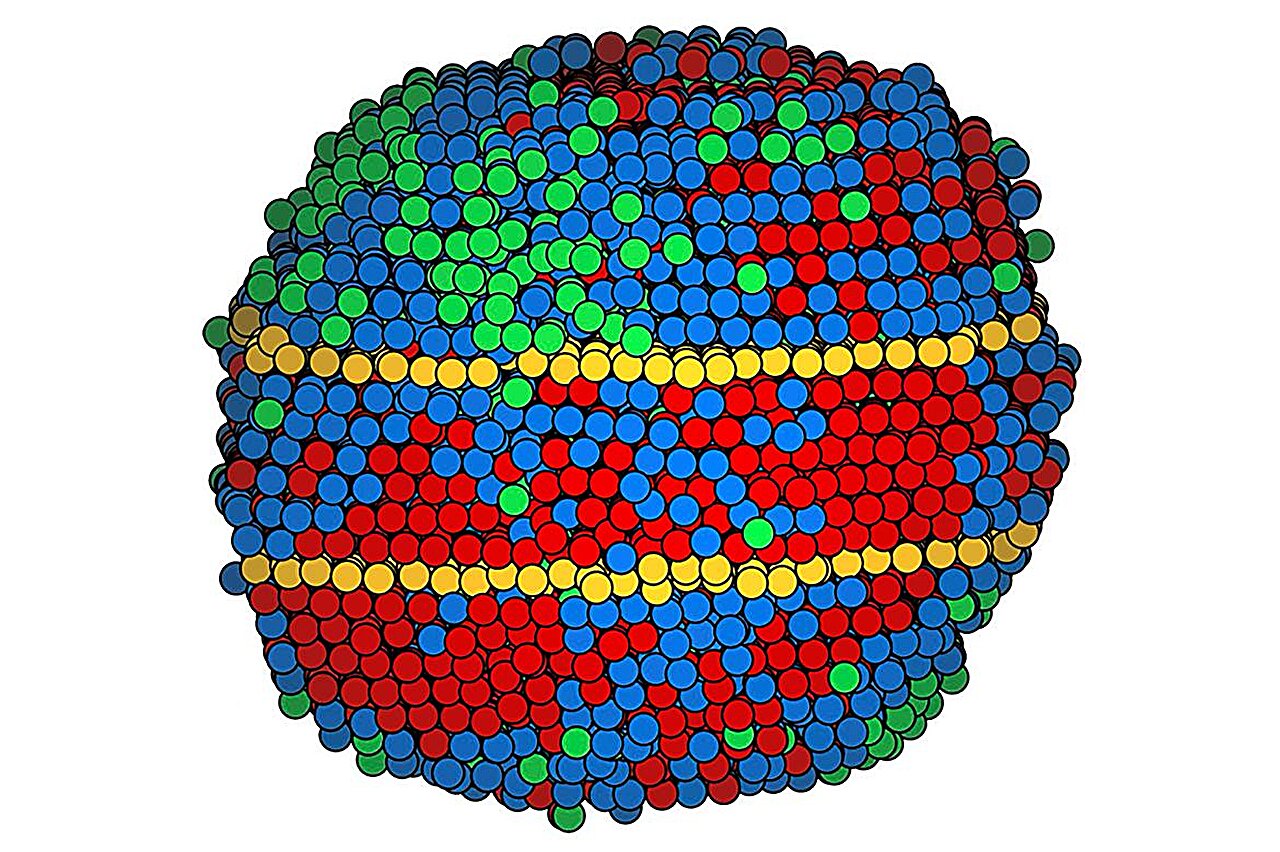
Researchers at UCLA have used an advanced imaging technique to map the three-dimensional atomic coordinates of medium- and high-entropy alloys for the first time. By correlating the mixture of elements with structural defects, the team discovered a new way to boost the toughness and flexibility of these alloys. The study provides insights into the design of durable alloys and has the potential to unlock new properties in conventional alloys like steel. The researchers are also developing new imaging methods to further understand the structures and properties of these alloys.

Exploring Superheavy Elements and Ultradense Asteroids

Originally Published 2 years ago — by Phys.org

Featured image for Exploring Superheavy Elements and Ultradense Asteroids
Source: Phys.org

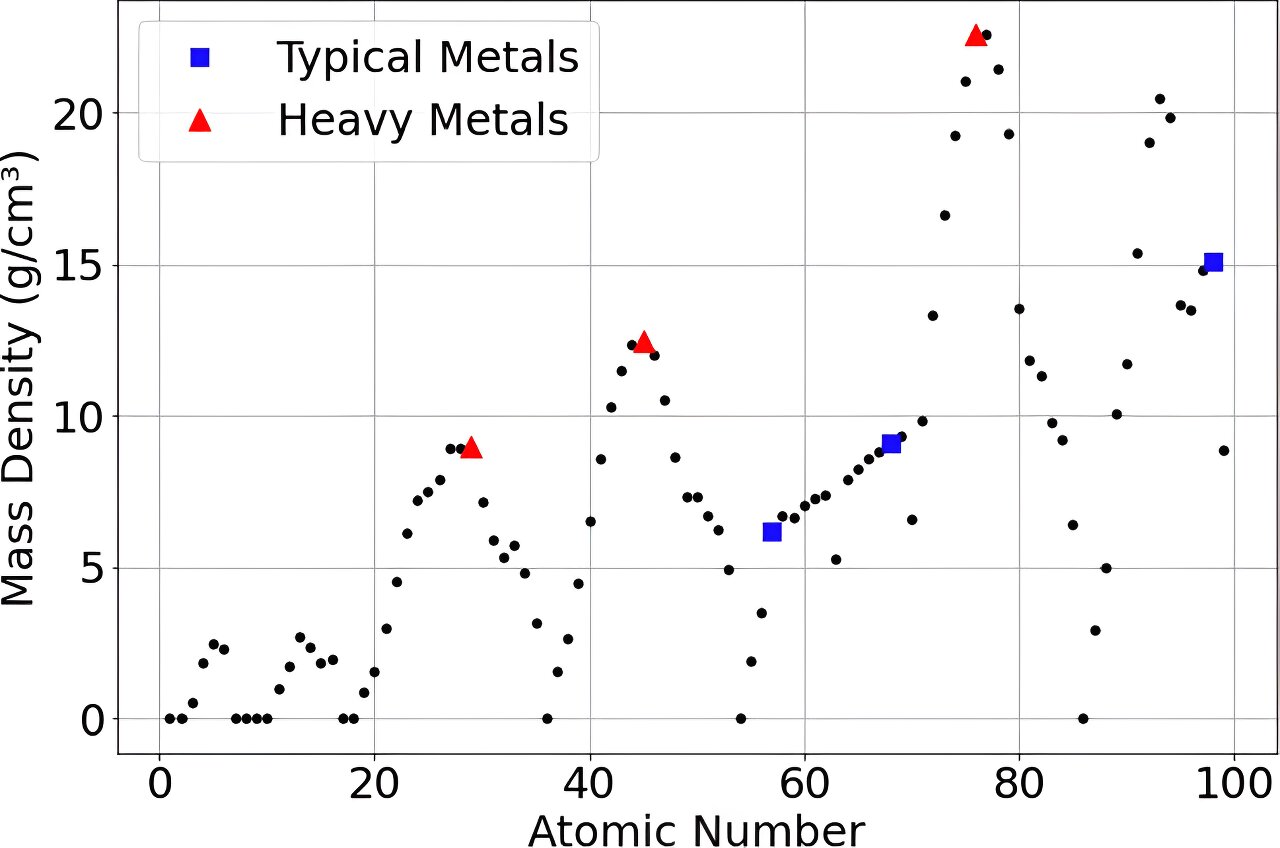
Some asteroids have densities higher than any known elements on Earth, suggesting the presence of ultradense matter that cannot be studied using conventional physics. Researchers propose that these asteroids may contain superheavy elements with atomic numbers higher than the current periodic table's limit. Using the Thomas-Fermi model, they calculated the properties of these elements and confirmed the prediction of stable atoms with around 164 protons. The researchers also suggest that asteroids like 33 Polyhymnia could be composed of elements above Z=118. This discovery has implications for space mining and the possibility of obtaining stable superheavy elements from within our solar system.

Quantum Researchers Develop "Huge" Distortion Material

Originally Published 2 years ago — by SciTechDaily

Featured image for Quantum Researchers Develop "Huge" Distortion Material
Source: SciTechDaily

Scientists at the Department of Energy’s SLAC National Accelerator Laboratory and Stanford University have developed a novel quantum material, the atomic framework of which has been drastically distorted into a herringbone pattern by an electronic tug-of-war between its layers caused by the Jahn-Teller effect. The distortions resulting from this material are “huge” compared to those in other materials, and the resulting lattice distortions are equal to 25% of the distance between ions in the lattice. The researchers plan to investigate the material's intriguing magnetic, orbital, and charge order properties further, which could result in unique features.

Uncovering the Source of Superconductivity in Nickelates

Originally Published 2 years ago — by Phys.org

Featured image for Uncovering the Source of Superconductivity in Nickelates
Source: Phys.org

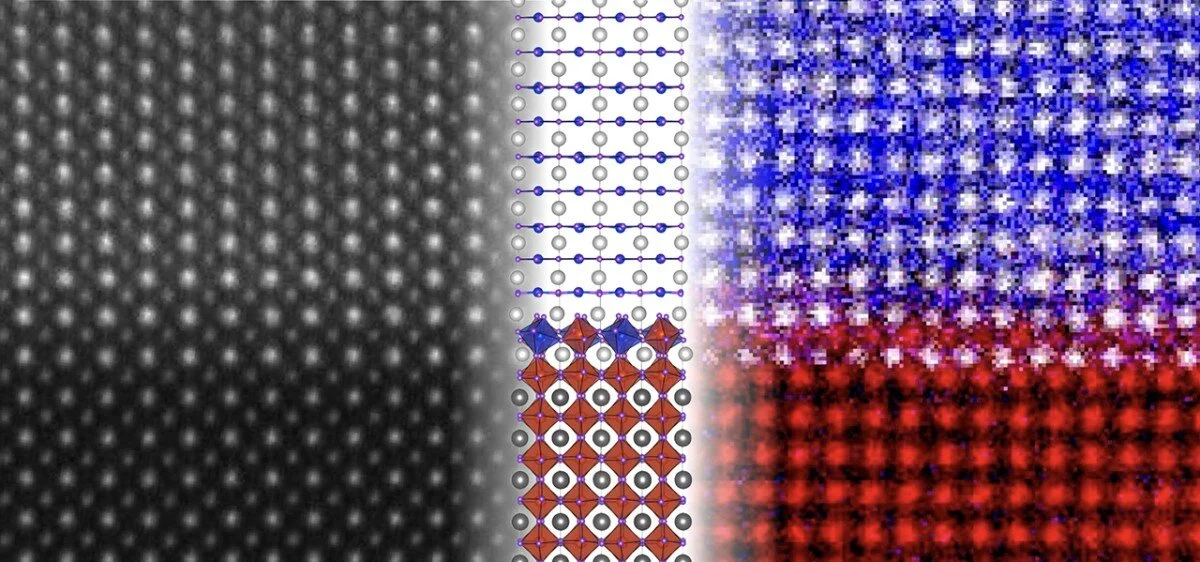
Researchers at Cornell have used advanced electron microscopy techniques to uncover an unexpected atomic structure within a newly discovered class of nickel-based superconductors, providing a blueprint for how more functional versions might be engineered in the future. The study shows that superconductivity may not be reliant on the thin-film geometry, meaning that creation of superconducting bulk crystals theoretically should be possible. The discovery is encouraging for the field because it shows that superconductivity is occurring in the nickelate film itself, not at the atomic interface where the film and substrate meet.