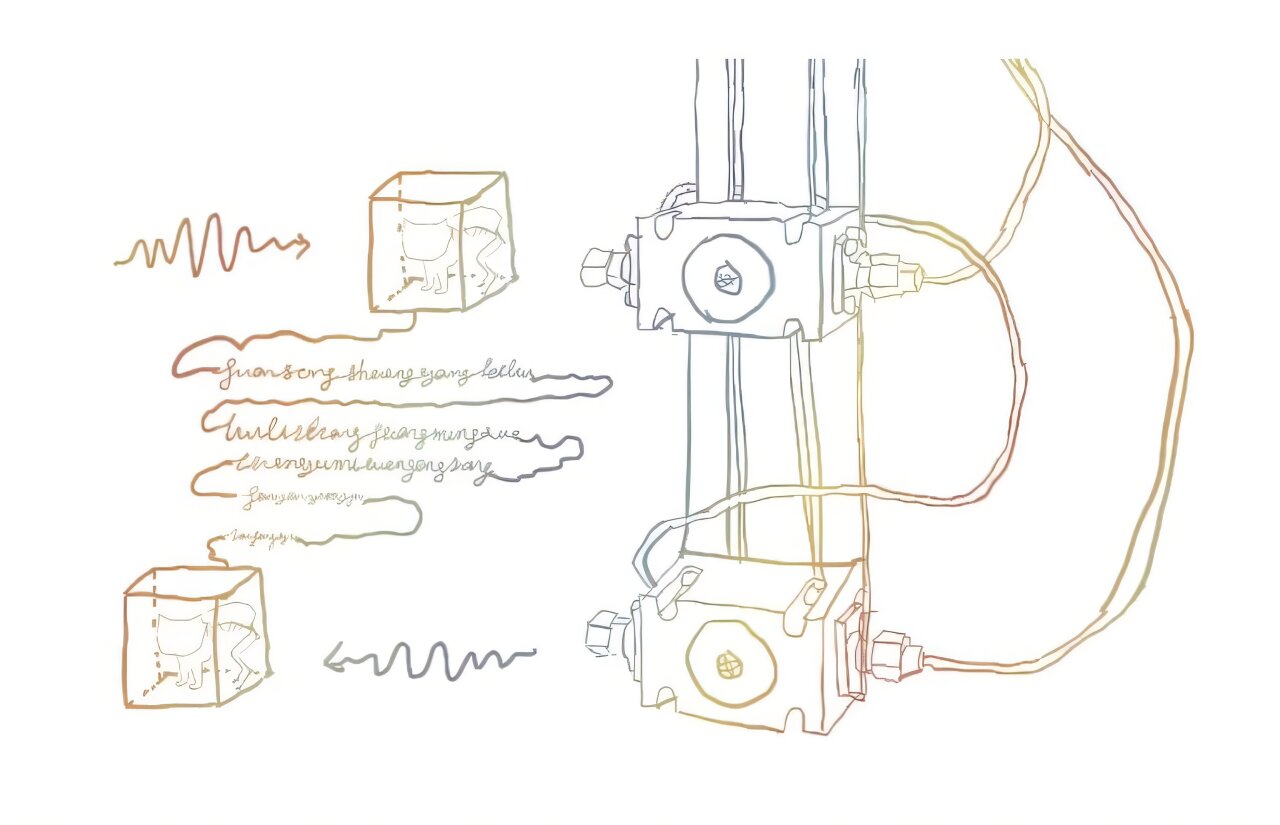
Researchers at Tohoku University have developed optimized quantum sensor networks using superconducting qubits that significantly enhance the detection of faint dark matter signals, potentially unlocking new ways to explore the universe's mysterious missing substance.
Three UC Berkeley faculty members, Clarke, Devoret, and Martinis, were awarded the Nobel Prize in Physics for their pioneering work on quantum tunneling in superconducting circuits, foundational to the development of quantum computers, which have the potential to revolutionize technology and science.
UC Santa Barbara physicists John Martinis and Michel Devoret, along with John Clarke, won the 2025 Nobel Prize in Physics for their pioneering work on quantum phenomena in superconducting circuits, which has significantly advanced quantum technology and computing.
Researchers at the University of Illinois have developed a modular superconducting quantum processor that can be assembled like LEGO blocks, achieving near-perfect qubit performance (~99% fidelity) and demonstrating a promising approach for scalable, reconfigurable quantum computers. This modular architecture offers advantages over traditional monolithic designs, including better scalability, easier hardware upgrades, and increased resilience, paving the way for future quantum networks.
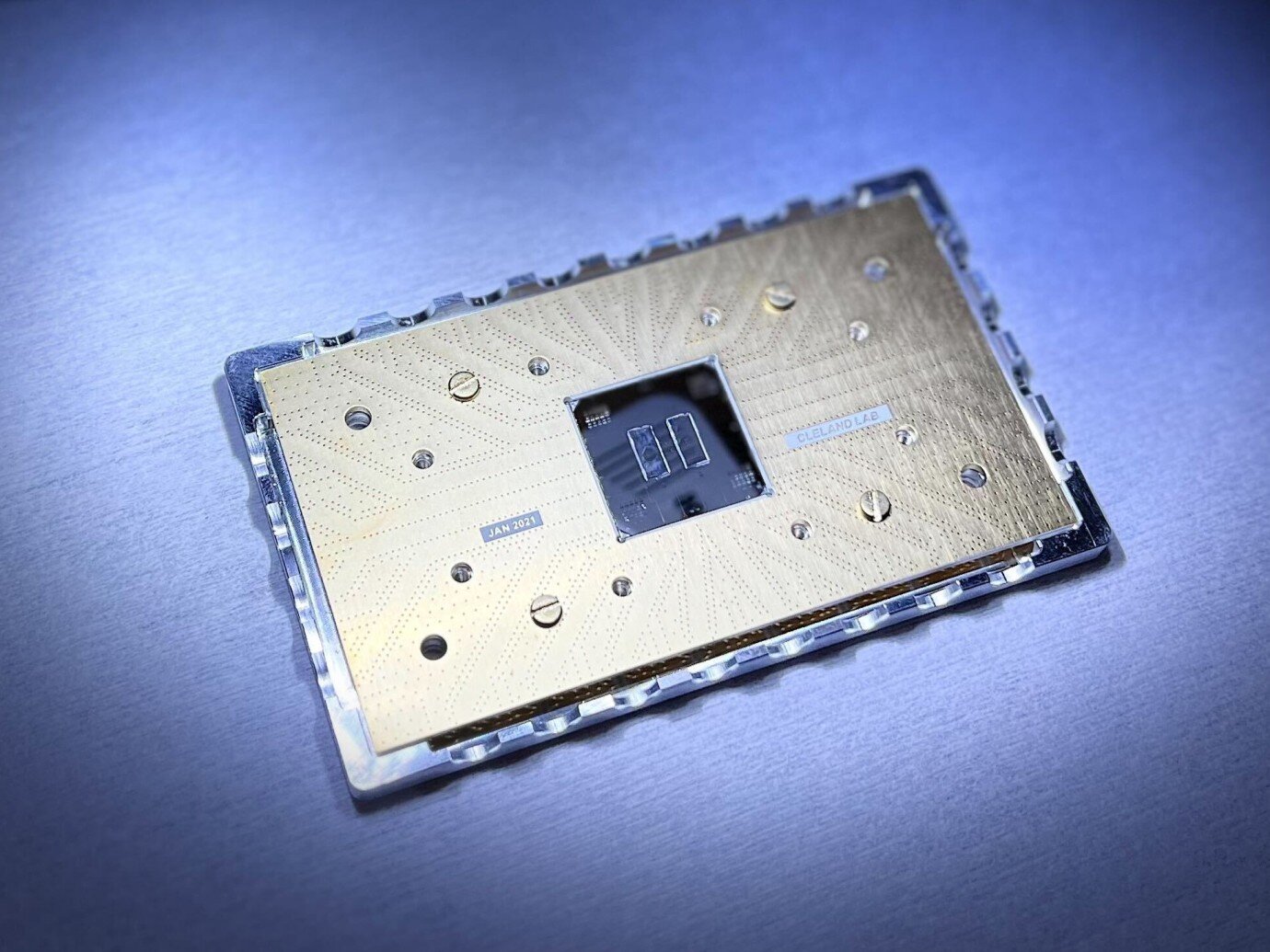
Researchers have successfully demonstrated high-fidelity entangling gates between two remote superconducting quantum processors 30 cm apart, using a microwave cable and the cross-resonance effect, paving the way for distributed quantum computing and more scalable quantum systems.
An international team successfully used a superconducting quantum processor to simulate spontaneous symmetry breaking at zero temperature, demonstrating quantum computing's potential to explore complex physical phenomena with over 80% fidelity, and providing new insights into phase transitions and quantum entanglement.
Researchers at the University of Chicago have developed a new design for a superconducting quantum processor that uses a modular approach with a reconfigurable router as a central hub. This design allows any two qubits to connect and entangle, overcoming the limitations of traditional 2D grid layouts where qubits can only interact with their immediate neighbors. The new architecture aims to enhance scalability and fault tolerance, crucial for advancing quantum computing capabilities.
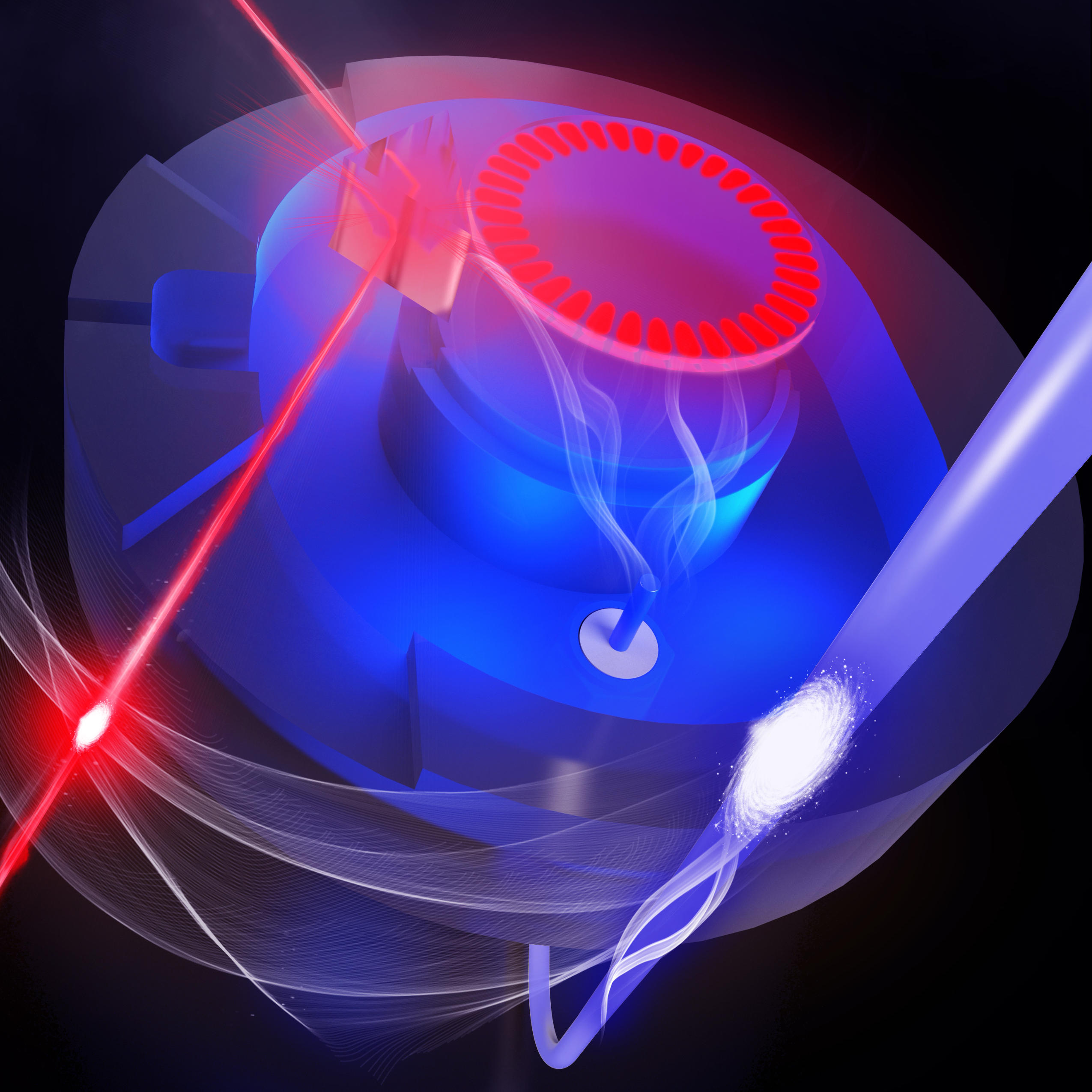
Researchers at the Institute of Science and Technology Austria (ISTA) have achieved the first-ever entanglement of microwave and optical photons, a significant step towards building a quantum network. Entangling photons of vastly different energy scales opens up possibilities for scaling up quantum hardware, interconnecting quantum computing platforms, and enabling quantum-enhanced remote sensing applications. The researchers used an electro-optic device to split an optical photon into entangled optical and microwave photons, overcoming the challenge of the large energy difference between the two. This breakthrough paves the way for the development of modular quantum computers with multiple separately cooled processor nodes, addressing the cooling limitations of superconducting qubits.
Researchers from the University of Chicago have demonstrated the first phononic beamsplitter, a critical component for a phononic quantum computer that encodes information in sound waves. The team generated individual phonons using surface acoustic waves and used them to transfer quantum information between two superconducting qubits. They also replicated the Hong-Ou-Mandel effect using phonons and showed that they could control the direction of the output. While the approach is unlikely to compete with optical approaches to quantum computing, it could be promising for hybrid computing schemes that combine the best of both worlds.
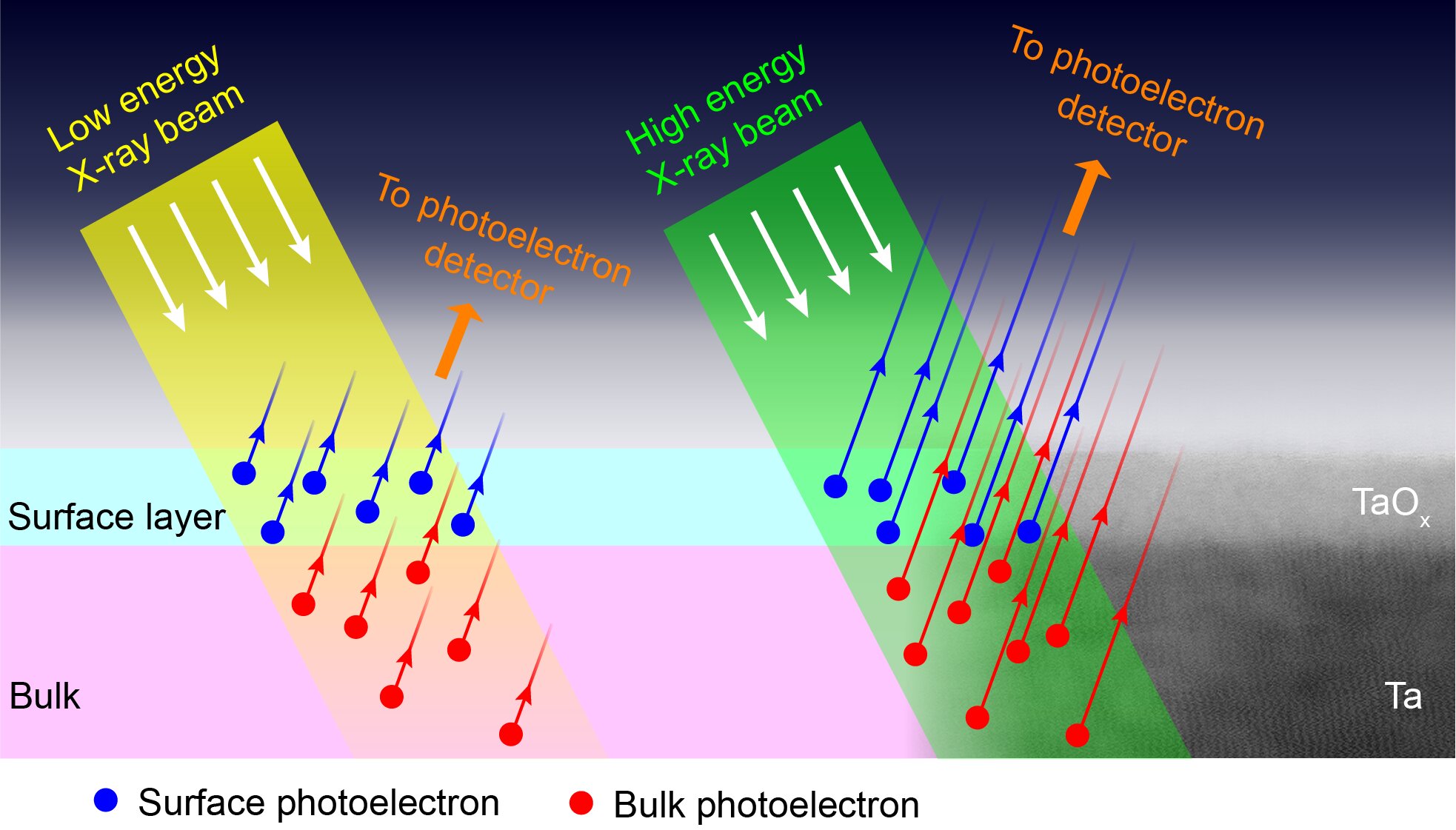
Researchers from the Center for Functional Nanomaterials, the National Synchrotron Light Source II, the Co-design Center for Quantum Advantage, and Princeton University have decoded the chemical profile of tantalum to understand why superconducting qubits made with tantalum perform better than those made with niobium and aluminum. They found that the thickness and chemical nature of the tantalum oxide layer on the surface of tantalum played a role in determining the qubit coherence. The study's results will provide key knowledge for designing even better qubits in the future.
Google Quantum AI has observed non-Abelian anyons for the first time, a breakthrough that could revolutionize quantum computing by making it more robust to noise and leading to topological quantum computation. Non-Abelian anyons retain a sort of memory, and when two of them are exchanged, their world-lines wrap around one another. The resulting knots and braids form the basic operations of a topological quantum computer. The team demonstrated how braiding of non-Abelian anyons might be used in quantum computations and created a well-known quantum entangled state called the Greenberger-Horne-Zeilinger (GHZ) state.
Google Quantum AI has observed the behavior of non-Abelian anyons, particles that retain a sort of memory, for the first time, opening a new path towards topological quantum computation. Non-Abelian anyons have the potential to revolutionize quantum computing by making operations more resistant to noise. The team successfully used these anyons to perform quantum computations, indicating that the peculiar behavior of non-Abelian anyons could be key to developing fault-tolerant topological quantum computers in the future.
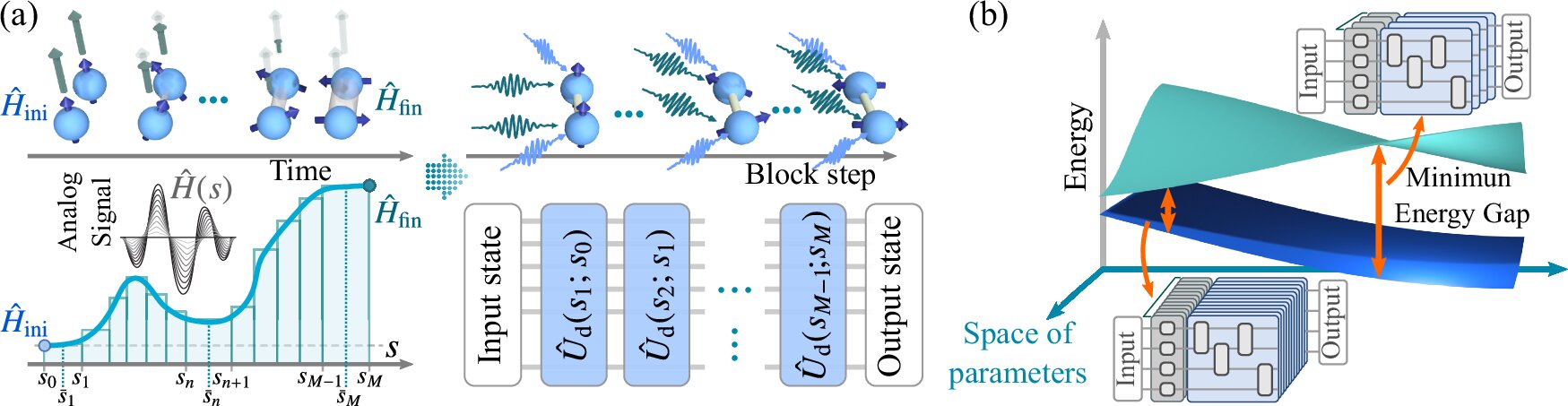
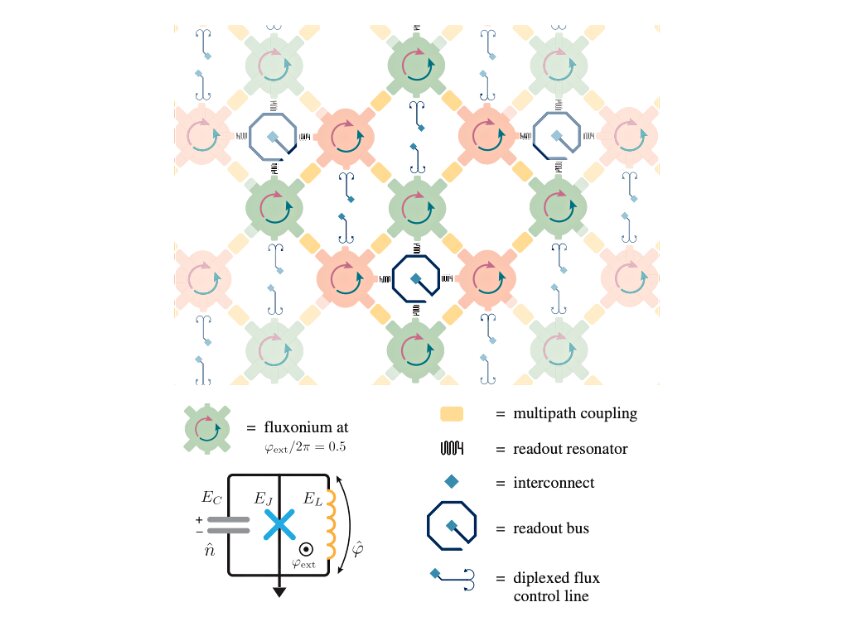
Researchers at the AQT at Berkeley Lab developed a blueprint for a novel quantum processor based on "fluxonium" qubits, which can outperform the most widely used superconducting qubits, offering a promising path toward fault-tolerant universal quantum computing. The team focused on the scalability and adaptability of the processor's main components, with a set of parameters that researchers can tune to increase the runtime and fidelity of quantum circuits. The proposed fluxonium blueprint provides a potential path towards building fluxonium processors with standard, practical procedures to deploy logic gates with varying frequencies.