Tag

Non Abelian Anyons

All articles tagged with #non abelian anyons

science1 year ago

Physicists Unveil New Matter for Quantum Computing

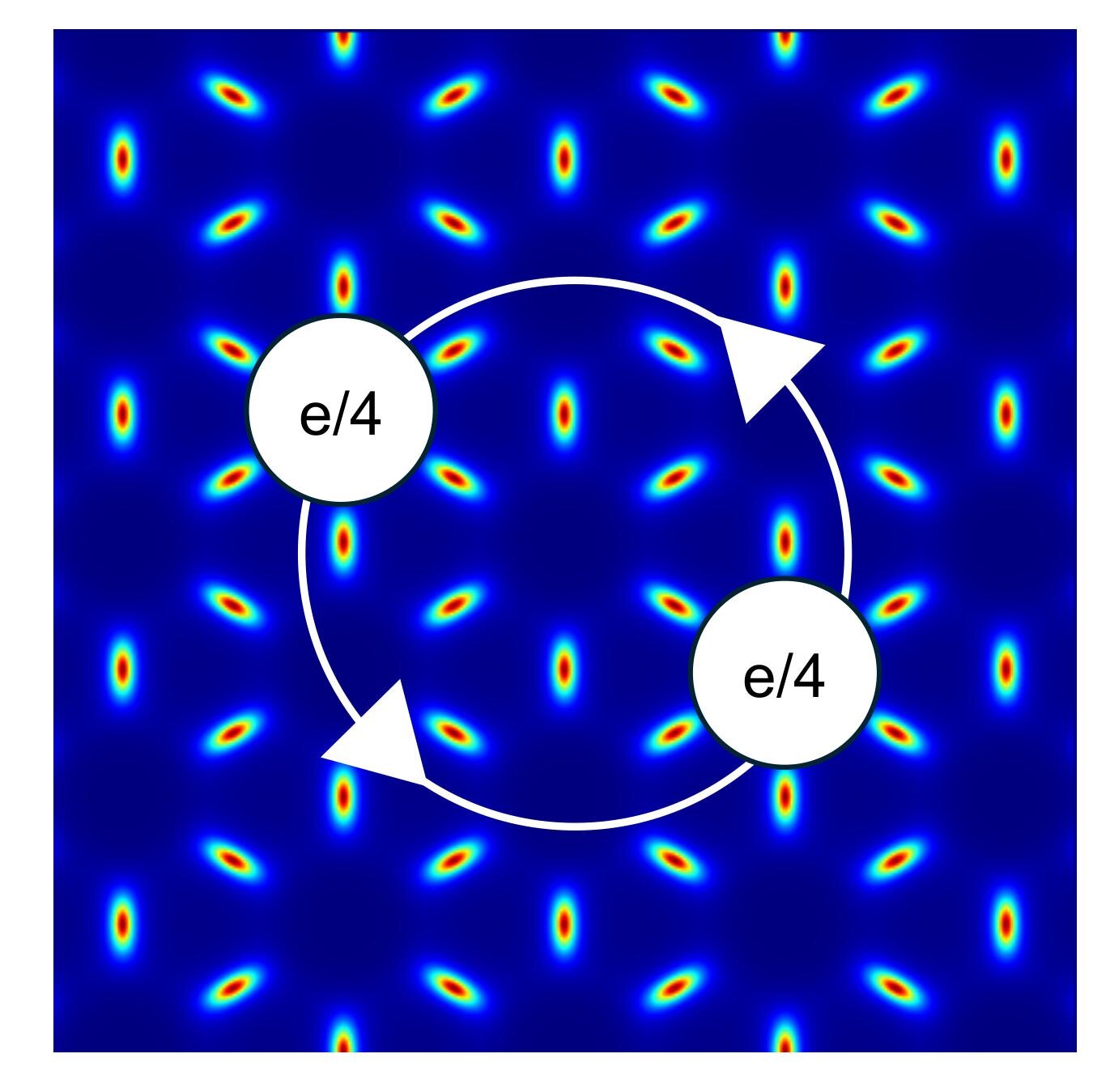
MIT physicists have predicted the creation of non-Abelian anyons, an exotic form of matter, in atomically thin layers of molybdenum ditelluride without an external magnetic field. These anyons, which can "remember" their space-time trajectories, could be used to form qubits for more reliable and powerful quantum computers. This breakthrough builds on recent discoveries in 2D materials and electron fractionalization, potentially expanding the capabilities of quantum computing.
physics1 year ago

"Advancements in Quantum Physics: Unveiling Non-Abelian Anyons in a New Phase of Matter"

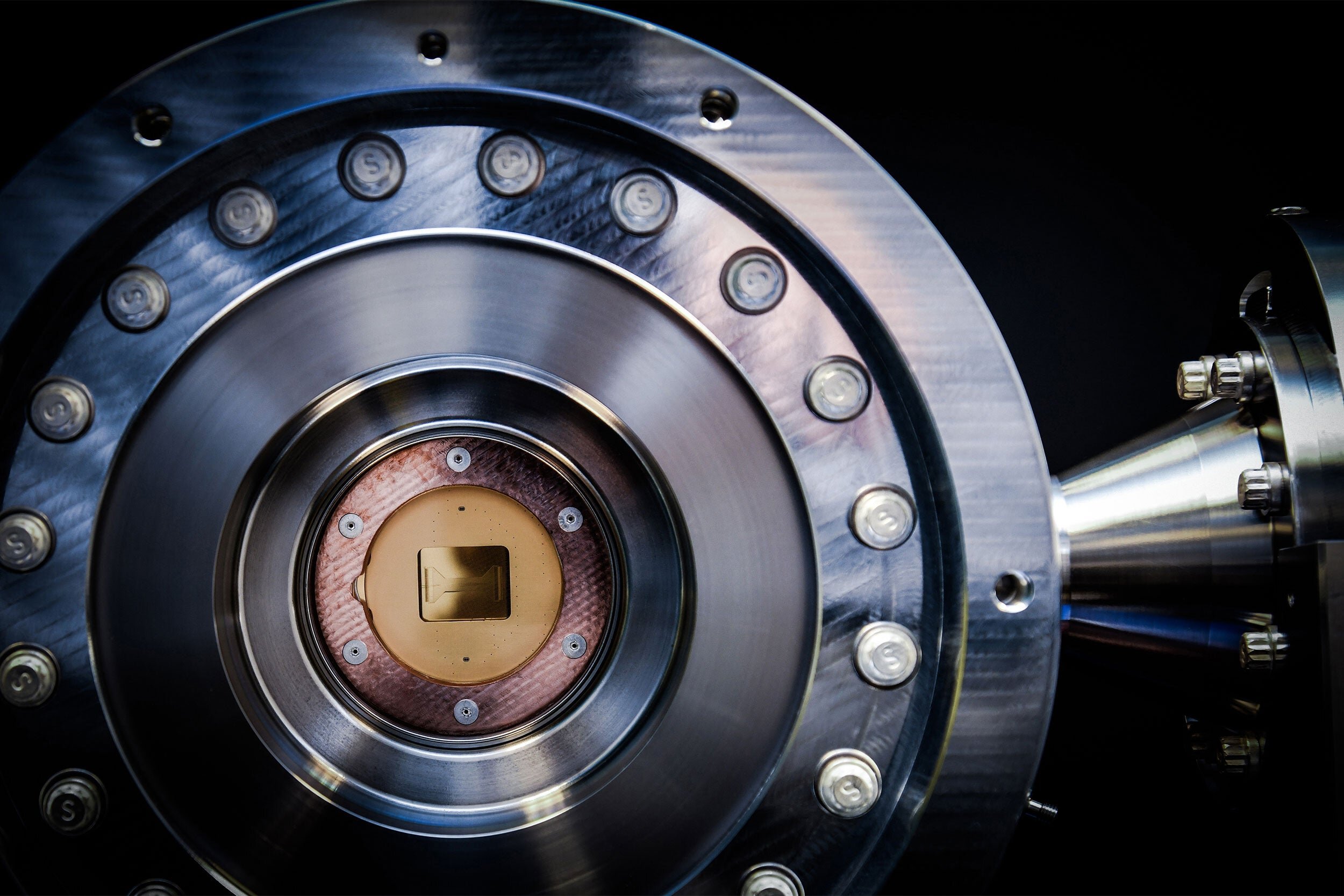
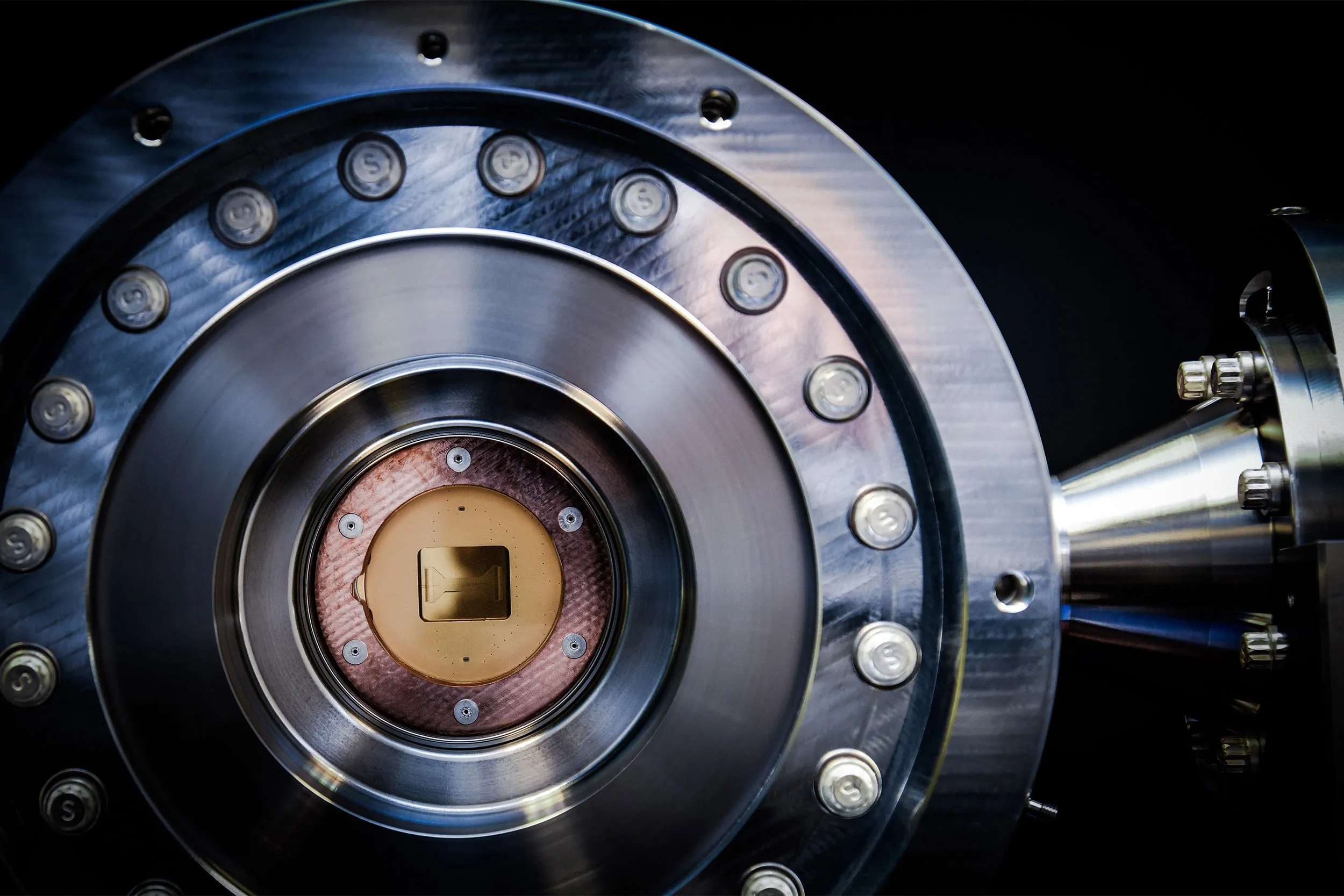
Physicists have achieved the first demonstration of non-Abelian anyons, a new phase of matter, in a quantum processor. This breakthrough, published in Nature, marks the synthesis and control of exotic particles that could potentially revolutionize quantum computing due to their stability and memory-carrying capabilities. The team used a trapped-ion processor to create a lattice of 27 ions and employed targeted measurements to sculpt the quantum state of interest, showcasing the practical application of theoretical physics in the field of quantum mechanics.

science1 year ago

"Harvard Physicists Demonstrate Quantum Processor with Non-Abelian Anyons"

Harvard physicists, in collaboration with Quantinuum, have successfully created a new phase of matter called non-Abelian topological order using a quantum processor, marking the first demonstration of non-Abelian anyons in a quantum processor. These exotic particles, neither bosons nor fermions, have potential applications in stable quantum computing due to their special memory-carrying capabilities and stability. The team's achievement not only advances fundamental physics but also holds promise for the future of quantum computing technology.

quantum-computing2 years ago

Quantum Computer Creates Particle with Memory

Scientists have created non-abelian anyons, a type of quasiparticle that can remember its own past, inside a quantum computer. These particles maintain records of their previous location when swapped with each other, allowing physicists to weave them together into complex entangled designs with new and strange behaviors. This discovery could help in designing more robust quantum systems and enable advanced experiments to explore deeper into quantum phenomena.

technology2 years ago

Google Quantum AI Achieves First-Ever Non-Abelian Anyon Braiding

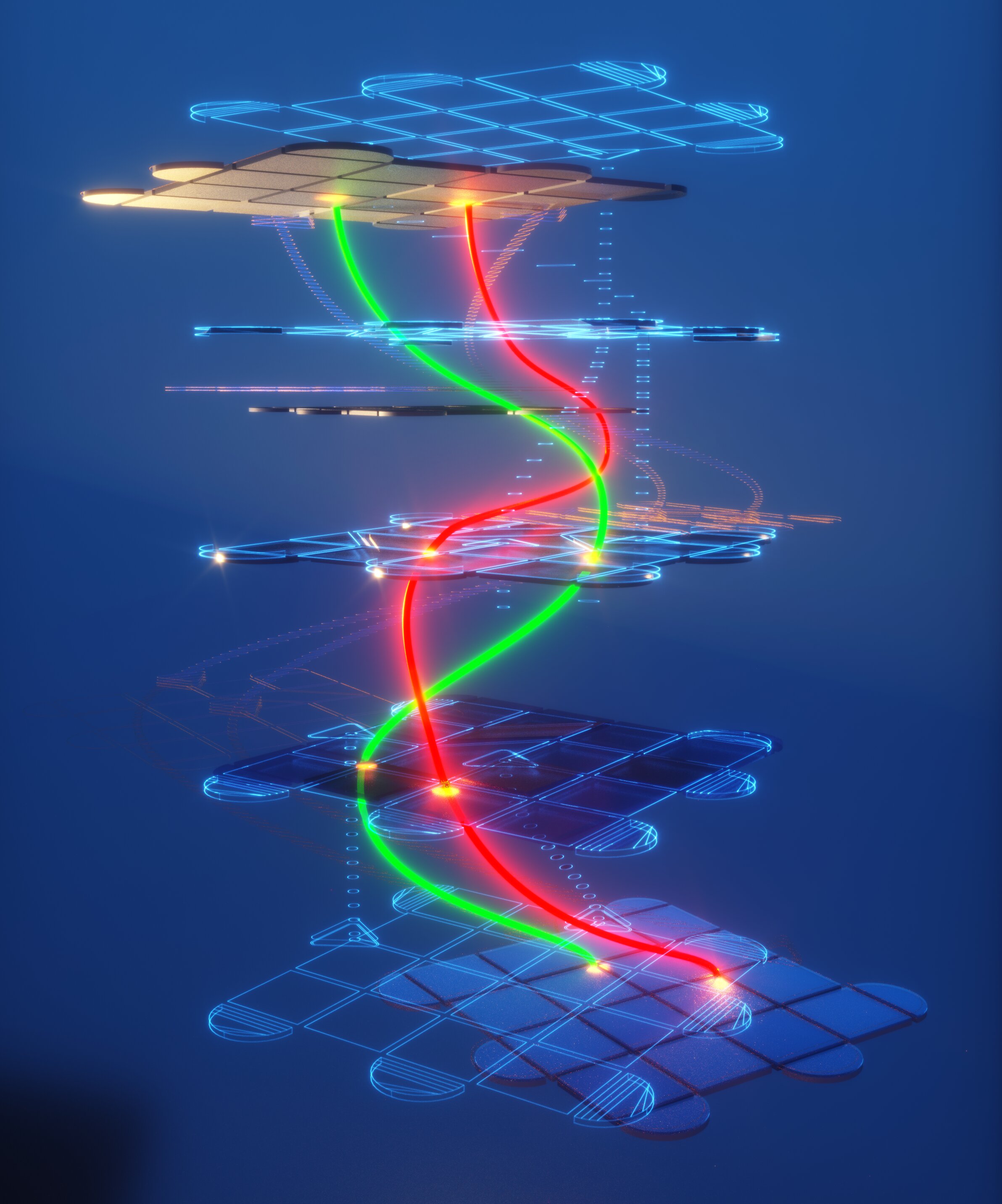
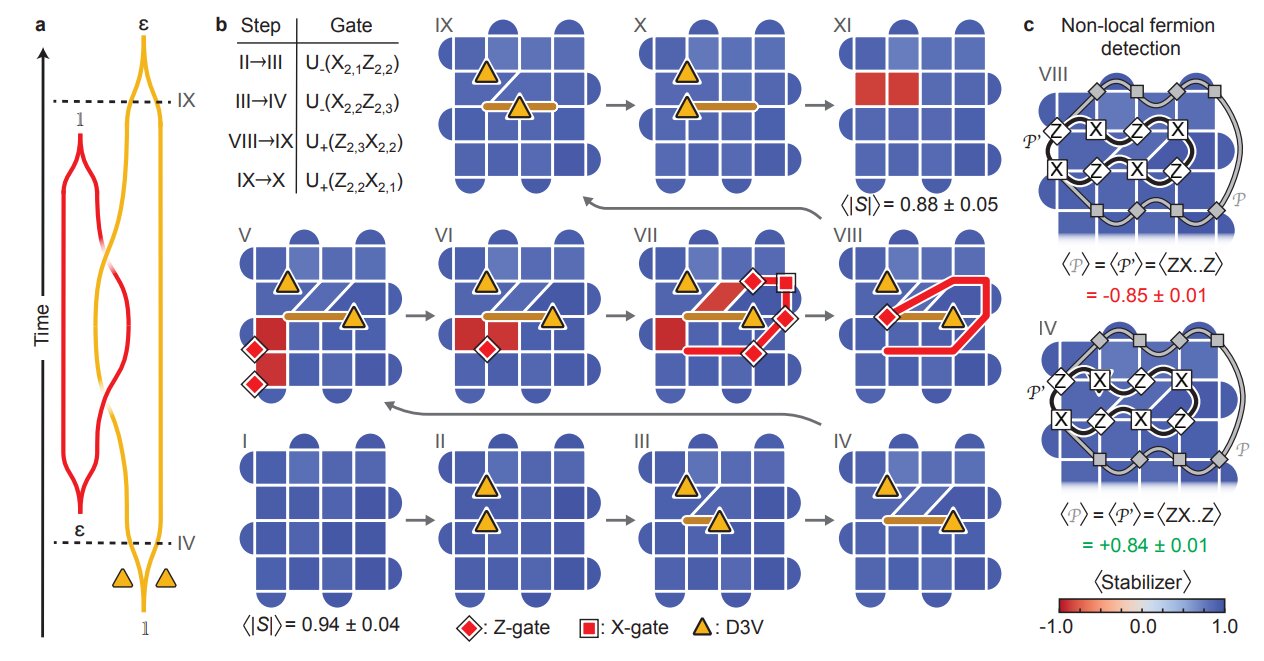
Google Quantum AI has observed non-Abelian anyons for the first time, a breakthrough that could revolutionize quantum computing by making it more robust to noise and leading to topological quantum computation. Non-Abelian anyons retain a sort of memory, and when two of them are exchanged, their world-lines wrap around one another. The resulting knots and braids form the basic operations of a topological quantum computer. The team demonstrated how braiding of non-Abelian anyons might be used in quantum computations and created a well-known quantum entangled state called the Greenberger-Horne-Zeilinger (GHZ) state.

quantum-computing2 years ago

Google Quantum AI Achieves Non-Abelian Anyon Braiding in Superconducting Processor

Google Quantum AI has observed the behavior of non-Abelian anyons, particles that retain a sort of memory, for the first time, opening a new path towards topological quantum computation. Non-Abelian anyons have the potential to revolutionize quantum computing by making operations more resistant to noise. The team successfully used these anyons to perform quantum computations, indicating that the peculiar behavior of non-Abelian anyons could be key to developing fault-tolerant topological quantum computers in the future.

quantum-computing2 years ago

Google's Quantum AI Successfully Braids Non-Abelian Anyons.

Google Quantum AI has observed the peculiar behavior of non-Abelian anyons for the first time using one of their superconducting quantum processors, opening a new path toward topological quantum computation. Non-Abelian anyons retain a sort of memory, and it is possible to tell when two of them have been exchanged, despite being completely identical. The team demonstrated how braiding of non-Abelian anyons might be used in quantum computations, creating a well-known quantum entangled state called the Greenberger-Horne-Zeilinger (GHZ) state.

physics2 years ago

Physicists achieve nonabelion-based topological quantum states.

Physicists have created non-Abelian anyons, a type of exotic particle that could help make quantum computers less error-prone. The particles exist only as information inside a quantum computer, but their linking properties could make quantum computers more fault-tolerant. The researchers used a quantum computer to create virtual particles and move them around so that their paths formed a Borromean-ring pattern. The appearance of the pattern was confirmed by measurements of the state of the ions during and after the operation.

quantum-computing2 years ago

Quantum Computer Discovers Particle with Memory of Its Past

Physicists are using quantum processors to create non-abelian anyons, elusive particles that could serve as the foundation for topological quantum computing. These particles have shared memory that can be manipulated by braiding, making them ideal qubits. Quantum processors are also being used to simulate and correct errors in shoddy qubits, extending the lifespan of anyons. Theorists are also working on creating a more complicated phase of quantum matter where true non-abelian anyons arise natively in a pristine phase of matter.

technology2 years ago

Fluxonium Qubits: The Future of Fault-Tolerant Quantum Computing?

Physicists at Cornell University, in collaboration with Google Quantum AI, have successfully demonstrated a simple model containing non-Abelian anyons, exotic particles that could be used for error correction in quantum computing. The particles can only exist in two dimensions, but the researchers have developed a "recipe" for computing with them that can be executed on modern quantum hardware. The particles protect bits of quantum information by storing them non-locally, and the protocol allows for computing with these bits. This is a step towards implementing fault-tolerant quantum computing in the real world.