Researchers have created an optical tweezer array trapping over 6,100 neutral atoms with high coherence times and imaging fidelity, advancing the potential for scalable quantum computing and error correction.
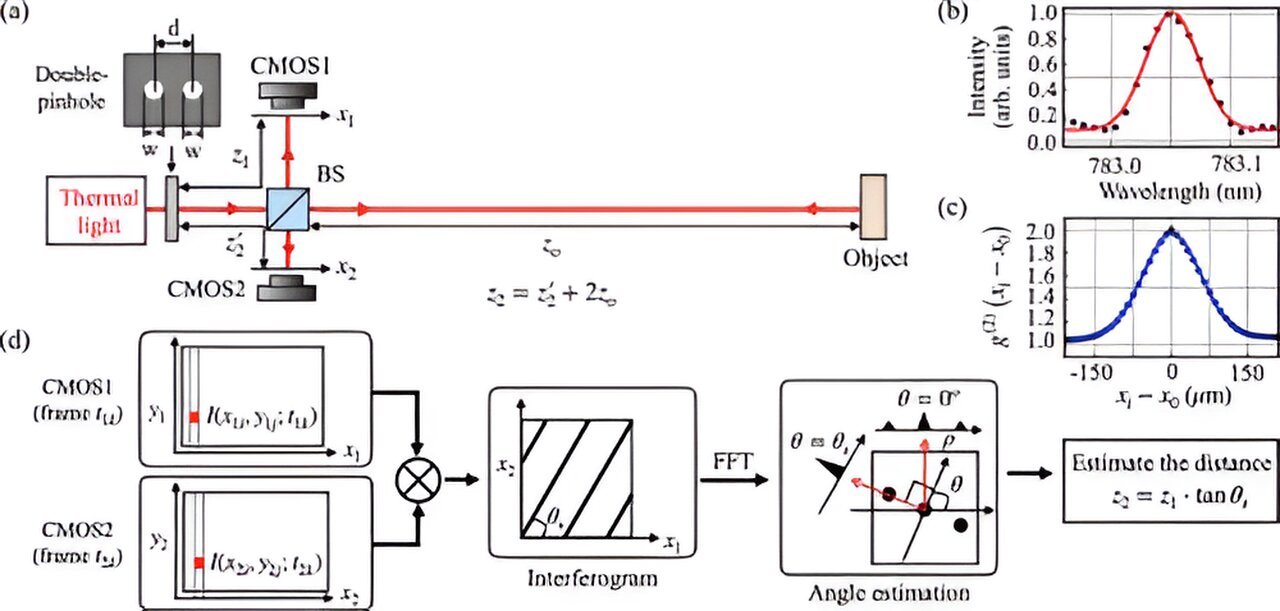
Researchers have made a breakthrough in LIDAR technology with the development of coherent two-photon LIDAR, which overcomes the range limitations imposed by coherence time. By utilizing two-photon interference of thermal light beyond coherence, this new technique allows for accurate and precise ranging of remote objects situated far beyond the coherence time dictated by the spectral bandwidth of the light source. The Coherent Two-Photon LIDAR is robust to turbulence and ambient noise, making it highly applicable in challenging environments. This advancement has the potential to revolutionize industries reliant on precise distance measurements, such as autonomous vehicles, robotics, and environmental monitoring.
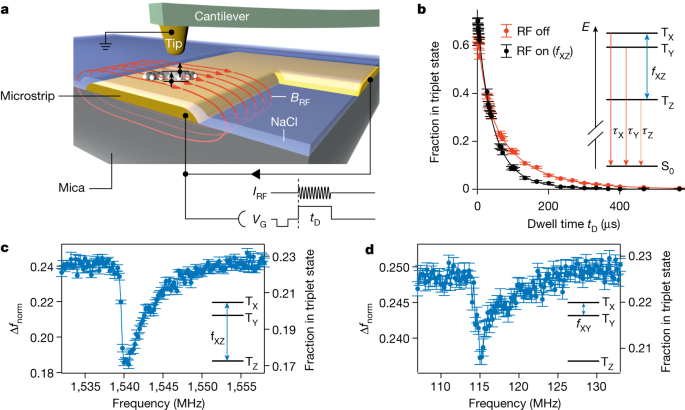
Scientists have developed a new technique called electron spin resonance atomic force microscopy (ESR-AFM) that allows for the measurement of electron spin resonance (ESR) at the single-molecule level. By using a combination of atomic force microscopy and radio-frequency magnetic fields, researchers were able to drive and probe ESR transitions in individual pentacene molecules. The technique provides atomic-scale local information and offers long coherence times, making it a promising tool for studying quantum systems and conducting fundamental quantum-sensing experiments.
MIT physicists have developed a technique inspired by noise-canceling headphones to extend the coherence time of quantum bits, or qubits, by 20-fold. By using an "unbalanced echo" approach, the team was able to counteract system noise and significantly improve the coherence times for nuclear-spin qubits. This breakthrough has implications for quantum computing, quantum sensors, gyroscopes, and quantum memory. The researchers believe that further improvements are possible by exploring other sources of noise.
Researchers from the University of Maryland have made a significant breakthrough in superconducting quantum technology by creating fluxonium qubits that can retain information for 1.43 milliseconds, a 10x improvement on the previous record. Fluxonium qubits are now in competition with transmon qubits, the current favorite for quantum computers. The researchers believe that further improvements can be made to enhance the coherence and stability of fluxonium qubits, which will be crucial for scaling up quantum computing systems. While there is still work to be done, this advancement brings us closer to a practical use for qubits in quantum computing.
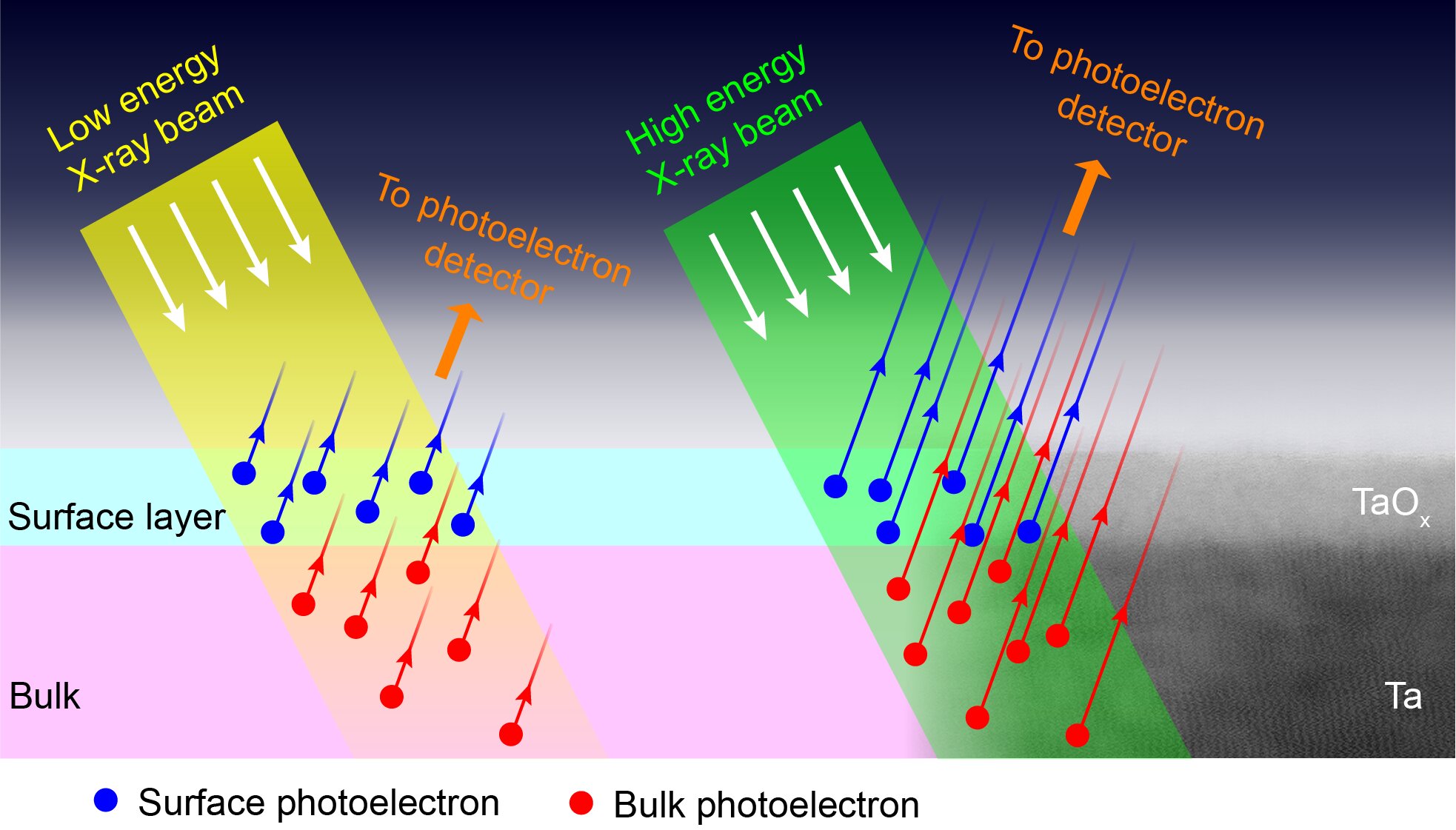
Researchers from the Center for Functional Nanomaterials, the National Synchrotron Light Source II, the Co-design Center for Quantum Advantage, and Princeton University have decoded the chemical profile of tantalum to understand why superconducting qubits made with tantalum perform better than those made with niobium and aluminum. They found that the thickness and chemical nature of the tantalum oxide layer on the surface of tantalum played a role in determining the qubit coherence. The study's results will provide key knowledge for designing even better qubits in the future.