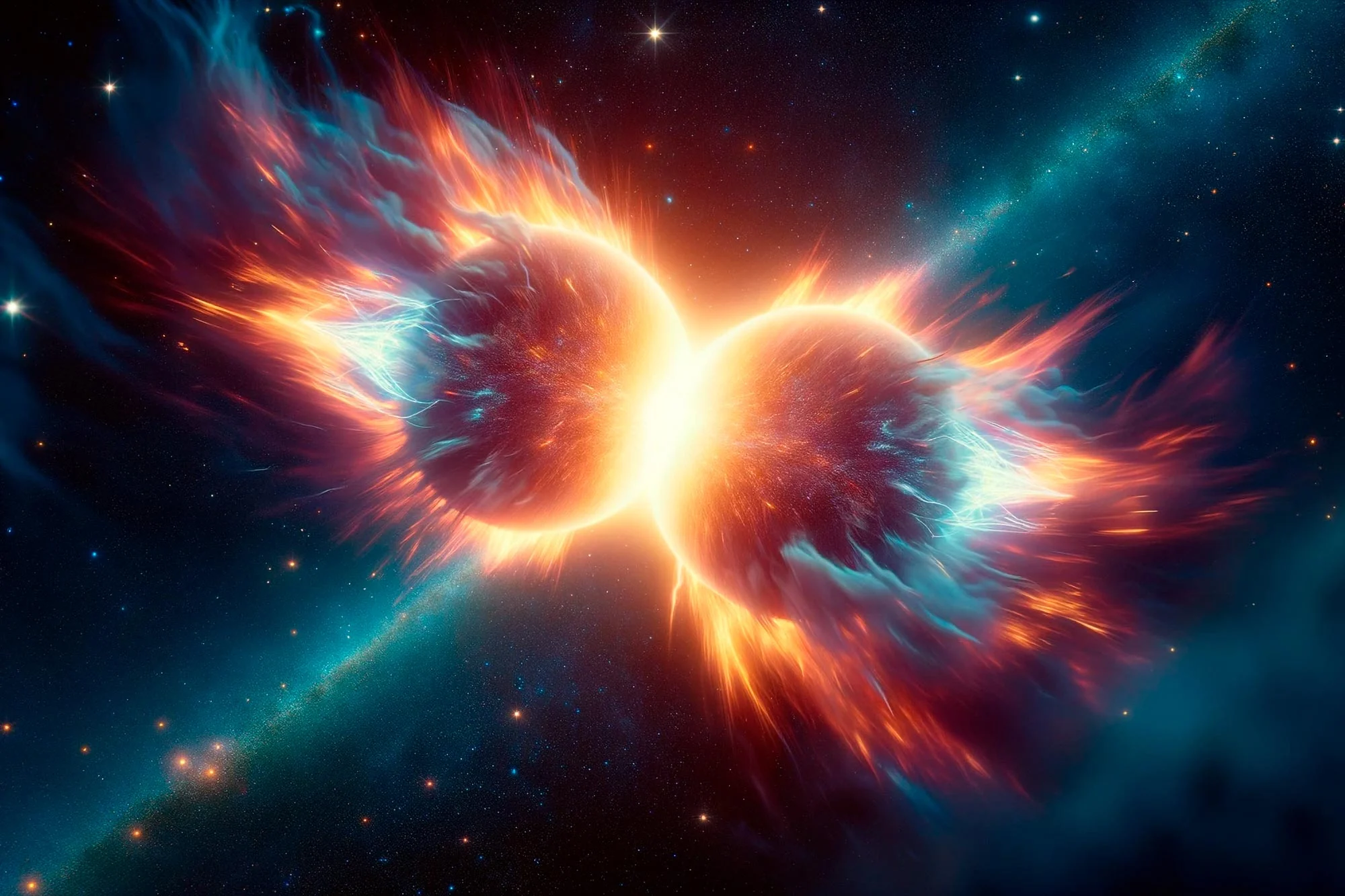
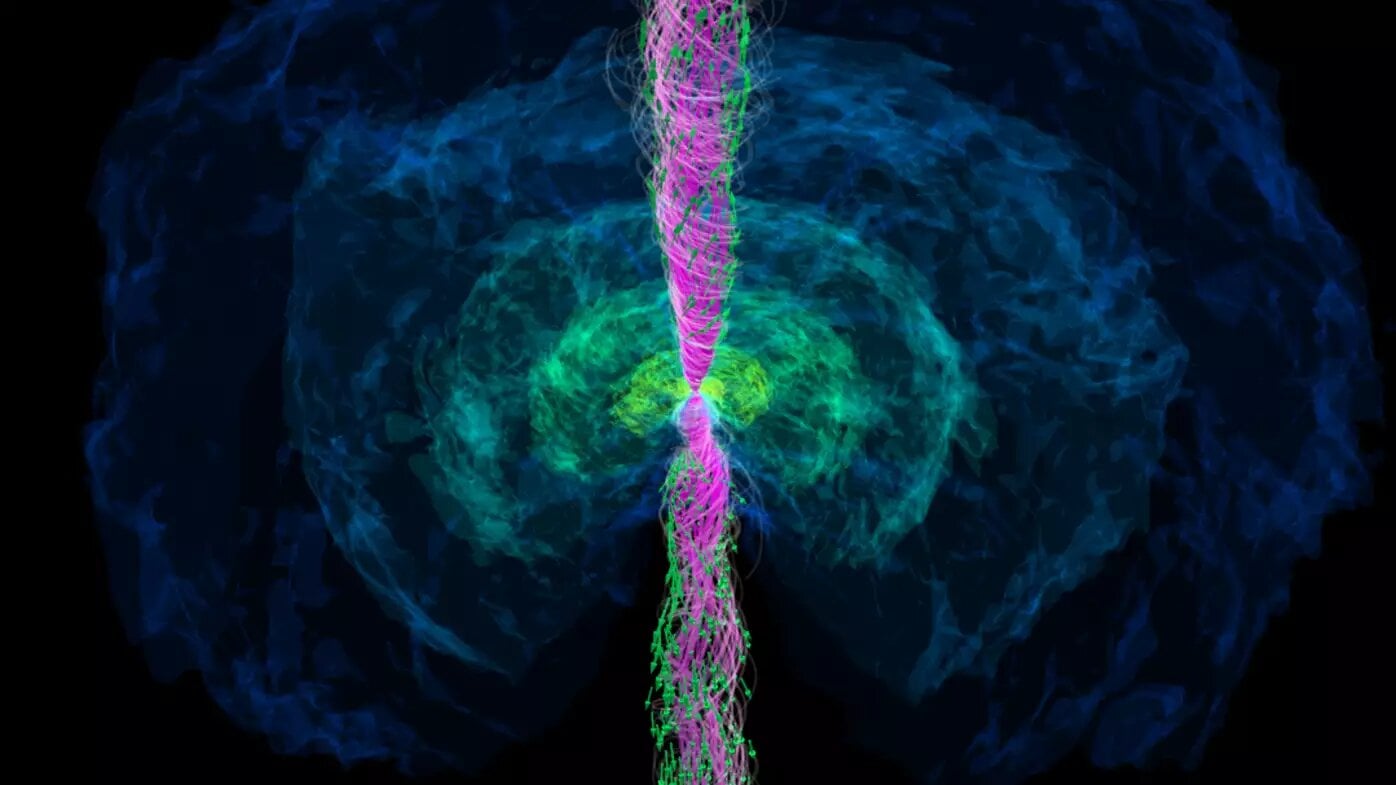
Scientists used Japan's Fugaku supercomputer to perform the most detailed 1.5-second simulation of a neutron star merger, revealing how these events create black holes, gamma-ray bursts, and heavy elements like gold, providing critical insights for future cosmic observations.
A detailed supercomputer simulation of neutron star mergers has been conducted, revealing the process of black hole formation and jet creation, which enhances understanding of multi-messenger signals like gravitational waves, neutrinos, and electromagnetic emissions, and provides insights into phenomena such as gamma-ray bursts and heavy element synthesis.
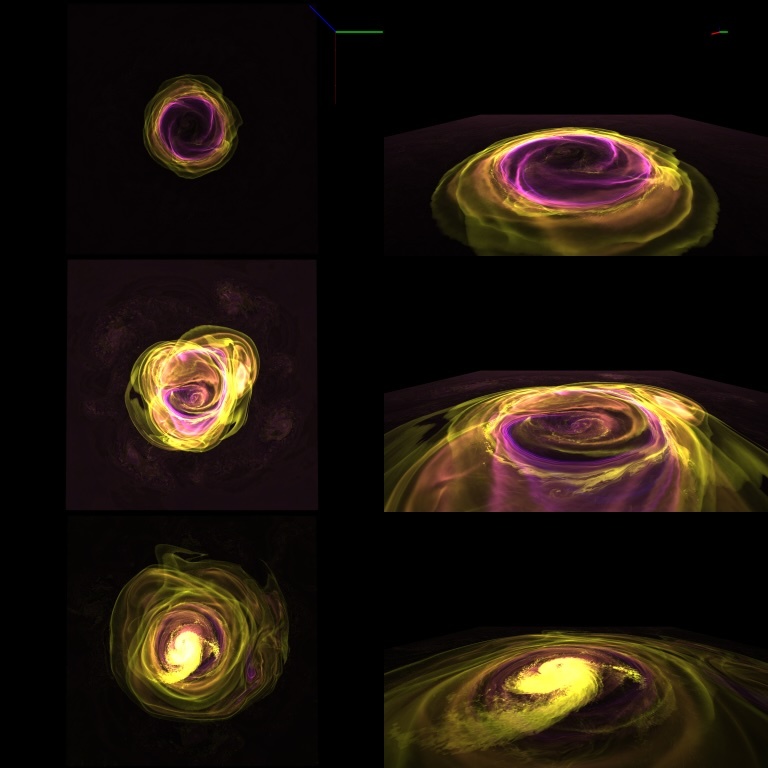
Astronomers are using a supercomputer to simulate the surface of neutron stars and study the X-ray bursts they emit. The simulations, conducted by a team of astrophysicists, revealed that the 2D and 3D models showed similar rates of flame spread, with the 3D model being necessary for more complex interactions. The Summit supercomputer's high-performance CPU and accelerated graphics processing unit were utilized to run the simulations, providing insights into the behavior of matter under extreme conditions and offering a glimpse into the composition of neutron stars.
Scientists have used a supercomputer to simulate the creation of BC8, an elusive and superstrong form of carbon that could be 30% tougher than diamonds. This theoretical material has never been observed and may only exist in the extreme conditions found in the center of exoplanets. The simulations revealed that BC8 can be stable at very high pressures and ambient temperatures, and researchers are now attempting to synthesize it in the lab using methods involving shocking diamonds and compressing them under enormous pressures.
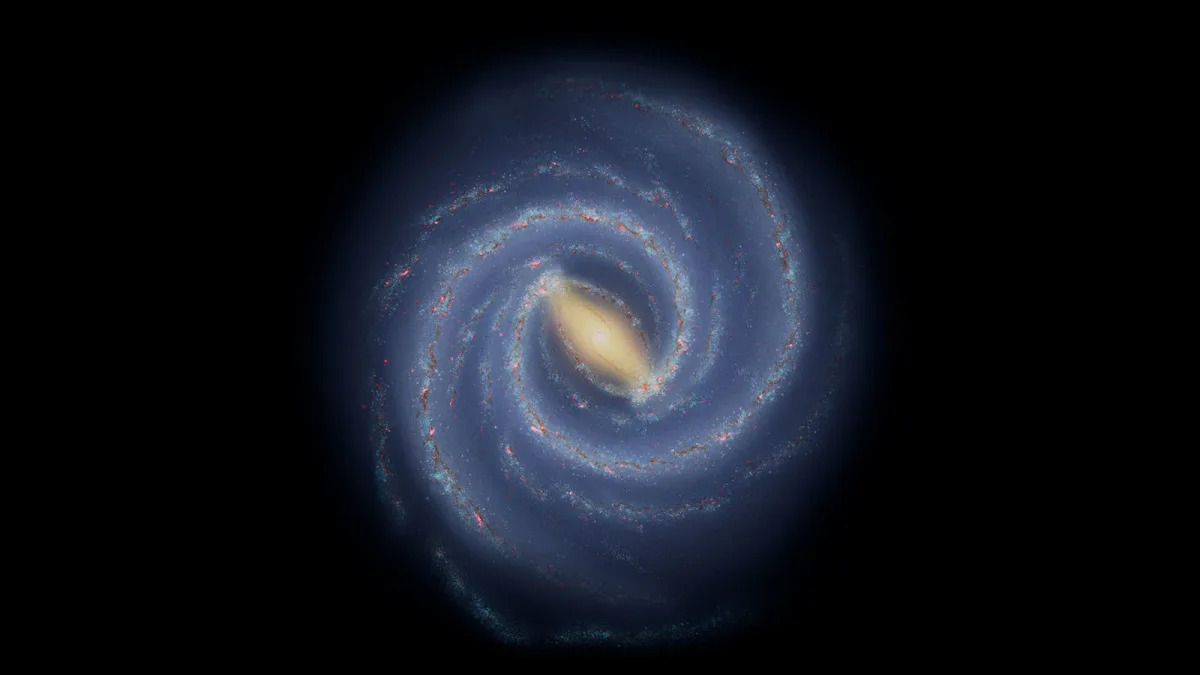
Astronomers have long wondered why spiral galaxies like the Milky Way are scarce in our region of the universe, which is dominated by elliptical galaxies. A new supercomputer simulation suggests that frequent interactions among galaxies in the supergalactic plane smooth out potential spiral arms, leading to the formation of elliptical galaxies. When two galaxies of comparable mass are near each other, the ordered motions of stars become disordered, removing the appearance of spiral arms. Large galaxy mergers can also randomize star orbits and trigger starbursts, reducing the amount of new stars that can be formed. The study suggests that once a galaxy becomes elliptical, it is unlikely to return to its original spiral shape.
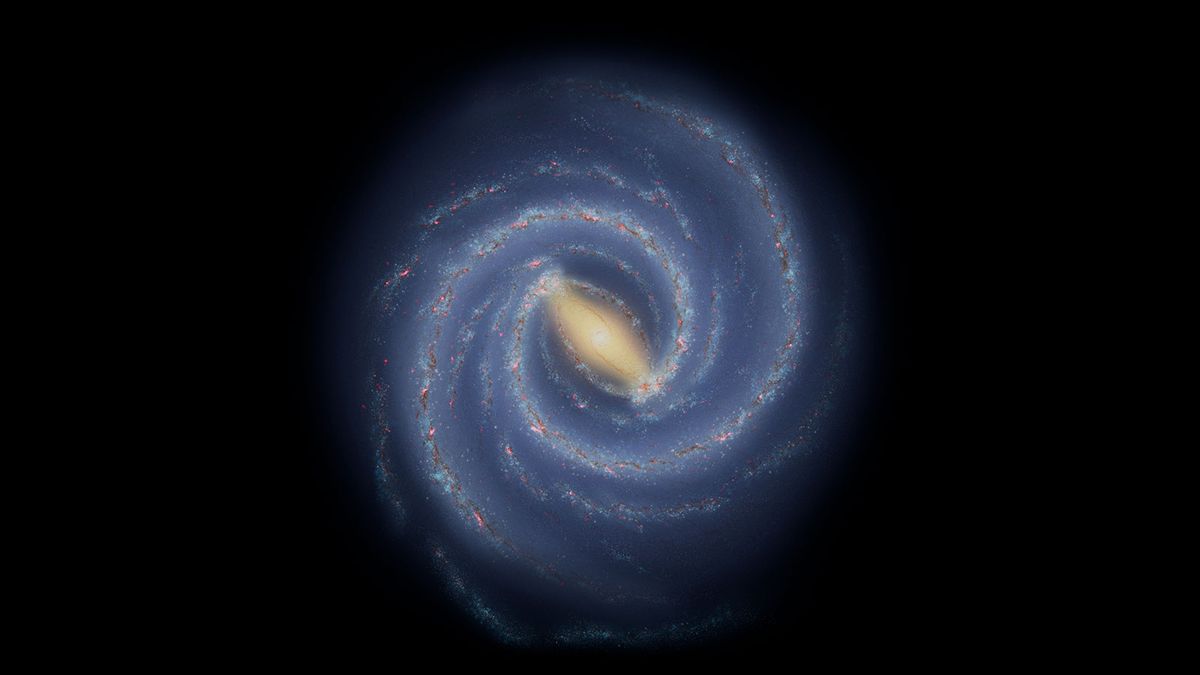
Astronomers have long wondered why spiral galaxies like the Milky Way are scarce in our region of the universe, which is dominated by elliptical galaxies. A new supercomputer simulation suggests that frequent interactions among galaxies in the supergalactic plane smooth out potential spiral arms, leading to the formation of elliptical galaxies. When two galaxies of comparable mass are near each other, the ordered motions of stars become disordered, removing the appearance of spiral arms. Large galaxy mergers can also trigger starbursts and reduce the amount of new stars that can be formed, resulting in more elliptical galaxies. The simulation aligns with observations, and further research aims to improve our understanding of galaxy evolution.