SpaceX is preparing for a historic test flight of its upgraded Starship spacecraft, featuring the new Version 3 design and a massive Super Heavy booster, marking a significant step toward its goal of Mars exploration despite recent setbacks and delays.
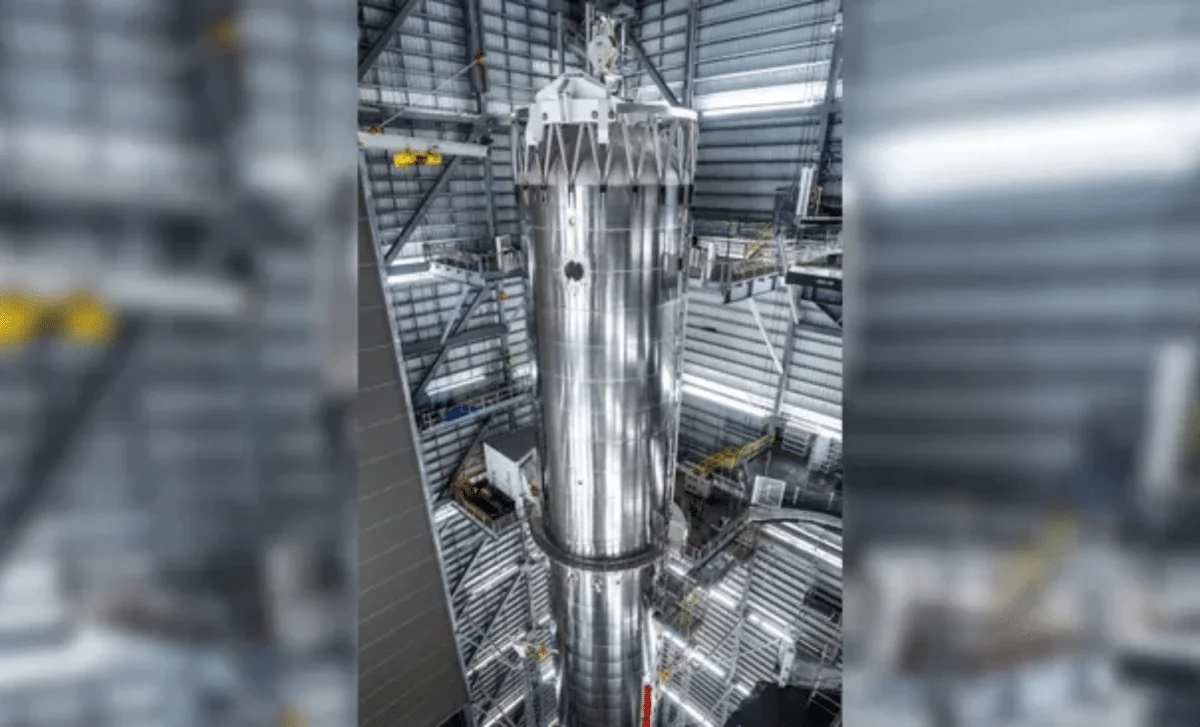
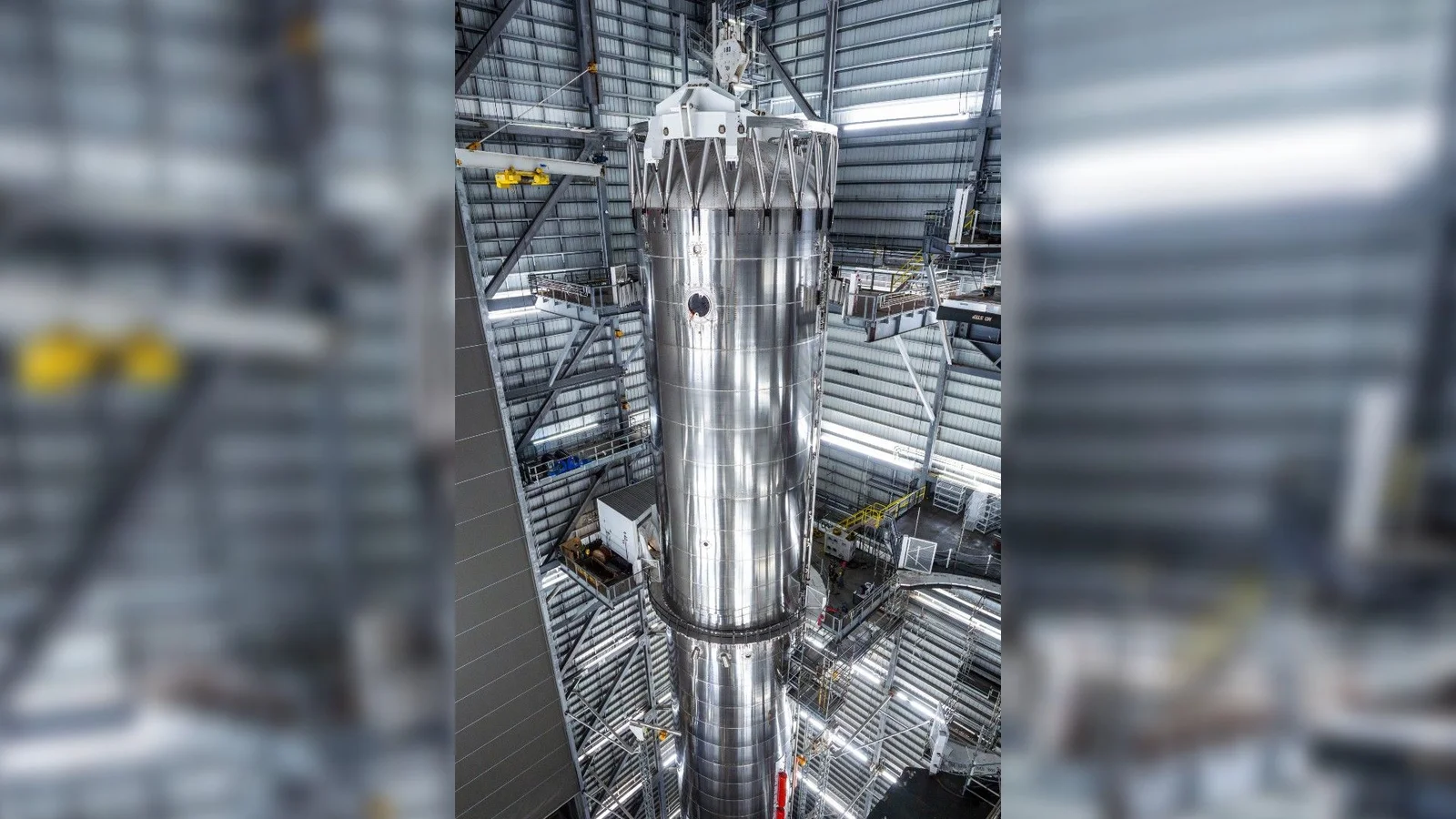
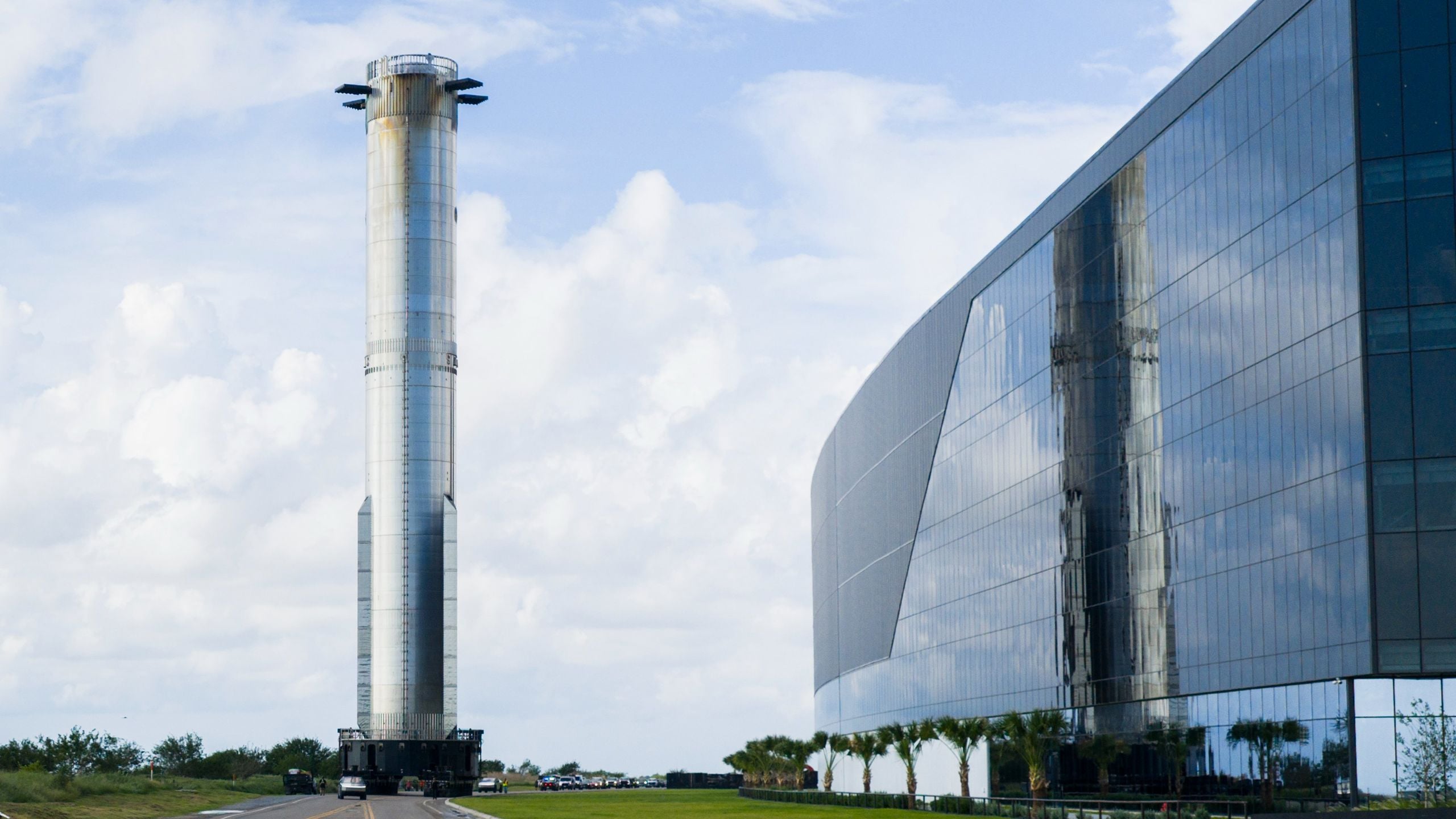
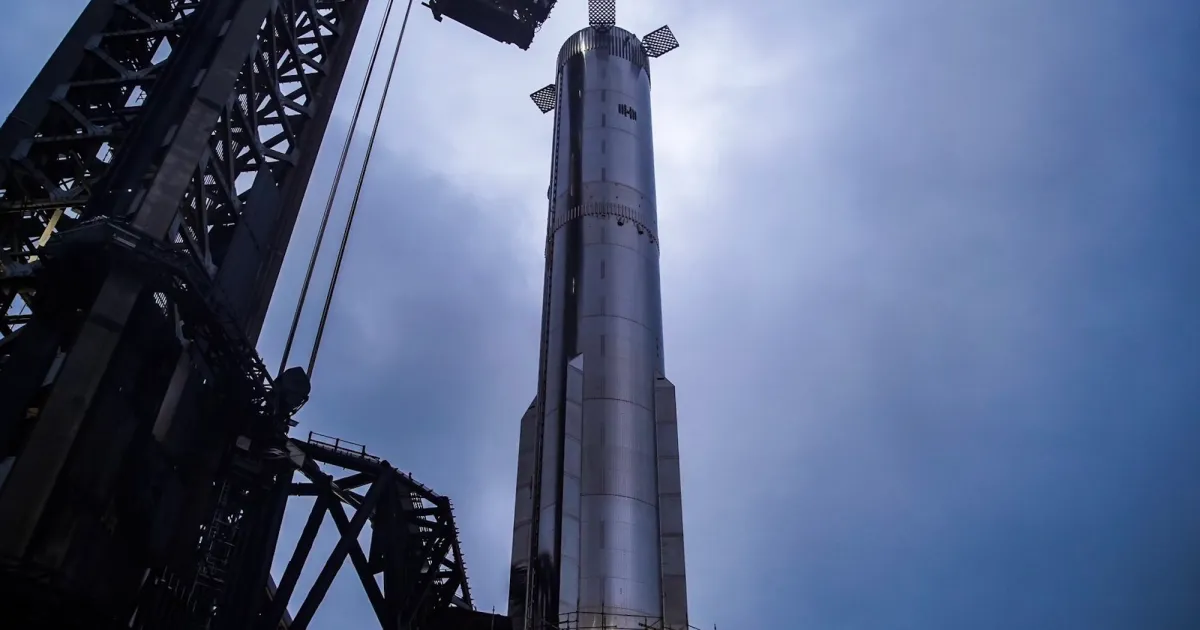
SpaceX has completed stacking its Super Heavy booster at Starbase in preparation for Starship Flight 12, aiming to test the latest version of its massive rocket, which could pave the way for future Mars missions, despite recent delays caused by booster testing issues.
SpaceX is preparing for its 12th flight of the Starship rocket, which is crucial for advancing its space exploration goals, including potential missions to the Moon and Mars. The 12th flight's timing is uncertain but likely in early 2026, following recent successful tests and upgrades to the rocket's design, especially the new Block 3 version of the Super Heavy booster. This milestone is vital for SpaceX's plans to launch crewed lunar missions and expand its launch cadence.
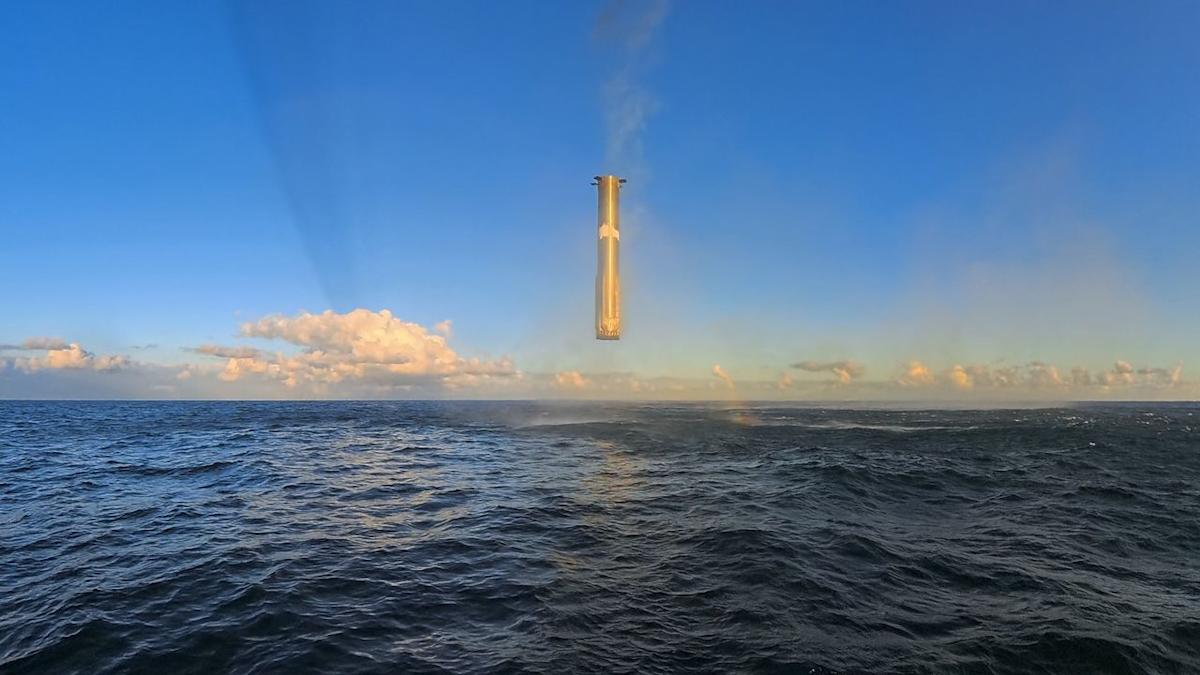
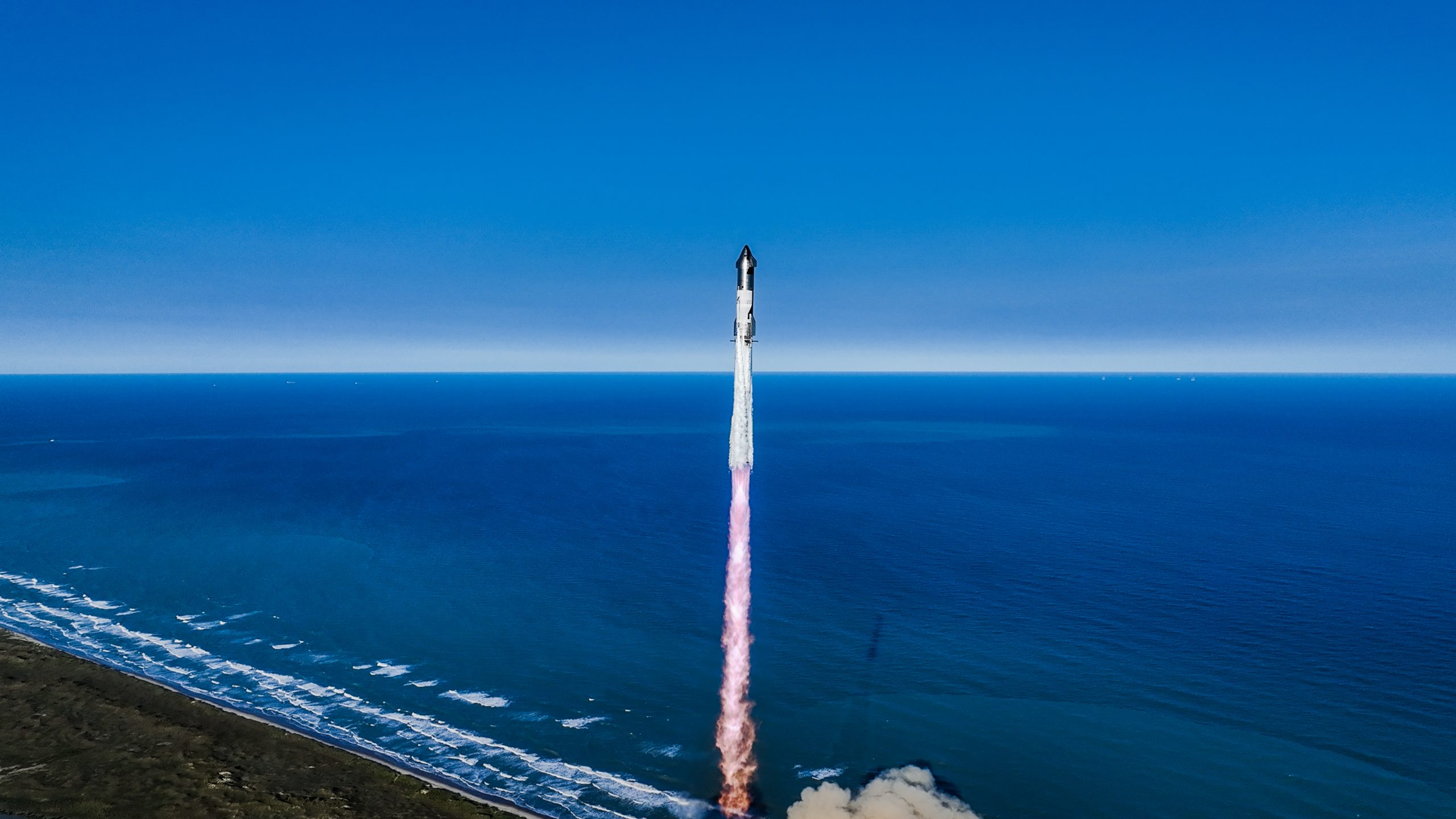
SpaceX successfully completed its 11th Starship test flight, with the Super Heavy booster performing a mid-air hover before plunging into the Gulf of Mexico, marking progress toward reusable rocket technology and future Mars and lunar missions.
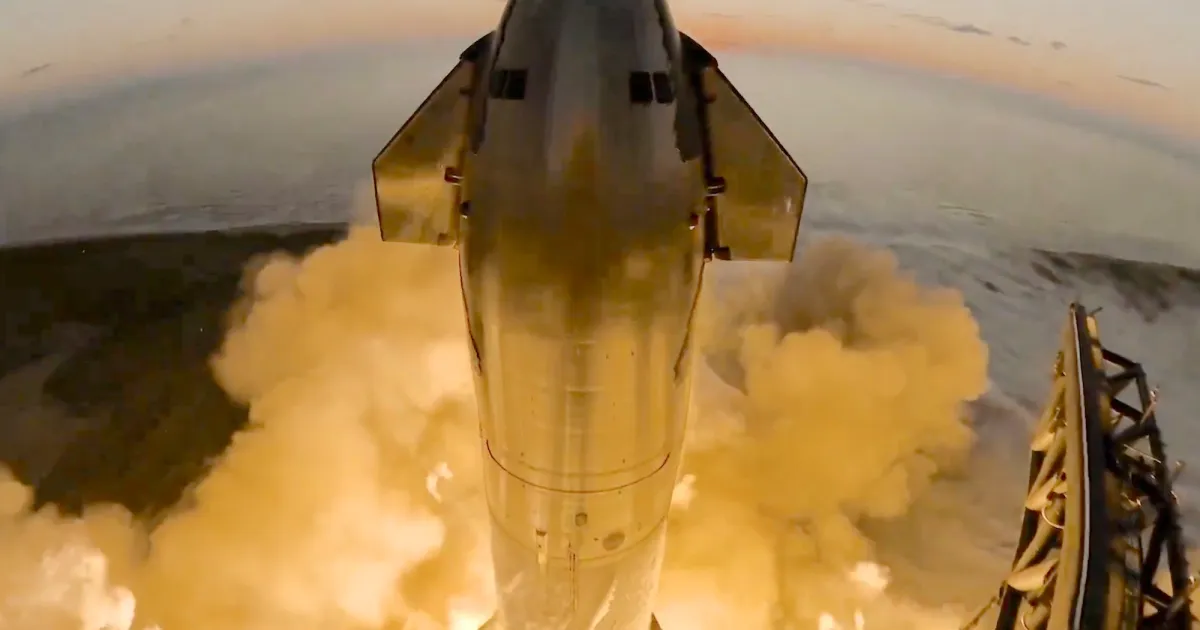
SpaceX is preparing for its final Version 2 Starship-Super Heavy launch from Starbase, Texas, scheduled for Monday evening, marking the last flight of this iteration and pad configuration, with plans to develop and test Starship Version 3 for future orbital missions.
SpaceX has moved its Super Heavy booster to the launch pad at Starbase in South Texas in preparation for the upcoming Starship Flight 11 test flight scheduled for October 13, featuring a fully reusable rocket with 33 Raptor engines, and plans for the booster to return to Earth after launch.
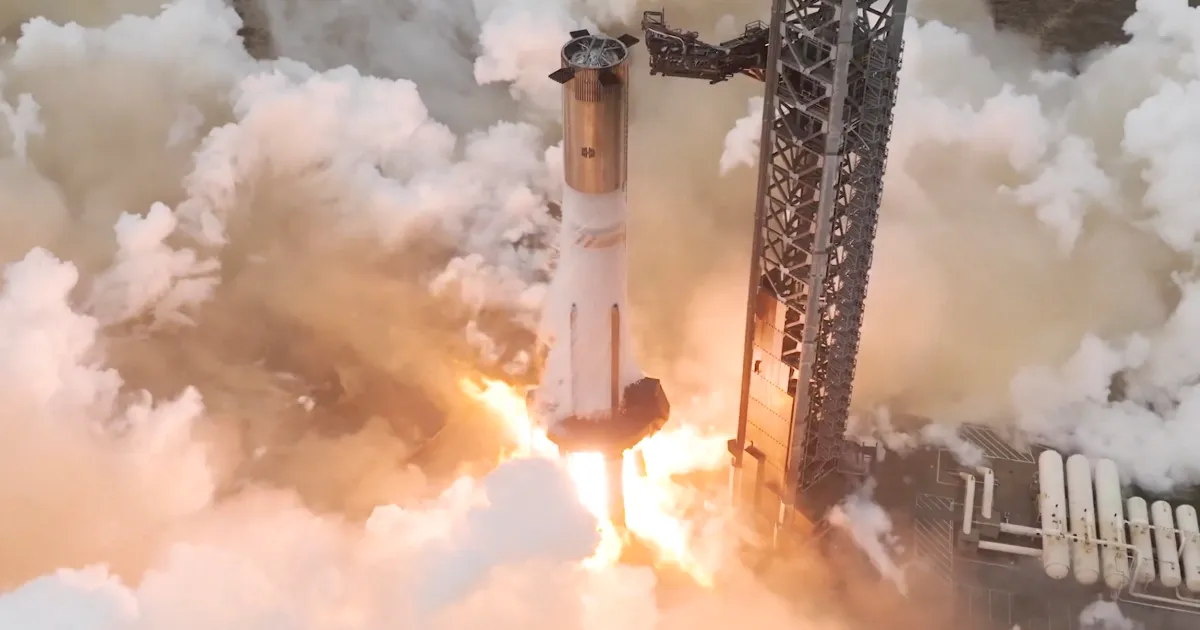
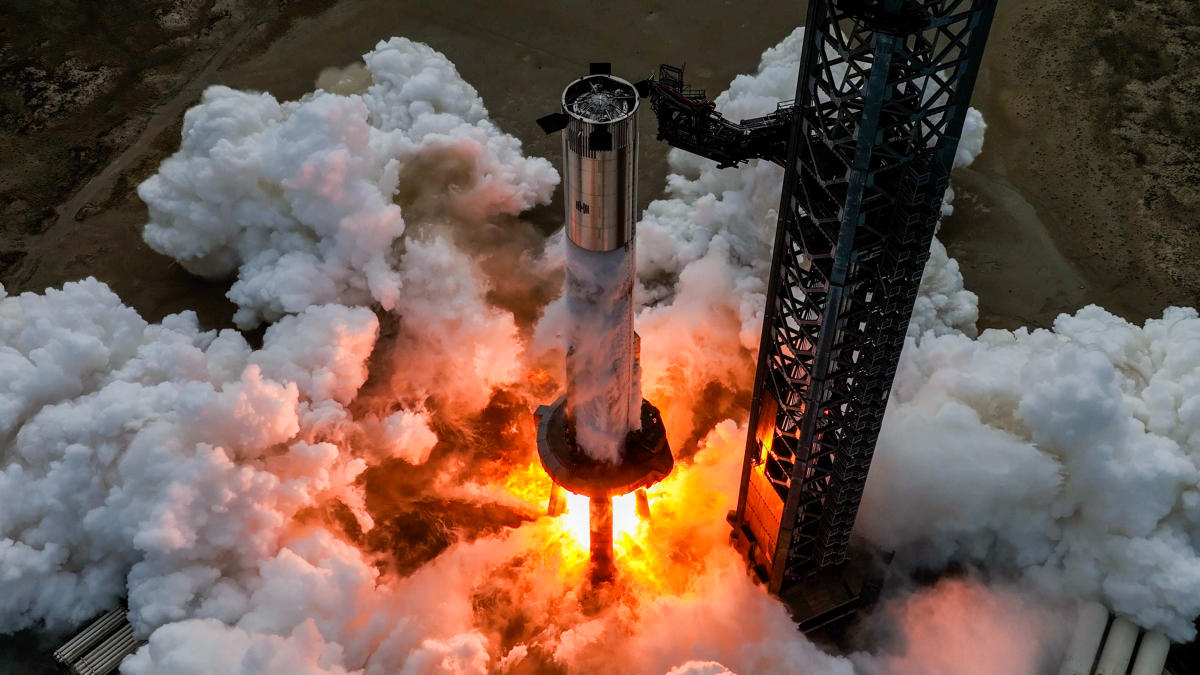
SpaceX successfully conducted a static fire test of its Super Heavy booster B15 at Starbase, Texas, as it prepares for Starship's 11th launch, following recent successful test flights and aiming for an upcoming launch possibly before the end of September, amidst ongoing development challenges for lunar missions.
SpaceX conducted a static test fire of its Super Heavy booster in preparation for the 11th Starship flight, which is expected to occur soon, possibly by the end of the month or early next. The company has been working on improving the rocket's design since its first test in 2023, with recent successful tests and planned future launches, including testing the spacecraft's engines and attempting to land the booster back at the launch site for quicker turnaround. Meanwhile, a previous Starship launch was scrubbed due to ground system issues, with weather conditions currently favorable for the next scheduled test.
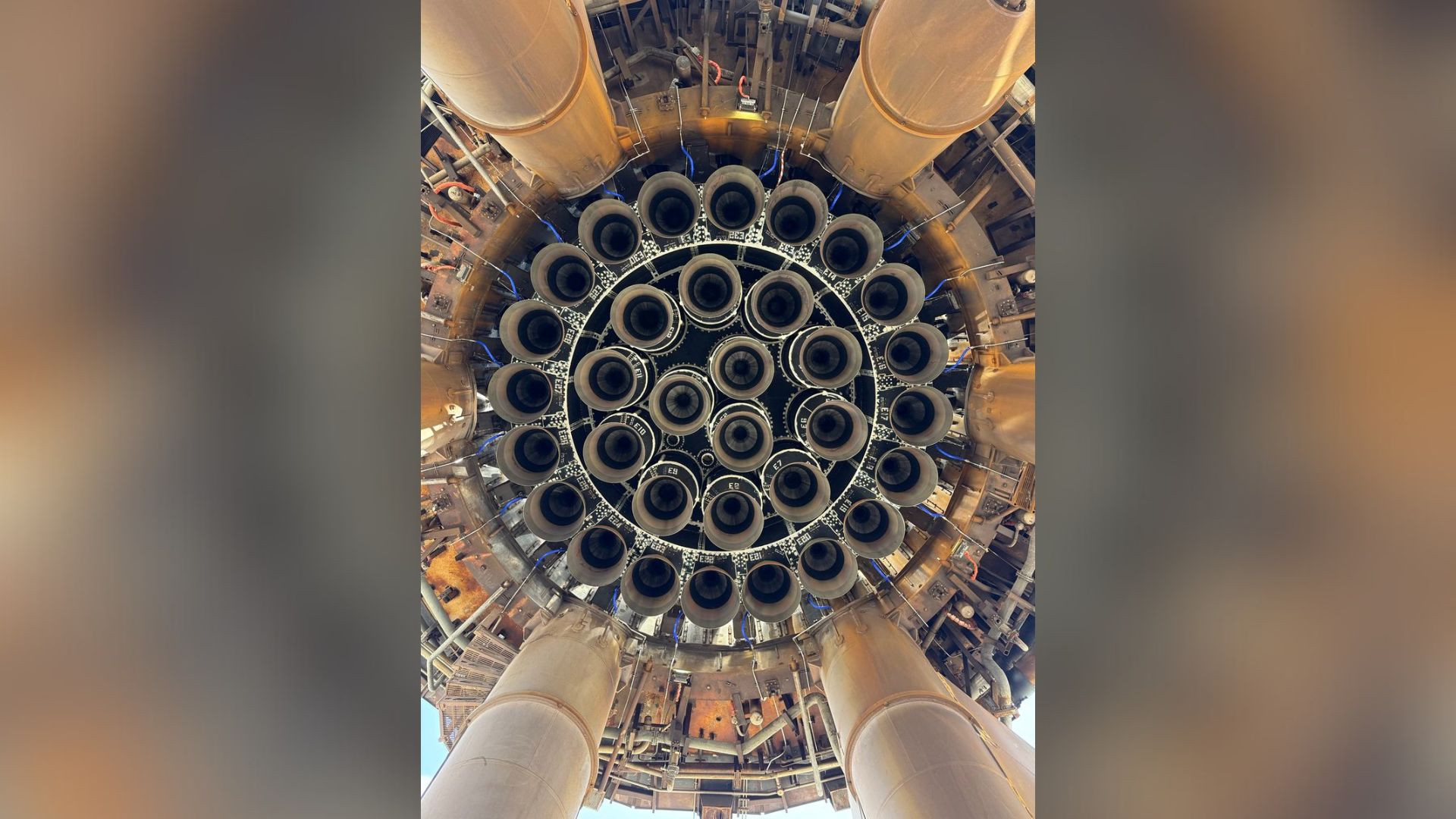
SpaceX's Starship's first stage, Super Heavy, is equipped with 33 Raptor engines arranged in a dense circular pattern, showcasing advanced engineering for deep-space missions. Elon Musk announced plans to increase the engine count to 42 in future versions, enhancing payload capacity for missions to the moon, Mars, and beyond.
SpaceX conducted a static fire test of its Super Heavy booster at Starbase in preparation for Starship's 10th flight, following recent launches and experiments with the vehicle, which faced some setbacks including a breakup and tumbling during previous missions. The upcoming flight is pending an FAA investigation into the last launch.
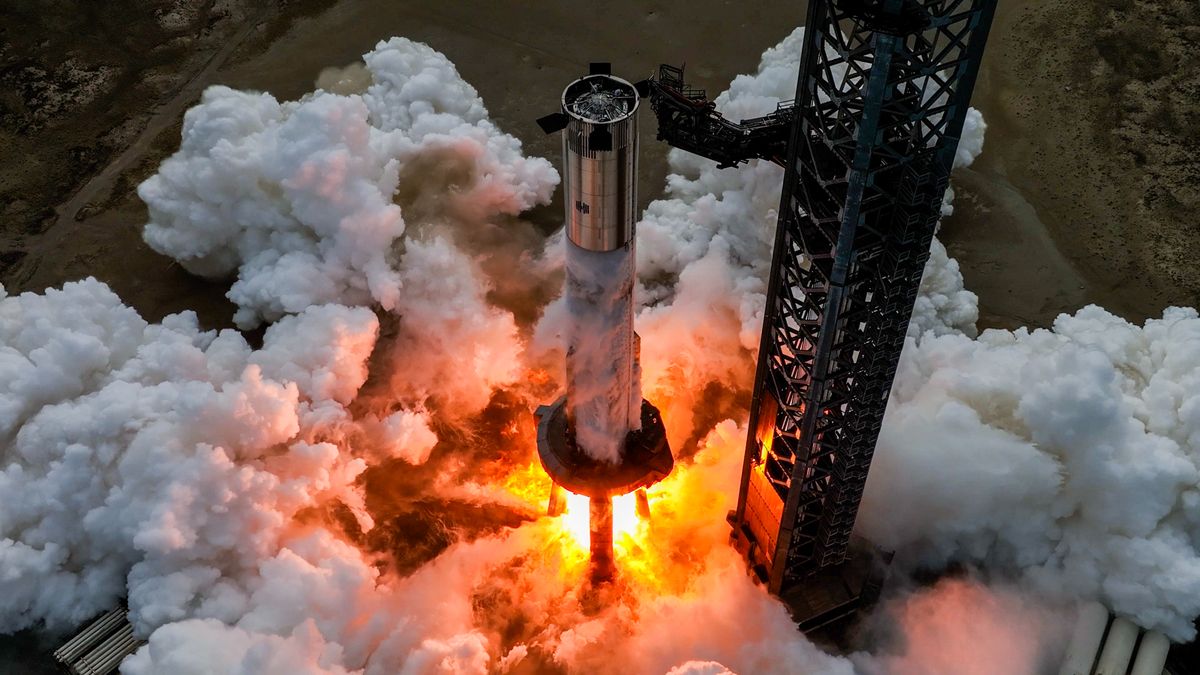
SpaceX conducted a static-fire test of its Super Heavy booster for the upcoming seventh test flight of the Starship megarocket at its Starbase facility in South Texas. The test involved briefly igniting the booster's 33 Raptor engines. While no official launch date has been announced, a NASA email suggests January 11 as a potential target. The Starship, consisting of two reusable stages, is the most powerful rocket ever built, with previous test flights demonstrating successful launches and landings.
SpaceX has conducted a static-fire test of the Super Heavy booster for its seventh Starship test flight, igniting 33 Raptor engines at its Starbase facility in Texas. The launch is tentatively targeted for January 11, 2024, as indicated by a NASA email to the FAA. The Starship system, consisting of a reusable upper stage and the Super Heavy booster, is the most powerful rocket ever built, with previous test flights demonstrating successful launches and landings.
SpaceX is preparing for the seventh test flight of its Starship rocket, with the Super Heavy booster now at the launchpad for preflight testing. The upcoming test, potentially scheduled for January 11, aims to further improve the rocket's performance, which has seen significant advancements since its first flight in April 2023. SpaceX and NASA plan to use a modified Starship for the Artemis III mission to land humans on the Moon by 2027, with future missions possibly targeting Mars colonization.
SpaceX canceled its attempt to catch the Super Heavy booster during the latest Starship launch due to automated health checks triggering an abort. The booster instead performed a soft splashdown in the Gulf of Mexico. SpaceX aims to gather data from these tests to improve the Starship system's reliability and plans to attempt another catch after one more ocean landing. The recent launch provided valuable insights into the flight hardware's performance, contributing to SpaceX's goal of achieving full and rapid reusability.
SpaceX launched its Starship vehicle on its sixth test flight from Boca Chica, Texas, but aborted the planned landing of the Super Heavy booster, which ended up exploding in the Gulf of Mexico. Despite this setback, the Starship upper stage successfully reached a suborbital trajectory and completed a reentry test over the Indian Ocean, landing intact but with some damage. SpaceX is planning upgrades for future flights, including larger propellant tanks and improved thermal protection.