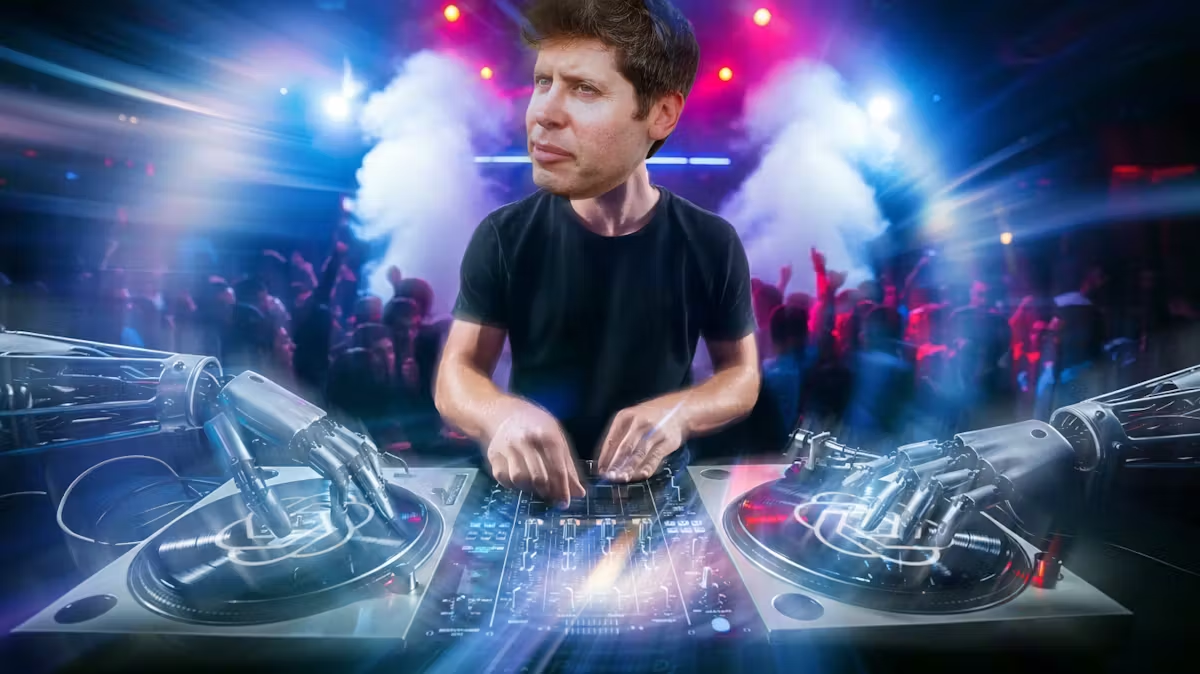
OpenAI is entering the $2.8 billion AI music market, competing with companies like Suno and Google, signaling a significant move into the music AI industry.
Suno has launched its latest AI music-generating model, V4, which offers more realistic and sophisticated music production capabilities. Despite facing a copyright lawsuit from the recording industry, Suno has become a leading generative AI service, attracting users including notable artists like Timbaland. The new model allows for advanced human-AI collaboration, enabling users to create music from text prompts or existing audio. Suno aims to involve non-musicians in music creation while navigating legal challenges and seeking partnerships with artists and labels.
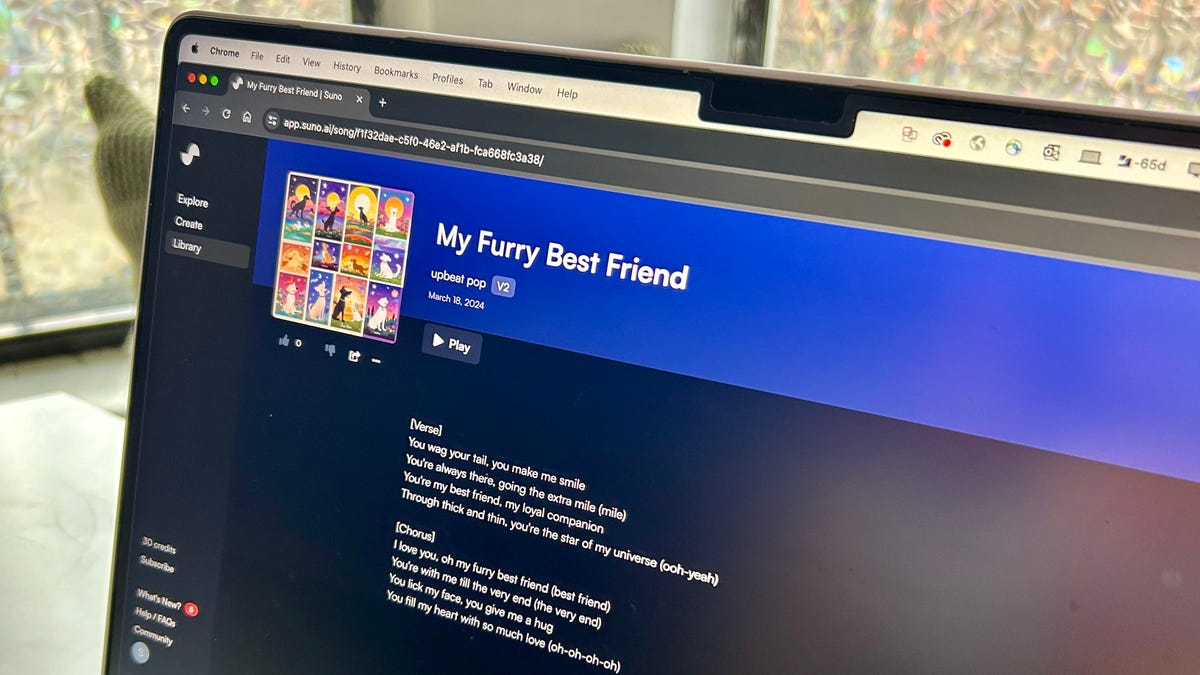
Suno is an AI music generator that uses text prompts to create original songs with lyrics and vocals, leveraging the power of ChatGPT. It stands out from other music generators by producing original content and offering an intuitive interface for users. Free users get 50 credits per day, while paid subscribers can use the generated music for commercial purposes. Suno avoids copyright issues by not generating music in the style of real artists' voices and provides ownership of songs to paying subscribers, while retaining ownership of songs created by free users. The copyright protection for content generated using artificial intelligence is a complex and evolving area of law, and as AI becomes more prevalent in the music industry, policy developments will continue to delineate the limitations and allowances of AI-generated content.
Suno, a startup, has developed an AI model that can generate music based on text prompts, collaborating with OpenAI's ChatGPT for lyrics and titles. The company aims to democratize music creation and envisions a billion users paying to create songs. While some see this as groundbreaking, others express concerns about the impact on human musicians and potential legal issues with music labels. Suno's technology, which is still in development, has the potential to disrupt the music industry and raise questions about the future of AI-generated content.
Microsoft's AI chatbot Copilot has partnered with AI music startup Suno to allow users to create their own AI songs. By enabling the Suno plug-in, Copilot users can input a text prompt describing their desired song, and Suno will generate an original song complete with lyrics. Other tech companies like Meta and Google are also testing generative AI music tools, and several AI music startups have emerged in the scene. While Suno forbids free users from monetizing the generated songs, paid users have commercial rights to their songs.
Microsoft Copilot has partnered with AI music creation platform Suno to introduce a new feature that allows users to create personalized songs via text prompts, regardless of their musical background. The AI algorithm generates fun and clever songs with lyrics and singing voices, making it accessible for non-musicians. The feature is rolling out gradually and will have access to personal data collected by Copilot during use.
Microsoft Copilot has partnered with AI music creation platform Suno to introduce a new feature that allows users to create personalized songs via text prompts, regardless of their musical background. The AI algorithm generates fun and clever songs with lyrics and singing voices, making it accessible for non-musicians. The feature is rolling out gradually and will have access to personal data collected by Copilot during use.
Microsoft Copilot, the AI-powered chatbot, has integrated with GenAI music app Suno to allow users to compose songs. By entering prompts, users can generate complete songs, including lyrics, instrumentals, and singing voices. The Suno integration can be accessed through Microsoft Edge by visiting Copilot.Microsoft.com and enabling the Suno plug-in. This partnership aims to make music creation accessible to everyone. However, the ethical and legal issues surrounding AI-synthesized music, including copyright and compensation for artists, remain unresolved.