A federal judge ruled that Salt-N-Pepa cannot reclaim the copyrights to their early master recordings, including 'Push It,' because they never owned those rights, as the recordings were considered works made for hire under Universal Music Group.
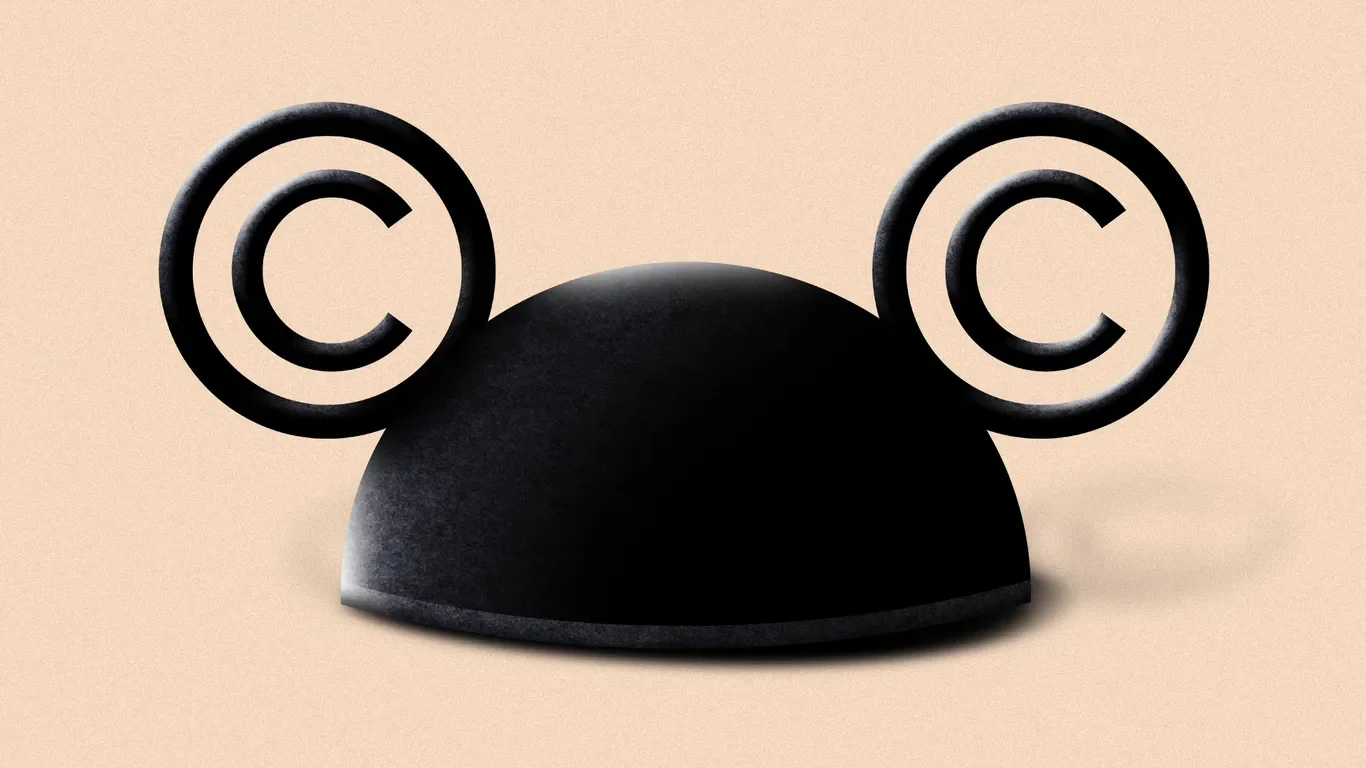
Betty Boop and Blondie will enter the public domain in 2026, along with other iconic characters, books, films, and songs from the early 20th century, allowing creators to freely use and adapt these works.
Level-5 CEO Akihiro Hino has expressed a positive view of Generative AI in game development, emphasizing its potential as a tool for efficiency and creativity, while addressing misconceptions about its use and the importance of ethical application. He advocates for recognizing AI as a beneficial tool rather than a threat, and highlights its potential to significantly reduce game development time.
Every January 1, works from 1930, including films, books, and music, enter the public domain in the U.S., allowing free use and adaptation, with notable entries like Disney's 'The Chain Gang' and William Faulkner's 'As I Lay Dying.' The event fosters creative reuse, remix contests, and access to historic media, expanding the cultural landscape.
In 2026, numerous works from 1930, including Betty Boop, early Mickey Mouse cartoons, and works by Agatha Christie and William Faulkner, will enter the public domain, allowing for legal reuse and reinterpretation, though newer versions and trademarks remain protected. This shift promotes creativity but also raises legal challenges, especially with the rise of AI using copyrighted materials.
An activist group called Anna’s Archive claims to have scraped 86 million music files from Spotify, which they plan to release online, raising concerns about copyright infringement and the use of pirated music for AI training. Spotify confirmed the breach but stated it did not compromise their entire catalog and has taken measures to prevent further unauthorized access. The incident highlights ongoing debates over copyright laws and AI training data, with governments and industry stakeholders seeking balanced policies.
Anna's Archive, a non-profit focused on cultural preservation, has scraped and backed up a 300-terabyte archive of Spotify's music, including metadata for 256 million tracks and audio files for 86 million, aiming to preserve humanity's musical heritage despite Spotify's efforts to prevent unauthorized scraping.
Spotify reports that 'anti-copyright extremists' scraped its music metadata and audio files, releasing a large archive online. The incident involves unauthorized access using illicit tactics, raising concerns about the potential impact on licensing and AI training datasets, though it does not pose a direct security threat to users.
Actress and producer Natasha Lyonne criticizes the current AI landscape for lacking ethical standards, emphasizing the importance of respecting copyright and human contributions in AI-generated content. Her company, Asteria, develops AI tools that use open-license or permission-based content, advocating for responsible AI use in Hollywood and beyond.
Guardian readers express mixed opinions on AI in music, emphasizing the importance of human emotion and creativity, concerns over copyright and reliance on technology, and the need for transparency and protections for musicians.
AI-generated music has become mainstream, with major labels embracing it despite musicians' fears that it could devalue human creativity and threaten their livelihoods. Labels are forming deals with AI companies to allow the use and remixing of artists' work, claiming it will foster new creative possibilities and democratize music creation. However, artists and critics remain skeptical about the long-term implications, transparency of deals, and the potential for AI to undermine traditional revenue streams and artistic integrity.
The US Supreme Court is considering whether Cox Communications can be held liable for enabling customer piracy, with the case potentially resulting in a $1.5 billion verdict against Cox. The case revolves around whether ISPs can be responsible for user copyright infringement and how much they must do to prevent it, raising broader questions about internet liability and user rights.
The Supreme Court is considering a case where the music industry is suing Cox Communications for copyright violations committed by its users, with the industry claiming Cox's negligence led to significant damages, while Cox argues it should not be held liable for its customers' actions. A decision is expected this summer.
The Supreme Court is hearing a case that could hold internet providers liable for copyright infringement by users, risking mass disconnections and raising concerns about turning ISPs into 'internet police,' with major implications for the tech and entertainment industries.
GEMA has won a landmark court case against OpenAI, ruling that ChatGPT's use of German song lyrics without licensing infringes copyright laws, setting a precedent for AI and copyright law in Europe.