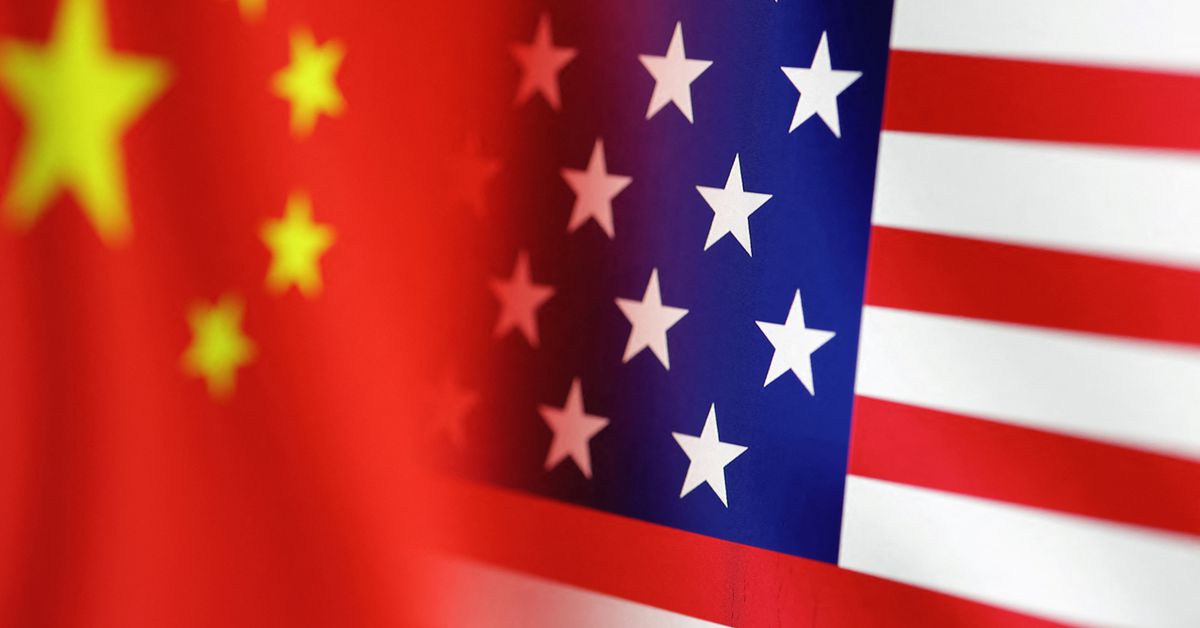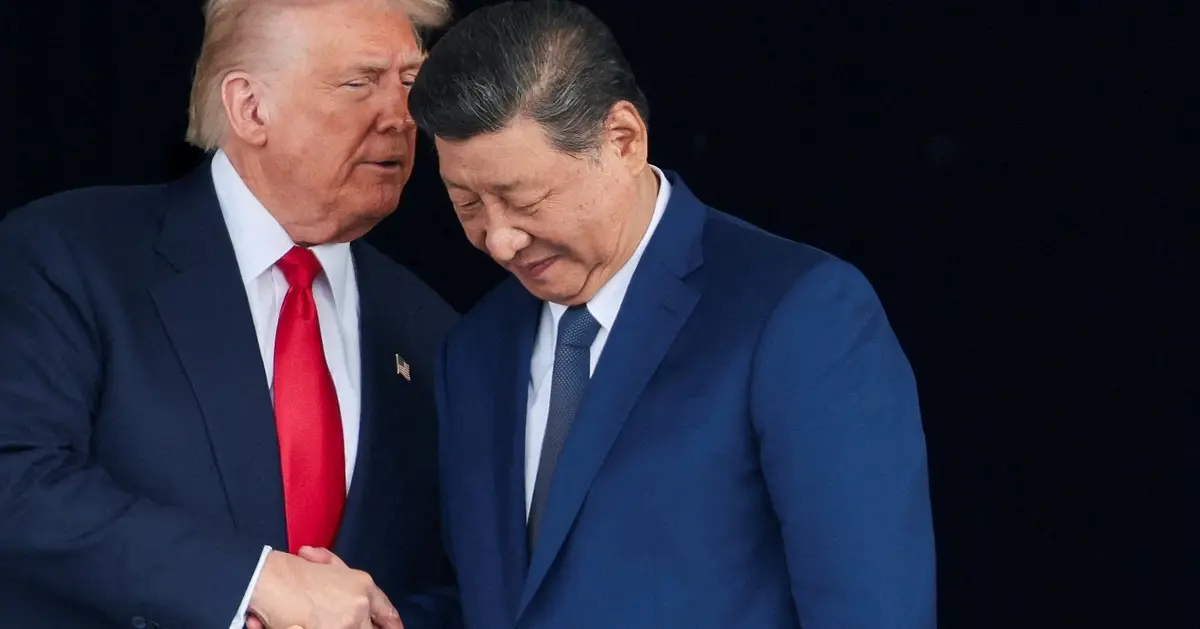
The article discusses three major US bets on China—Nixon's opening, Clinton's WTO entry, and Trump's tariffs—all of which backfired or had unintended consequences, leading to a complex and ongoing geopolitical and economic rivalry. The latest US strategy involves industrial policy to outcompete China, but experts warn it may lead to negative economic outcomes.

Samsung and other brands mocked Apple's new iPhone 17 series on social media shortly after its launch, highlighting features like its slim design and lack of foldability, while defending their own products and engaging in a playful rivalry that drew widespread attention online.
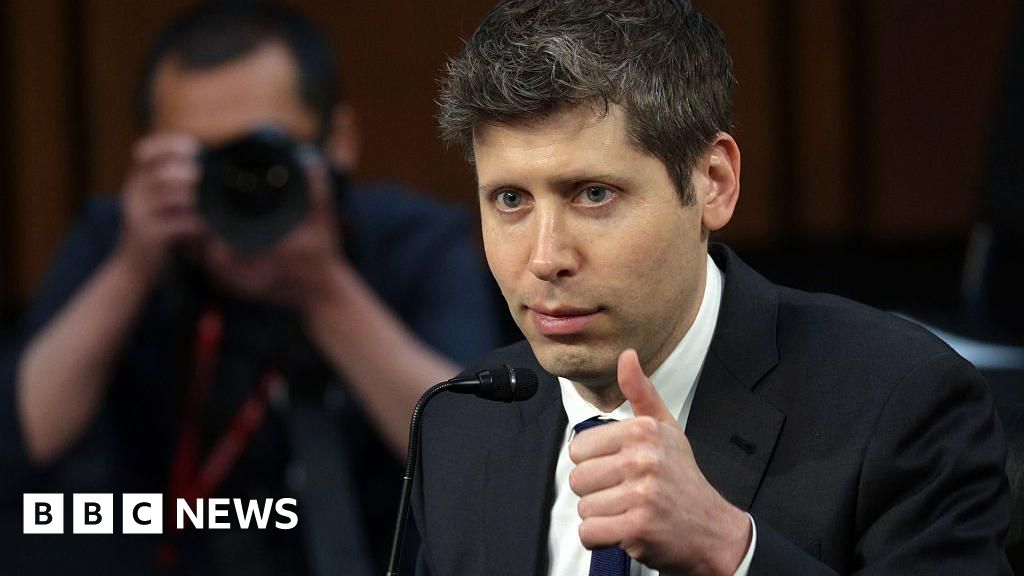
Sam Altman, CEO of OpenAI, revealed that Meta has offered his team large signing bonuses and high compensation to lure them away, but none have left so far. Altman praised OpenAI's mission and culture, which he believes attract top talent, and expressed confidence in OpenAI's potential to achieve superintelligence, contrasting it with Meta's efforts in AI and innovation. The rivalry highlights the intense competition among tech giants in AI development.
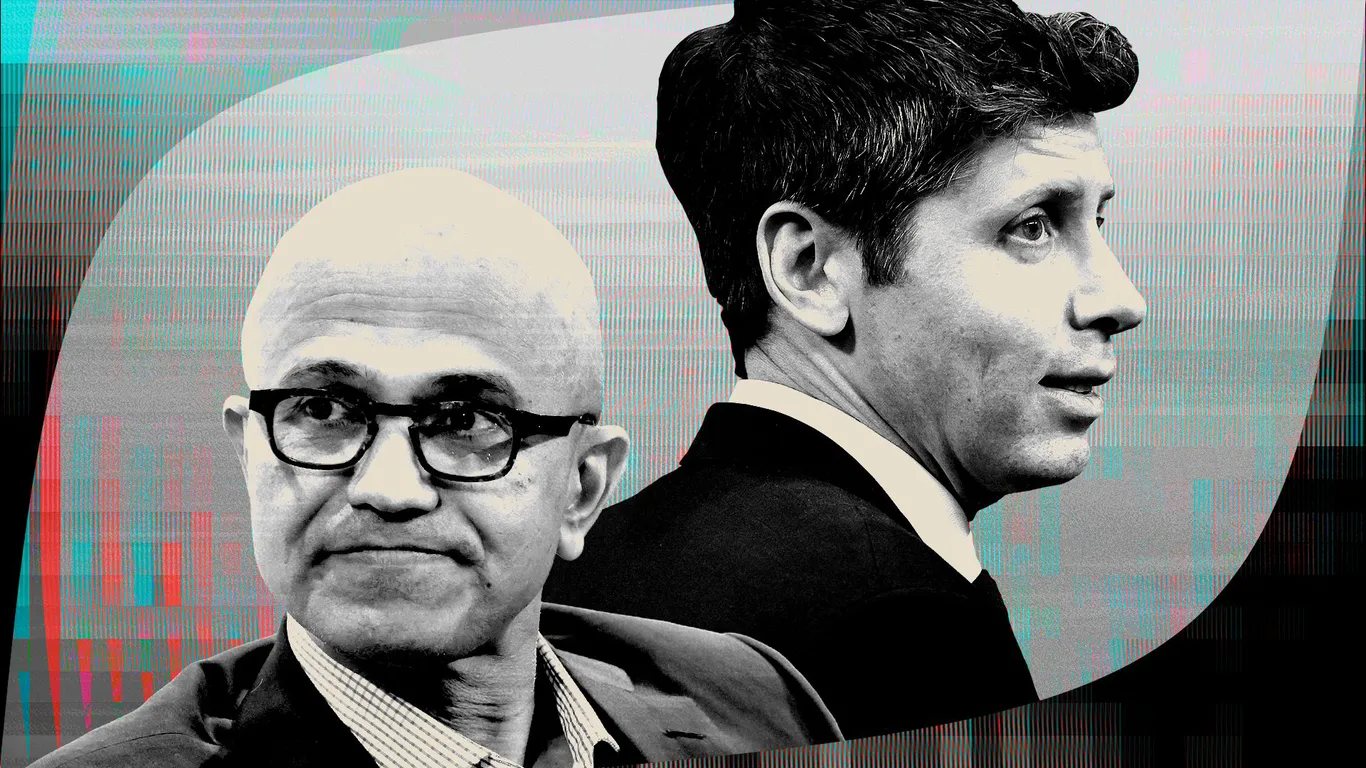
Microsoft and OpenAI are engaged in tense negotiations over their partnership, with disputes over technology access and company restructuring, amid broader industry competition and strategic interests, risking a significant shift in AI industry dynamics.
Mark Zuckerberg has taken to posting videos and messages critiquing Apple's products, signaling a shift in his public persona and a new era of engagement. This move comes amid longstanding rivalry and tension between Meta and Apple, with both companies competing directly in the market. Zuckerberg's increased posting activity may be a strategic response to Meta's challenges, but it also reflects a desire to connect with audiences and potentially influence perceptions.
Mark Zuckerberg mocked Apple's Vision Pro virtual reality headset, criticizing its high price and performance compared to Meta's Quest 3 VR headset. He highlighted the Quest 3's advantages, including lighter weight, a wider field of view, and a deeper content library, while poking fun at Apple "fanboys" and their defense of the Vision Pro. The tech rivalry between the two companies has escalated, with Zuckerberg asserting that Meta's headset is the better product.
Tensions between the West and China are impacting global markets, with potential inflationary repercussions as Western countries aim to bring manufacturing back home and diversify supply chains. Emerging nations like Vietnam, Mexico, and India are benefiting from the shift in supply chains away from China. The tech rivalry between the US and China is affecting companies like TSMC and Apple, while the luxury sector is also feeling the impact of tensions. Investors are split on how to approach the Chinese market, with some seeing opportunities amid negative sentiment.
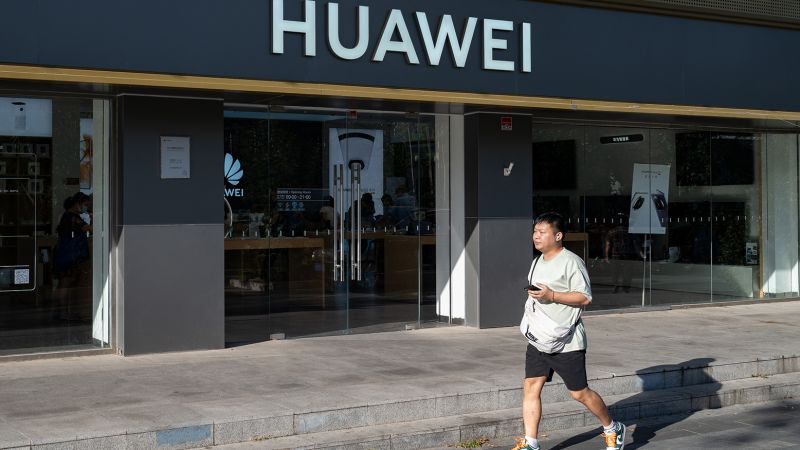
Huawei's Mate 60 Pro smartphone, a symbol of the tech rivalry between the US and China, has disappointed fans and US officials as the company's consumer chief, Richard Yu, showcased a range of new products without providing details about the flagship device. The United States has been trying to limit Huawei's access to advanced semiconductors, and the surprise launch of its 5G phone in August has sparked calls for more sanctions against the Chinese tech giant. Despite the lack of information, Huawei quietly started selling the Mate 60 Pro in August, and its smartphone sales in China have been growing, potentially posing a challenge to Apple's market share.
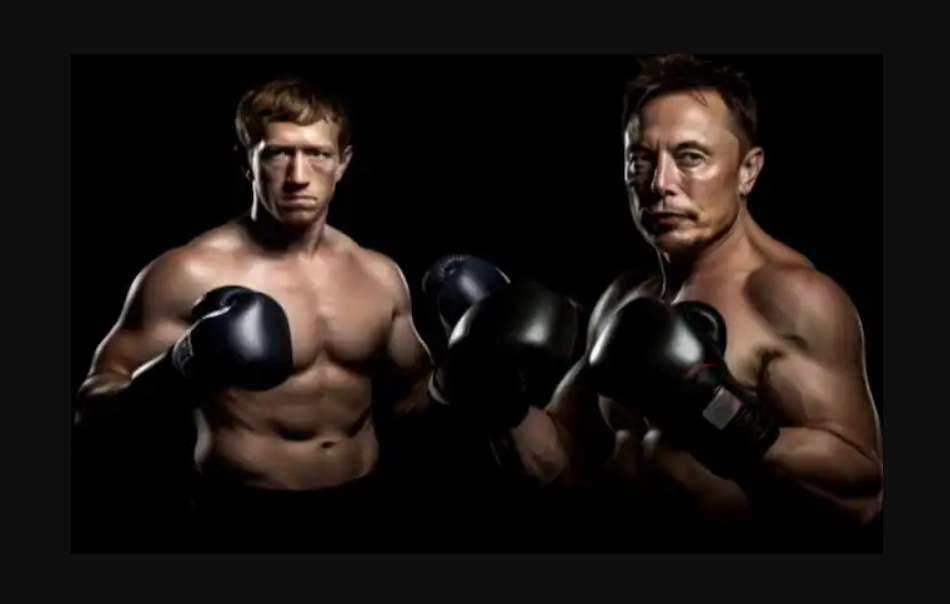
Elon Musk admits joking about a cage-fight with Mark Zuckerberg after the Facebook CEO seemingly backed off from the challenge. The tech leaders engaged in an indirect war of words on social media, with Musk accusing Zuckerberg of not accepting the challenge and calling him a "chicken." The potential MMA-style cage match was initially sparked by Musk's tweet, and he later suggested live-streaming the fight for charity. Zuckerberg responded by questioning the reliability of Musk's platform, X/Twitter, for raising money for charity.