Universal Music Group has partnered with NVIDIA to develop responsible AI tools for music creation, discovery, and engagement, emphasizing artist involvement and safeguards to protect copyright and authenticity, aiming to enhance the music experience and combat low-quality AI-generated content.
AI-generated music has become mainstream, with major labels embracing it despite musicians' fears that it could devalue human creativity and threaten their livelihoods. Labels are forming deals with AI companies to allow the use and remixing of artists' work, claiming it will foster new creative possibilities and democratize music creation. However, artists and critics remain skeptical about the long-term implications, transparency of deals, and the potential for AI to undermine traditional revenue streams and artistic integrity.
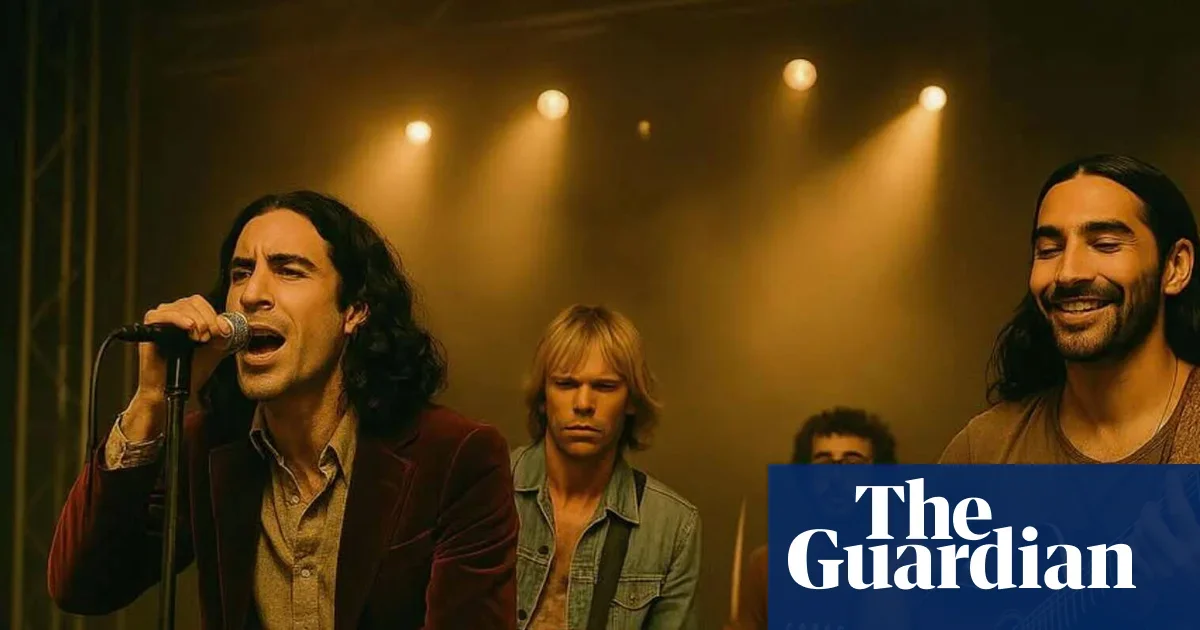
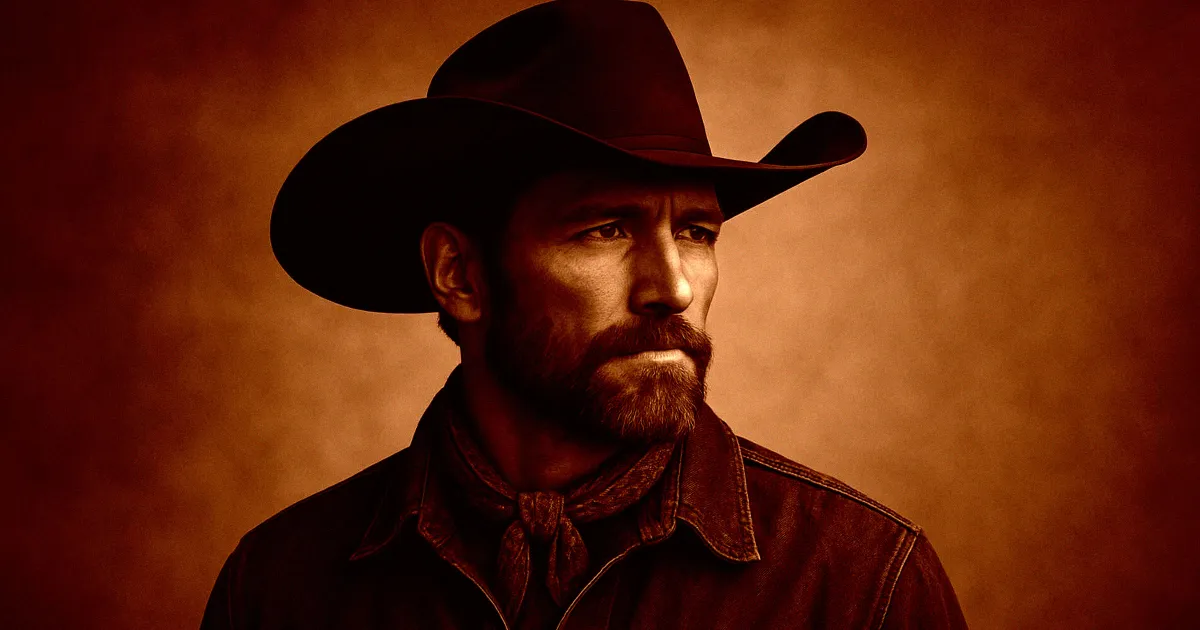
An AI-generated country song titled 'Walk My Walk' by a fictional group called Breaking Rust has topped Billboard's 'Country Digital Song Sales' chart, highlighting the growing prevalence of algorithmically generated music and its impact on the industry, with major labels and platforms embracing AI artists despite concerns about authenticity and artist livelihood.
The article discusses the rise of AI-generated music, highlighting concerns over transparency, the impact on human artists, and the need for regulations requiring AI music to be clearly disclosed to consumers and chart organizations, to protect human creators and maintain authenticity in the music industry.
An AI-generated country band called Breaking Rust has topped Billboard's Country Digital Song Sales chart with their song 'Walk My Walk,' highlighting the growing influence of AI in music production and the ongoing concerns about AI's impact on human artists and copyright laws.
The settlement between Universal Music Group and Udio marks a significant victory for musicians and the music industry, as it restricts AI-generated music to a controlled platform, ensures artists' permission and compensation, and challenges the notion that AI training on copyrighted music can be free of cost. This outcome signals a potential shift in how AI and copyright law intersect in the music industry, emphasizing the importance of paying for training data and protecting human creativity.
Universal Music Group has settled its copyright infringement lawsuit against AI music platform Udio, and they will collaborate on a new licensed AI music platform launching in 2026, aiming to create a protected environment for music creation and streaming while expanding revenue opportunities for artists and songwriters.
UMG and AI music company Udio have reached a strategic agreement ending their lawsuit over copyright infringement, with UMG licensing its music assets to Udio and collaborating on a new AI-powered music platform set to launch in 2026, offering a protected environment for music creation and engagement.
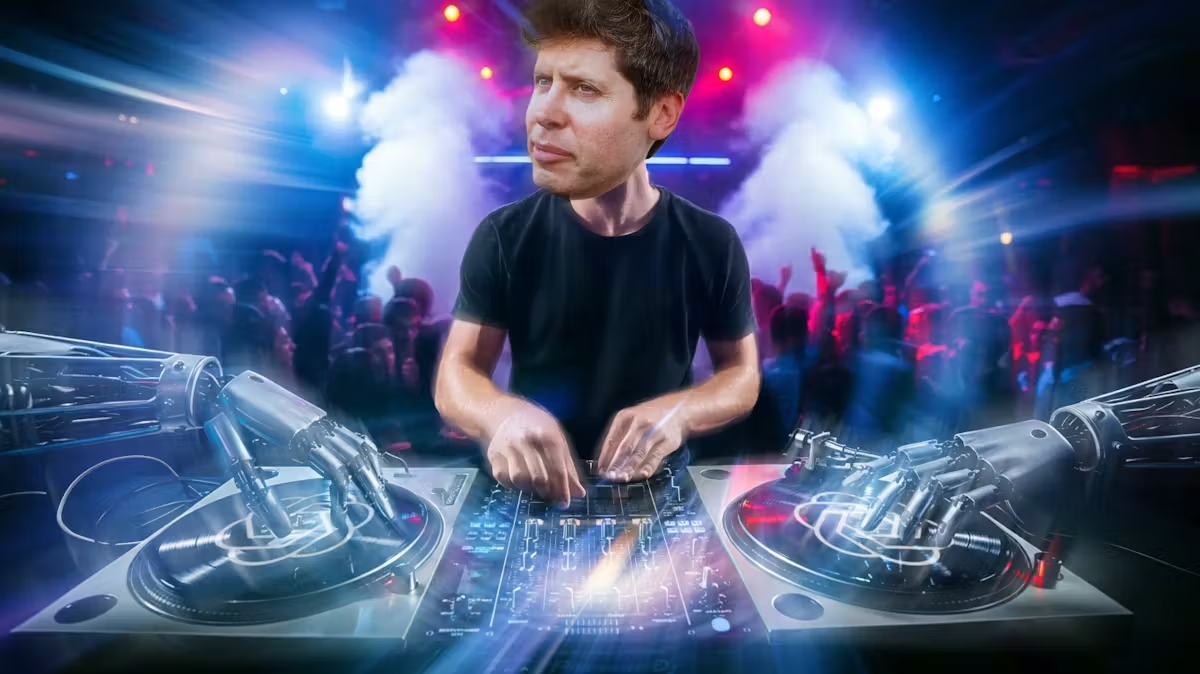
OpenAI is entering the $2.8 billion AI music market, competing with companies like Suno and Google, signaling a significant move into the music AI industry.
Spotify is partnering with major music industry players like Sony, Universal, Warner, Merlin, and Believe to develop responsible AI music products that prioritize artists' rights, fair compensation, and fan engagement, aiming to foster innovation while protecting creativity and ensuring artists remain at the center of AI-driven music experiences.
Imogen Heap reflects on her 20-year music career, the impact of social media and AI on music creation, her collaborations with Jeff Beck, and her views on audience engagement and musical innovation, emphasizing that AI is a collaborative tool and expressing optimism about future music-making.
Spotify is implementing new policies to combat AI-generated spam, impersonation, and undisclosed AI use in music, including developing a metadata standard with DDEX for AI disclosures, enhancing impersonation detection, and rolling out a spam filter, while affirming that all music on the platform is licensed from third parties and not AI-generated for playlists.
Kobalt has signed a groundbreaking licensing deal with ElevenLabs' AI music platform, Eleven Music, establishing a 50/50 revenue split between publishing and recorded music, with a Most Favored Nation clause to ensure equal terms for future negotiations. This deal aims to create fairer licensing terms for generative AI music, potentially reshaping industry standards and negotiations.
AI-generated music on streaming platforms is producing increasingly provocative and controversial tracks like 'Taste My Ass' and 'I Caught Santa Claus Sniffing Cocaine,' making it harder for listeners to avoid such content, raising concerns about the influence of AI in entertainment and media.