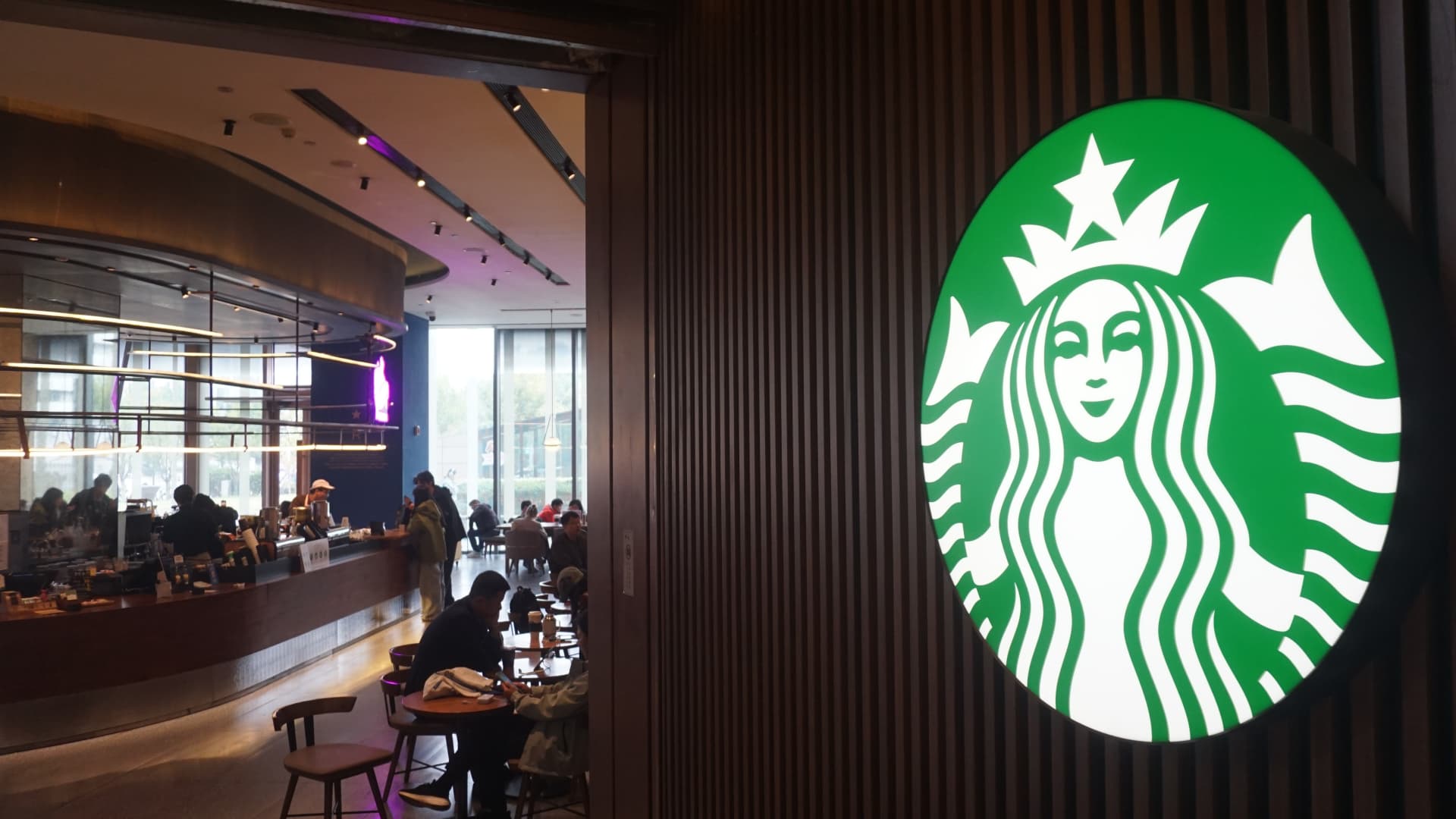
Starbucks is forming a joint venture with Boyu Capital to operate its China stores, with Boyu investing around $4 billion for up to a 60% stake, aiming to unlock China's vast market potential amid recent sales challenges and increased local competition.
OpenAI is entering the $2.8 billion AI music market, competing with companies like Suno and Google, signaling a significant move into the music AI industry.
Salesforce CEO Marc Benioff is expanding the company's AI-driven platform, Agentforce, into the IT service management (ITSM) market, challenging industry leader ServiceNow. With a focus on integrating AI agents across Salesforce's cloud services, the move aims to capture a share of the growing $13.5 billion ITSM market, potentially generating hundreds of millions in revenue. Benioff emphasizes that Agentforce is central to Salesforce's ecosystem, not a separate entity, and highlights successful deployments at companies like FedEx and Dell. The strategy leverages Salesforce's extensive customer base and data infrastructure to compete in new enterprise territories.
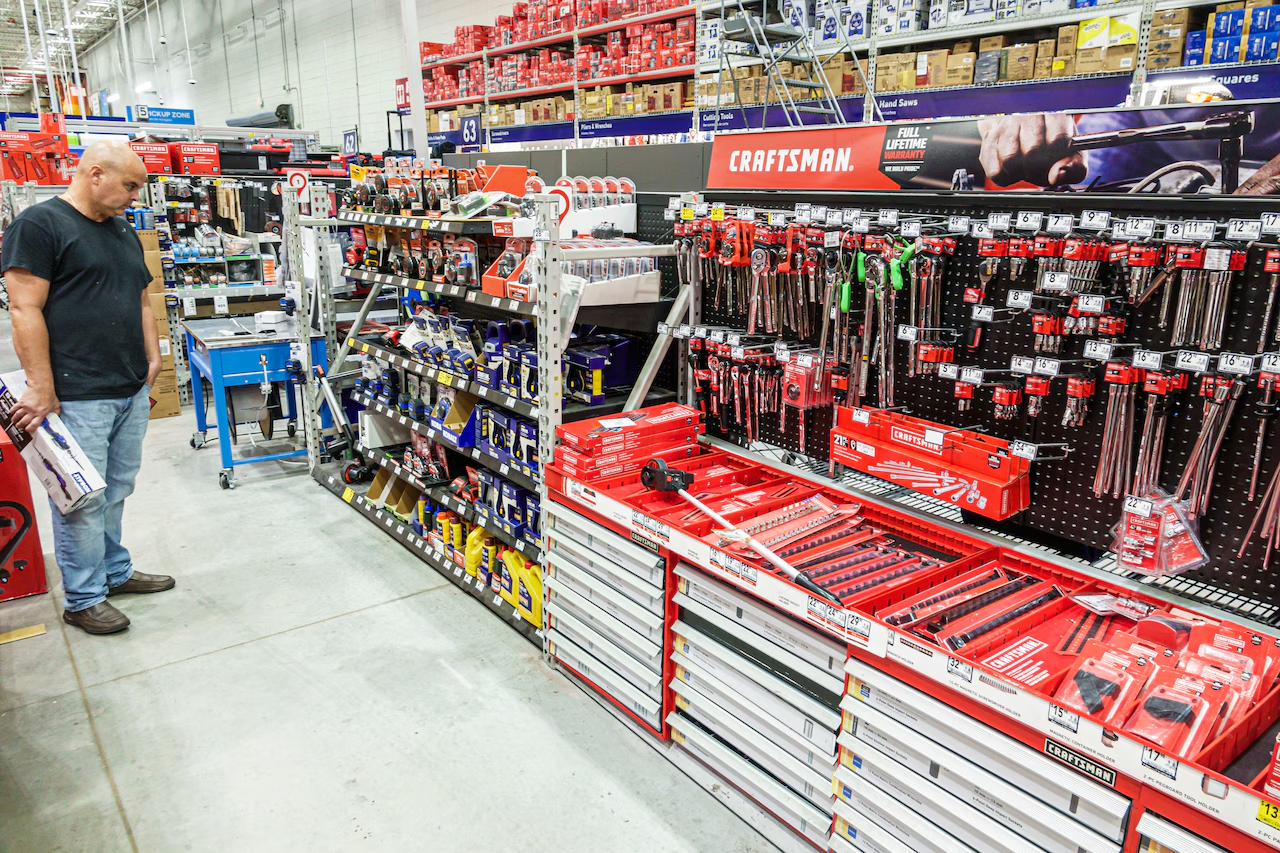
Lowe's has completed an $8.8 billion acquisition of California-based Foundation Building Materials (FBM), a major distributor of construction and home repair products, to expand its market reach and serve large professional customers, while allowing FBM to operate independently under its founder.
Amazon's Zoox has launched its robotaxi service in Las Vegas, offering free rides and planning to charge after regulatory approval, while Lyft expands its autonomous ride offerings in Atlanta through a partnership with May Mobility, intensifying competition in the U.S. autonomous vehicle market alongside other players like Waymo and Tesla.
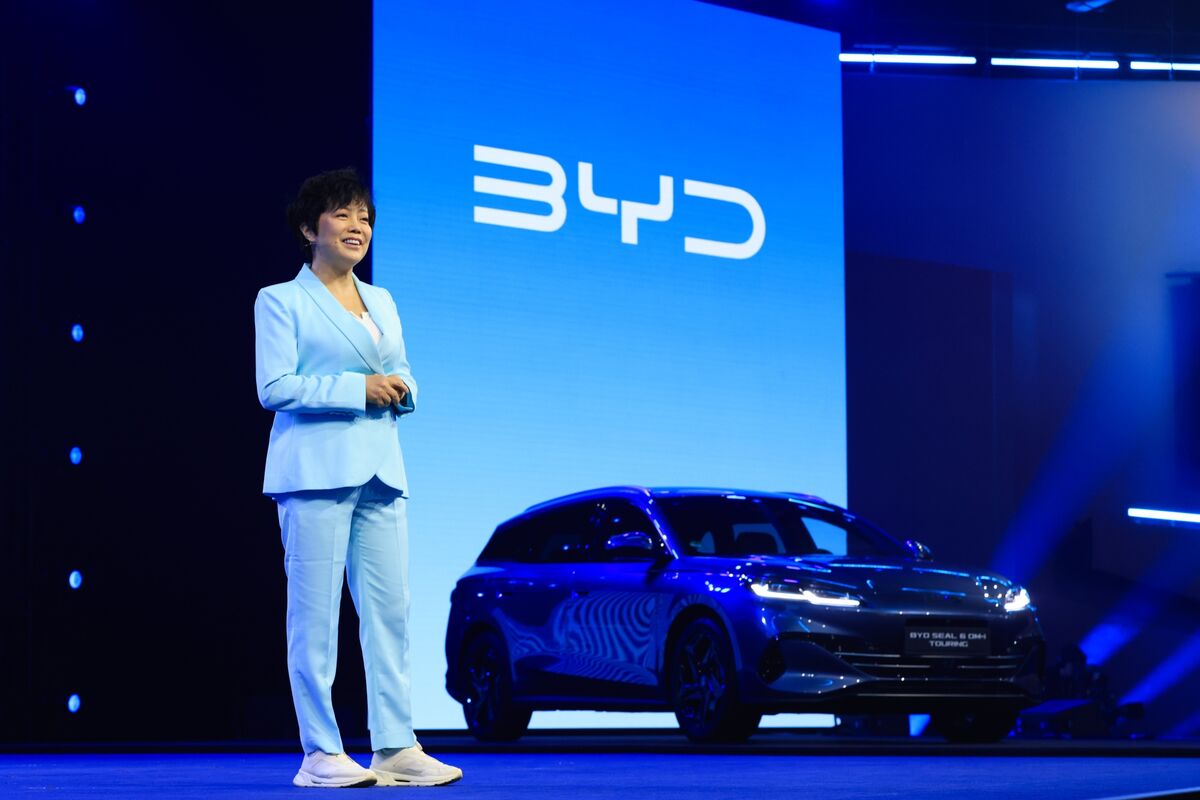
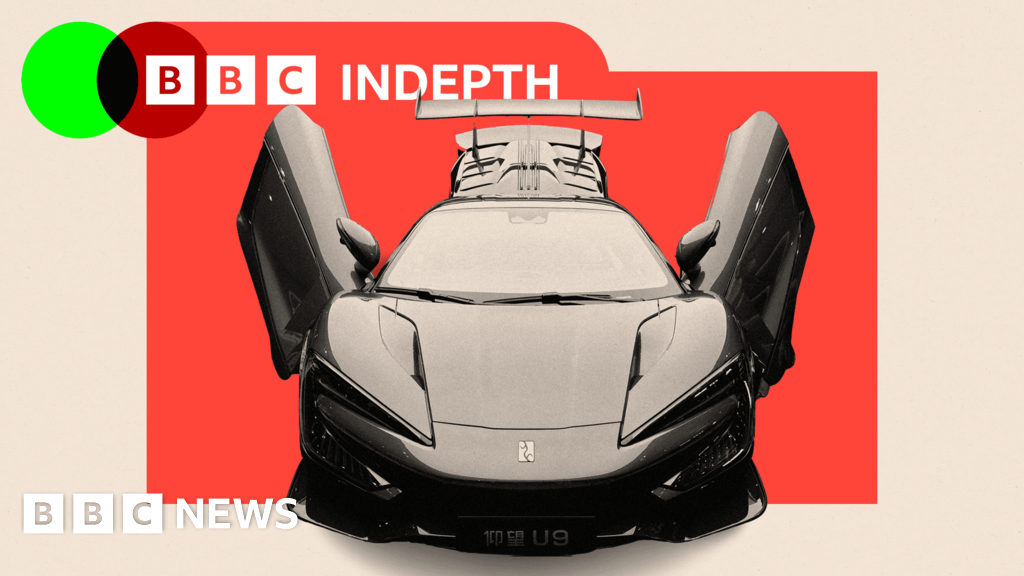
BYD is significantly expanding its presence in Europe, increasing its model lineup to over 13 and planning to have more than 1,000 stores across 32 countries by the end of the year, as Chinese automakers intensify their push into the European EV market amidst a price war and trade tensions. They are also forming local partnerships and establishing production facilities to compete with traditional European automakers like Volkswagen and Stellantis.
Waymo, Alphabet's self-driving car unit, is poised to dominate a multi-trillion-dollar market with rapid global expansion, increasing revenue from robotaxi services, and significant investment in scaling operations, despite current high costs and cautious growth strategies.
NIO's stock has surged 30.2% driven by strong demand for its new SUVs in China, increased institutional interest including BlackRock's stake, and positive analyst forecasts, despite ongoing challenges with margins and profitability. The company's focus on product innovation and global expansion continues to attract investor confidence, though risks from high operating costs and competition remain.
Goldman Sachs and U.S. Treasury Secretary Scott Bessent anticipate a significant growth in stablecoins, which could lead to a multi-trillion dollar market and increase demand for U.S. government bonds, especially Treasuries, driven by new regulations and expanding payment markets. While some experts see potential for stablecoins to boost bond demand, others believe they mainly redistribute existing money without increasing overall debt demand.
Uber is expanding its AI data labeling services through Uber AI Solutions, aiming to compete in the market following Scale AI's deal with Meta. The company is offering ready-to-use datasets, licensing its internal platforms, and developing automation tools to streamline project setup. With a presence in over 30 countries and a growing network of clickworkers, Uber seeks to leverage its size and experience to establish a significant position in the AI data labeling industry, amidst increased competition and industry shifts.
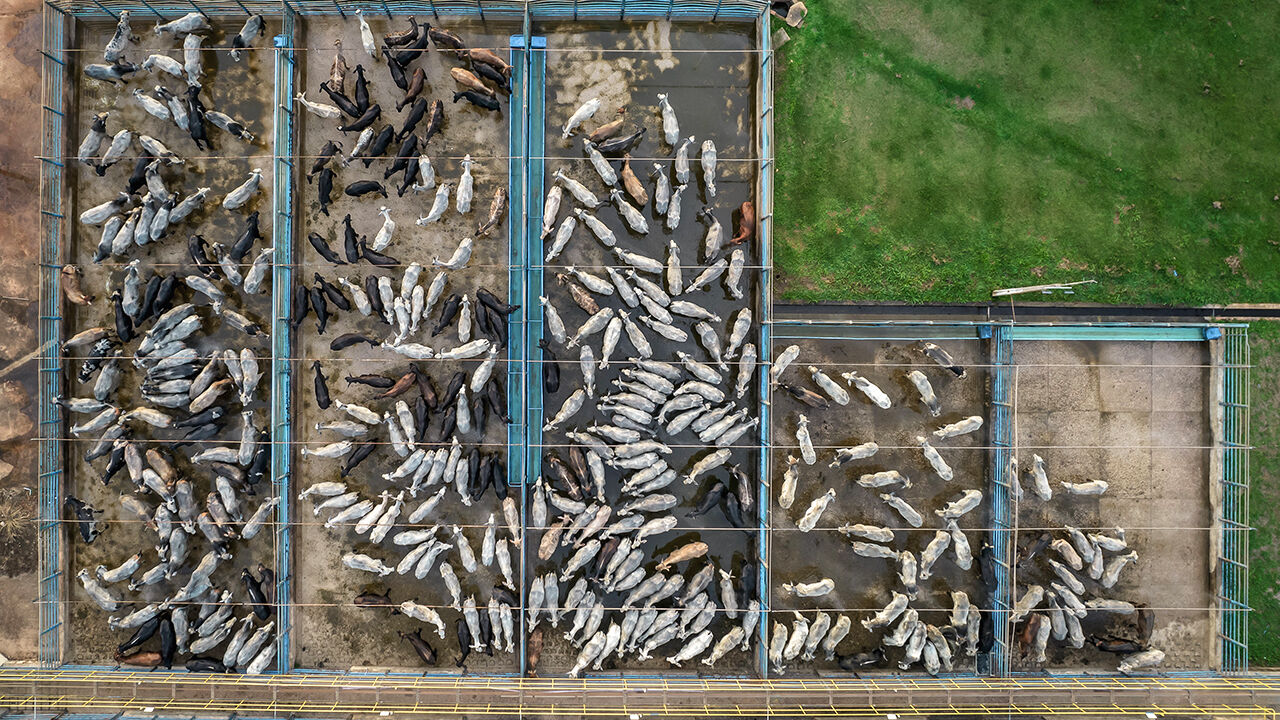
JBS, the world's largest food company, is planning to list on the NYSE to expand its market share in America, potentially increasing its influence but also facing environmental and political challenges.
Chinese electric vehicle brands like BYD are rapidly expanding into European markets with affordable models such as the Dolphin Surf, challenging established European manufacturers and raising concerns over security and market dominance, amid geopolitical tensions and trade tariffs.
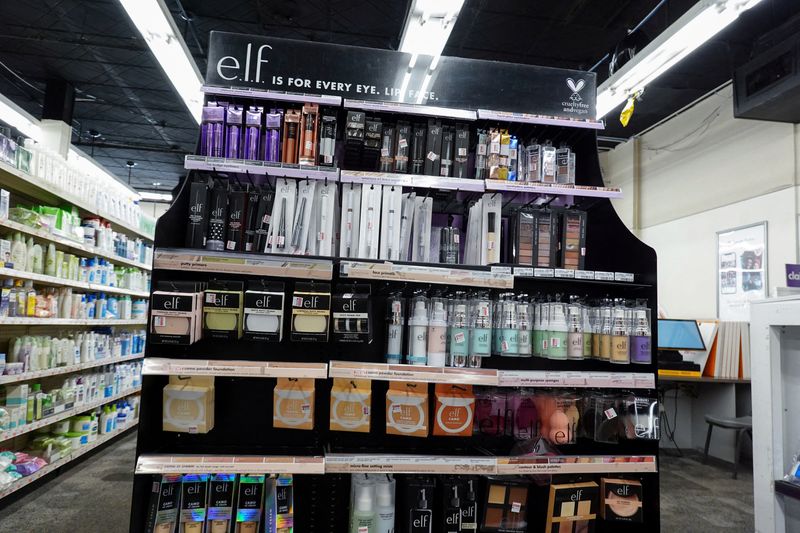
Elf Beauty has raised its annual sales and profit forecasts, driven by strong demand for its affordable cosmetics, such as lip oil and liquid blush, in both the U.S. and international markets. The company's strategy of offering low-cost alternatives to luxury brands has boosted sales, with net sales rising 40% to $301.1 million in the latest quarter. Elf's expansion into major retailers and plans to enter Dollar General stores are part of its efforts to reach a broader customer base. The company's shares rose 9% following the announcement.
Chinese start-ups like Temu and Shein are spending billions on advertising through American tech giants like Meta and Google to break into the U.S. market, with Chinese-based advertisers accounting for 10 percent of Meta's revenue. This surge in spending highlights the interconnectedness of the Chinese and American economies, as Chinese companies seek access to global audiences while American tech companies profit from this cross-border trade despite the ongoing trade tensions between the two countries.
Nvidia is reportedly aiming to enter the custom chip space, seeking to build a new business unit for custom-designed AI chips in response to the growing trend of companies developing their own specified chips for specific needs. This move is seen as a proactive effort to address potential market share erosion and expand opportunities in the energy-intensive applications and chips market, particularly in competition with major cloud providers like Microsoft, Amazon, and Meta.