Tag

Sun Like Stars

All articles tagged with #sun like stars

science1 year ago

Earth at Risk: Sun's Potential Superflare Threat

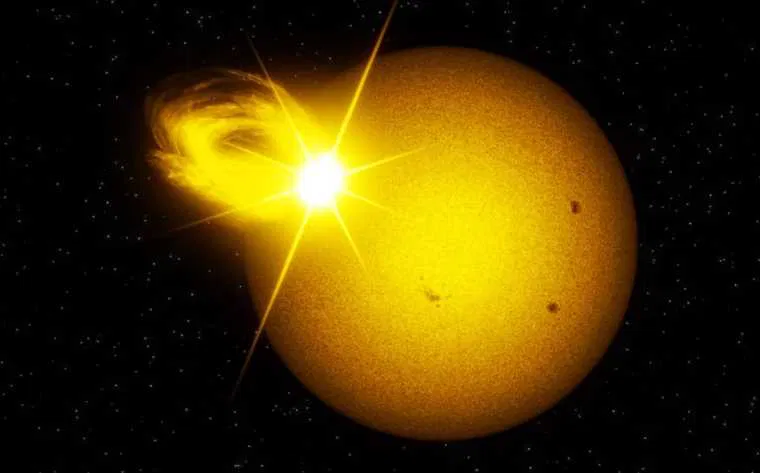
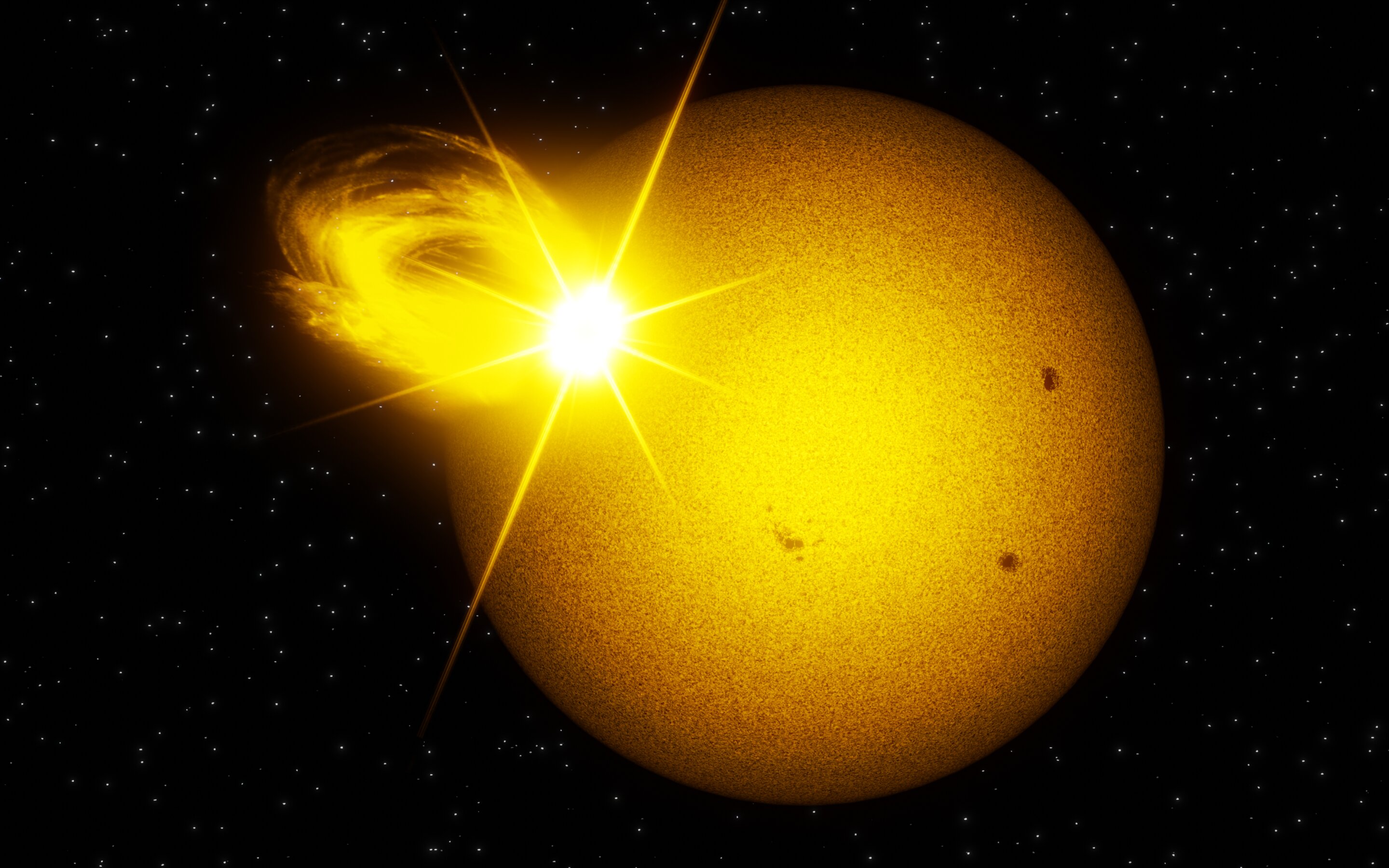
A study by the Max Planck Institute of Solar System Research suggests that our sun could release a potentially deadly 'superflare' at any moment, as such events occur roughly every 100 years on sun-like stars. While no superflares have been detected from the sun in recent history, evidence from other stars indicates they are more common than previously thought. The consequences of a superflare could be devastating for modern technology, but preparations, such as the European Space Agency's upcoming Vigil probe, could help mitigate potential impacts.
science1 year ago

Sun-like Stars May Produce Superflares More Frequently Than Expected

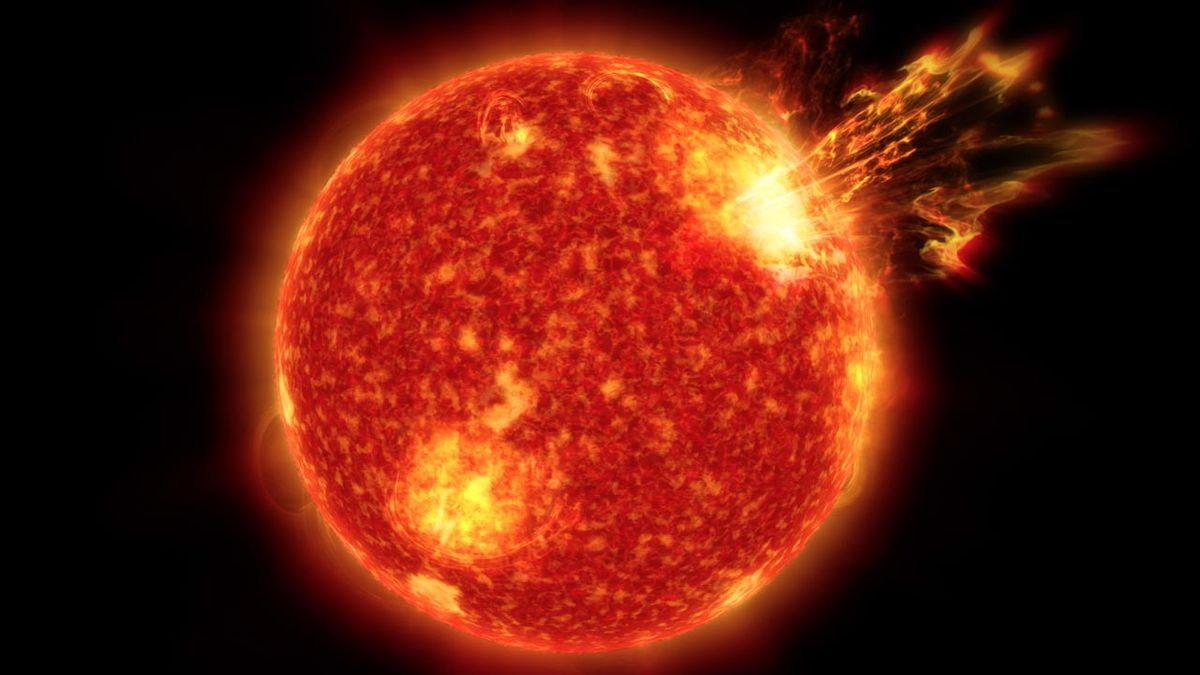
A new study reveals that powerful superflares, which are tens of thousands of times more intense than typical solar flares, erupt from sun-like stars approximately every 100 years, much more frequently than previously thought. These superflares could have significant impacts on Earth's technological systems and biosphere, though their exact effects remain uncertain. The research, conducted by the Max Planck Institute for Solar System Research, analyzed data from NASA's Kepler space telescope, suggesting that the mechanisms behind solar and stellar flares are consistent across sun-like stars.

science1 year ago

Sun-like Stars Emit Disruptive Superflares Every Century

A new study published in Science reveals that sun-like stars emit superflares approximately once per century, challenging previous estimates of longer intervals. By analyzing data from NASA's Kepler telescope, researchers identified 2,889 superflares on 2,527 stars similar to the sun. This finding suggests that such stars are more prone to superflares than previously thought, with implications for understanding solar activity and forecasting space weather. The study highlights the need for further investigation into the relationship between superflares and extreme solar particle events.

astronomy1 year ago

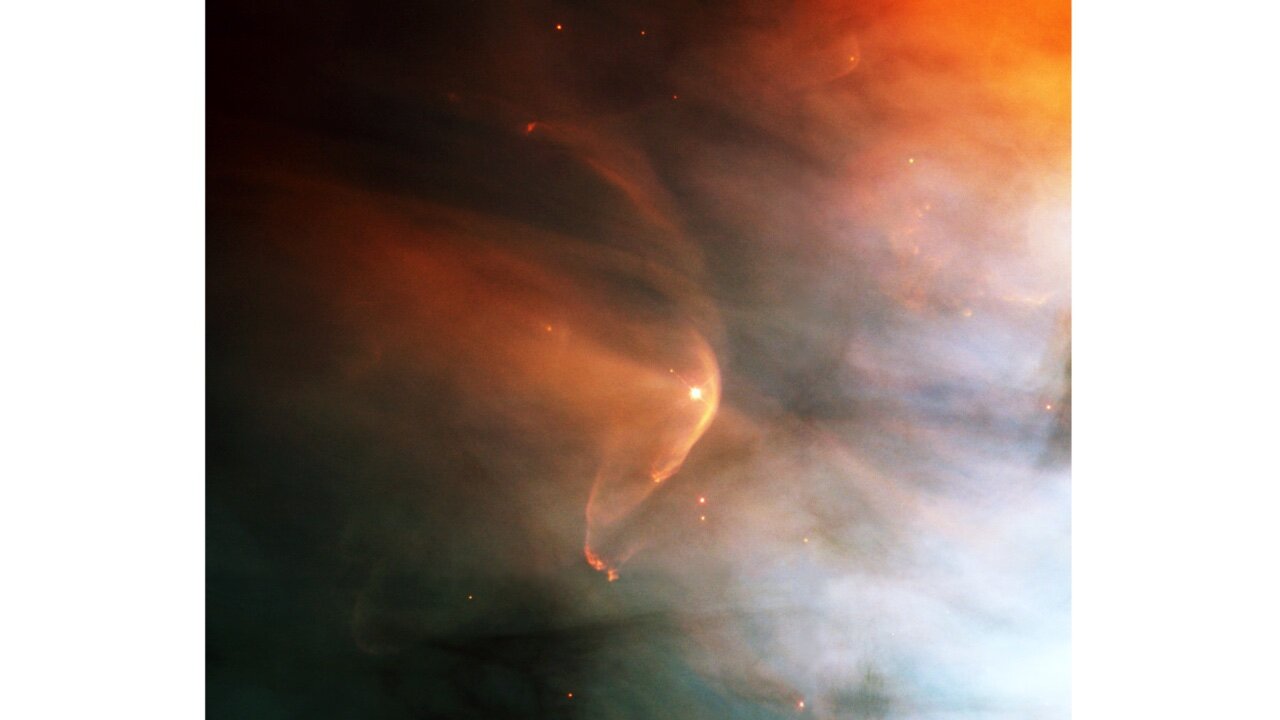
"First-Ever Detection of Stellar Winds from Sun-Like Stars"

An international research team led by a University of Vienna scientist has directly detected stellar winds from three sun-like stars for the first time by recording the X-ray emission from their astrospheres, placing constraints on the mass loss rate of the stars via their stellar winds. The study, published in Nature Astronomy, observed the spectral fingerprints of oxygen ions with the XMM-Newton space telescope and estimated the mass loss rates of the stars to be much stronger than the solar wind, potentially due to stronger magnetic activity. This breakthrough paves the way for future direct detection and imaging of stellar winds, with implications for understanding stellar and planetary evolution.

astronomy2 years ago

"Surprising Discovery: Old Stars Lack Hot Jupiters"

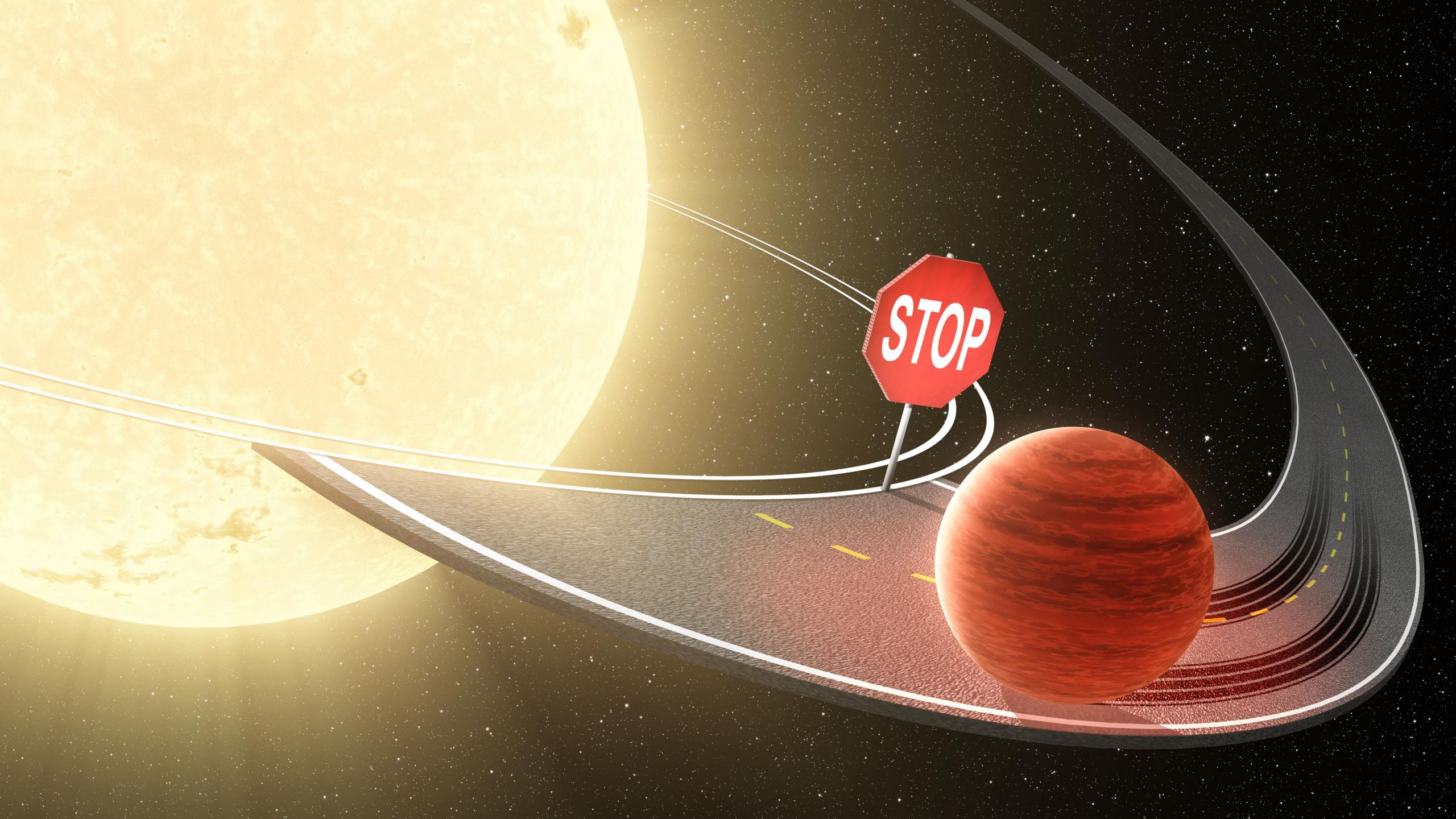
A new study suggests that hot Jupiters, large gas giants that orbit their star in a matter of days, are rare around middle-aged Sun-like stars. The study analyzed a sample of 382 Sun-like stars and found that younger stars were more likely to have hot Jupiters than older stars. The researchers propose that hot Jupiter orbits destabilize over time, causing them to eventually be consumed by their star. This explains why our solar system, which is still in its middle age, does not have a hot Jupiter. The study highlights the uniqueness of our solar system and the need to explore a wider range of planetary systems to better understand the occurrence of different types of exoplanets.