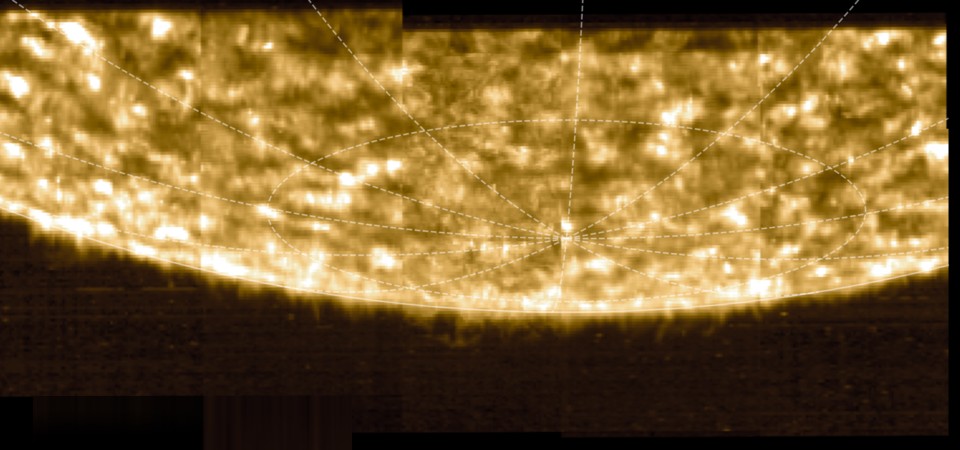
NASA/ESA's Solar Orbiter has captured the first images of the Sun's south pole, revealing that both magnetic poles are on the southern side, during a period of solar maximum when magnetic poles reverse. The spacecraft's high-latitude observations, made possible by gravitational assists from Earth and Venus, aim to improve understanding of solar magnetic activity and its impact on Earth, especially during solar storms. This marks a new era in solar science, providing insights into previously unobservable regions of the Sun.
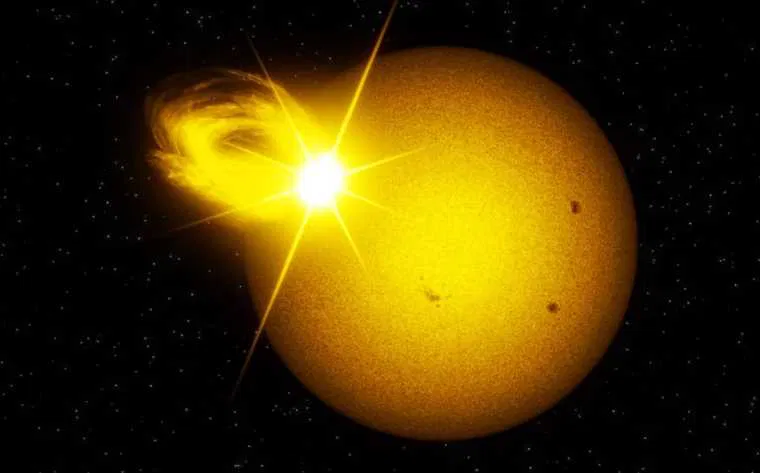
A study by the Max Planck Institute of Solar System Research suggests that our sun could release a potentially deadly 'superflare' at any moment, as such events occur roughly every 100 years on sun-like stars. While no superflares have been detected from the sun in recent history, evidence from other stars indicates they are more common than previously thought. The consequences of a superflare could be devastating for modern technology, but preparations, such as the European Space Agency's upcoming Vigil probe, could help mitigate potential impacts.
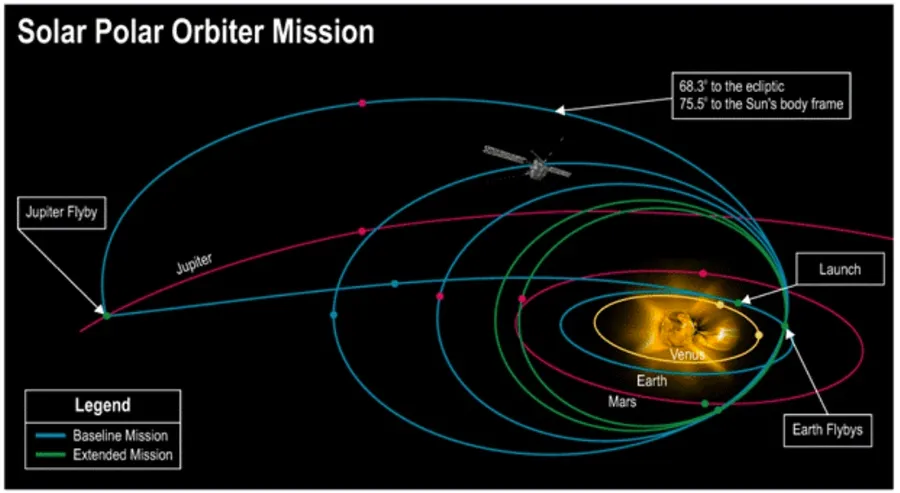
The latest heliophysics decadal survey recommends NASA pursue two major missions: the Links mission to study Earth's magnetosphere and the Solar Polar Orbiter to explore the sun's polar regions. These missions, estimated to cost $1.86 billion and $2.08 billion respectively, are part of a broader strategy to enhance solar and space physics research. However, funding challenges persist, as NASA's proposed budget cuts threaten the continuation of the Geospace Dynamics Constellation mission, raising concerns about the feasibility of these new initiatives.
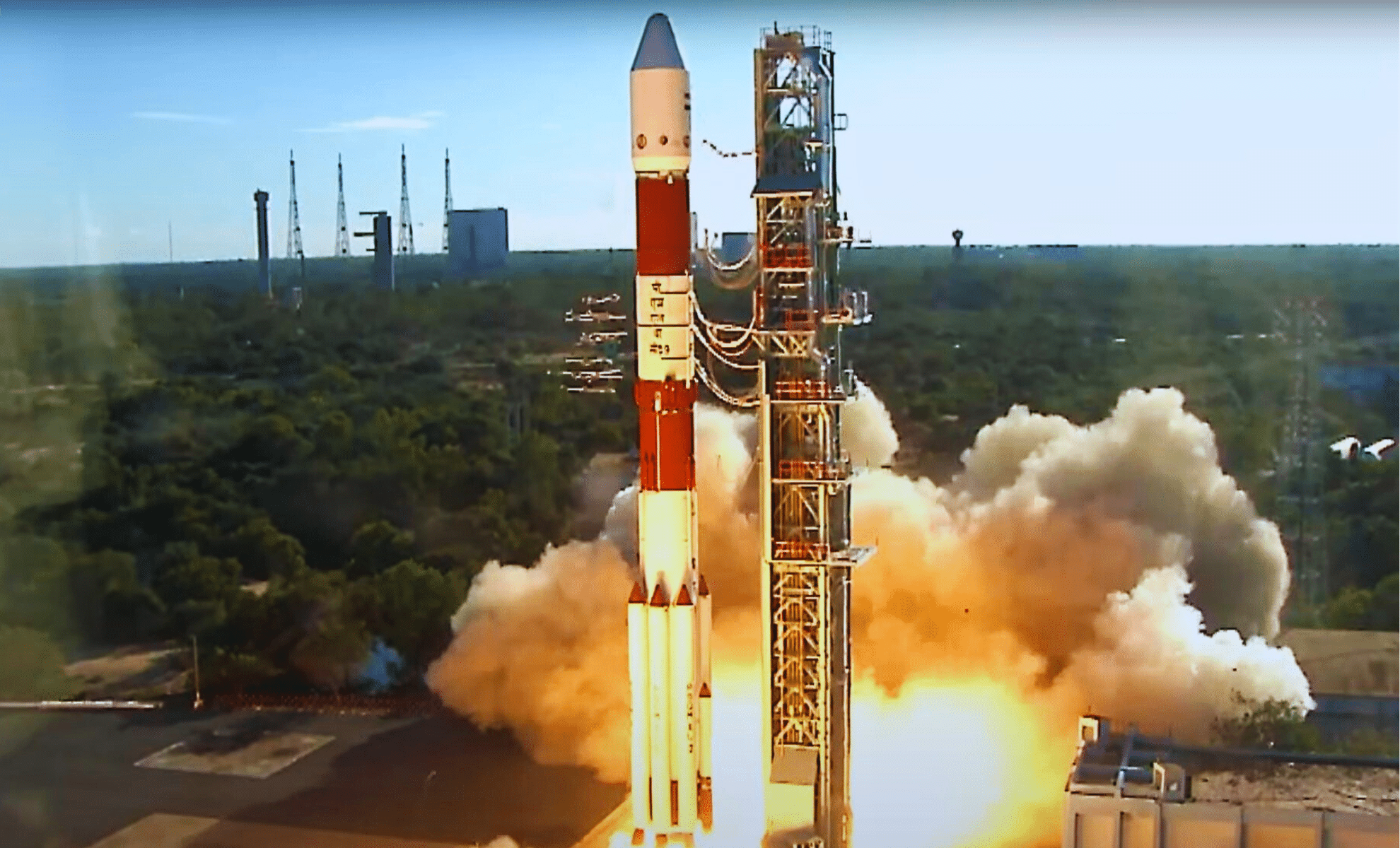
India's ISRO successfully launched the Proba-3 mission satellites, marking a significant achievement in space exploration. The mission, led by the European Space Agency (ESA), aims to demonstrate precise formation flying with two spacecraft, the Coronagraph Spacecraft and the Occulter Spacecraft, to study the Sun's corona. This collaboration between ISRO and ESA highlights advancements in solar research and international cooperation in space technology.
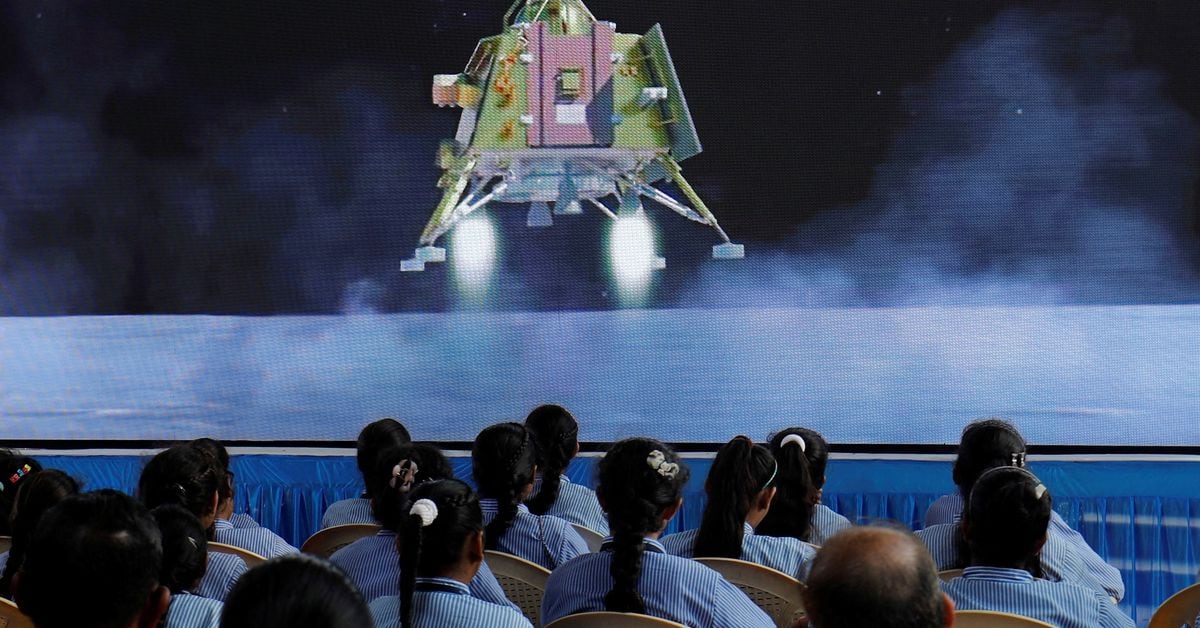
India's next space mission after the successful Chandrayaan-3 moon landing is the Aditya-L1, the country's first space observatory for solar research. Scheduled for launch in the first week of September, the spacecraft aims to study solar winds and their impact on Earth's climate patterns. It will travel 1.5 million km using India's PSLV launch vehicle and will be stationed at Lagrange Points in space to conserve fuel. The mission's cost has not been officially disclosed, but the Indian Space Research Organisation (ISRO) is known for its cost competitiveness in space engineering.
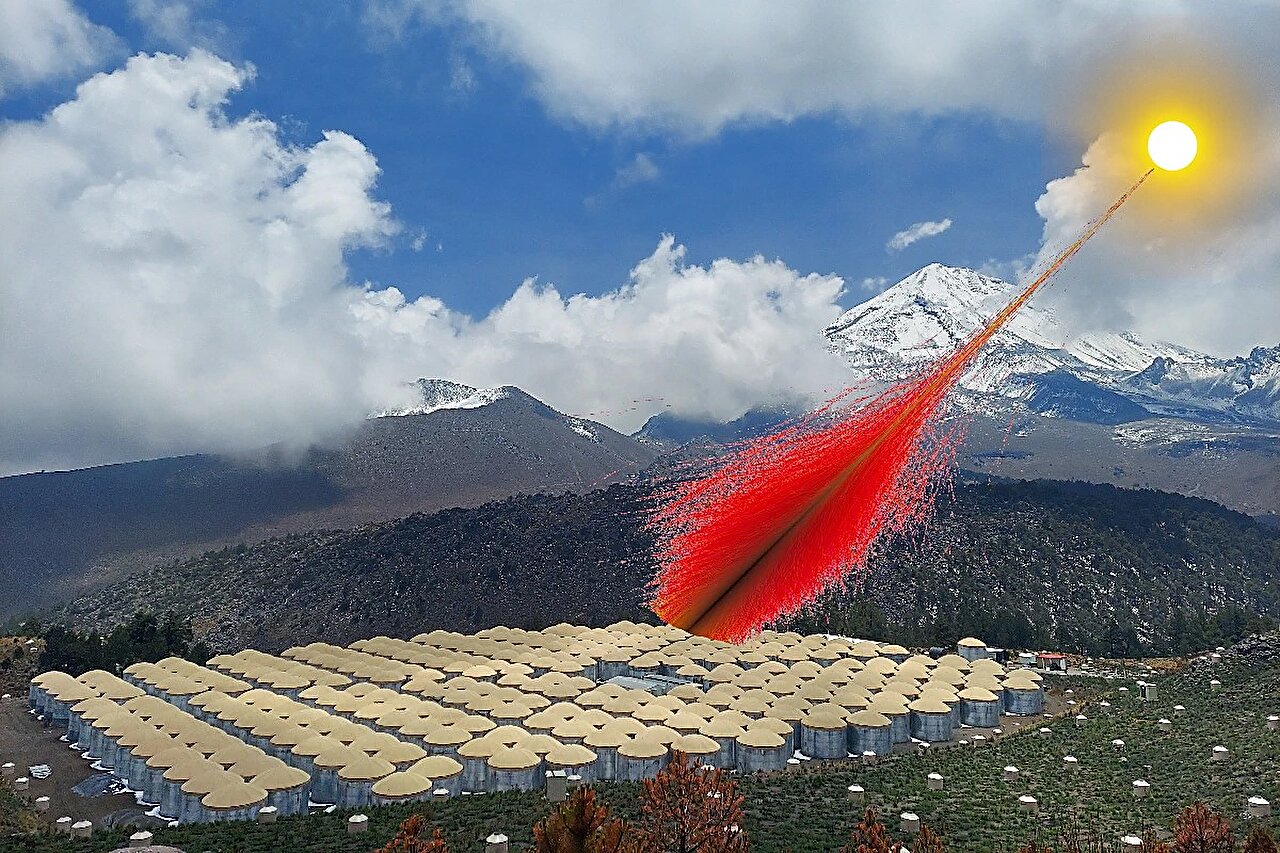
Scientists have discovered the highest-energy light ever observed from the sun, in the form of gamma rays. The international team of researchers, including scientists from Michigan State University, made the discovery using the High-Altitude Water Cherenkov Observatory (HAWC) in Mexico. The gamma rays were found to be surprisingly bright and more abundant than previously anticipated. This finding challenges previous understanding of the sun and raises questions about how these high-energy gamma rays are produced and the role of the sun's magnetic fields in this phenomenon.