
Sun-like Stars May Produce Superflares More Frequently Than Expected
TL;DR Summary
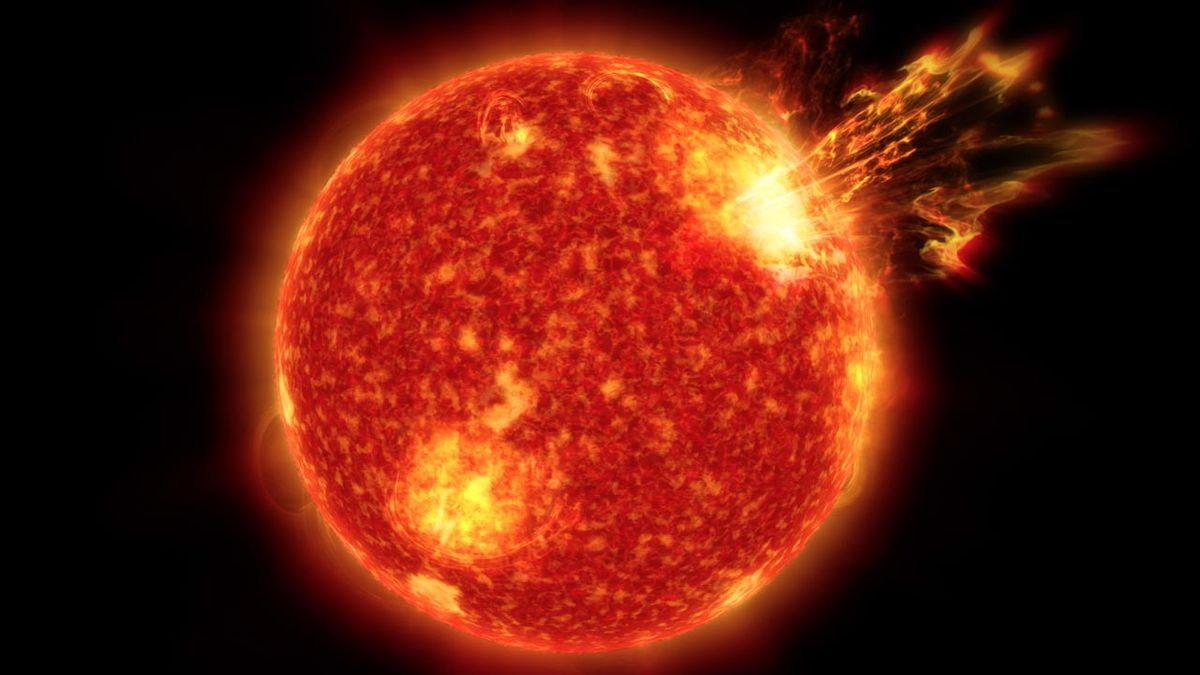
A new study reveals that powerful superflares, which are tens of thousands of times more intense than typical solar flares, erupt from sun-like stars approximately every 100 years, much more frequently than previously thought. These superflares could have significant impacts on Earth's technological systems and biosphere, though their exact effects remain uncertain. The research, conducted by the Max Planck Institute for Solar System Research, analyzed data from NASA's Kepler space telescope, suggesting that the mechanisms behind solar and stellar flares are consistent across sun-like stars.
- Violent superflares explode from sun-like stars every 100 years Space.com
- Our sun may be overdue for a 'superflare' stronger than billions of atomic bombs, new research warns Livescience.com
- Superflares Erupt From Stars Like Our Sun Once Every 100 Years The New York Times
- The sun may spit out giant solar flares more often than we thought New Scientist
- Observations suggest sun-like stars emit superflares once per century Phys.org
Reading Insights
Total Reads
0
Unique Readers
10
Time Saved
6 min
vs 6 min read
Condensed
93%
1,185 → 85 words
Want the full story? Read the original article
Read on Space.com