Tag

Substance Use Disorders

All articles tagged with #substance use disorders

health1 year ago

"Weight Loss Drugs: A New Solution for Reducing Opioid Cravings"

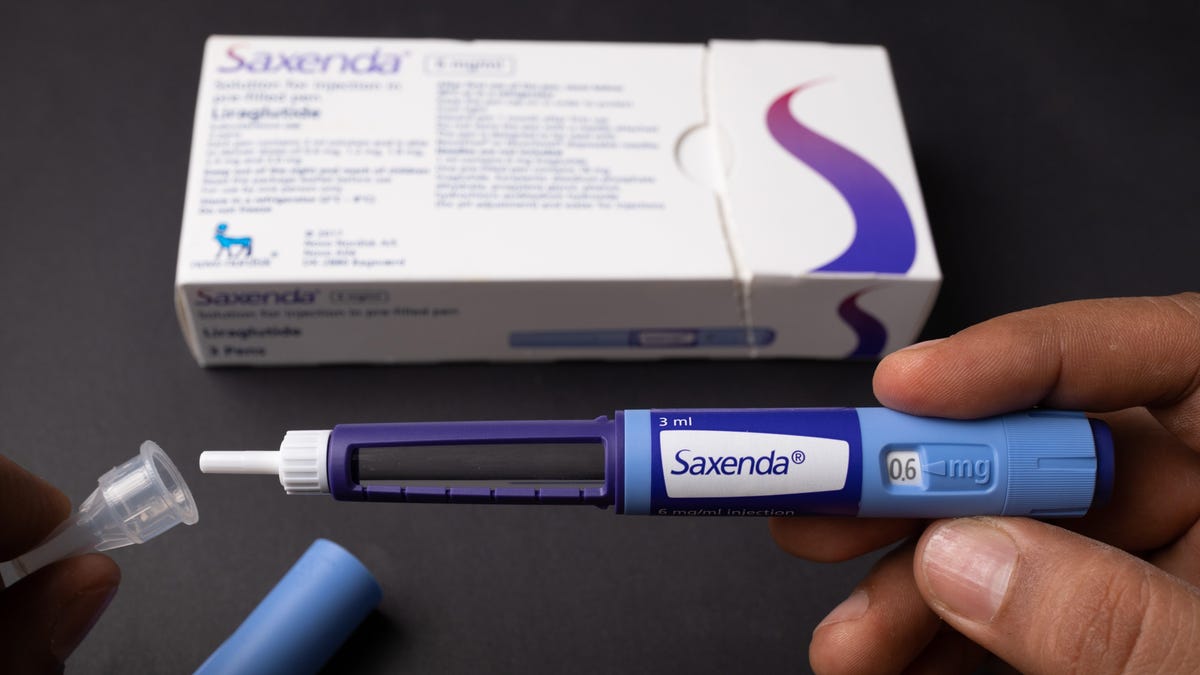
Research suggests that weight loss medications used for diabetes and obesity, such as the GLP-1 drug liraglutide, may help reduce opioid cravings in people with opioid use disorder. A small study found that those taking liraglutide reported 30% fewer cravings than those who took a placebo, and those taking buprenorphine alongside liraglutide were more likely to report experiencing no cravings at all. While the findings are based on a small sample size and more data is needed, they align with other reports indicating that GLP-1 medications can help treat substance use disorders. Clinical trials are underway to further investigate the potential benefits of these medications for managing opioid addiction.

health2 years ago

"Personalized Approaches to Drug Addiction Treatment: Rethinking 'Just Say No'"

A new study published in the academic journal Addiction suggests that a gradual approach to addressing drug addiction, rather than focusing solely on complete abstinence, can lead to improved health outcomes. The study, which examined data from 13 randomized clinical trials involving over 2,000 people with stimulant use disorders, found that even reduced drug use led to significant declines in cravings, depression, and drug-seeking behaviors. The findings support the idea that addiction should be treated as a chronic disease, and that individualized approaches to recovery, including medication-assisted treatment and risk reduction, can lead to meaningful improvements in mental and physical health.

health2 years ago

"Promising Research Suggests Common Antibiotic as Potential Treatment for Drug Addiction"

New research suggests that doxycycline, a commonly used antibiotic, may help reduce the addictive effects of drugs such as morphine and cocaine. The study conducted on male mice found that doxycycline significantly decreased the rewarding effects of morphine and attenuated addictive behaviors induced by cocaine. Importantly, the antibiotic did not affect the primary therapeutic effects of morphine for pain relief. While these findings offer hope for more effective interventions in treating substance use disorders, further research is needed to understand the exact mechanisms and to explore potential sex differences in response to treatment.

neuroscience2 years ago

Unveiling the Crucial Role of the Brain's Salience Network in Drug Addiction

A new study conducted by researchers at the National Institute on Drug Abuse (NIDA) and the National Institute on Alcohol Abuse and Alcoholism (NIAAA) has found that the brain's 'salience network' is only activated when drugs are taken intravenously, not orally. This finding offers insights into the mechanisms of addiction, as drugs that enter the brain quickly through injection or smoking have a higher addiction potential than those taken orally. The study used PET/fMRI imaging to compare dopamine levels and brain activity in response to methylphenidate administration in twenty adults. The activation of the salience network in the brain is associated with recognizing the subjective effects of drugs, and targeting this network could lead to the development of new treatments for substance use disorders.

health2 years ago

The Dangerous Link Between Soda and Underage Drinking

A study involving over 2,000 children aged nine to ten suggests a potential link between daily consumption of caffeinated soda and an increased likelihood of alcohol use. The study found that children who reported drinking soda daily were twice as likely to have sipped alcohol a year later. These daily soda drinkers also exhibited higher impulsivity and poorer working memory, which are recognized risk factors for substance use disorders. Brain imaging showed reduced activity in regions associated with impulse control and working memory in regular soda drinkers. The findings highlight the association between soda consumption, neurobehavioral factors, and the risk of substance use in children.

health2 years ago

The Hidden Toll: Health Challenges Faced by Young Gun Violence Survivors

Young survivors of gun violence face "massive health crises" including increased rates of substance use disorders, pain disorders, and psychiatric disorders, according to a study using employer-sponsored insurance claims. The study found that survivors who required treatment in intensive care units experienced even higher rates of psychiatric and pain disorders. The healthcare costs for all survivors were 17 times higher than before the injury, and parents of survivors also experienced increased rates of psychiatric disorders. Experts say the study likely underestimates the effects, as it does not include victims covered by federal- or state-funded insurance or those without insurance. Another study found that many gun violence survivors avoid seeking mental health services due to stigma, fear, and a lack of trusted resources.

health2 years ago

Climate Change's Surprising Link to Substance Abuse Hospitalizations

A study conducted by Columbia University reveals a direct correlation between elevated temperatures and increased hospital visits for alcohol and substance-related disorders. The research highlights the potential consequences of climate change on substance use and emphasizes the need for proactive public health interventions, particularly during warmer weather. The study found that higher temperatures were associated with more hospital visits for alcohol-related disorders, potentially due to riskier outdoor activities, increased substance consumption, dehydration, or driving under the influence. Hospital visits for other drug disorders also increased with temperature, but only up to a certain limit. The findings underscore the urgency for targeted messaging and assistance to vulnerable communities during periods of elevated temperatures.

neuroscience2 years ago

Uncovering the Link: Substance Use Disorder and a Shared Brain Circuit

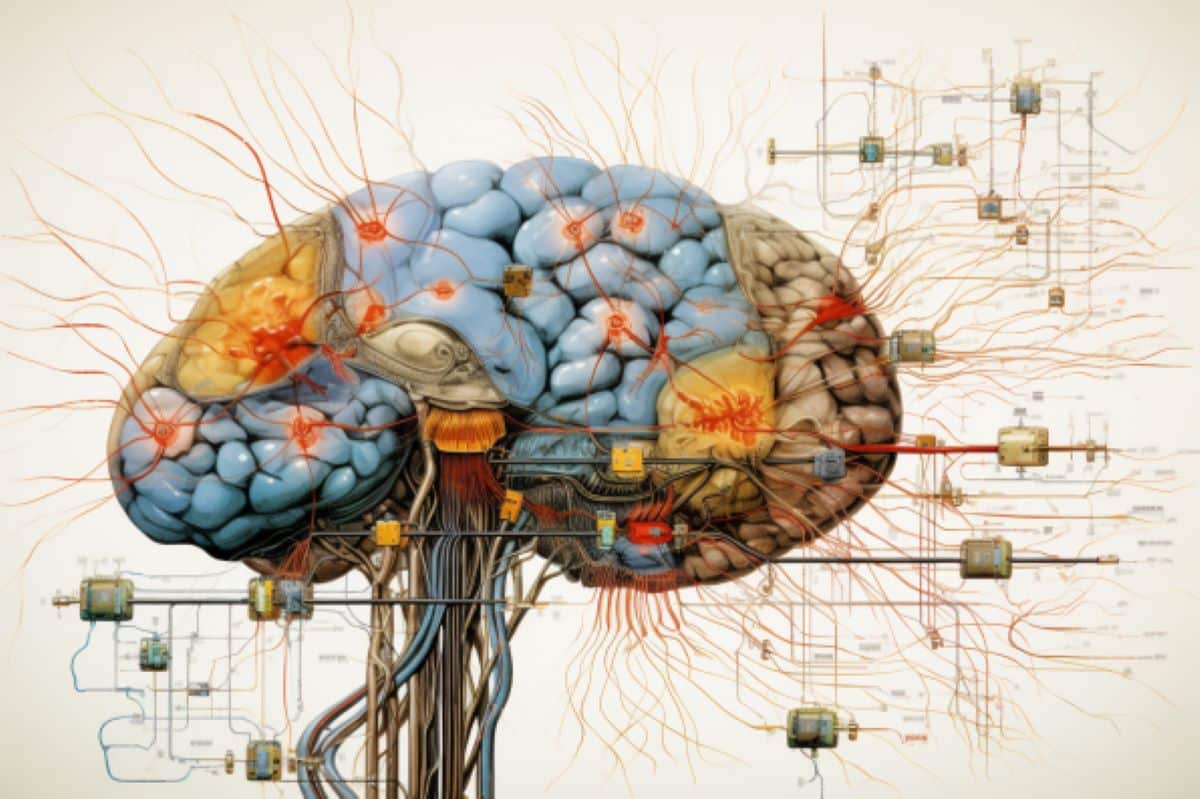
A study conducted by researchers at Brigham and Women's Hospital has identified a common brain network among individuals with substance use disorders, regardless of the type of substance or lesion location. By analyzing data from over 144 studies involving more than 9,000 participants, the researchers found consistent abnormalities in this shared circuit, suggesting it could be a potential target for neurostimulation therapies such as transcranial magnetic stimulation. The findings provide valuable insights into the understanding and treatment of addiction.

health2 years ago

"Understanding Ohio's Half-Staff Flag Mystery"

Ohio Governor Mike DeWine has ordered U.S. and Ohio flags to be flown at half-staff on Thursday in honor of Ohio Overdose Awareness Day, a day dedicated to remembering lives lost to the opioid epidemic and celebrating those in recovery. The flags will remain at half-staff on public buildings and grounds throughout the state until sunset. To support local communities in promoting the awareness day, an Ohio Overdose Awareness Day Toolkit has been created by leaders from DeWine's RecoveryOhio initiative, the Ohio Department of Health, and the Ohio Department of Mental Health and Addiction Services. The Ohio Department of Health Director emphasizes the importance of naloxone in preventing overdose deaths.

health2 years ago

"Baltimore Leads Nation in Drug Overdose Deaths, Report Finds"

Baltimore ranks first in the United States for drug overdose deaths, with just over 174 deaths per 100,000 residents, according to a report by the San Francisco Chronicle. Davidson County, Tennessee, Philadelphia County, Pennsylvania, Marion County, Indiana, and Washington D.C. rounded out the top five. Resources for substance-use disorder treatment and prevention are available through the National Survey of Substance Abuse Treatment Services and Maryland's Before It's Too Late initiative. Local resources in Maryland include the Department of Health, crisis hotlines, and county-specific programs.

health2 years ago

Psilocybin Therapy Shows Promise in Treating Alcohol Addiction: Study

A first-of-its-kind analysis has revealed how psilocybin therapy helps treat alcohol addiction. Researchers at NYU, UC San Francisco, and Fluence investigated the therapeutic mechanisms that led a cohort of people with alcohol use disorders (AUDs) to significantly reduce negative drinking behavior after participating in an earlier landmark psilocybin clinical trial. The study revealed several common themes among participants that could help inform future research and therapeutic applications as more states move to promote psychedelic studies and regulated access.

health2 years ago

Inherited Genetic Signature Linked to Multiple Substance Use Disorders

A common genetic signature has been linked to an increased risk of substance use disorders from smoking addiction to addiction to narcotics. The findings could pave the way to the development of new therapies for substance use disorder and may help diagnose those at risk of multiple substance use disorders. The study’s findings are drawn from an analysis of genomic data from more than 1.1 million people of mostly European ancestry and a smaller population of people of African ancestry. The genetic signature associated with substance use disorders encompasses variations in multiple genes and is linked to regulation of dopamine signaling.

health2 years ago

Shared Genetic Markers Linked to Substance Use Disorders in Large-Scale Study

A new study led by researchers at Washington University in St. Louis, supported by multiple institutes at the National Institutes of Health, has identified genes commonly inherited across addiction disorders, regardless of the substance being used. The findings may help reveal new treatment targets across multiple substance use disorders, including for people diagnosed with more than one. The study also reinforces the role of the dopamine system in addiction, by showing that the combination of genes underlying addiction disorders was also associated with regulation of dopamine signaling.

health2 years ago

Shared Genetic Markers Linked to Substance Use Disorders, NIH Study Finds

Scientists have identified genes commonly inherited across addiction disorders, regardless of the substance being used, by combing through genomic data of over 1 million people. The findings may help reveal new treatment targets across multiple substance use disorders, including for people diagnosed with more than one. The study was led by researchers at the Washington University in St. Louis, along with more than 150 coauthors from around the world, and was supported by the National Institute on Drug Abuse (NIDA), the National Institute on Alcohol Abuse and Alcoholism (NIAAA), the National Institute of Mental Health (NIMH), the Eunice Kennedy Shriver National Institute of Child Health and Human Development, and the National Institute on Aging.