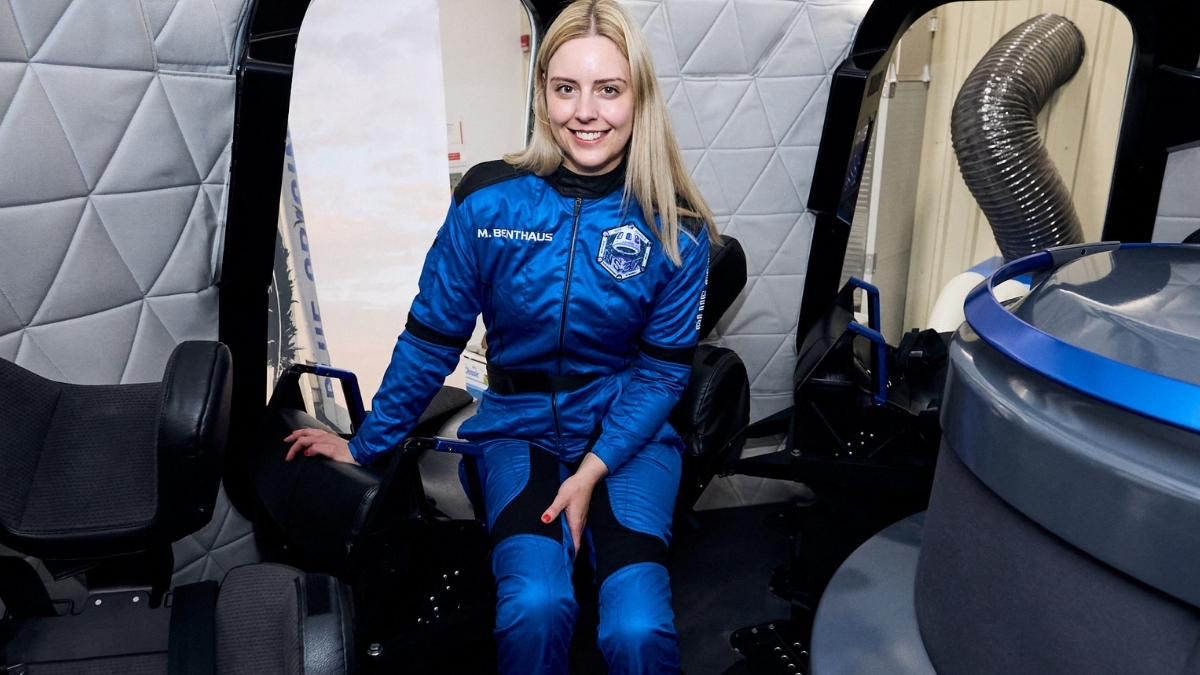
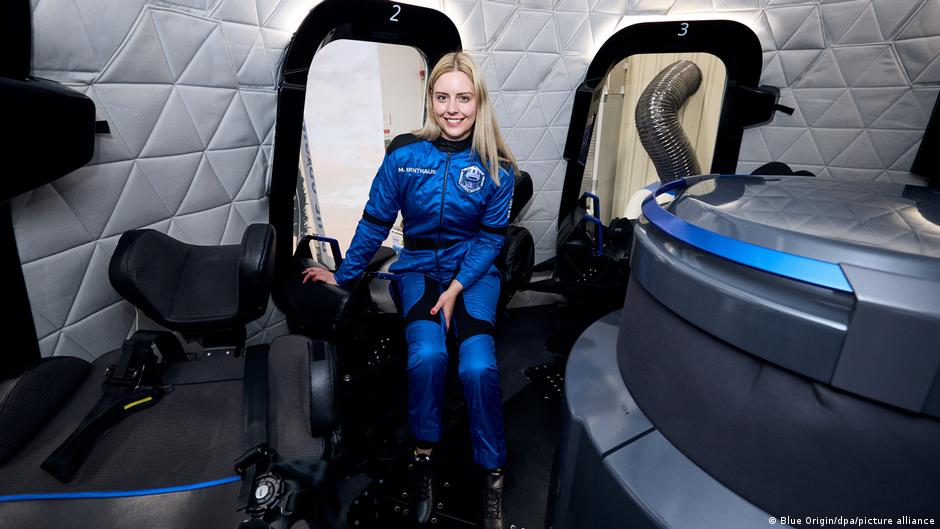
Michaela Benthaus, a German aerospace engineer and wheelchair user, became the first disabled person to fly in space during a Blue Origin suborbital flight, highlighting issues of accessibility and inclusion in space travel.
German engineer Michaela Benthaus, who has paraplegia, became the first wheelchair user to travel to space on a Blue Origin suborbital flight, experiencing weightlessness and advocating for greater accessibility for people with disabilities.
Blue Origin is set to make history by sending Michaela Benthaus, a wheelchair user and aerospace engineer, on a suborbital spaceflight past the Kármán line, marking the first time a person with a disability will fly to space. The mission aims to demonstrate accessibility in space travel and features a diverse crew, although the launch was postponed due to technical issues.
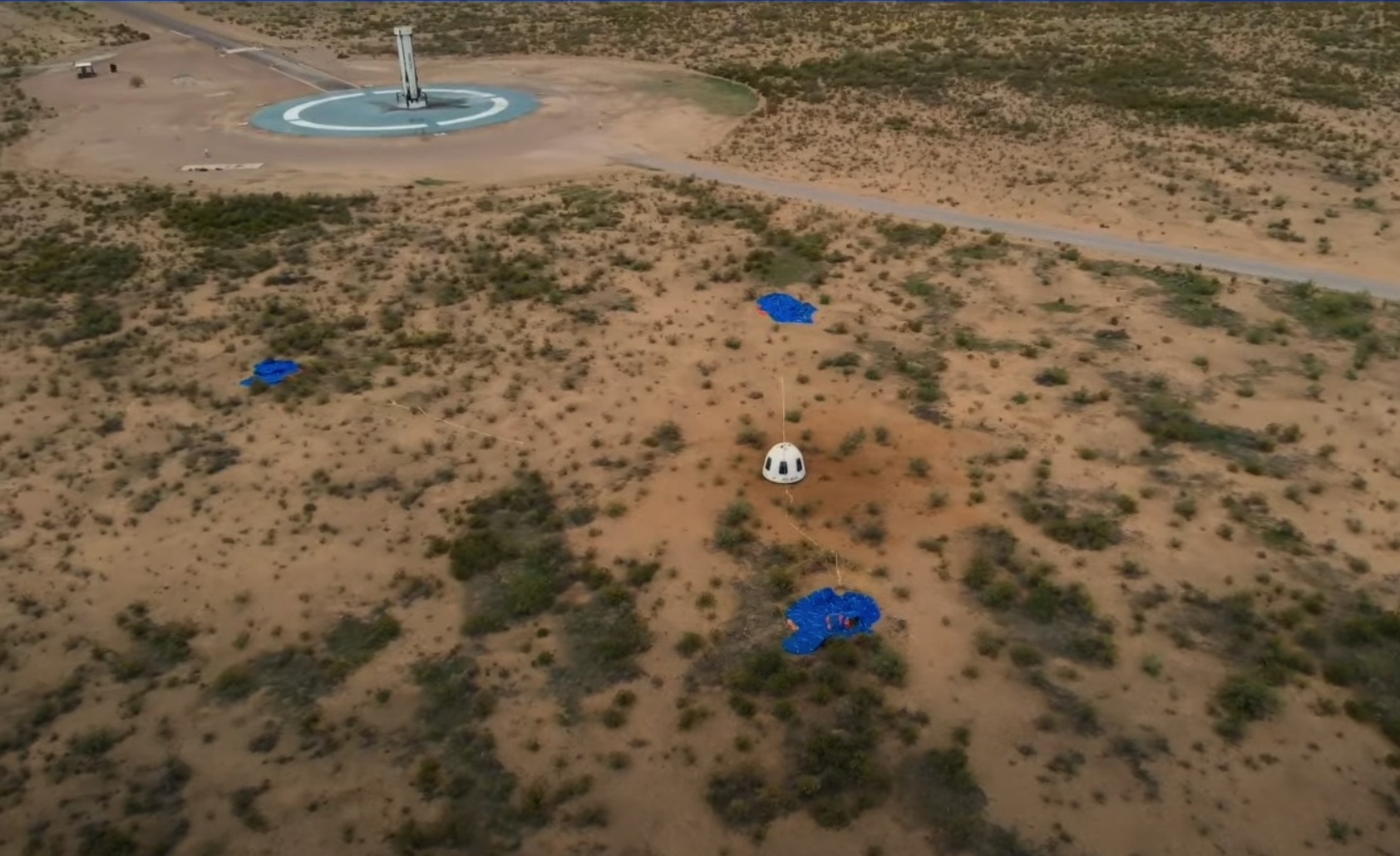
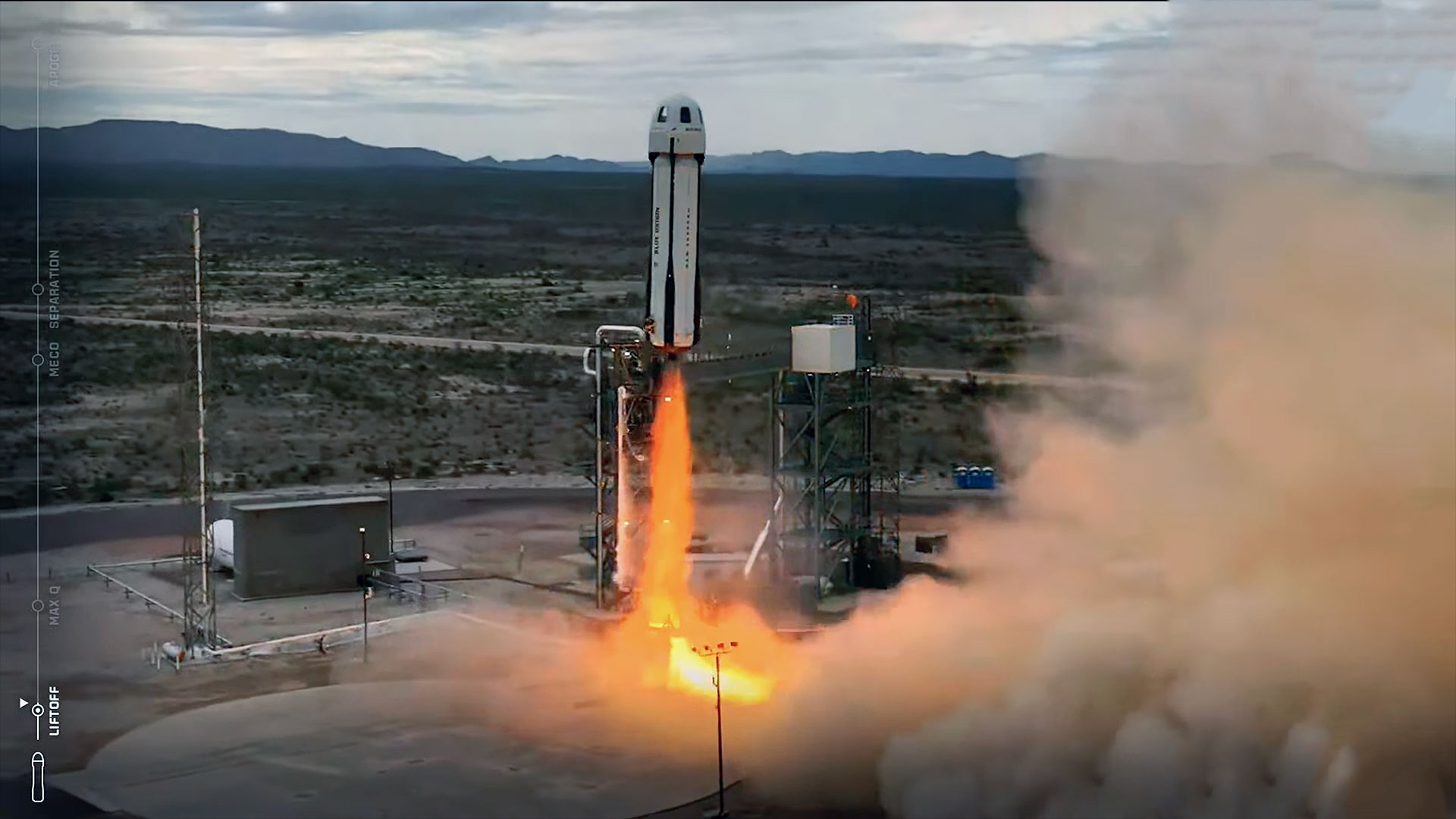
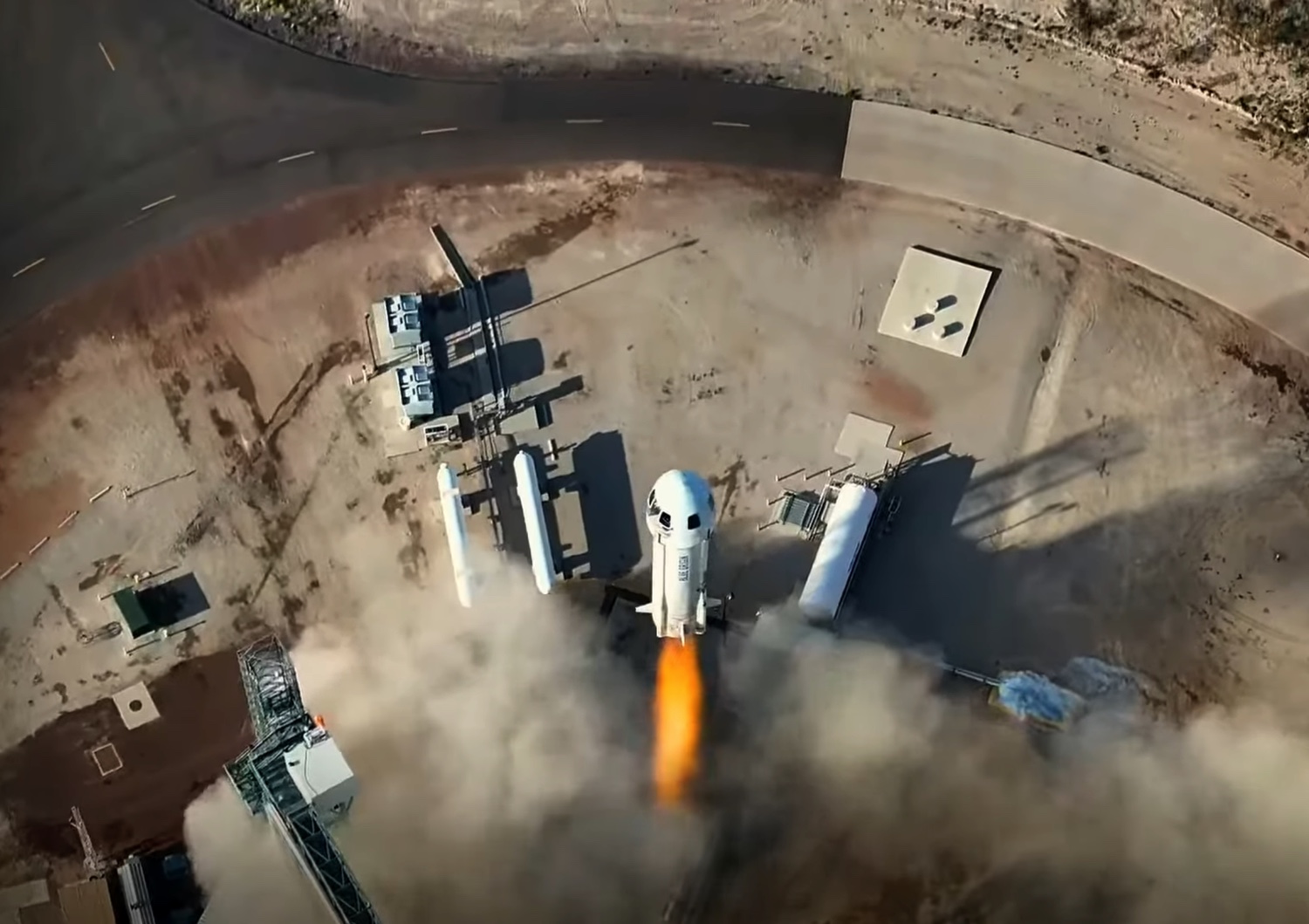
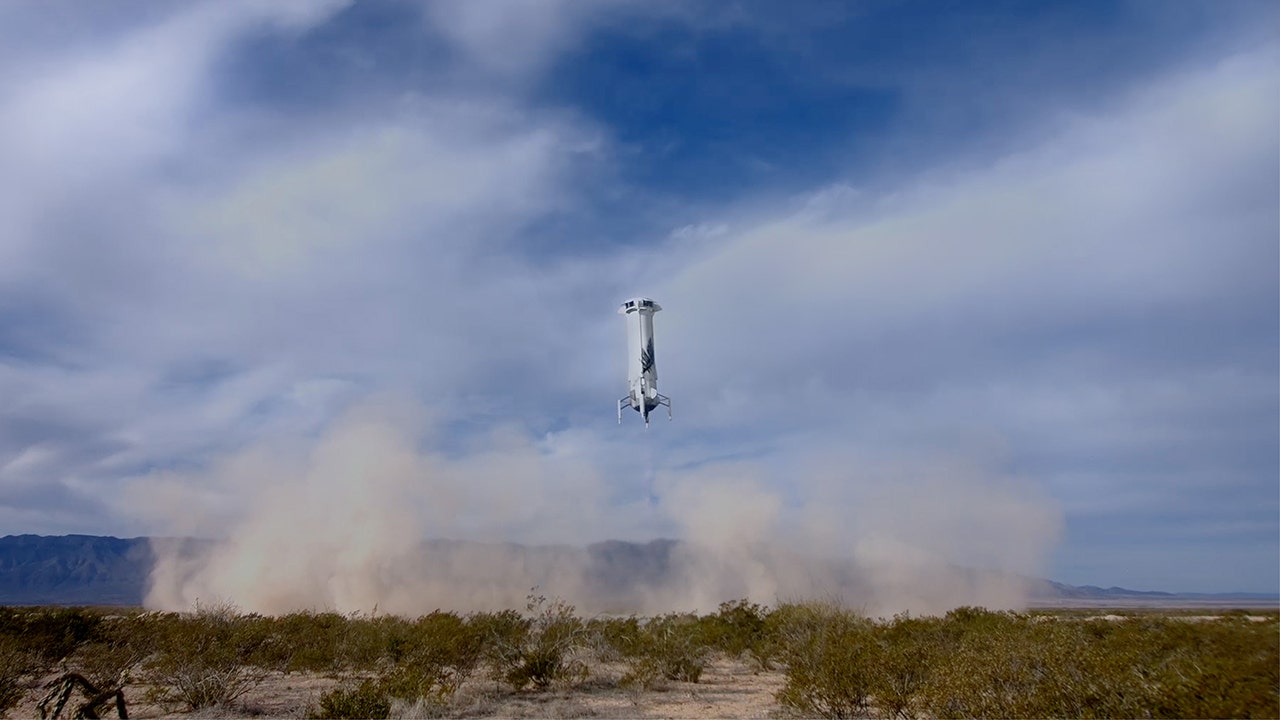
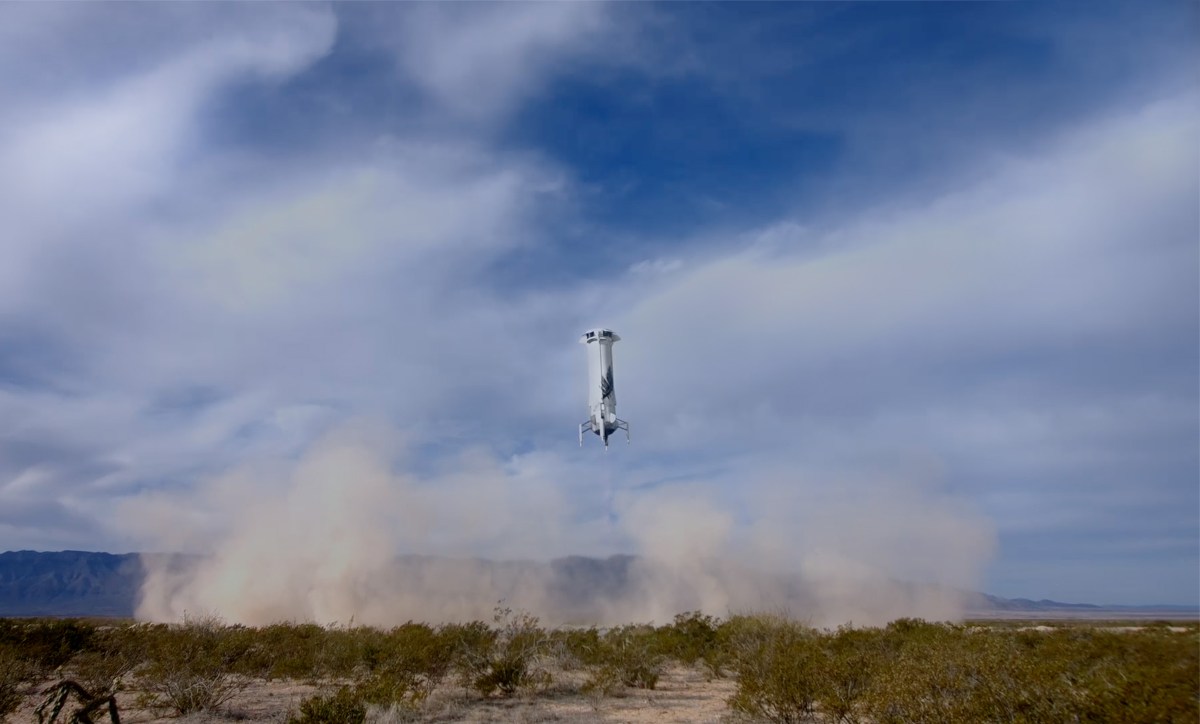
Blue Origin successfully launched its third crewed suborbital flight within three months using the New Shepard vehicle, carrying six passengers including a disbarred lawyer and a married couple, with the capsule landing close to the booster in West Texas. The flight marked the fifth of the year for New Shepard, demonstrating ongoing commercial space tourism efforts amid broader aerospace projects.
Blue Origin successfully launched its 70th person into space on its 13th passenger flight using the New Shepard vehicle, with the crew including the 750th person in history to reach space. The flight, carrying six tourists, reached above the Kármán Line, marking a significant milestone in commercial space travel.
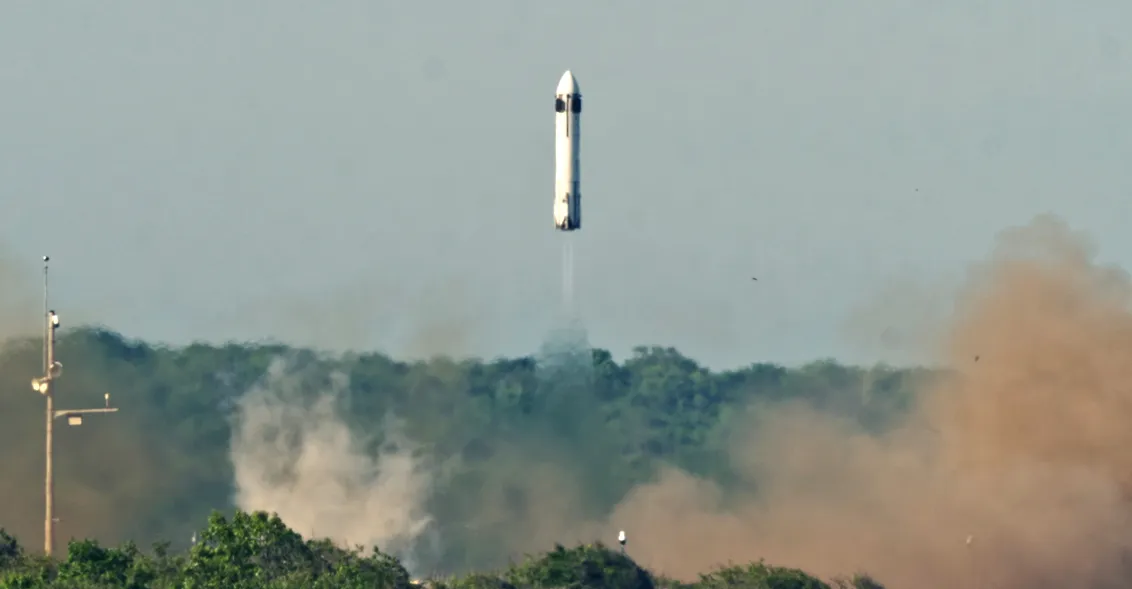
Honda has successfully tested and landed its own reusable rocket in Japan, marking a significant step in its space exploration efforts. The nearly 21-foot rocket reached an altitude of 890 feet and landed within 37cm of its target, demonstrating potential for future suborbital flights by 2029. While still in the research phase, Honda aims to develop technology capable of suborbital launches, possibly competing with companies like SpaceX and Blue Origin in the future.
Blue Origin's New Shepard completed its 12th crewed suborbital flight, carrying six passengers from diverse backgrounds, including the first person from New Zealand and Panama to go to space. The flight served both as a commercial venture and a testbed for future technologies, with the company emphasizing its dual role in business and technological development.
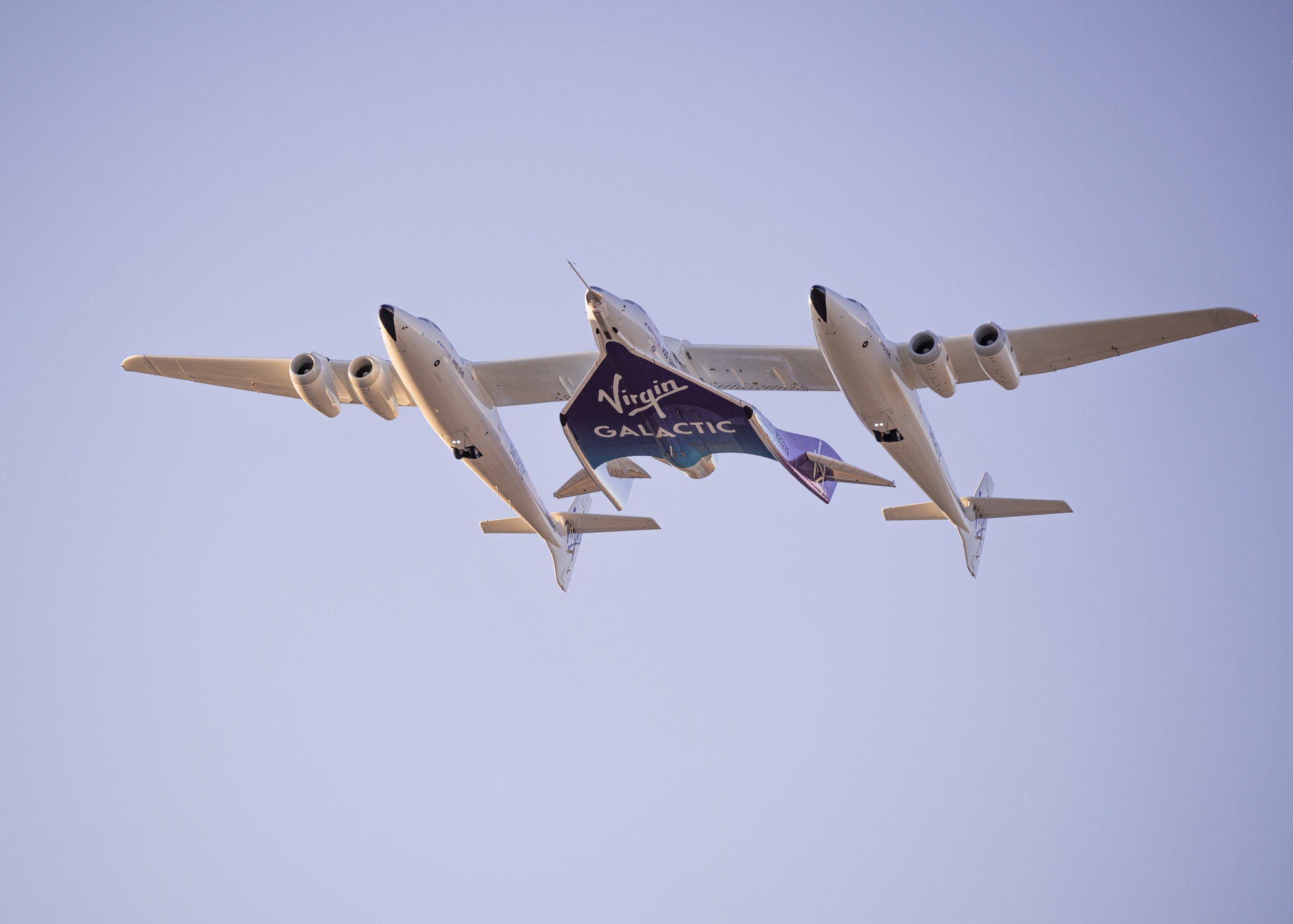
Virgin Galactic is investigating why a pin fell from the aircraft used by its VSS Unity suborbital spaceplane on its most recent flight, stating that the incident did not pose a safety risk. The alignment pin detached after Unity separated from its carrier aircraft, VMS Eve, during the Galactic 06 suborbital flight in January. The company notified the FAA of the incident and is reviewing it in conjunction with the agency. Virgin Galactic plans to provide an update after completing the investigation about the next commercial flight of VSS Unity.
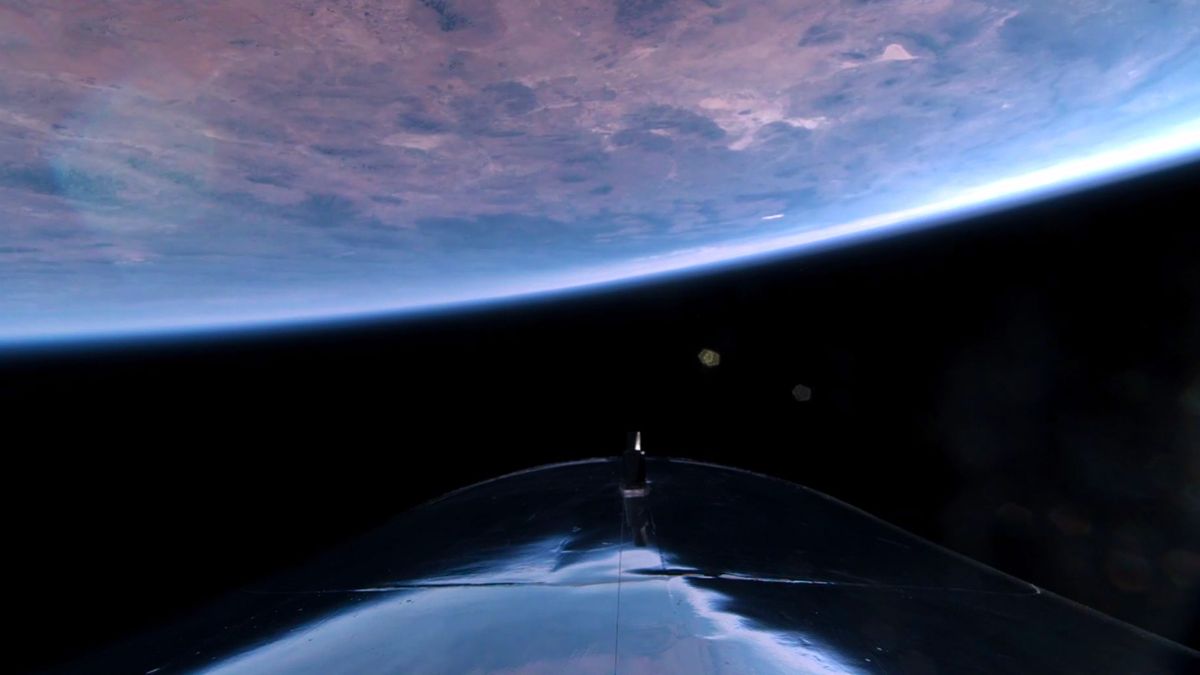
Virgin Galactic is set to launch its sixth commercial spaceflight, Galactic 06, today, carrying four private passengers, including the first Ukrainian woman to reach space. The passengers will experience a few minutes of weightlessness and see Earth from suborbital space before landing at Spaceport America. This mission marks one of the final flights for the VSS Unity space plane, as Virgin Galactic plans to focus on its forthcoming "Delta class" vehicle.
Blue Origin successfully launched its New Shepard rocket, completing its first mission since being grounded in September 2022. The suborbital flight carried 33 payloads and 38,000 postcards, reaching a height of approximately 66 miles above ground. Blue Origin plans to increase its flight cadence in 2024 and is looking forward to its next crewed mission after a thorough review of the NS-24 flight data.
Blue Origin's New Shepard rocket successfully flew for the first time in 15 months, following an engine failure that destroyed the rocket on its previous flight. The suborbital flight, which did not carry passengers, included 33 payloads from NASA, research institutions, and commercial companies. The rocket reached an altitude of over 347,000 feet before the booster landed precisely and the capsule deployed parachutes for a controlled landing. Blue Origin plans to increase its flight cadence in 2024 and resume human missions "soon." The company aims to open New Shepard missions to researchers in the future.
Blue Origin's New Shepard rocket successfully completed its first launch in over 15 months, carrying 33 payloads for various customers including NASA. The mission, NS-24, lasted 10 minutes and concluded with the safe return of the capsule to Earth. Blue Origin plans to increase its flight cadence in 2024 and is looking forward to flying the next crewed flight soon.
Blue Origin's launch of the reusable New Shepard rocket has been delayed due to a "ground system issue" that the company is currently troubleshooting. The NS-24 mission, which was scheduled to be the first suborbital flight since September 2022, will be rescheduled for later in the week. Blue Origin's last mission in September 2022 ended in failure, prompting the company to implement corrective actions. New Shepard has flown 23 times in total, with this mission expected to bring the number of payloads flown to space to over 150.
Virgin Galactic has announced that its 'Galactic 05' research mission will open on November 2, 2023, marking the company's sixth spaceflight this year and tenth overall. The mission will convert Virgin Galactic's Spaceship into a suborbital space lab for scientific research, with five experiments planned. The crew will include scientist Dr. Alan Stern and researcher Kellie Gerardi, who will conduct various research activities during the flight. This mission highlights Virgin Galactic's commitment to providing affordable access to space for microgravity and space-based research.
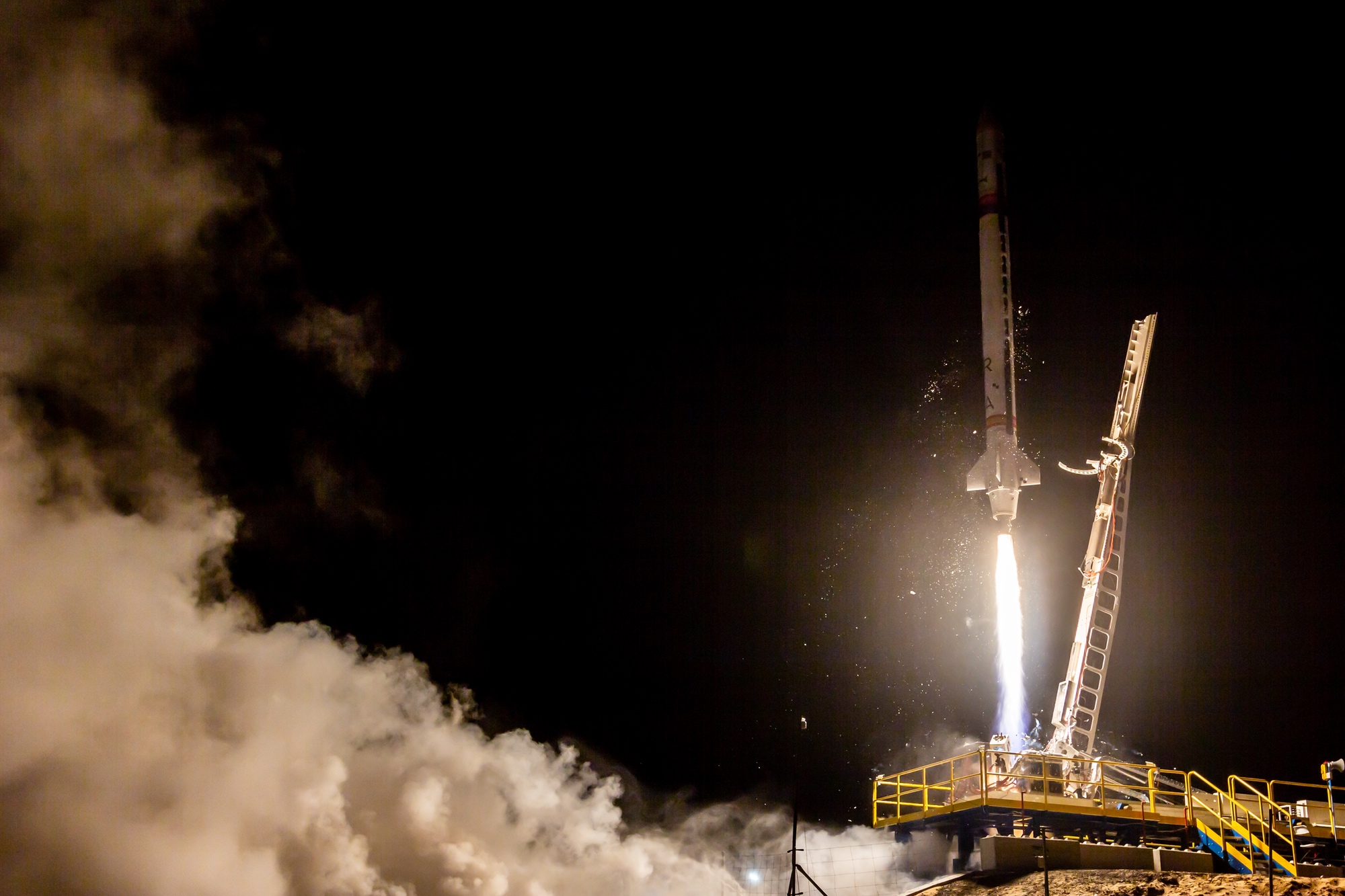
Spanish company PLD Space successfully launched its first suborbital rocket, the Miura 1, from a test site in southwestern Spain. Despite reaching a lower altitude than planned, the company considered the flight a success, stating that all technical objectives related to its performance were achieved. The rocket flew on a suborbital trajectory for 306 seconds before splashing down in the Atlantic Ocean. PLD Space aims to use Miura 1 as a steppingstone to accelerate the technological advancement of its Miura 5 small launch vehicle, with a projected first launch in 2025.