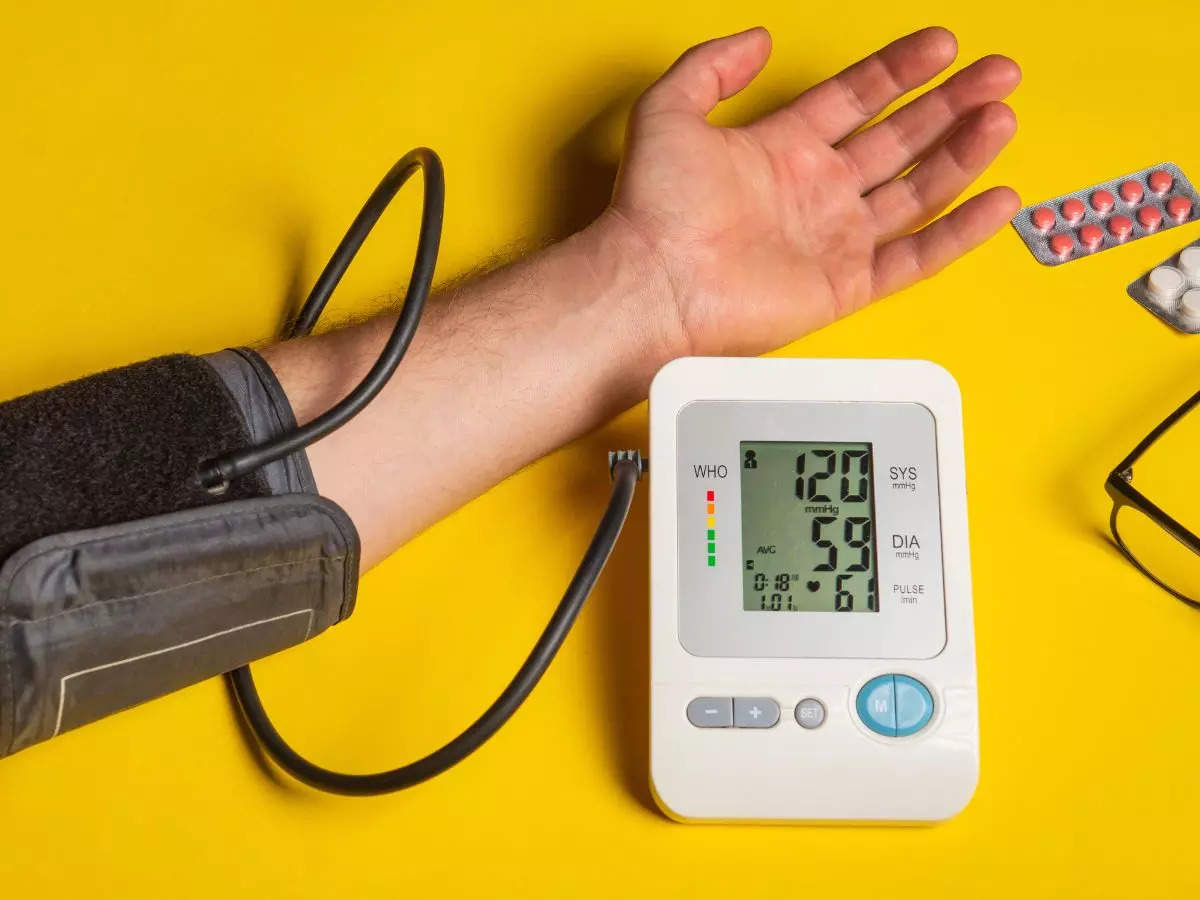
During winter, individuals with hypertension face an increased risk of stroke due to the cold-induced constriction of blood vessels, which can raise blood pressure. Seasonal lifestyle changes, such as decreased physical activity and dietary shifts, can exacerbate this issue. Regular blood pressure monitoring and consultation with healthcare professionals are crucial for managing this risk. Adopting winter wellness strategies, including indoor exercise, a low-sodium diet, stress management, and staying hydrated, can help mitigate these seasonal health risks.
Scientists have discovered that individuals with type A blood have a 16% higher risk of experiencing a stroke before age 60 compared to those with other blood types. Conversely, those with type O blood have a 12% lower risk. The study, which analyzed data from 48 genetic studies involving over 17,000 stroke patients and 600,000 controls, found that the increased risk is associated with genetic variations in the A1 blood type subgroup. However, the risk of stroke associated with blood type becomes insignificant in those who have a stroke after age 60, indicating different mechanisms may be at play in early versus late-onset strokes. The research, published in the journal Neurology, suggests that blood type may influence stroke risk through factors related to blood clotting.
A study published in Nature Communications suggests that eating breakfast earlier and having dinner before 8pm can significantly reduce the risk of cardiovascular diseases, including heart attacks and strokes. The research, which analyzed data from over 103,000 French individuals, found that each hour delay in the first meal of the day increases the risk of cardiovascular disease by 6%, and eating after 9pm raises the risk of cerebrovascular disease by 28%, especially in women. The study highlights the importance of meal timing and suggests that a longer duration of night-time fasting could be beneficial for heart health.