Tag

Stone Age

All articles tagged with #stone age

science4 months ago

Ancient Stone Age Settlement Discovered Beneath Danish Seas

Archaeologists have discovered a 8,500-year-old Stone Age coastal settlement off Denmark's coast, submerged due to rising sea levels after the last ice age. The site, part of a European Union-funded project, offers insights into ancient coastal life and how early societies adapted to changing landscapes, with well-preserved artifacts like tools and animal bones found underwater. This research helps understand past climate impacts and sea level changes, relevant to current climate change concerns.

archaeology5 months ago

Hyperrealistic Reconstructions of Ancient Czech Mine Sisters

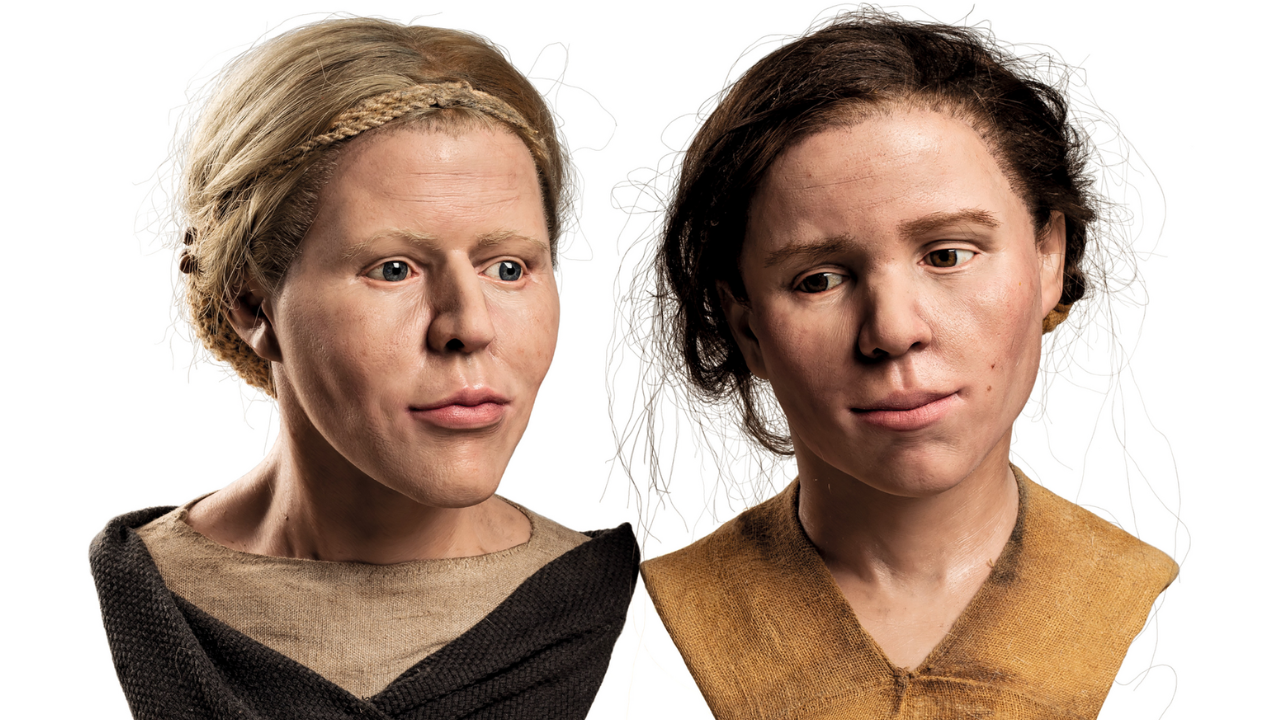
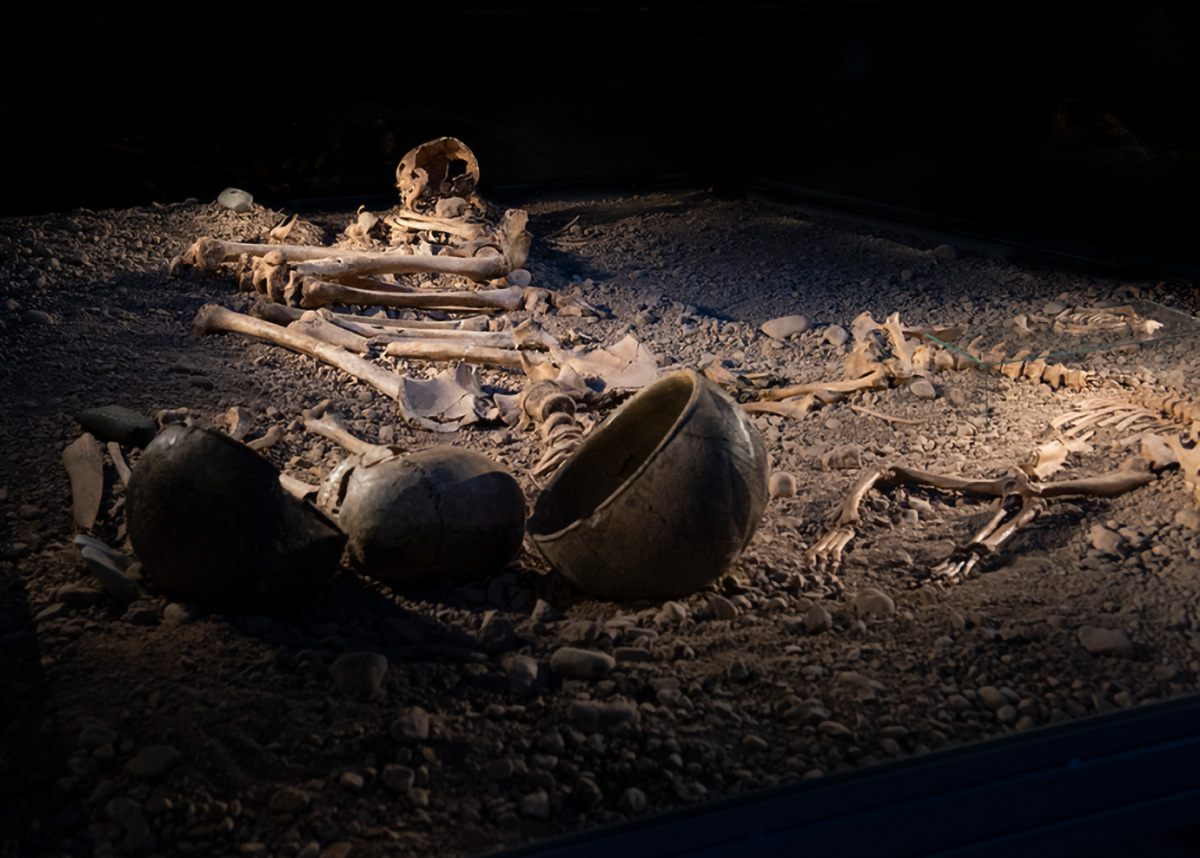
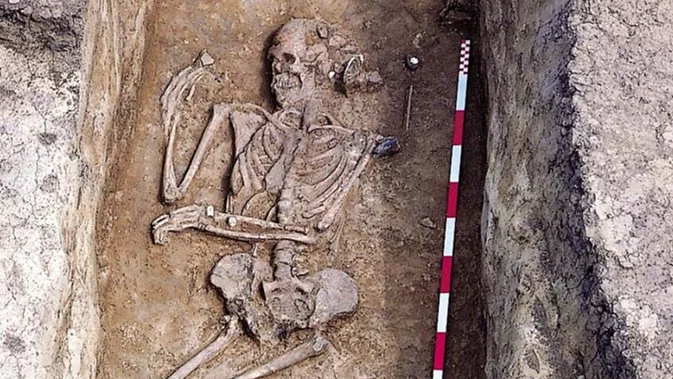
Researchers have created hyperrealistic 3D reconstructions of two Stone Age sisters who lived over 6,000 years ago in the Czech Republic, based on analysis of their remains found in a prehistoric chert mine. The sisters, who worked in heavy labor, lived to their 30s or 40s despite injuries and poor childhood nutrition, and were buried with a dog and a mysterious newborn. The study offers insights into the social and physical hardships of early mining communities, highlighting exploitation and resilience.

science6 months ago

Ancient DNA Reveals Lifelike Faces and Dark Skin of Stone Age Europeans

Researchers and artists have created a detailed facial reconstruction of the 'Margaux woman,' a Stone Age hunter-gatherer from Belgium who lived around 10,500 years ago, revealing insights into her appearance, including likely blue or light eyes and a medium-toned skin, based on skeletal remains and ancient DNA. The project highlights the diversity and complexity of skin pigmentation in post-ice age Western Europe.

archaeology1 year ago

Ancient Ritual Site with 35,000-Year-Old Carved Tortoise Unearthed in Cave

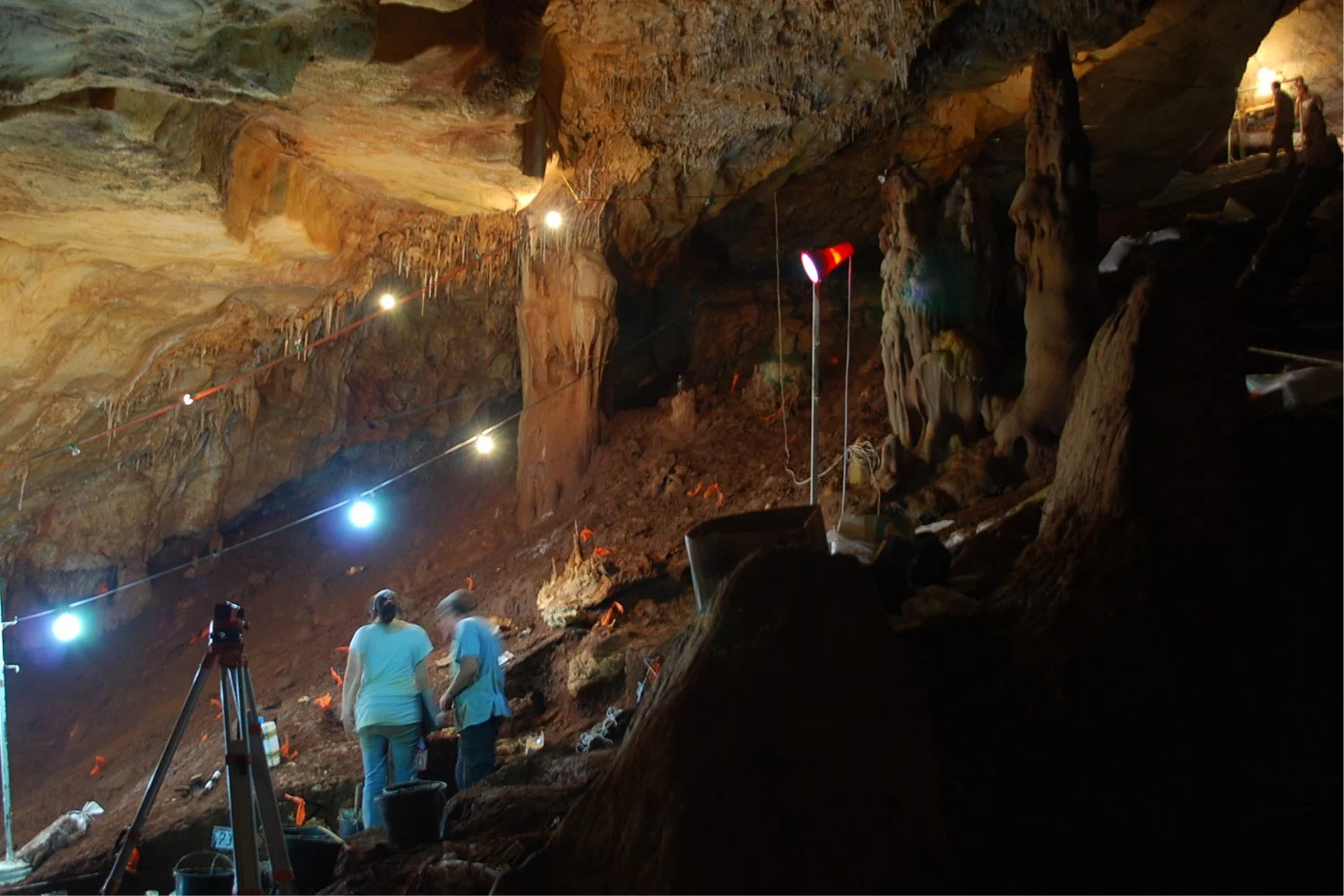
Researchers have discovered a potential 35,000-year-old Stone Age ritual site in Manot Cave, northern Israel, suggesting communal rituals took place around a carved boulder resembling a tortoise or turtle. The site, located in a separate chamber from living quarters, features mineral deposits and evidence of fire use, indicating that ancient humans, possibly related to the first modern Europeans, conducted rituals there. This finding adds a cultural dimension to the cave's history, previously known for a 55,000-year-old cranium linked to early human migration.

archaeology1 year ago

"Mammoth Bones Unearthed in Austrian Wine Cellar"

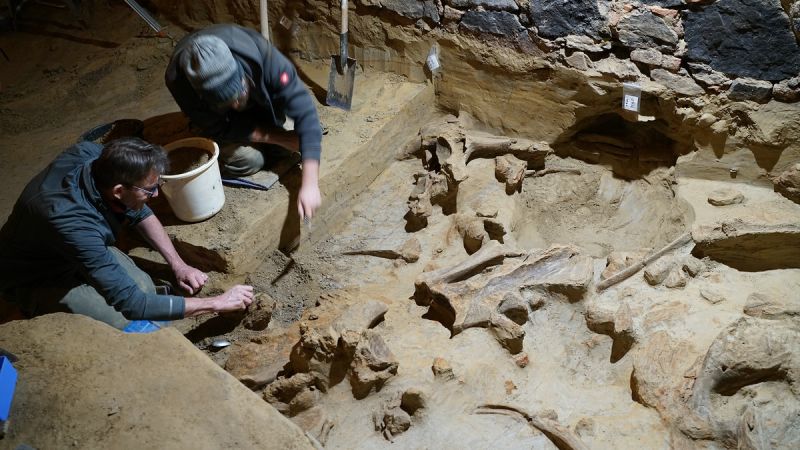
Hundreds of mammoth bones, estimated to be 30,000 to 40,000 years old, were discovered in an Austrian wine cellar during renovations. The find, described as an "archaeological sensation," is the most significant of its kind in over a century. Researchers from the Austrian Academy of Sciences are excavating the site, which has yielded at least 300 bones from three mammoths. The discovery offers a unique opportunity for modern research and raises questions about Stone Age hunting practices. The bones will be restored at the Natural History Museum Vienna.

health-and-science1 year ago

"Unearthing Lethal Stone Age Epidemics"

A recent study reveals that Stone Age populations in Scandinavia suffered and often died from bacterial diseases such as meningitis and food poisoning due to close living quarters and lack of antibiotics. The study, which screened 38 individuals from farmer and hunter-gatherer contexts, found microbial DNA in the remains of infected humans, shedding light on the impact of lifestyle transitions on health during the Stone Age. The research highlights the prevalence of bacterial diseases spread through food and water, emphasizing the potential for further exploration of prehistoric societies.

health-and-science1 year ago

"The Deadly Impact of Bacterial Diseases in the Stone Age"

A new study coordinated from the Centre for Palaeogenetics in Stockholm explores the prevalence of bacterial diseases during the Stone Age in Scandinavia, revealing that bacterial poisoning through food, water, and close contact caused significant suffering and fatalities. The research, which screened 38 individuals from different Stone Age contexts, identified microbes such as Neisseria meningitidis, Yersinia entrecolitica, and Salmonella enterica, all of which are easily treatable with antibiotics today. The study sheds light on the impact of lifestyle transitions, particularly the shift from hunting-gathering to farming, on the prevalence of bacterial diseases, offering new insights into a previously unexplored aspect of prehistoric societies.

health1 year ago

"The Deadly Impact of Bacterial Diseases in the Stone Age"

A new study published in Scientific Reports reveals that bacterial diseases, such as Neisseria meningitidis, Yersinia enterocolitica, and Salmonella enterica, were a lethal threat during the Stone Age in Scandinavia. The research, which screened 38 individuals from different Stone Age contexts, found evidence of bacterial infections that are easily treatable with antibiotics today but were fatal in prehistoric societies. The transition from a hunter-gatherer lifestyle to farming may have impacted the spread of these diseases, shedding light on a previously unexplored aspect of prehistoric health.

archaeology1 year ago

"Deadly Kisses: Ancient Scandinavian Bodies Uncover Surprising Secrets"

A new study published in Scientific Reports reveals that ancient Scandinavian bodies dating back 6,000 years show evidence of deadly bacterial infections, including Y. pestis, the bacteria that causes the plague, making it the oldest case of the plague found in remains to date. The shift from nomadic to agricultural communities led to increased population density and interactions with livestock, resulting in infections from food, water, and close human contact. The presence of bacteria causing meningitis and gonorrhea reflects the cultural change as people became less nomadic and started living in larger communities at the end of the Stone Age.

archaeologygenetics1 year ago

"Stone Age Genetic Strategy for Inbreeding Avoidance Revealed"

A genetic study of Stone Age burial sites in Western Europe suggests that hunter-gatherer communities deliberately lived together in distinct social units to avoid inbreeding, despite the coexistence of Neolithic farming communities. The study, led by researchers from Uppsala University and French institutions, analyzed the genomes of individuals buried at iconic sites in France, revealing that the groups were generally not closely related and showed no signs of inbreeding. The findings provide new insights into the social dynamics of the last Stone Age hunter-gatherer populations in Western Europe.