Tag

Starburst Galaxies

All articles tagged with #starburst galaxies

science7 months ago

Massive, Star-Forming Spiral Galaxy Discovered Similar to the Milky Way

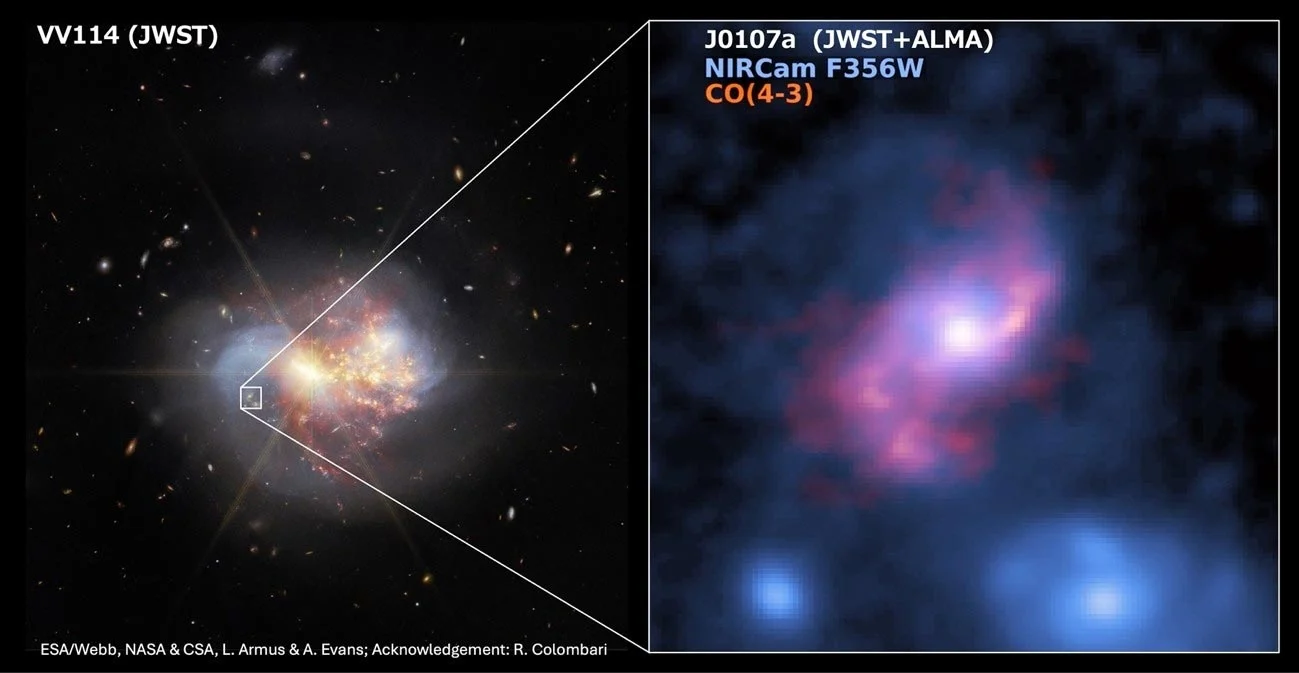
Astronomers using Webb and ALMA discovered a massive, well-formed barred spiral galaxy from 11 billion years ago forming stars at 300 times the rate of the Milky Way, without signs of collision, challenging previous theories that such extreme star formation was caused by galactic mergers. The galaxy's bar structure, rich in gas, appears to drive intense central starbursts through gas inflows from the cosmic web, providing new insights into galaxy evolution in the early universe.
astronomy2 years ago

Unraveling the Enigma of Universe's Rare Radio Circles

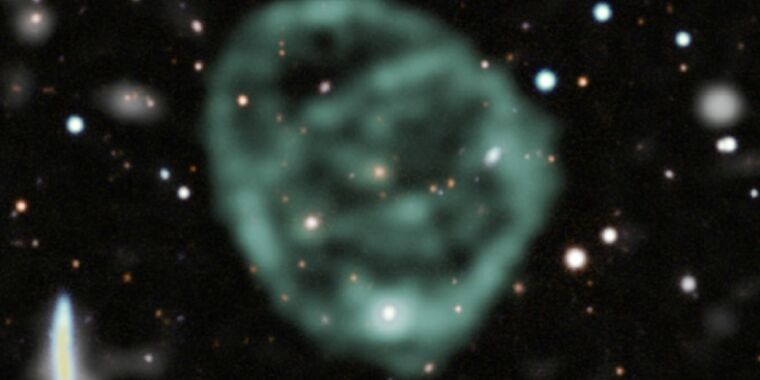
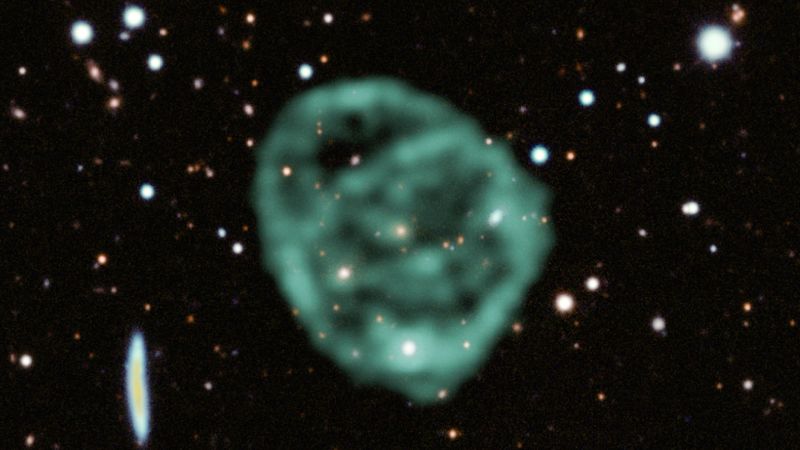
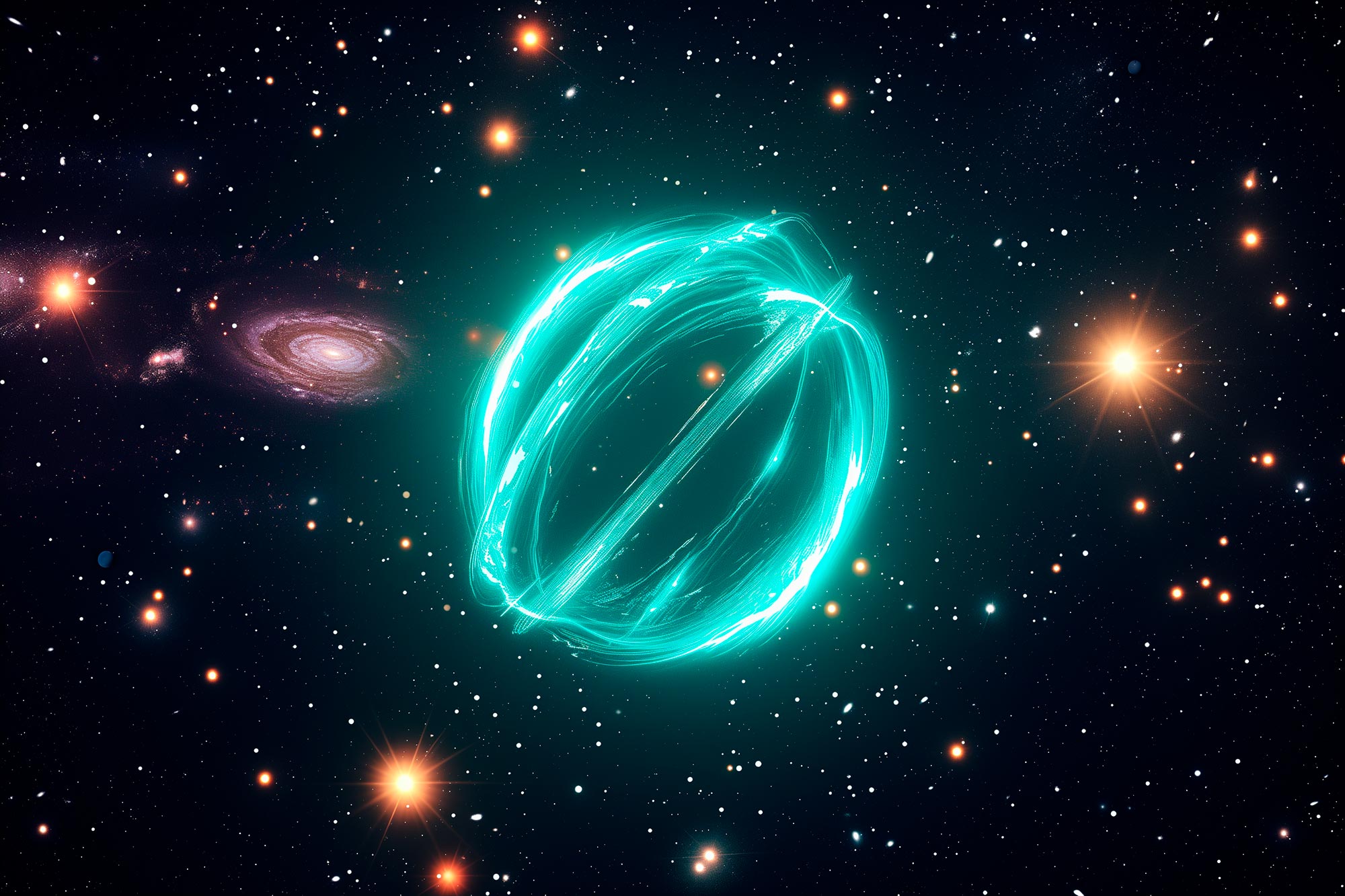
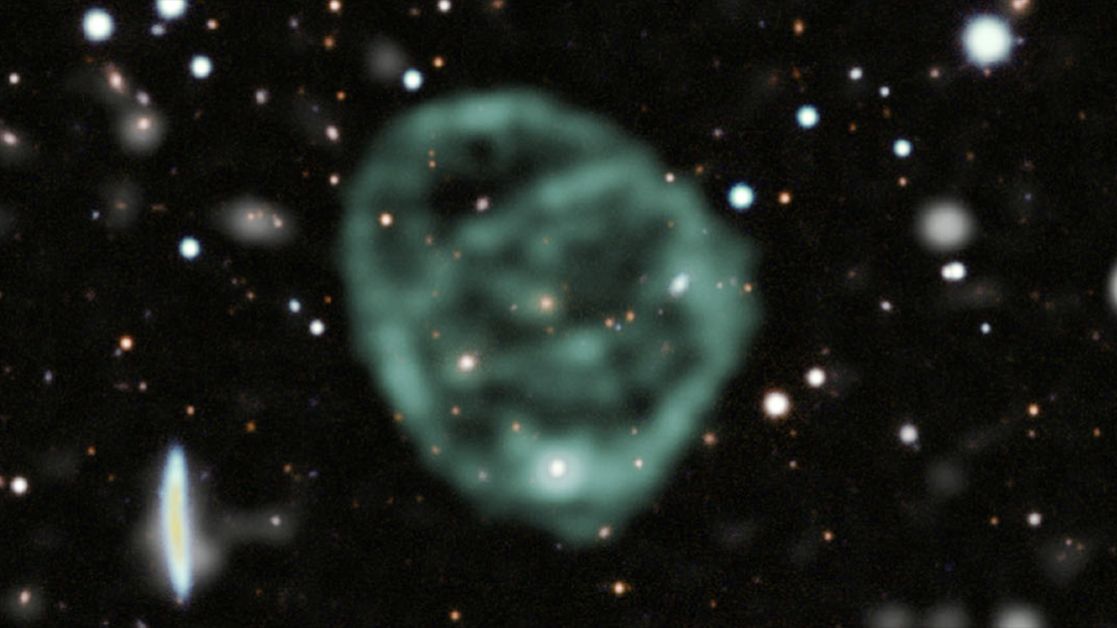
Astronomers have unraveled the mystery behind the rare radio wave circles (ORCs) discovered in 2019, attributing them to outflowing galactic winds from starburst galaxies, shedding light on galactic evolution and phenomena. These enormous circles, reaching hundreds of thousands of light years across, are believed to be formed by the intense burst of star formation in starburst galaxies, leading to ultra-fast outflowing winds that create the observed radio rings. The findings provide new insights into the nature of these peculiar astronomical phenomena and their role in understanding galactic evolution.

astronomy2 years ago

"Unraveling the Enigma of Cosmic Ghost Circles in Deep Space"

Scientists may have solved the mystery of cosmic ORCs, vast odd radio circles that can encompass entire galaxies, by pointing to powerful winds erupting from bursts of exploding stars as the cause. These winds, driven by simultaneous supernova explosions in starburst galaxies, create shockwaves that generate the ORCs, which can spread out for hundreds of thousands of light-years. This discovery could provide insights into galactic evolution and the prevalence of extreme outflowing galactic winds.

astronomy2 years ago

"Unraveling the Mystery of Enormous Cosmic Smoke Rings in Space"

Astronomers have identified the origin of enormous "odd radio circles" (ORCs) as outflowing galactic winds from exploding stars in starburst galaxies, which occur when two large galaxies collide, pushing gas into a small region and causing intense bursts of star formation. These ORCs, measuring about a million light-years across, were initially thought to be imaging artifacts but have been confirmed as a new class of astronomical object only visible in the radio spectrum. Computer simulations and spectrograph data support the theory that ORCs are formed by powerful outflowing galactic winds, providing a rare opportunity to study galactic winds through radio data and spectrometry.

astronomy2 years ago

"Unraveling the Mystery of Odd Radio Circles in Space"

Astronomers have finally found a possible explanation for the mysterious odd radio circles (ORCs) in deep space, which were discovered in 2019. These ghostly circles are believed to be shockwaves created by powerful galactic winds emanating from starburst galaxies, where intense star formation occurs due to galactic mergers. Computer simulations suggest that these galactic outflows, driven by high rates of supernova explosions, could produce the observed ORCs. This discovery raises questions about the duration and prevalence of ORCs and their relationship to starbursting galaxies, offering potential insights into the evolution of the Universe.

astronomy2 years ago

"Unraveling the Mystery of Odd Radio Circles in Space"

Astronomers have proposed a new theory suggesting that odd radio circles (ORCs) in space, massive celestial structures with galaxies at their centers, are formed by powerful galactic winds resulting from the explosions of massive stars. The theory is based on observations of ORC 4 using the W.M. Keck Observatory, which revealed the presence of heated gas in visible light. These findings shed light on the origins of ORCs and their potential impact on shaping galaxies over time, providing insights into galactic evolution.

astronomy2 years ago

Hidden Supermassive Black Holes: Unveiling the Secrets of Star-Birthing Galaxies

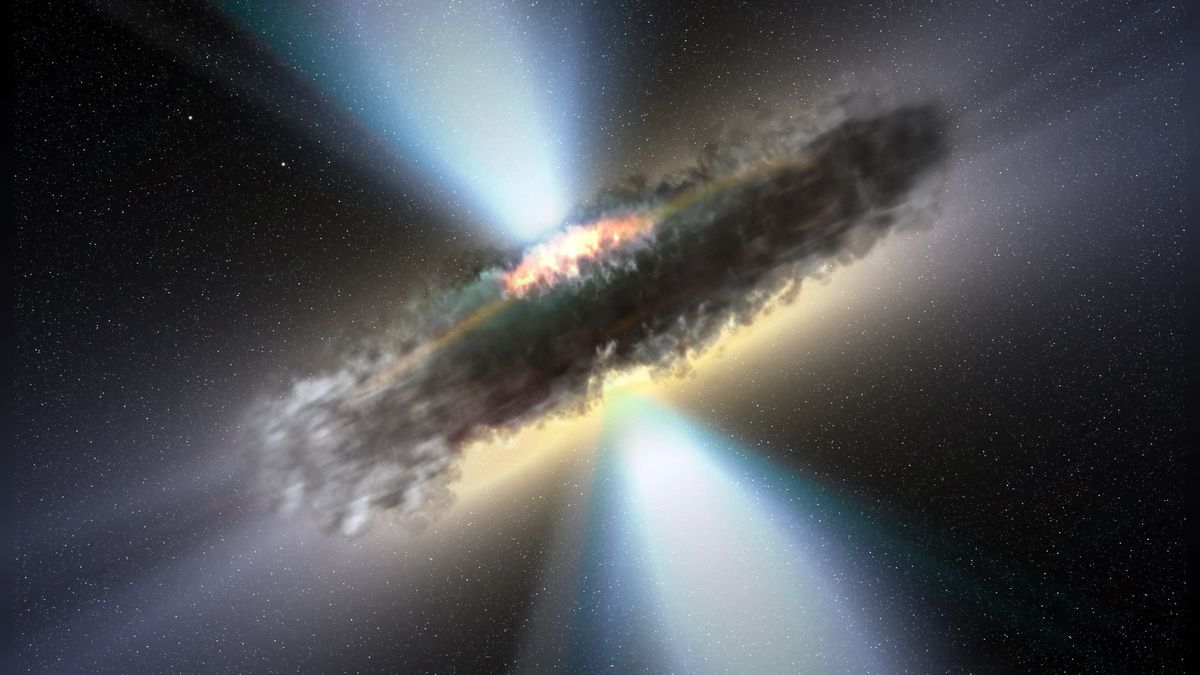
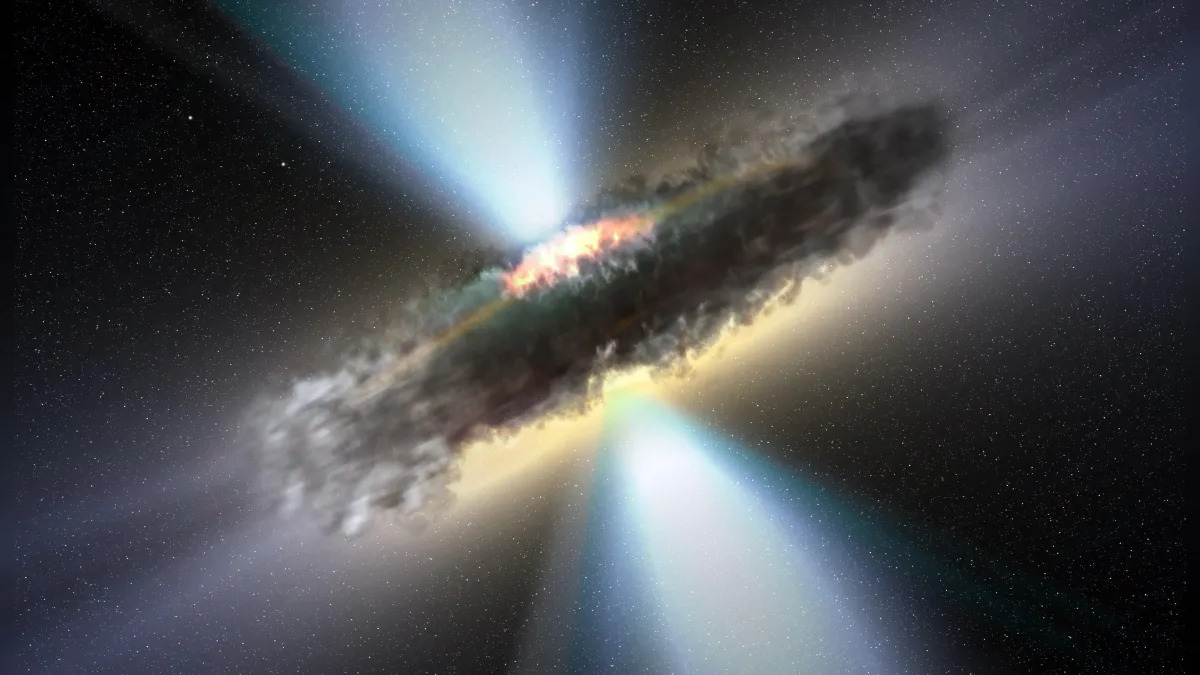
Supermassive black holes, known as quasars, can be hidden at the center of starburst galaxies behind walls of gas and dust, according to a study by researchers at Durham University. These quasars, powered by black holes, emit powerful light that can be obscured by the surrounding material. The study found that the quasars are more likely to be located in galaxies undergoing intense star formation, where the large amounts of gas and dust prevent the light from escaping. The findings suggest that there may be more quasars in the universe than previously believed, as many star-forming galaxies could be hiding active supermassive black holes at their centers.

astronomy2 years ago

Unveiling the Hidden Supermassive Black Holes in Star-Birthing Galaxies

Supermassive black holes, known as quasars, can be hidden at the center of star-birthing galaxies behind walls of gas and dust. These quasars, powered by black holes, emit powerful light that can be obscured by the surrounding material. Previous theories suggested that a thick ring of dust close to the black hole could hide the quasar, but new research shows that more distant clouds of dust can also shroud them. The study found that these dusty quasars are often located in starburst galaxies undergoing intense star formation, where the large amounts of gas and dust prevent the quasar's light from escaping. This discovery suggests that there may be more quasars in the universe than previously believed, hidden within galaxies that were thought to lack them.